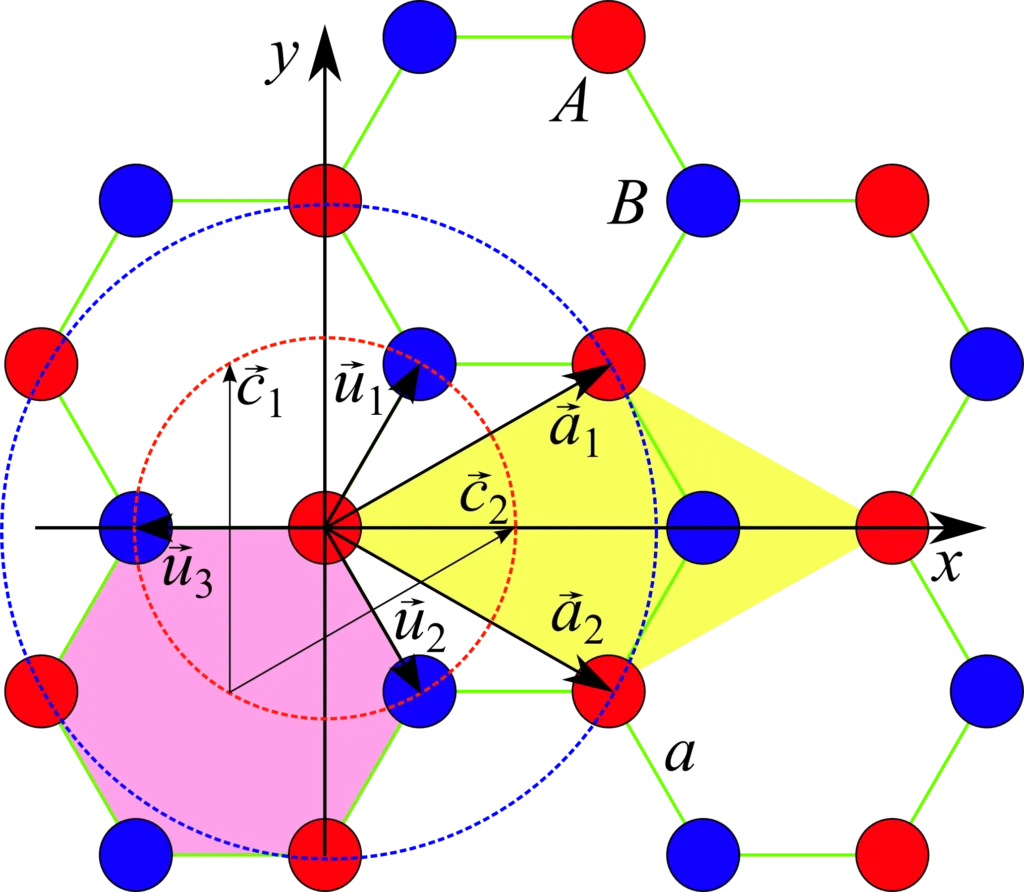
Regensburg physicists film electrons jumping a forbidden gap in graphene; up to 100% made the leap
University of Regensburg physicists filmed electrons in graphene jumping across a forbidden energy gap, with up to 100 percent making the leap.
Trusted News Discovery – Powered by AI and Verified by Humans
University of Regensburg physicists filmed electrons in graphene jumping across a forbidden energy gap, with up to 100 percent making the leap.
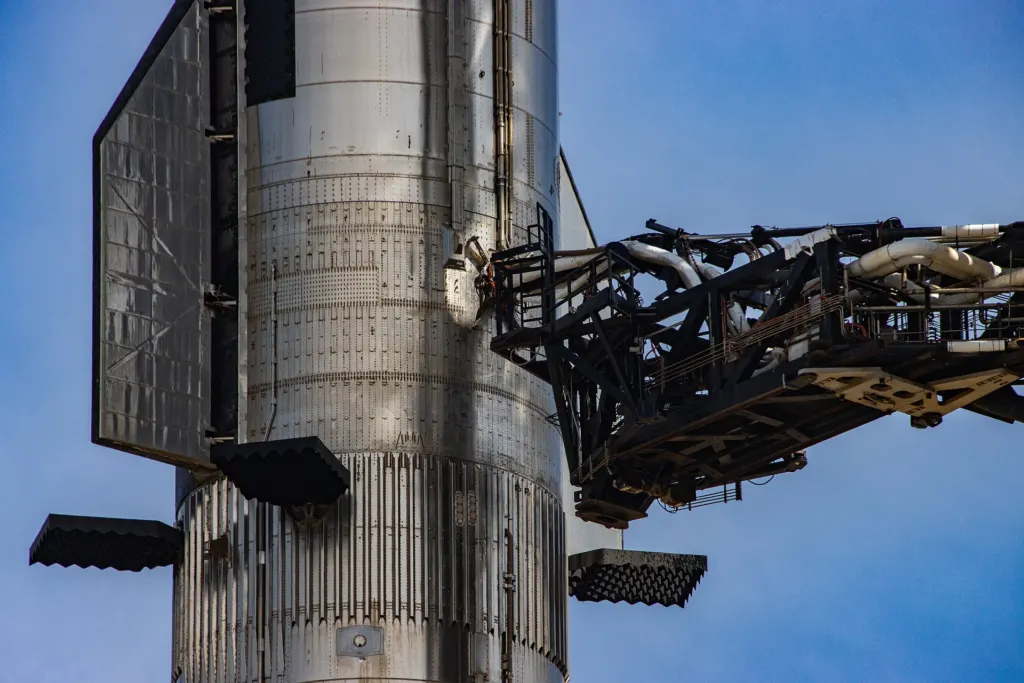
SpaceX’s Starship Flight 15 reached orbit and deployed 26 Starlink V3 satellites; Ship 42 is due for the first upper-stage tower catch on November 14.
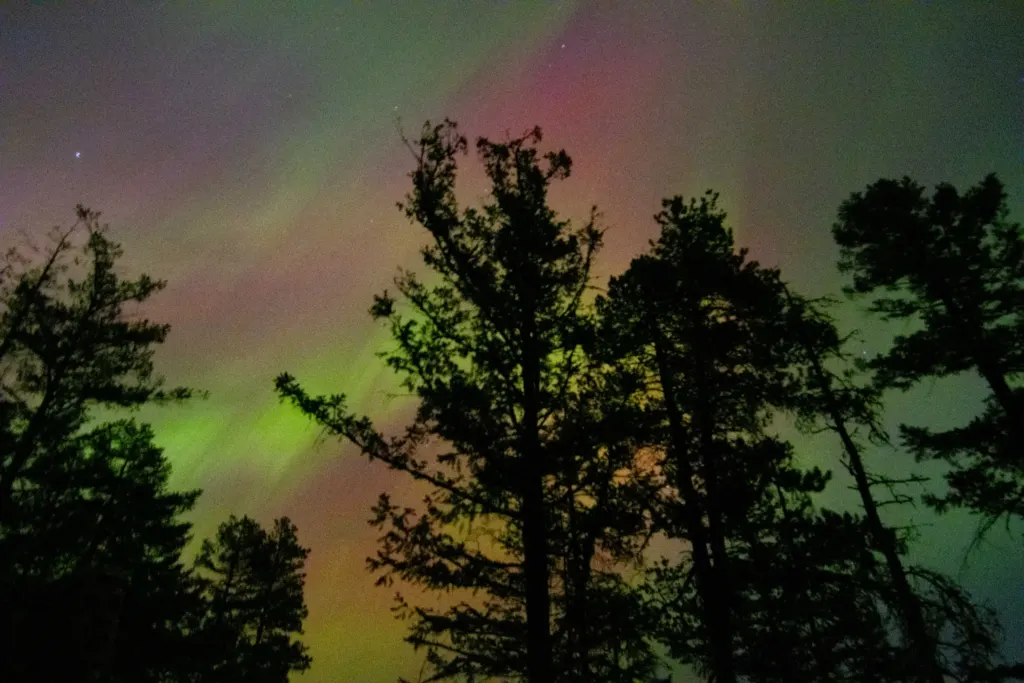
During the May 2024 solar superstorm, about 85% of ring current ions were oxygen from Earth’s ionosphere, Nagoya University’s Arase satellite study found.
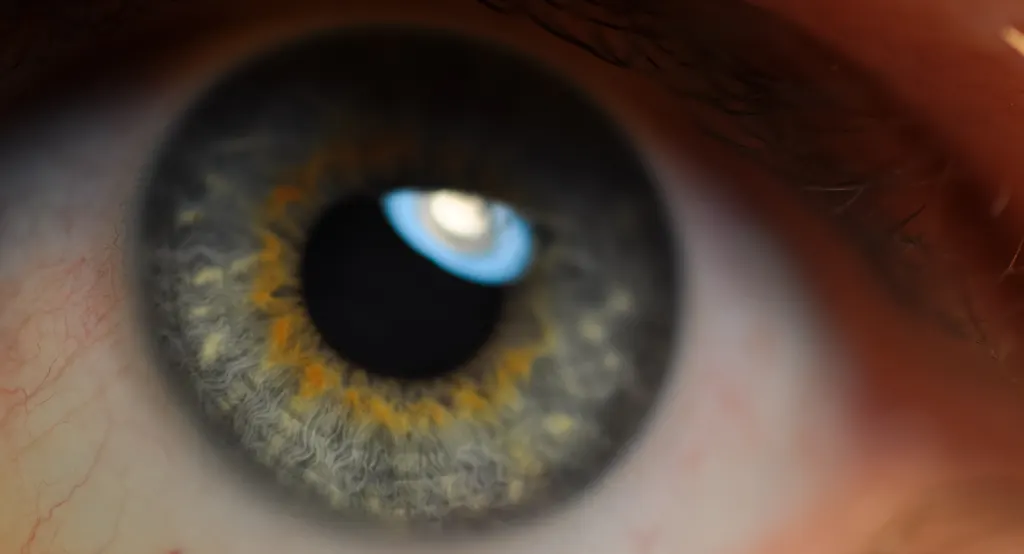
A bionic eye sensor from HKUST holds 367,500 pixels on a curved dome and images in full color over 160 degrees, a Nature Materials paper reports.
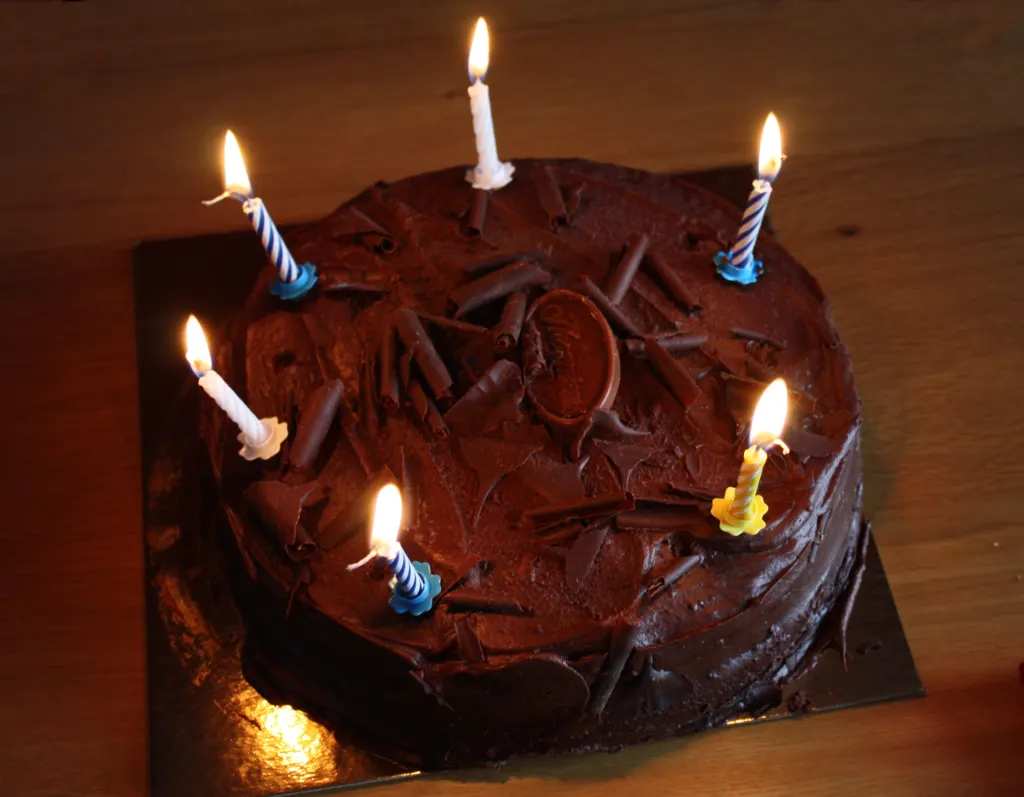
Blowing out birthday candles left 1,400% more bacteria on icing than unblown icing in a 2017 Clemson University study in the Journal of Food Research.
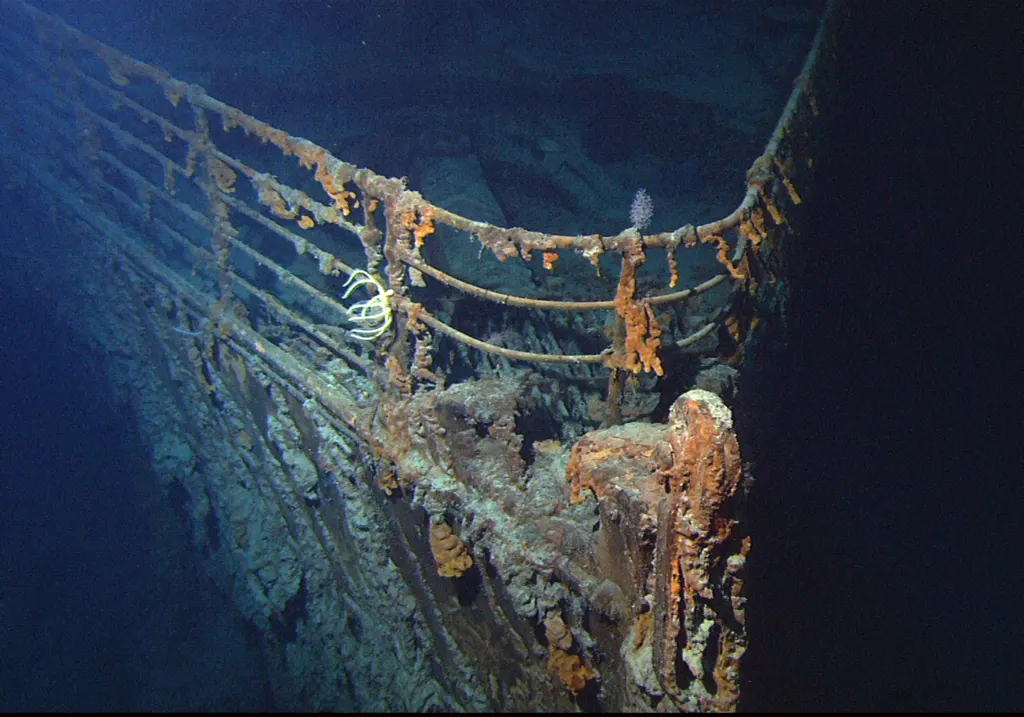
Halomonas titanicae, a bacterium found in Titanic rusticles in 2010, speeds corrosion of the wreck; its co-discoverer estimated collapse by 2030.
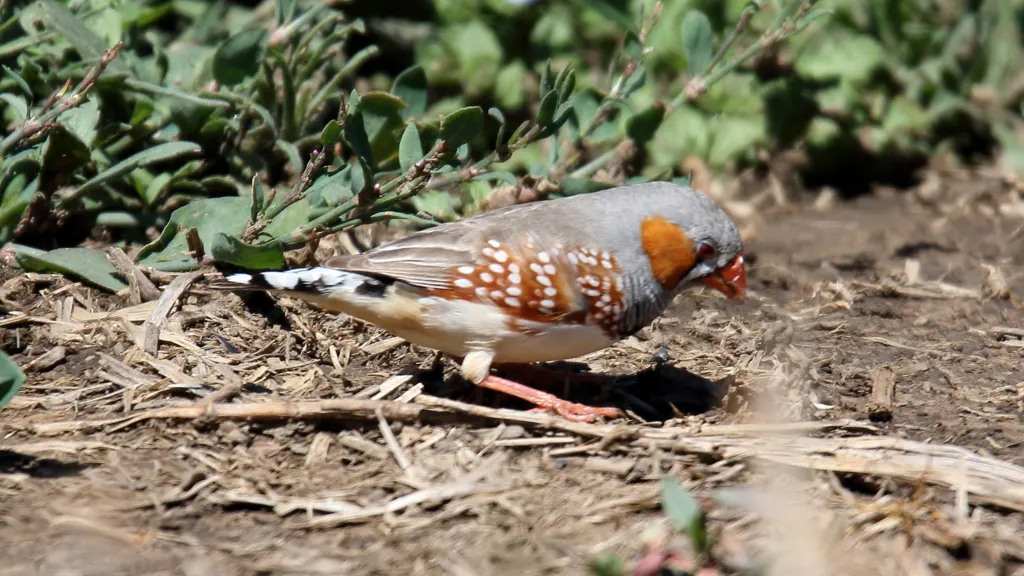
Human speech and song share three acoustic habits with birdsong, a McGill study in Science found after comparing 350-plus bird species with 52 languages.
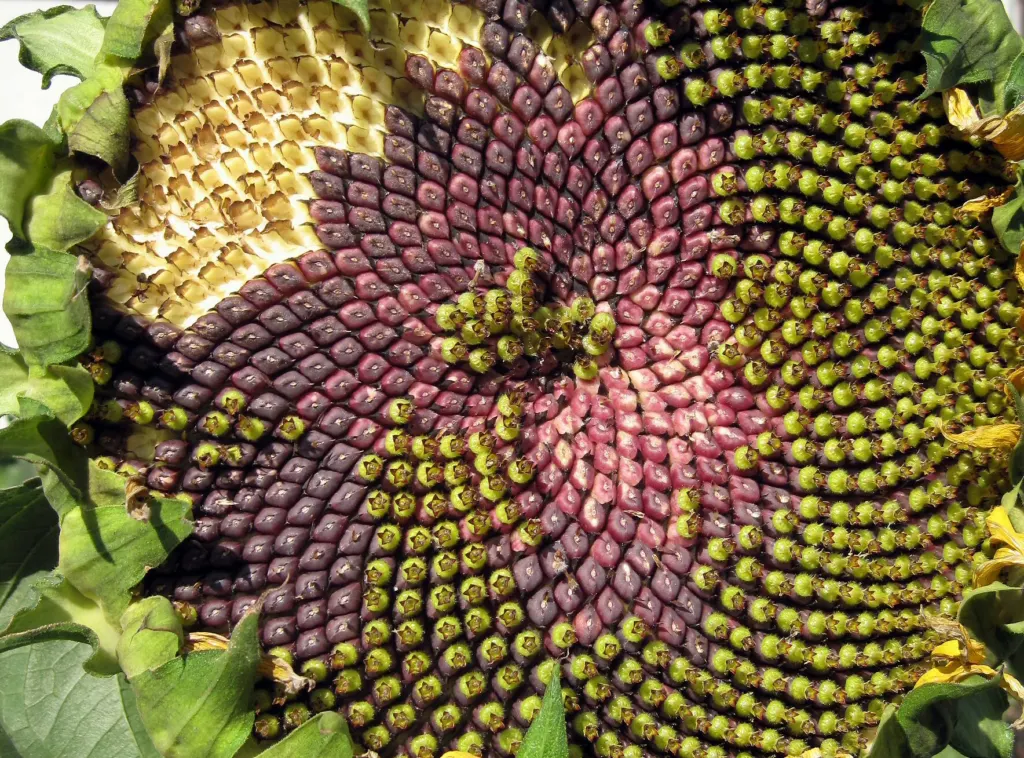
Sunflower spirals fit Fibonacci patterns in 632 of 768 counts in a 657-sunflower study, but about 18 percent did not, revealing how plant growth can vary.
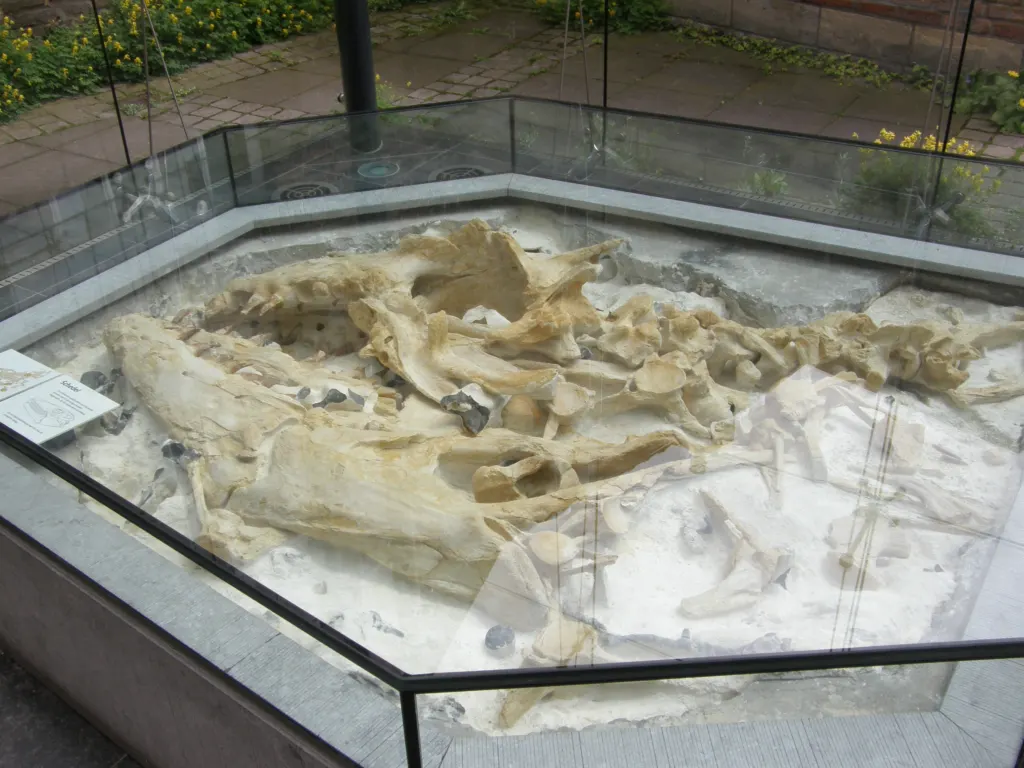
Prognathodon currii, a mosasaur from Israel, is known from one skull over 1.4 meters long, the largest in its genus, and may have reached 11 meters.
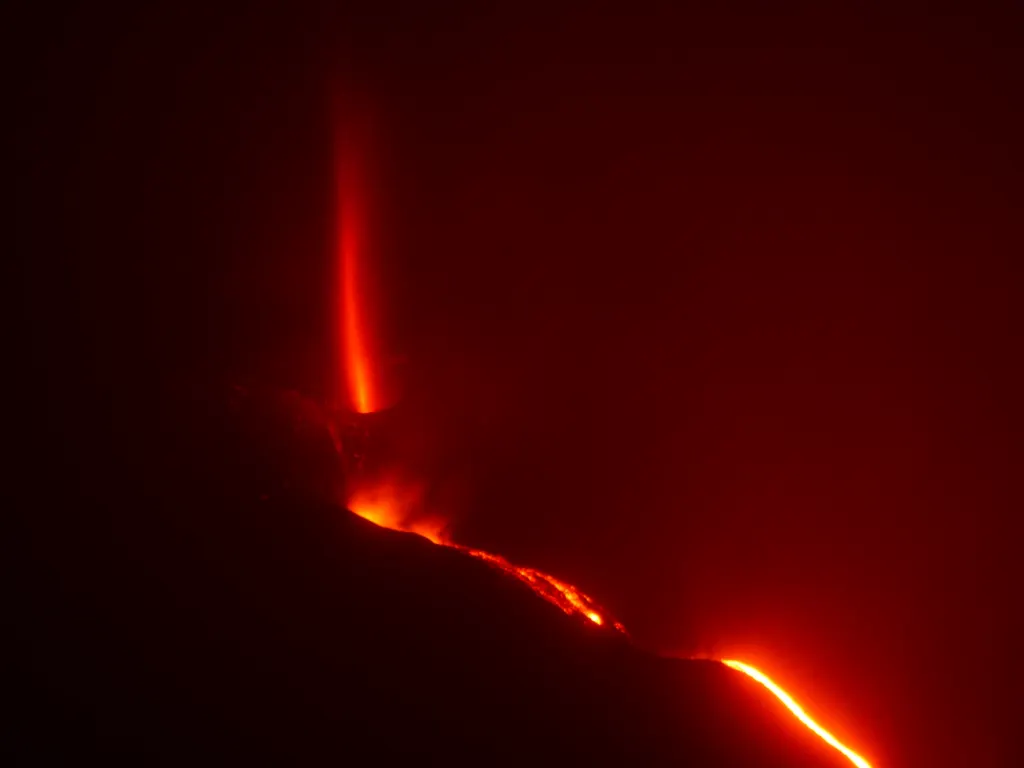
Superheated magma from La Palma’s 2021 eruption delayed crystal growth for over eight hours in lab tests, which may help explain towering lava fountains.
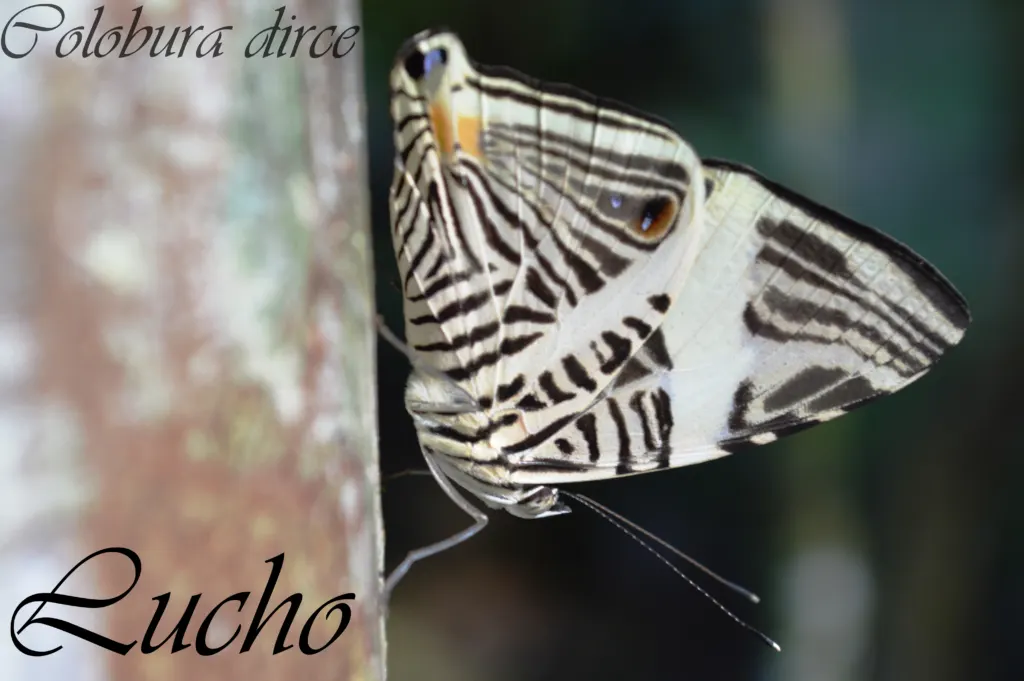
The zebra-striped Colobura butterfly, treated as one species since 1758, is really three, with Colobura cryptica named by Florida Museum biologists.
Dark energy may have been negative in the early universe and turned positive about 9.5 billion years ago, a teleparallel f(T) gravity model suggests.
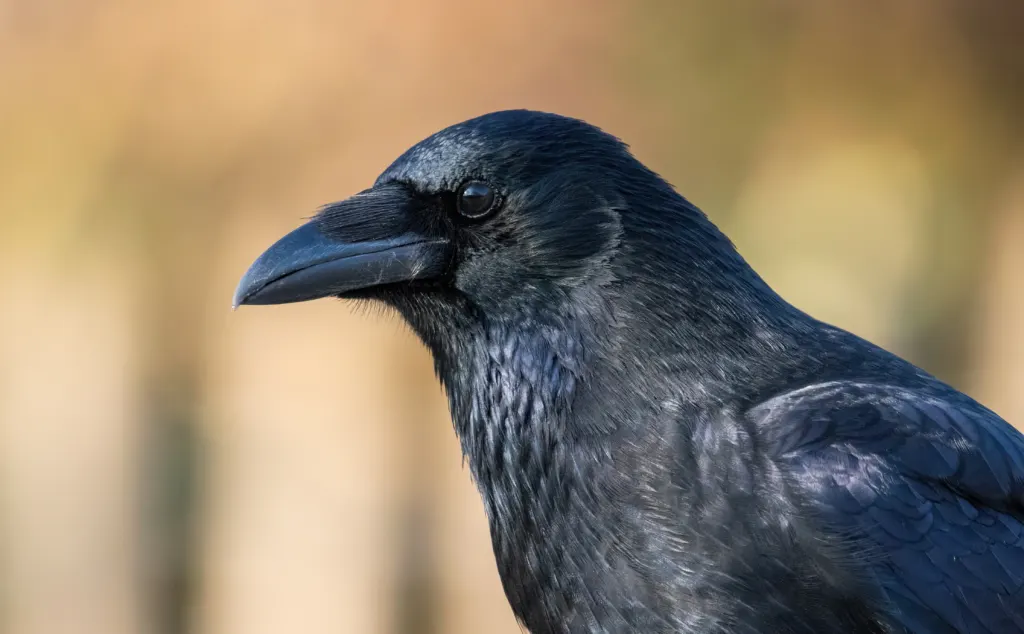
Carrion crows judged moving dots and pecked an answer in 235 milliseconds, twice as fast as humans and monkeys, a University of Tübingen study found.
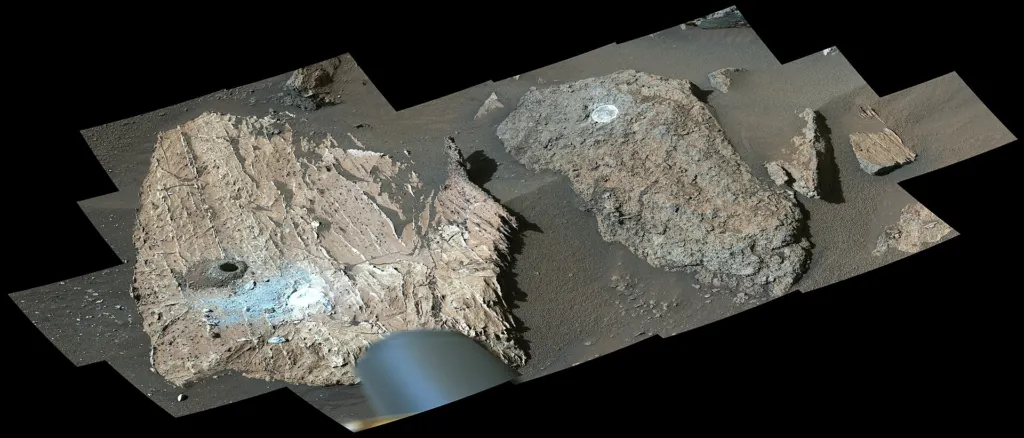
NASA’s Perseverance rover confirmed organic carbon in two ancient Bright Angel rocks on Mars, preserved just microns below the planet’s harsh surface.
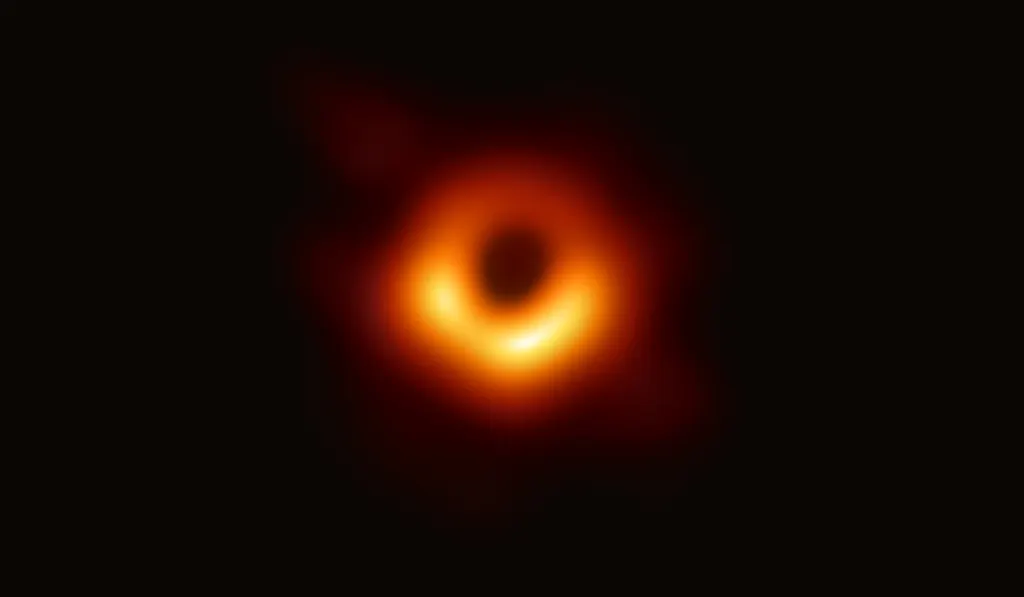
The Event Horizon Telescope’s first image of the M87 black hole has held up: 2018 data and outside reanalysis kept its ring the same size.
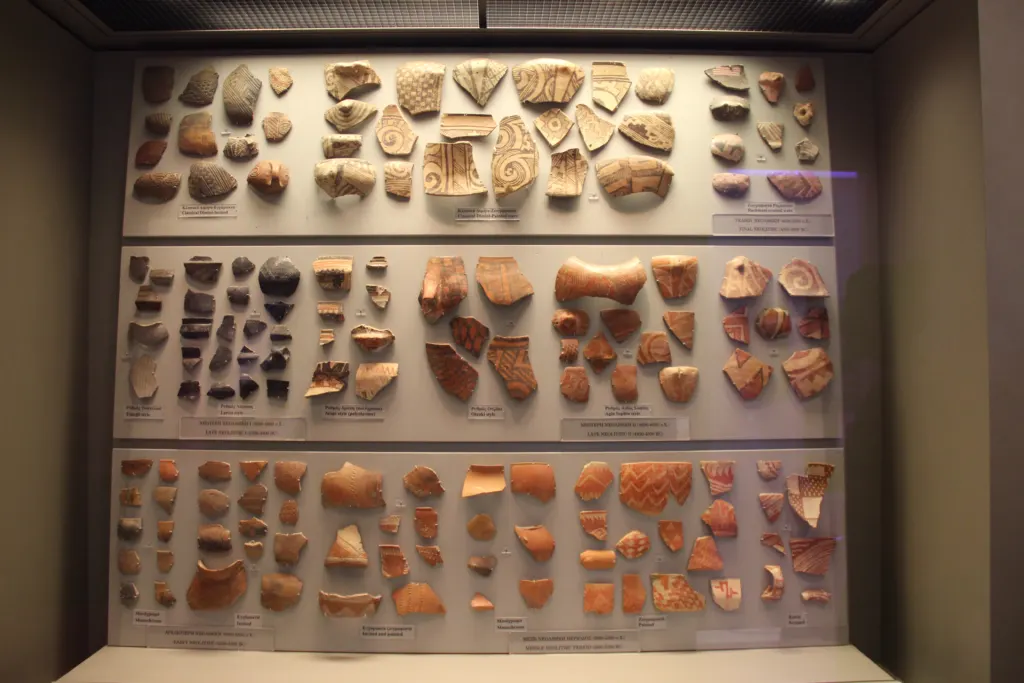
Clay fragments from Çemka Höyük in Türkiye were deliberately fired about 11,300 years ago, making them some of South-west Asia’s earliest pottery.
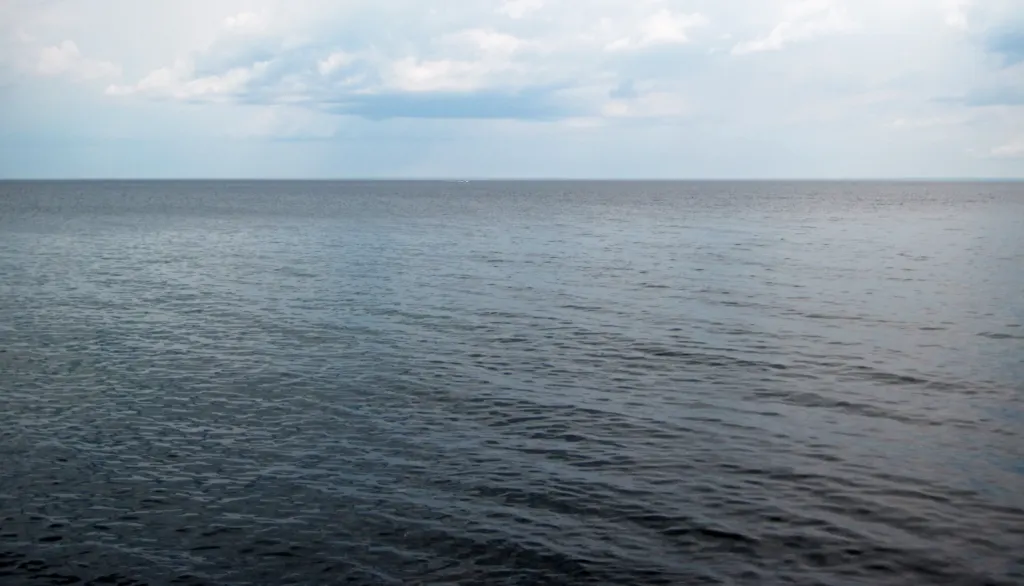
University of Minnesota Duluth plans five neutrino-hunting frames on the Lake Superior bed off Two Harbors for a trial of about one year.
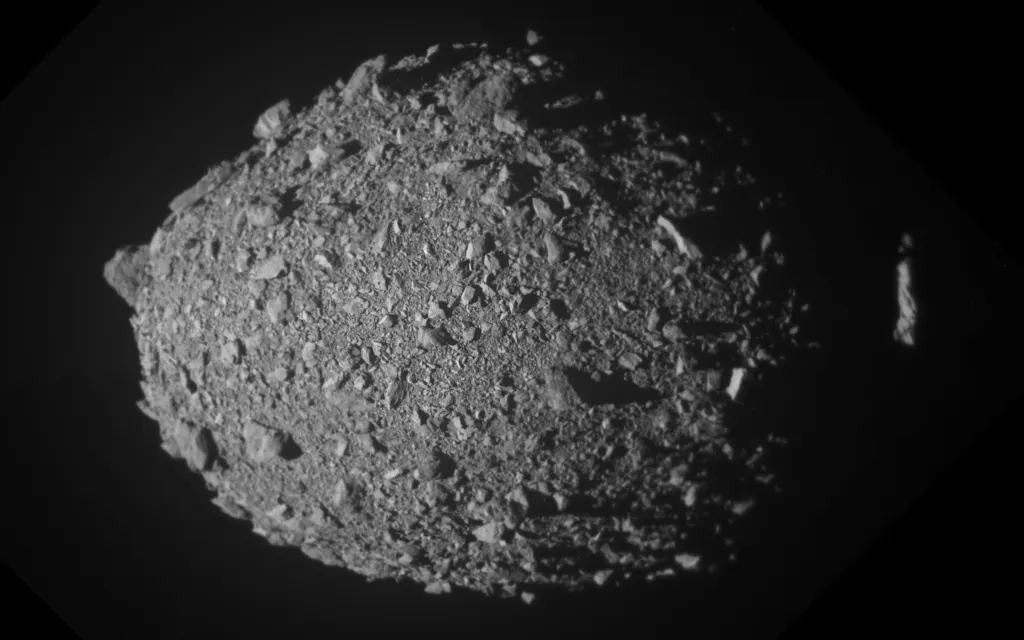
ESA’s Hera spacecraft began surveying Didymos and Dimorphos on November 11, four years after NASA’s DART probe struck the small asteroid moon.
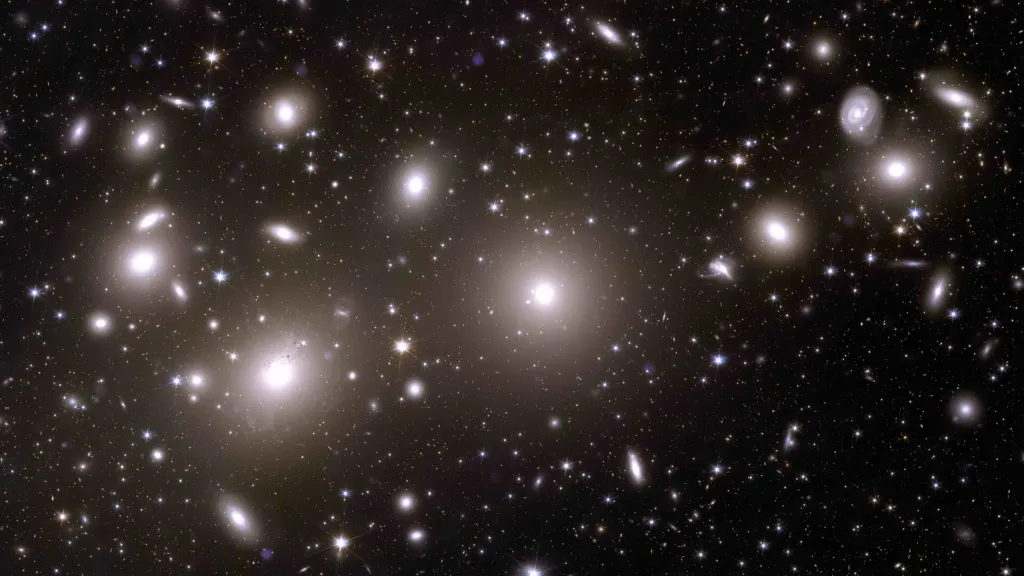
ESA’s Euclid telescope’s first images, released in November 2023, showed 1,000 Perseus Cluster galaxies and 100,000 more behind them.
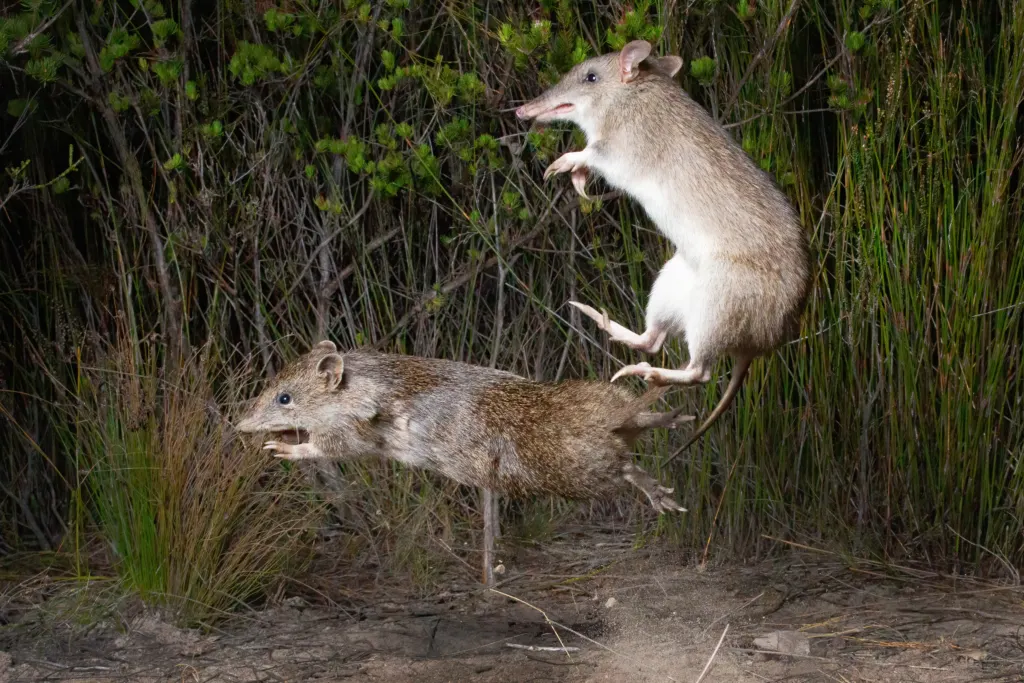
Crash bandicoot is also the name of an extinct Queensland marsupial, known from one 14.6-million-year-old jaw and named after the game in 2014.
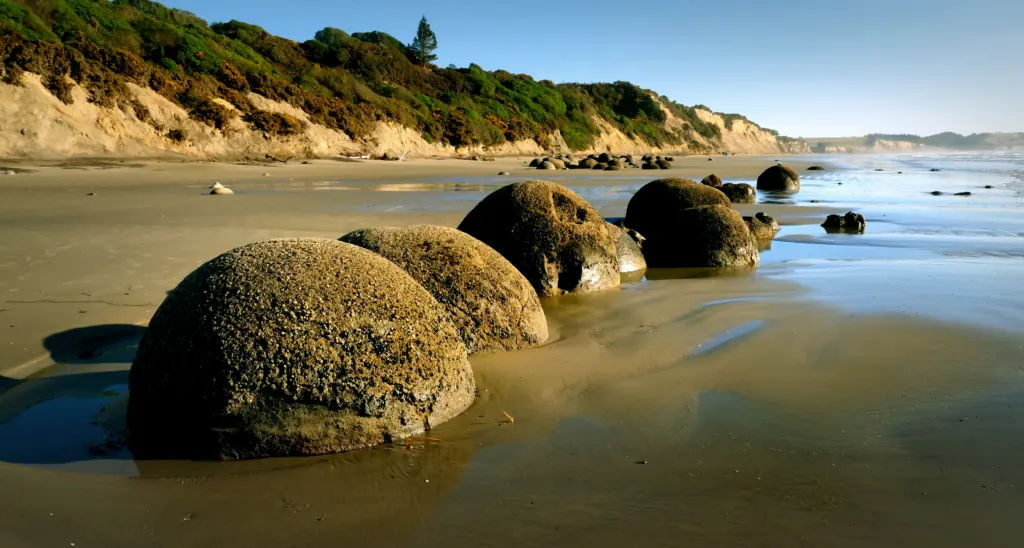
The Moeraki Boulders on New Zealand’s Otago coast are seafloor concretions; the largest, 2 meters wide, grew for 4 to 5.5 million years.
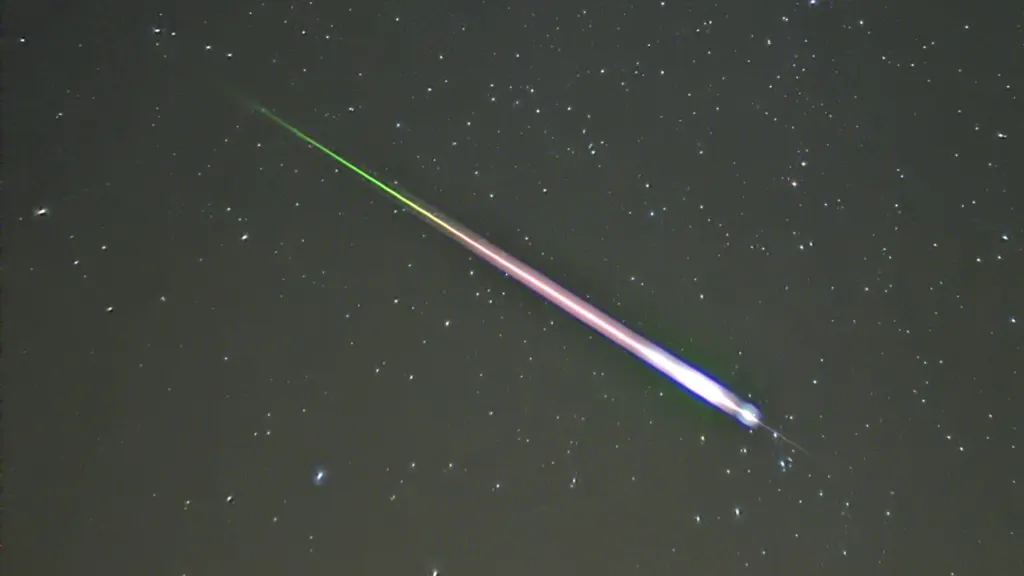
The Leonid meteor shower peaks around November 17, 2026, with the Moon setting before midnight; its fast meteors come from comet Tempel-Tuttle.
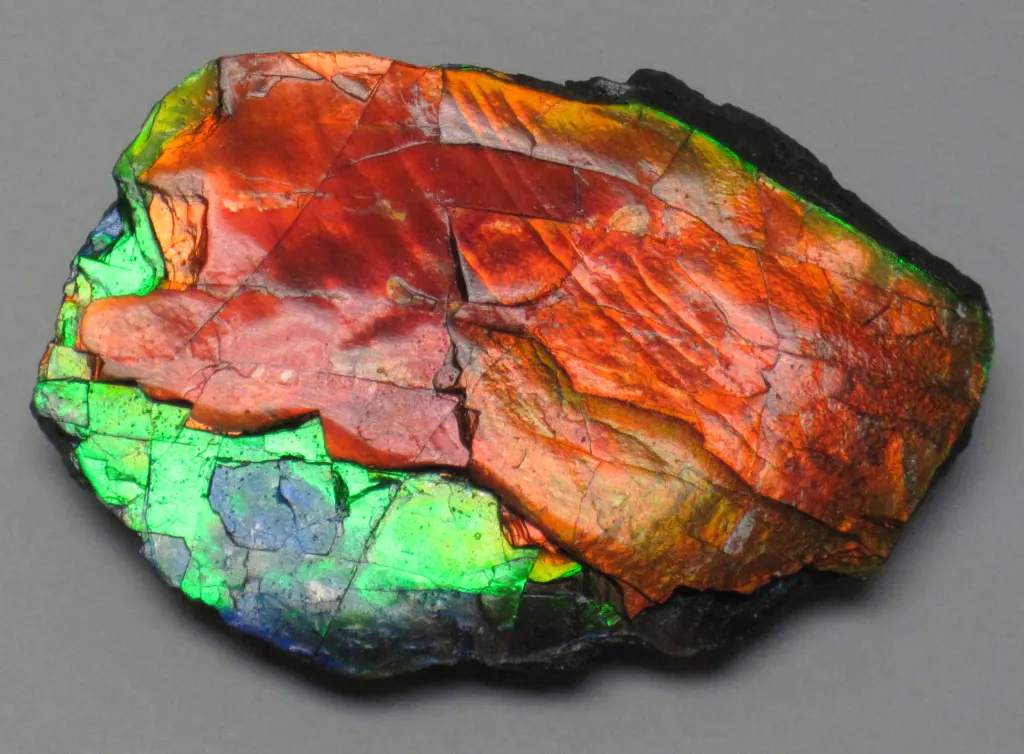
Ammolite, Alberta’s official gemstone, is fossil ammonite shell whose stacked aragonite layers split light into red, green and rare blue flashes.
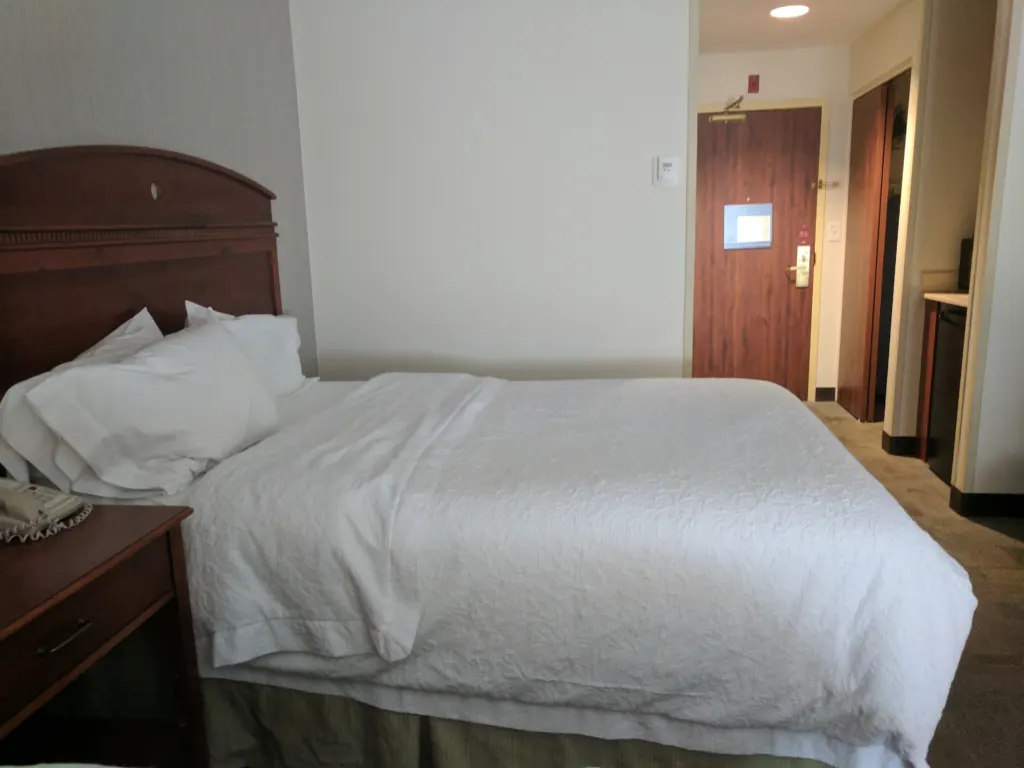
Hypnic jerks, or sleep starts, jolt 60% to 70% of people as they drift off; one unproven theory links them to primates falling out of trees.
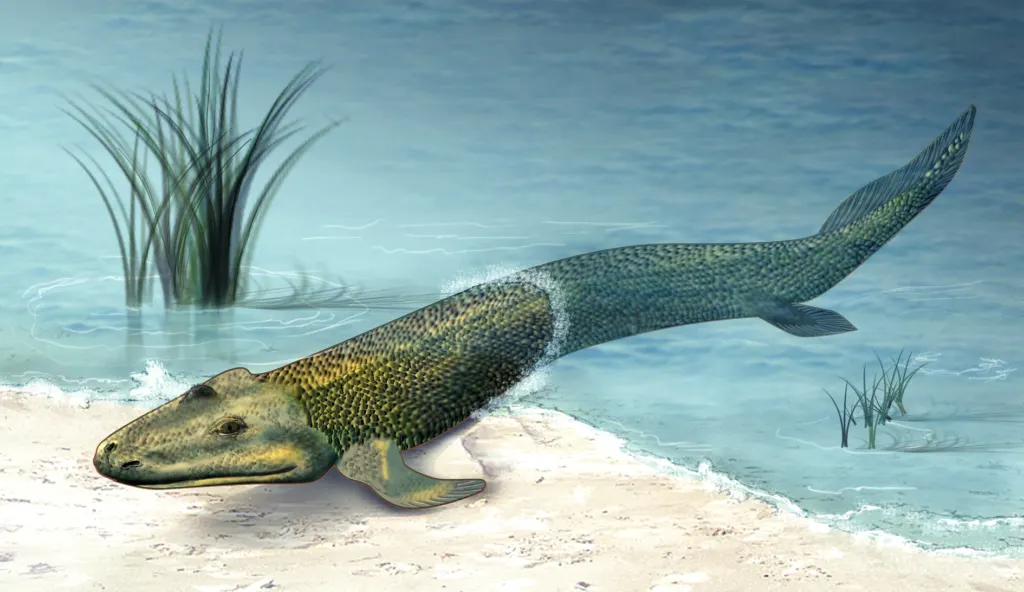
Tiktaalik could bend its neck only about 5.5 degrees, a Nature study finds, so early necks probably evolved for shoulder movement, not head-turning.
We use Google cookies to count readers and see which stories are useful (Analytics), and to show and measure ads (AdSense). They are set only if you accept. You can change your mind any time under “Privacy choices” at the foot of every page. Privacy policy
Your browser sends a Global Privacy Control signal. We treat it as “Reject”: nothing is stored for ads or analytics.