Hummingbirds survive cold nights in torpor; an Andean black metaltail cooled to a record 3.26C
Hummingbirds survive cold nights in torpor; in Peru's Andes a black metaltail cooled to 3.26C, the lowest body temperature recorded in a bird.
Trusted News Discovery – Powered by AI and Verified by Humans
Stories about pets, wildlife and the animals people are talking about, from viral rescues to what the science says.
Hummingbirds survive cold nights in torpor; in Peru's Andes a black metaltail cooled to 3.26C, the lowest body temperature recorded in a bird.
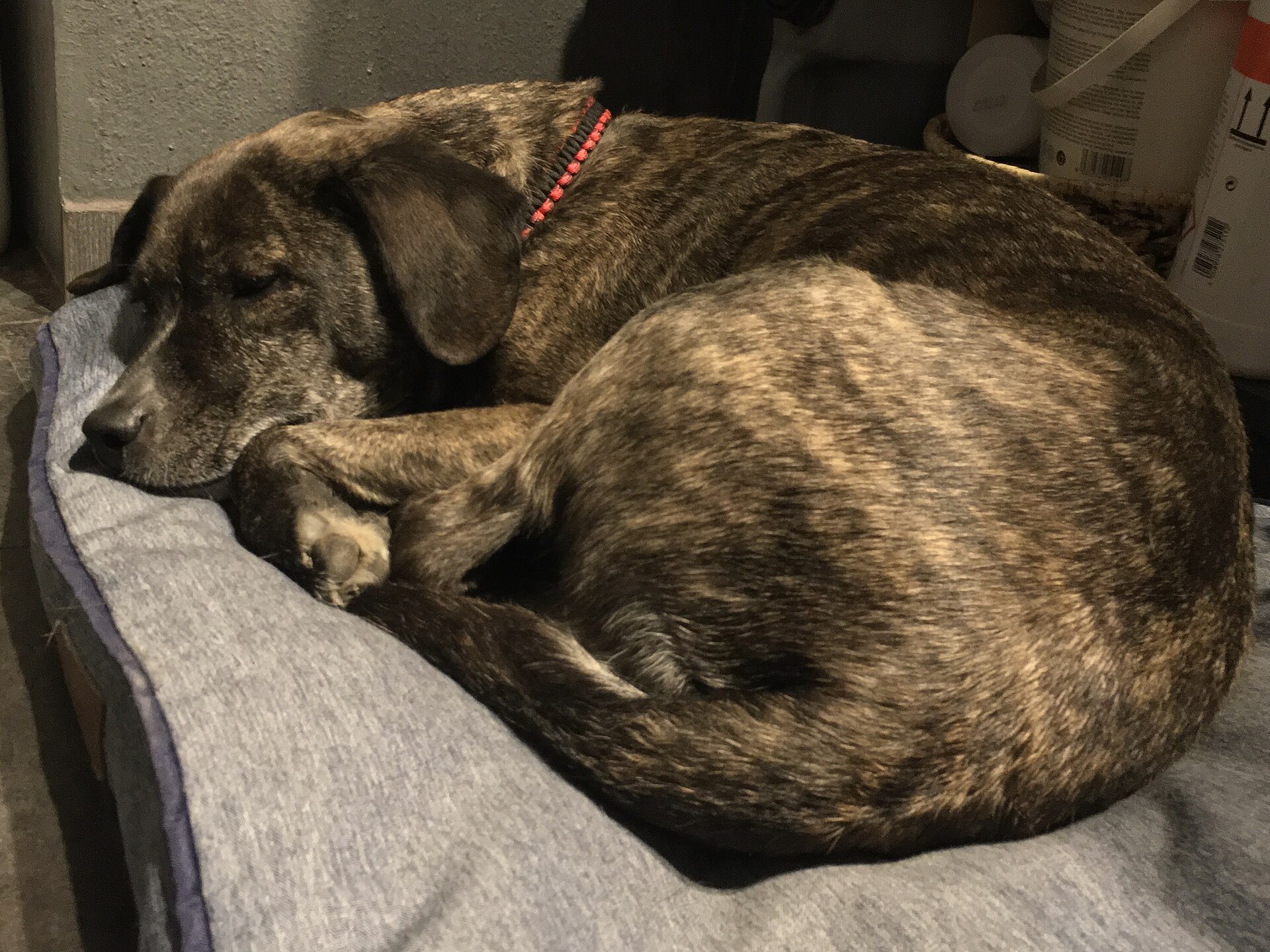
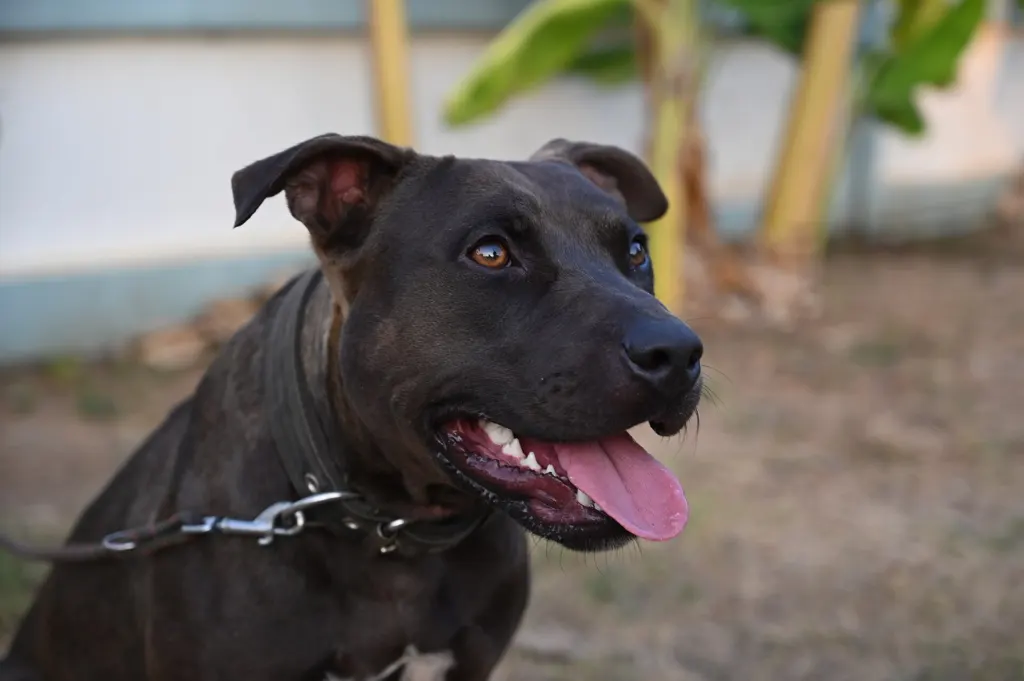
Dogs circle before lying down to flatten a bed: in Stanley Coren's 62-dog test, 55% circled on lumpy shag carpet and 19% on flat carpet.
Monarch butterflies fly up to 3,000 miles to winter in Mexico's oyamel fir forests, where up to a billion gather in 14 colonies.
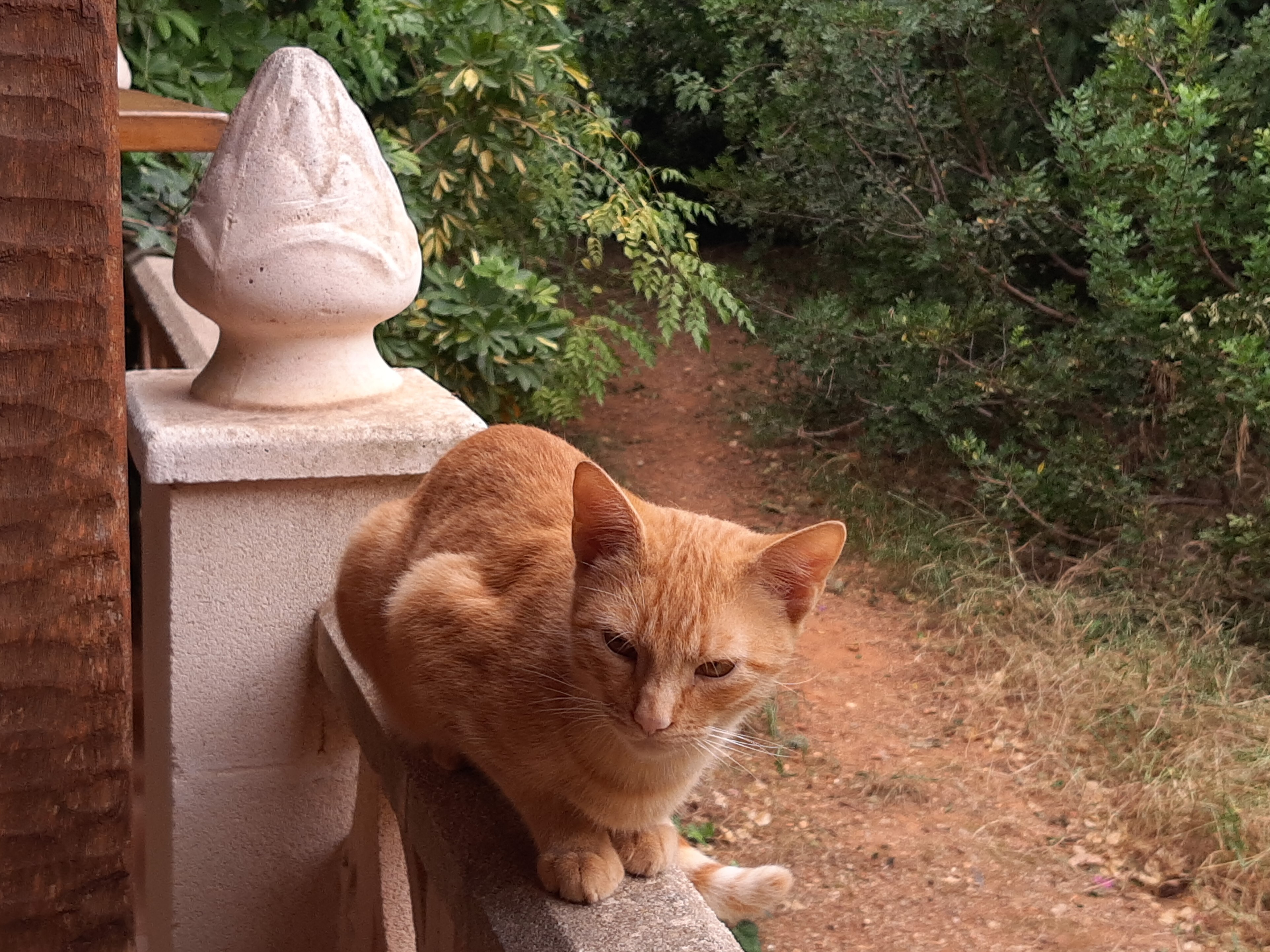
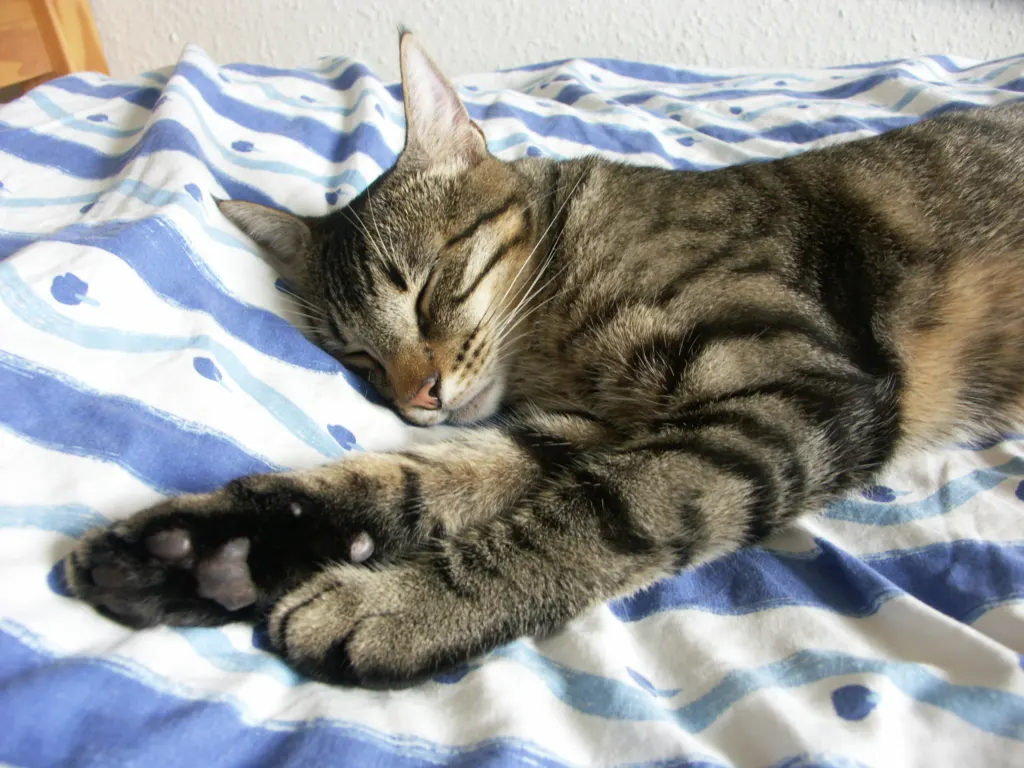
Cats given a hiding box in a Dutch shelter settled by day 3 instead of day 14, a 2014 Utrecht University study of 19 newly arrived cats found.
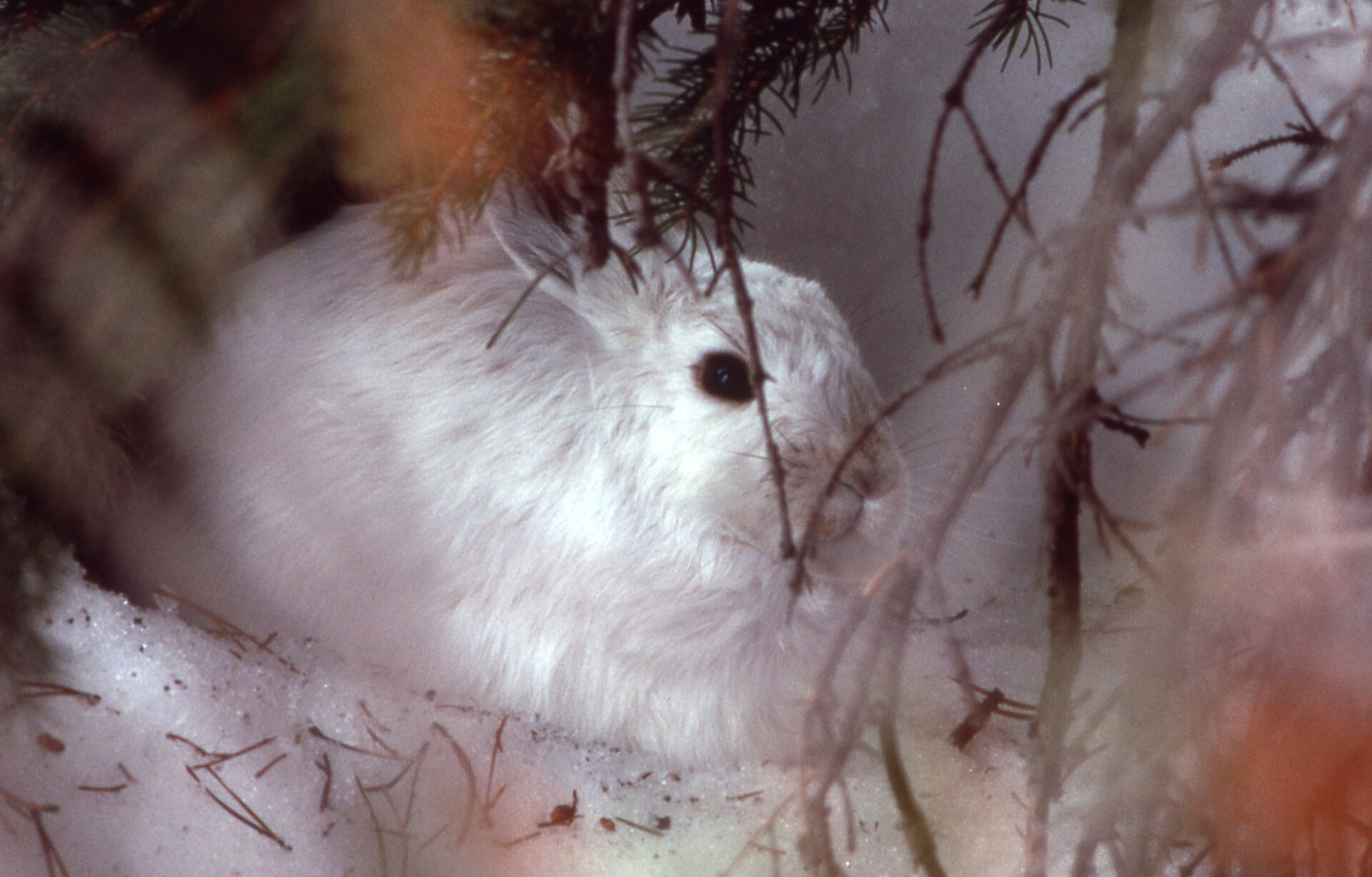
Snowshoe hares turn white each winter on a fixed schedule, and in one study hares mismatched with the ground lost up to 7% in weekly survival.
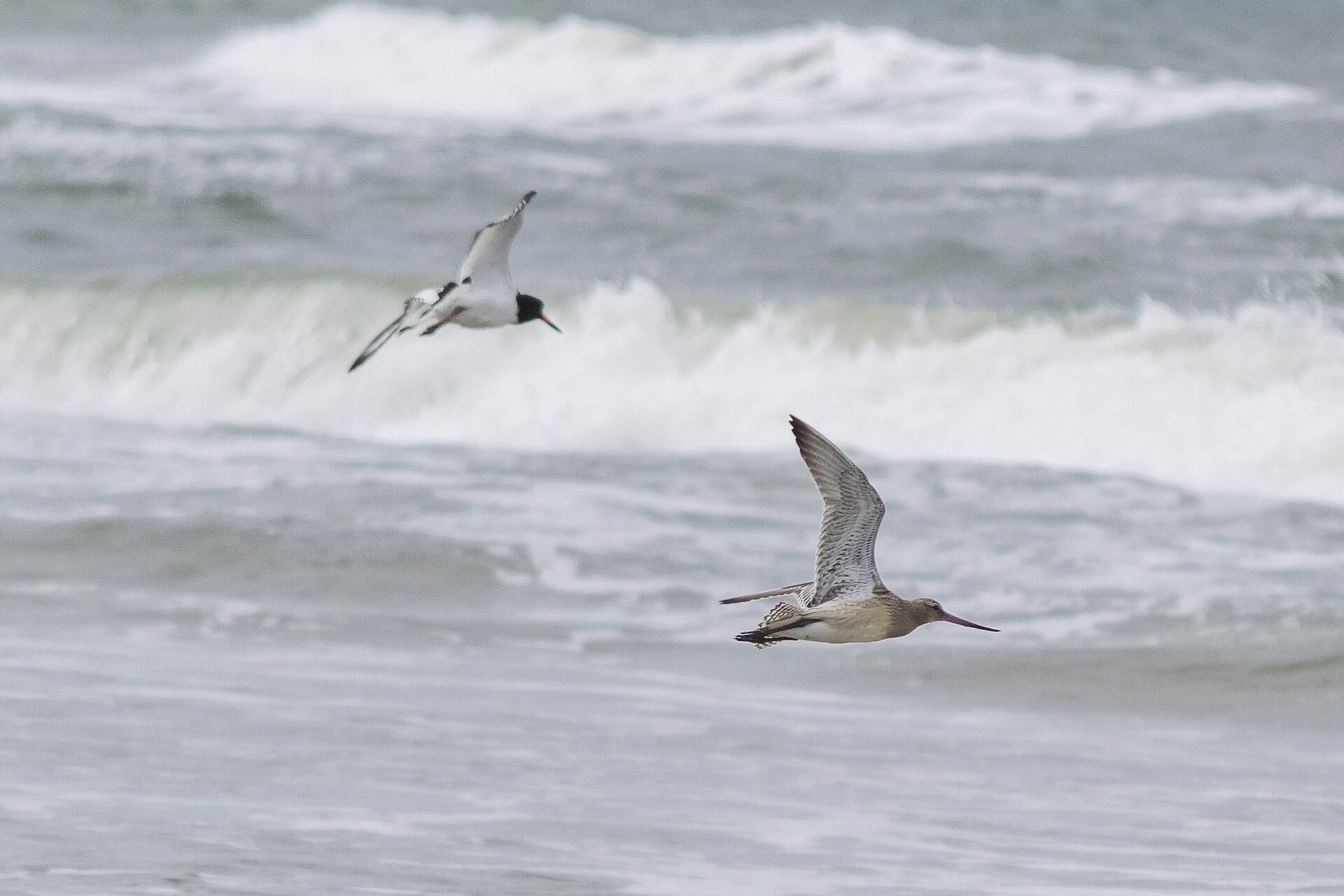
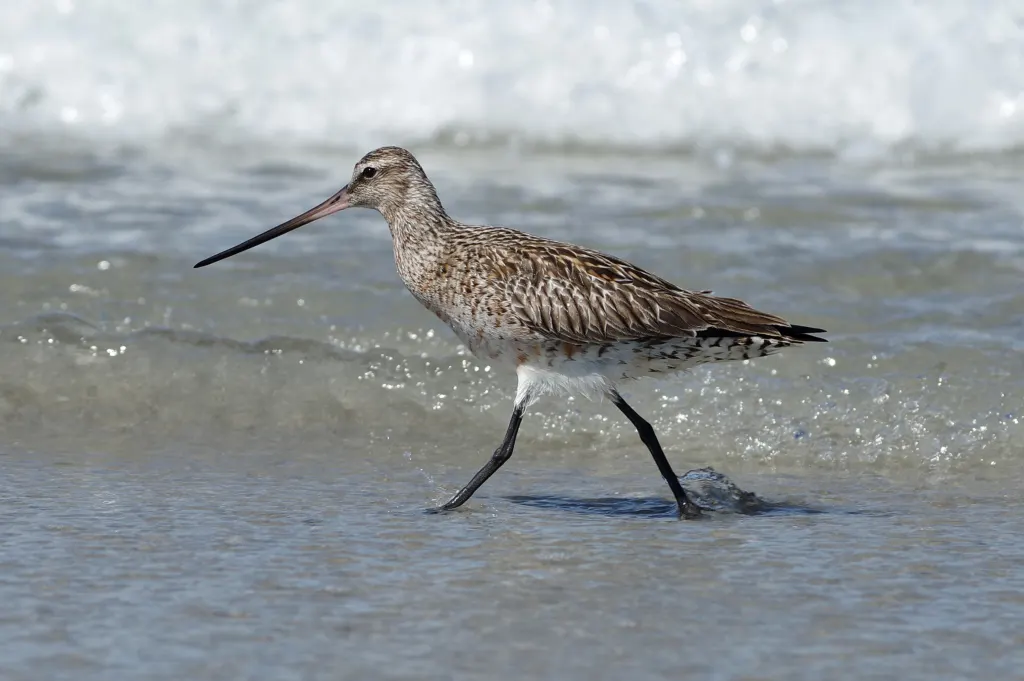
A bar-tailed godwit flagged B6 flew 13,560 km nonstop from Alaska to Tasmania in 2022, the longest recorded flight by a tagged bird.
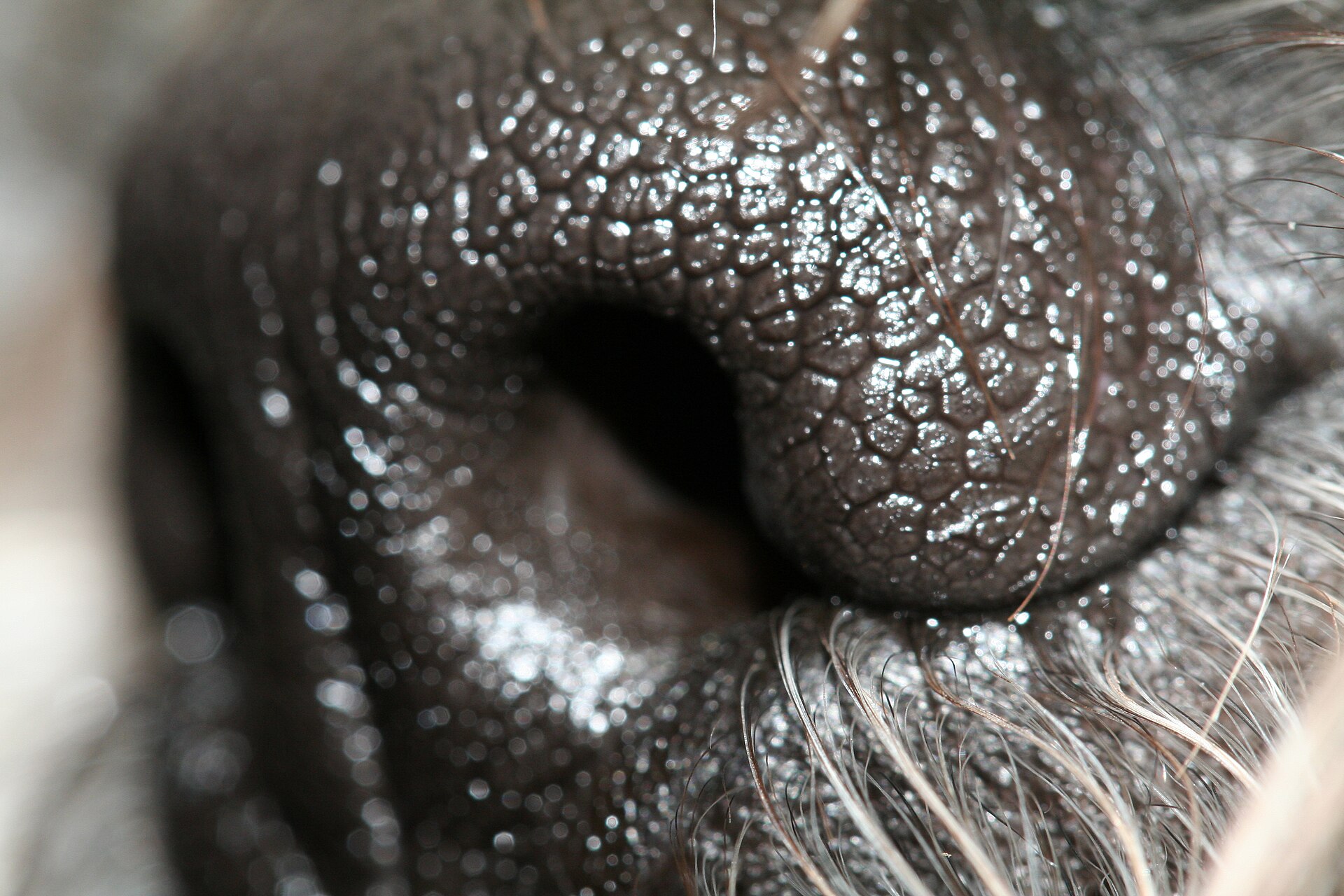
Dogs can sense weak heat with the cold, wet tips of their noses, a 2020 study of trained dogs in Lund and brain scans in Budapest found.
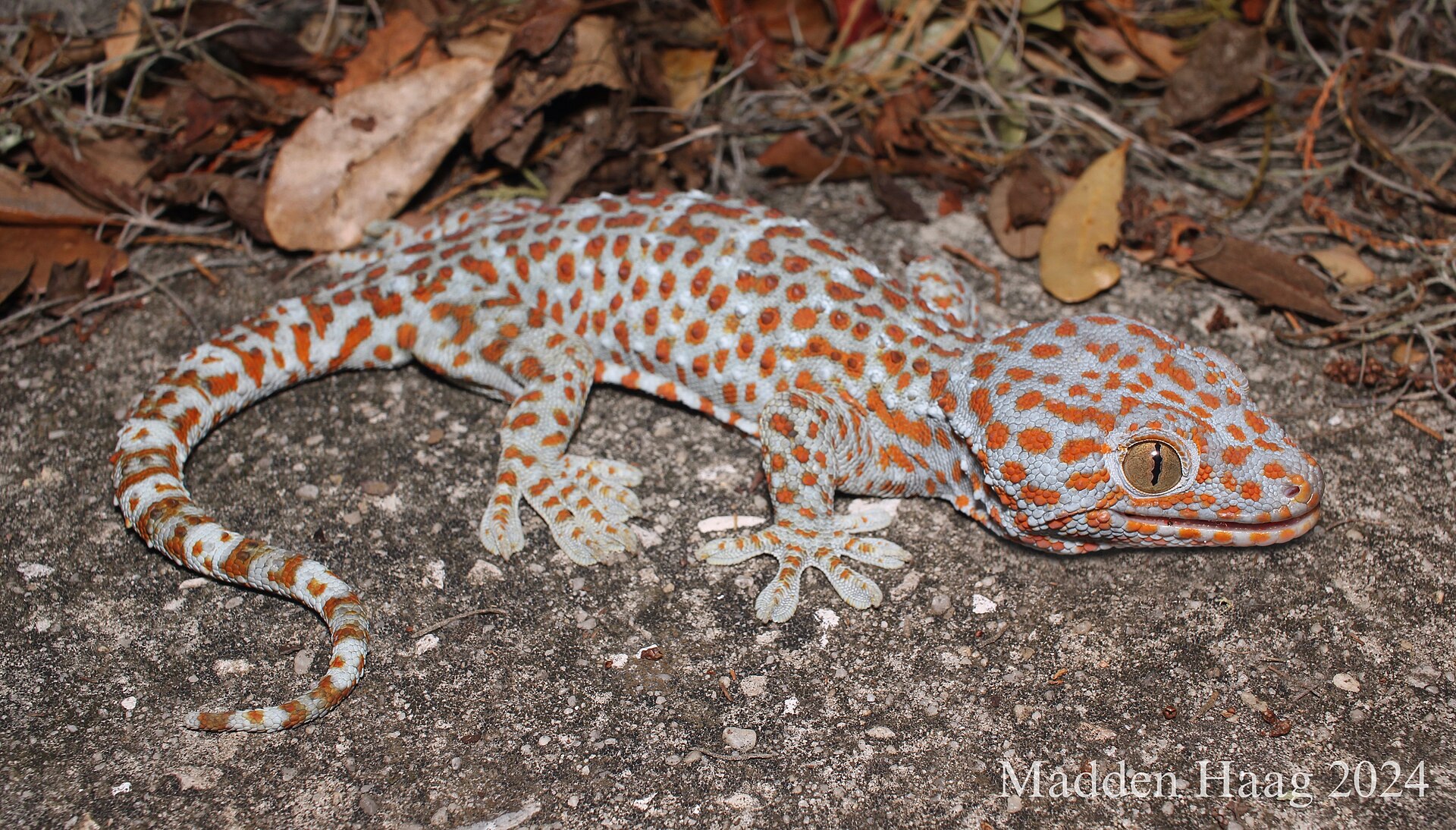
Gecko feet stick to walls using millions of split hairs called setae and van der Waals force, a 2002 PNAS study by Kellar Autumn's team showed.
Cats knock things off tables as part of normal play and investigation, not revenge, says the Cornell Feline Health Center at Cornell University.
Arthur, a satellite-tagged cuckoo from the British Trust for Ornithology, reached Gabon's Mwagné National Park, the last tracked cuckoo to arrive.
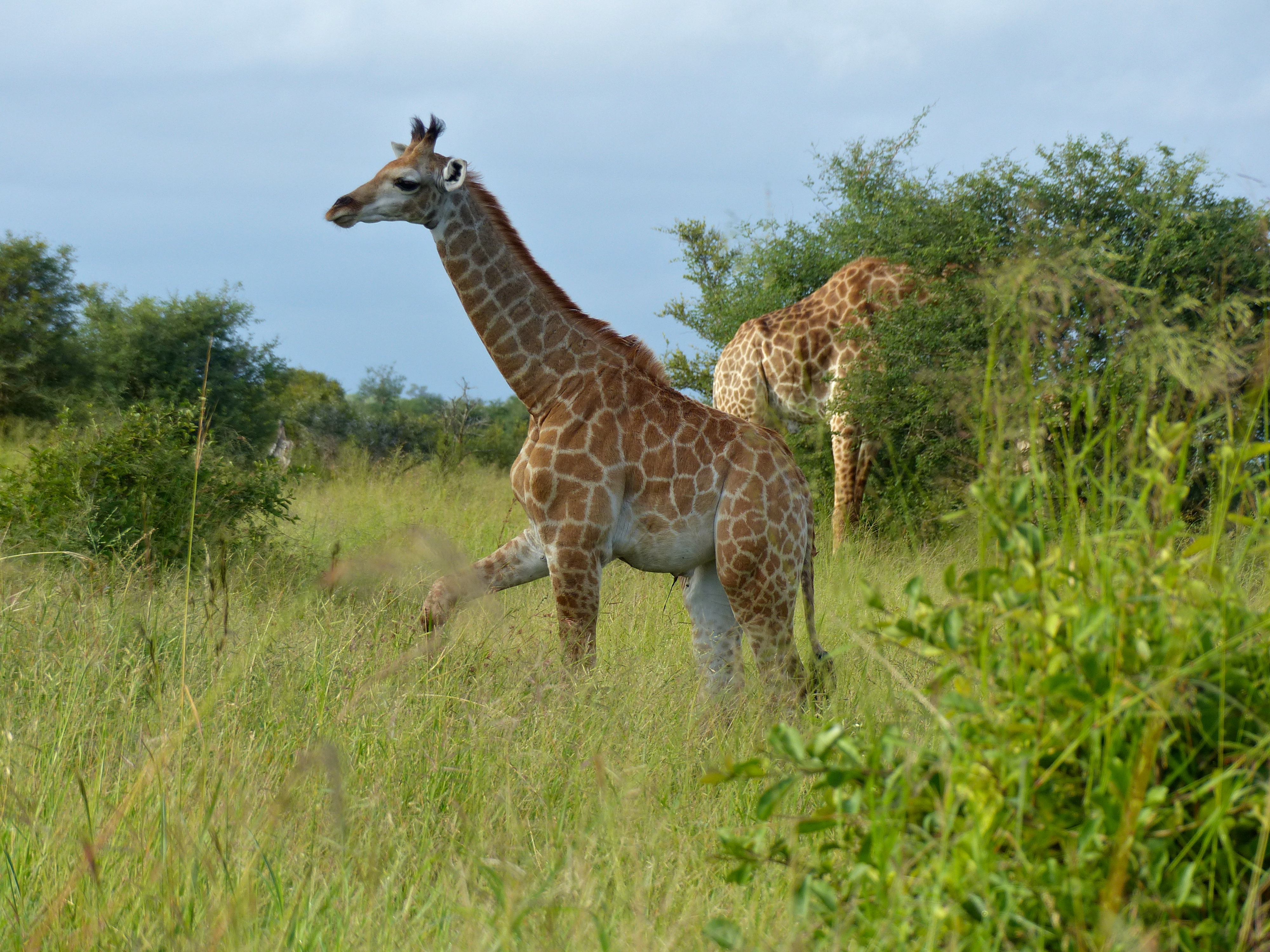
The Cincinnati Zoo's giraffe calf born November 16 is a girl, Tessa's fifth and last, and the public can enter to name her until November 24.
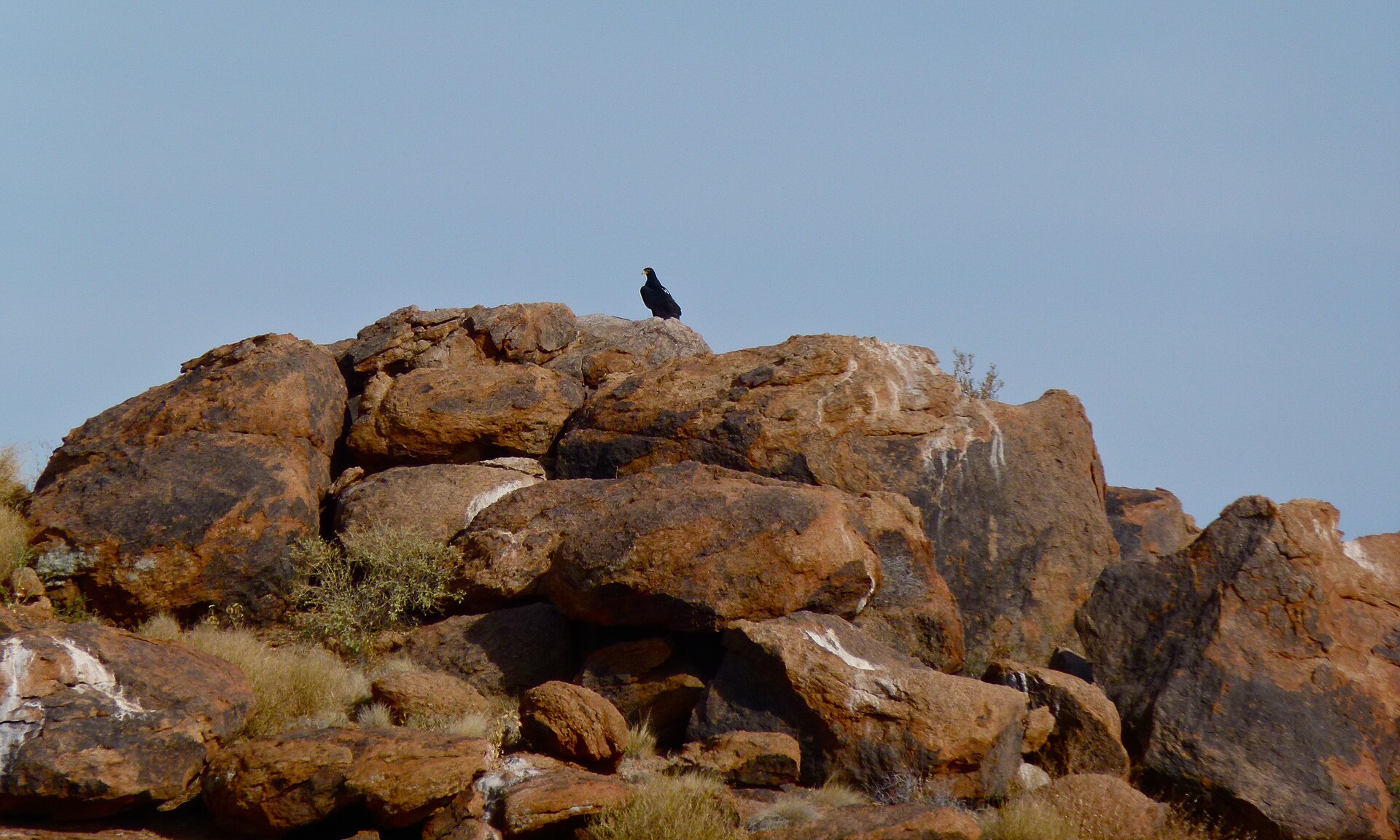
Verreaux's eagles in Chad's Ennedi reserve appear to kill adult male baboons weighing up to 26.2 kg (58 pounds), double the 13 kg confirmed record.
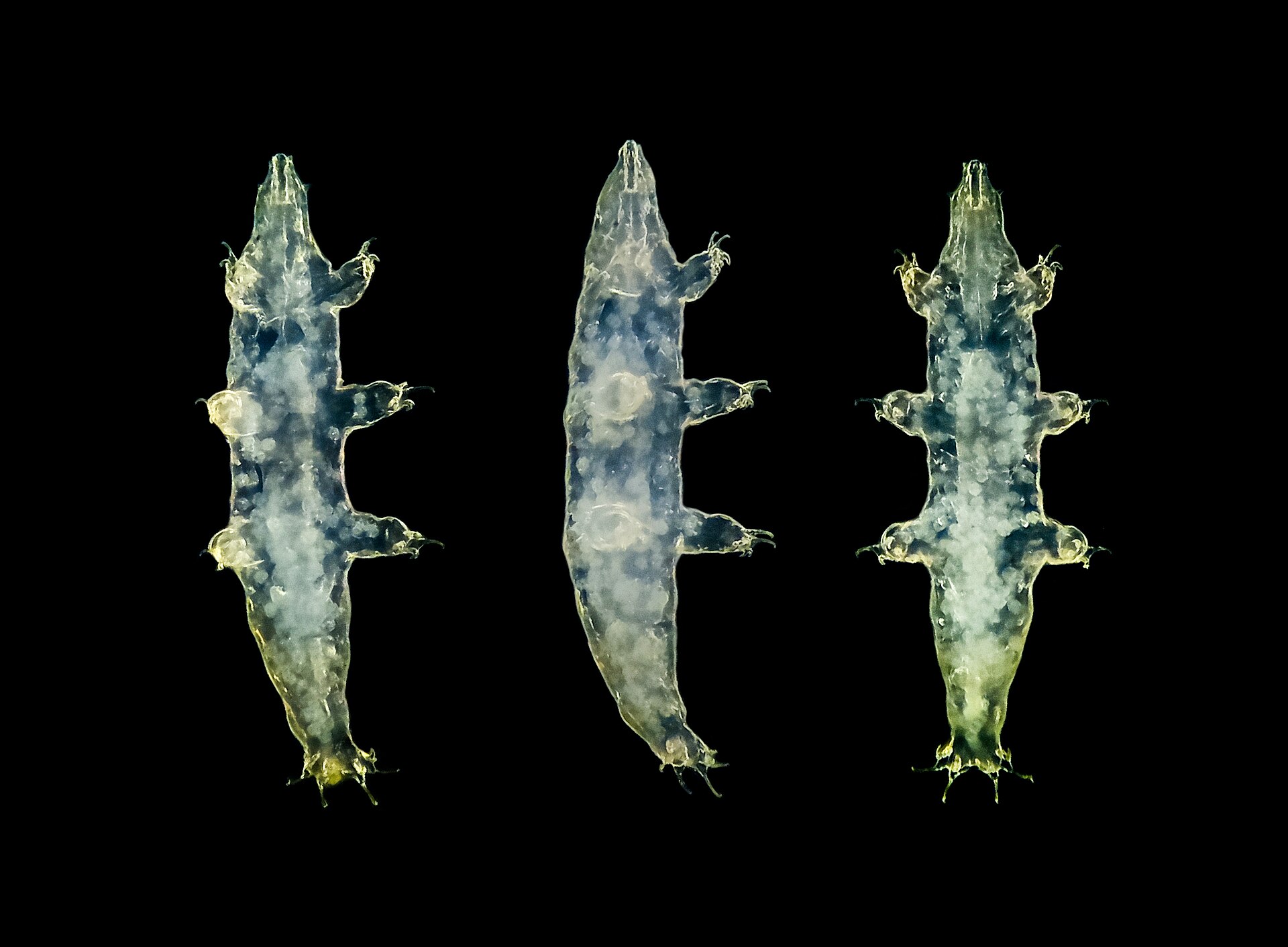
Two new armored tardigrade species turned up on Senghor Seamount off Cape Verde, where the summit held 212 water bears against 7 at a nearby deep site.
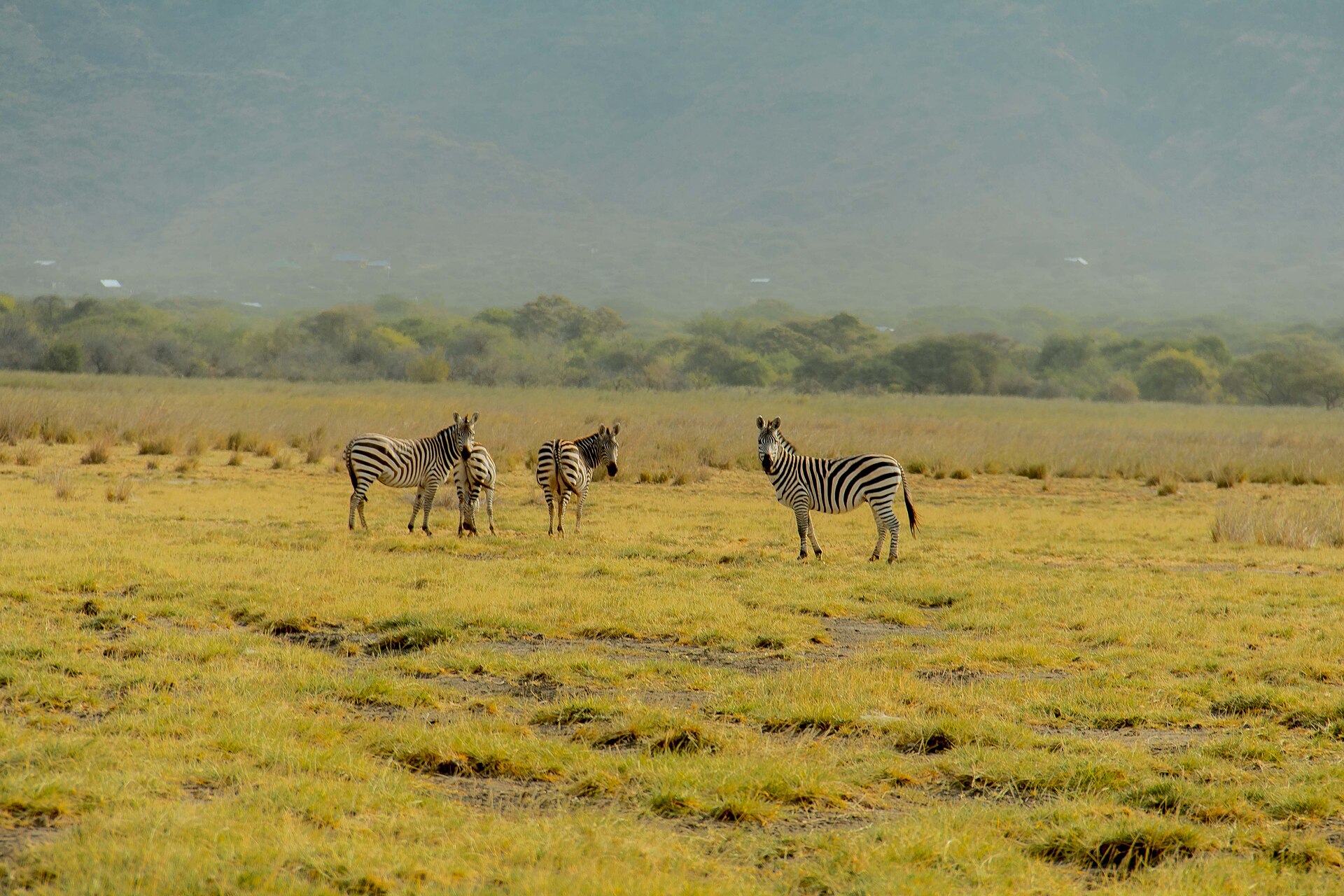
Zebra stripes stop horse flies from landing: in a UC Davis and Bristol farm study, flies probed horses 239 times in 11 hours and zebras not once.
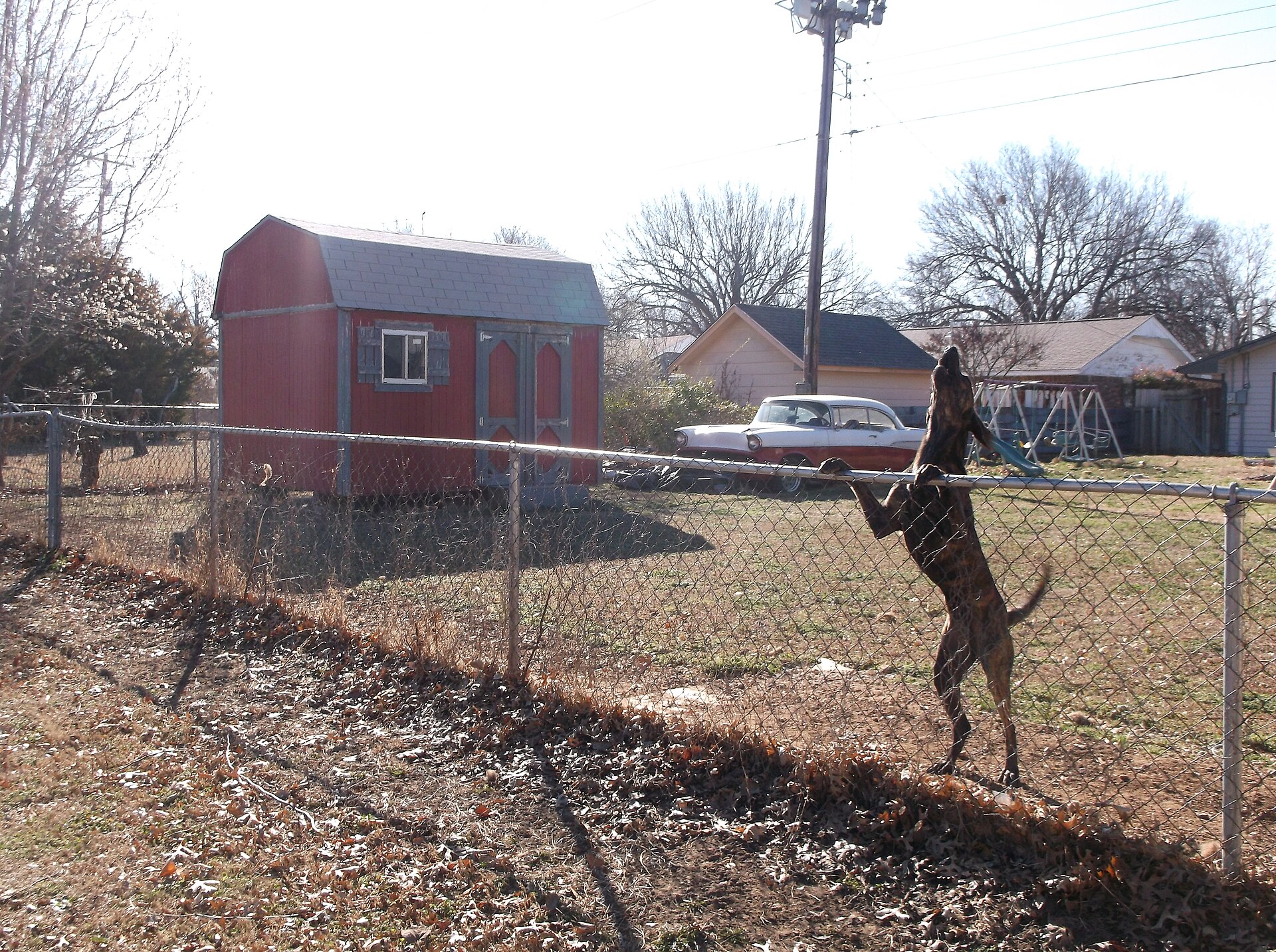
Dogs that howl at sirens may be answering like wolves: in a 68-dog ELTE test, older dogs of wolf-like breeds howled back at wolf calls the most.
Dogs see mainly blues, yellows and grays because their eyes have two types of color cones, a 1989 Visual Neuroscience study of three dogs found.
A cat’s tongue carries about 290 hollow spines that wick saliva and push it to the skin, a Georgia Tech study of six cat species found in 2018.
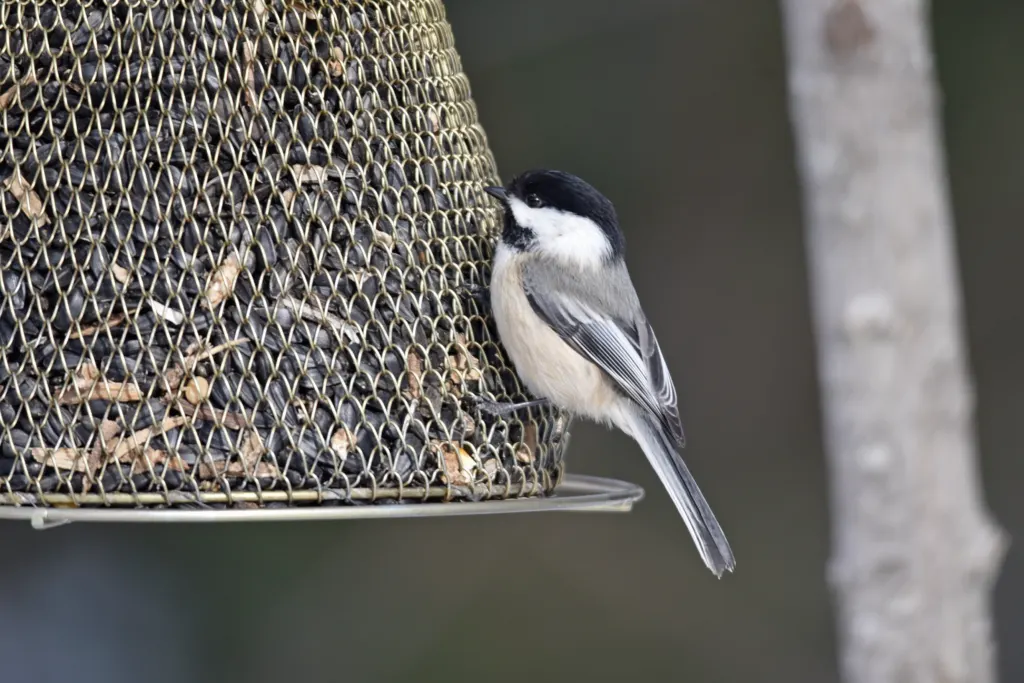
Project FeederWatch, the Cornell Lab and Birds Canada winter bird count, runs November 1 to April 30, and anyone with a view of birds can join.
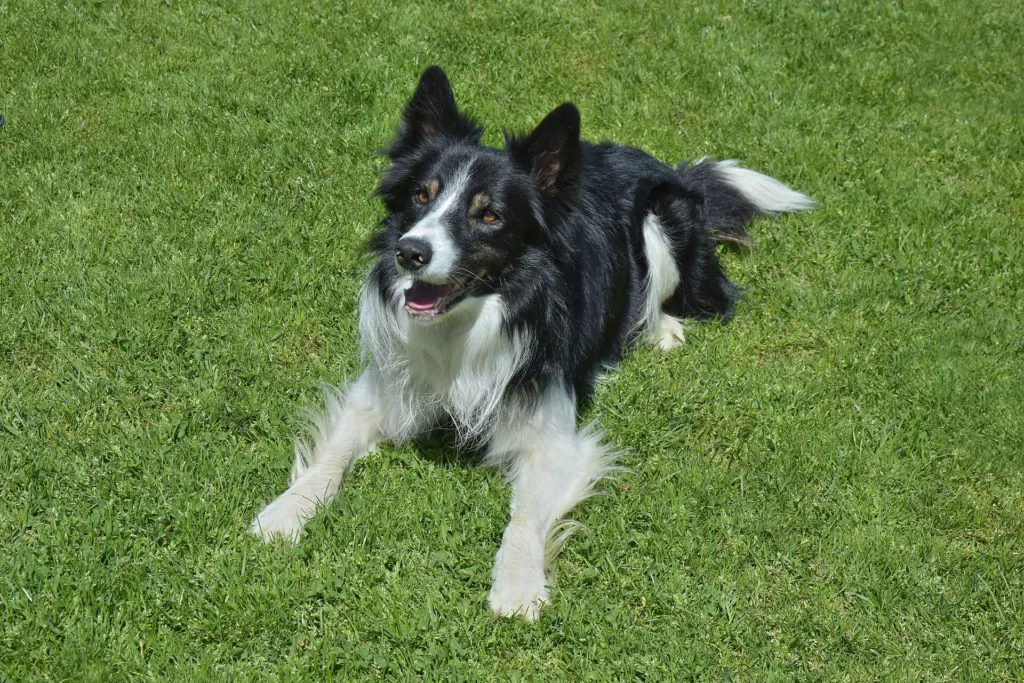
Dogs eat grass as a normal behavior, a 2008 survey of 1,571 plant-eating dogs found; only 9% looked ill beforehand and 22% often vomited afterward.
Cats can purr without brain signals driving each buzz: a Vienna study found eight cat larynges vibrated at 25 to 30 Hz thanks to pads in the vocal folds.
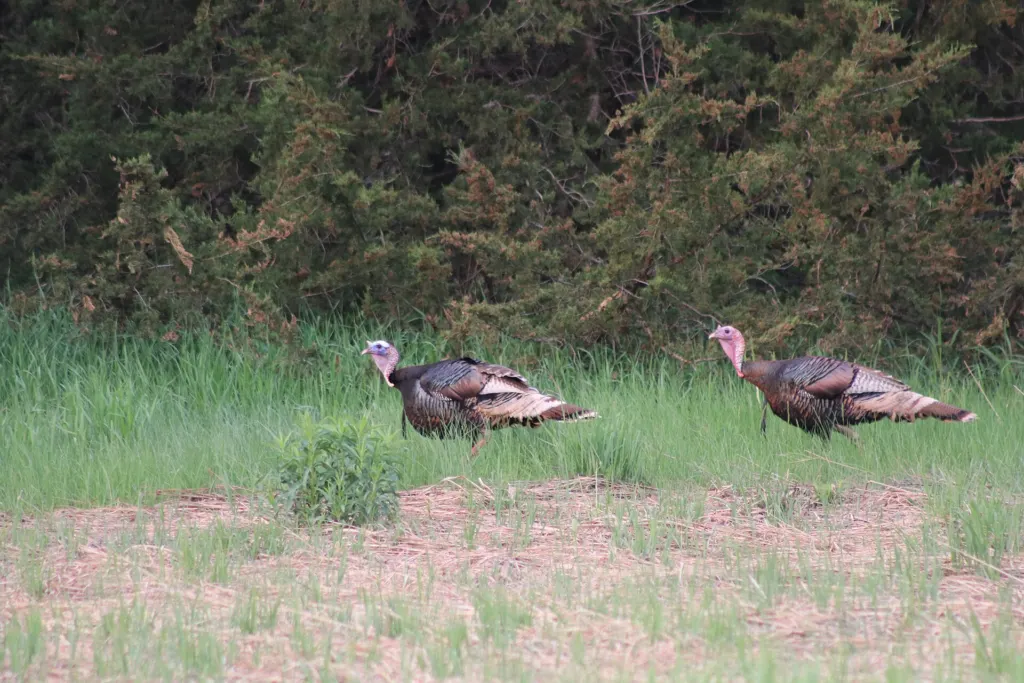
Wild turkeys have sharp daytime eyesight but very poor night vision, so they roost in trees at dusk; a tom’s gobble carries up to a mile.
Cats’ eyes glow because the tapetum lucidum, a mirror behind the retina, reflects nearly 130 times more light than a human eye and boosts night vision.
Dogs wag their tails more to the right toward their owners and more to the left at unfamiliar dogs, and other dogs react to the difference, studies found.
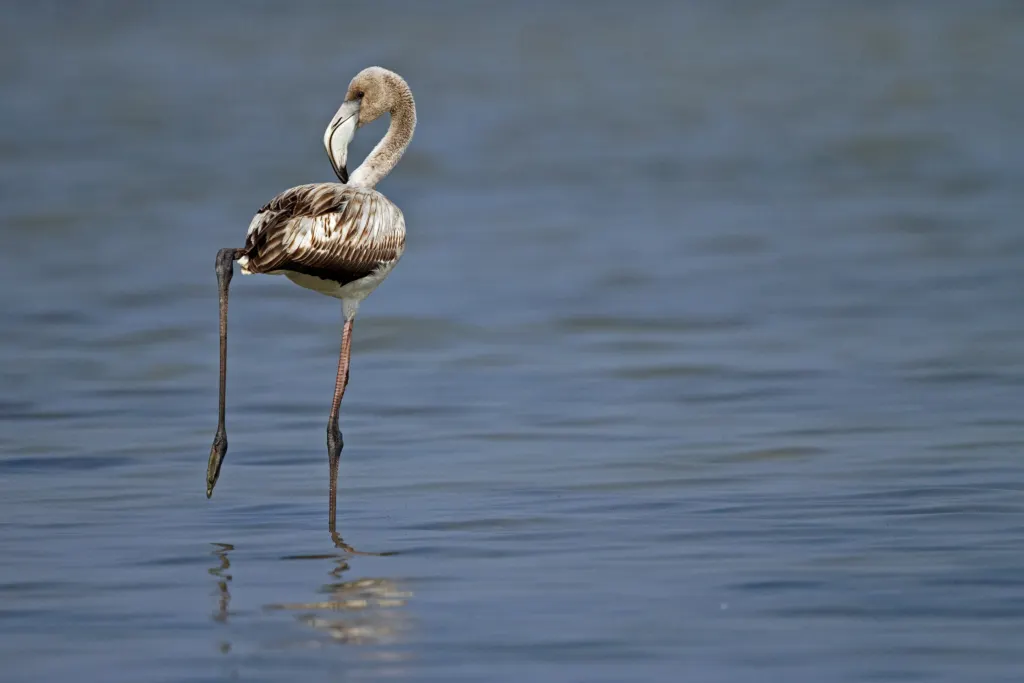
Flamingos stand on one leg because body weight locks the leg in place with almost no muscle effort, a 2017 Georgia Tech and Emory study found.
Phil, a bar-tailed godwit tagged on Norfolk’s Wash, flew about 6,800 miles to Siberia’s Taymyr Peninsula and back, the RSPB said on November 17.
We use Google cookies to count readers and see which stories are useful (Analytics), and to show and measure ads (AdSense). They are set only if you accept. You can change your mind any time under “Privacy choices” at the foot of every page. Privacy policy
Your browser sends a Global Privacy Control signal. We treat it as “Reject”: nothing is stored for ads or analytics.