Most dogs that eat grass are not sick. In the largest owner survey on the habit, only 9% of plant-eating dogs were said to look unwell beforehand, and only 22% regularly threw up afterward, which undercuts the popular idea that dogs graze to make themselves vomit.
The figures come from a 2008 study in Applied Animal Behaviour Science, “Characterisation of plant eating in dogs”, by Karen Sueda, Benjamin Hart and Kelly Cliff, work funded by the University of California, Davis.
How common is it?
Very. The team first questioned owners of healthy dogs visiting the outpatient service of a veterinary teaching hospital for routine care. Of 47 owners whose dogs had daily access to plants, 79% said their dog had eaten grass or other plants.
The researchers then ran an online survey aimed at owners of plant-eating dogs. According to the study record in the UN Food and Agriculture Organization’s AGRIS database, 3,340 surveys came back and 1,571 met the entry rules. The main results:
- 68% of the dogs ate plants daily or weekly; the rest did so once a month or less.
- Grass was the plant eaten most often, by 79% of dogs.
- Only 9% frequently seemed ill before eating plants.
- Only 22% frequently vomited afterward.
The vomiting myth, in numbers
Put those figures side by side and the old explanation shrinks. If 22 in every 100 grass-eating dogs regularly vomit afterward, then about 78 in every 100 usually keep it down. And for a dog that rarely looks ill first, the grass can hardly be a planned cure.
The survey found no link with sex, neutering, breed group or diet. Age mattered most. Younger dogs ate plants more often, ate more non-grass plants, and were less likely to look ill before or vomit after. The authors concluded that plant eating is a normal behavior of domestic dogs.
What a vet school says
Veterinarians still describe the reason as uncertain. Maria Verbrugge, a clinical instructor of primary care at the University of Wisconsin School of Veterinary Medicine, put it this way in the school’s explainer on dogs eating grass: “Sometimes when animals are nauseous, they are more likely to eat grass, but not always.” She added: “Dogs are scavengers so it’s not uncommon for them to try things.”
Limits of the evidence
The 2008 work rests on what owners reported, not on direct observation, and the online survey was aimed at owners whose dogs already ate plants, so it describes those dogs rather than all dogs. It shows grass eating is common and usually uneventful; it does not settle why dogs do it.
More dog behavior, explained
Dogs bring plenty of puzzling habits indoors and out. Badiyaa has explained why dogs scratch the ground after pooping, why dogs sneeze during rough play and why dogs twitch in their sleep.
Sources
- “Characterisation of plant eating in dogs”, Applied Animal Behaviour Science, 2008
- “Characterisation of plant eating in dogs (AGRIS record)”, Food and Agriculture Organization of the United Nations, 2008
- “Dog’s Weirdest Snack: Grass”, University of Wisconsin School of Veterinary Medicine, 2023
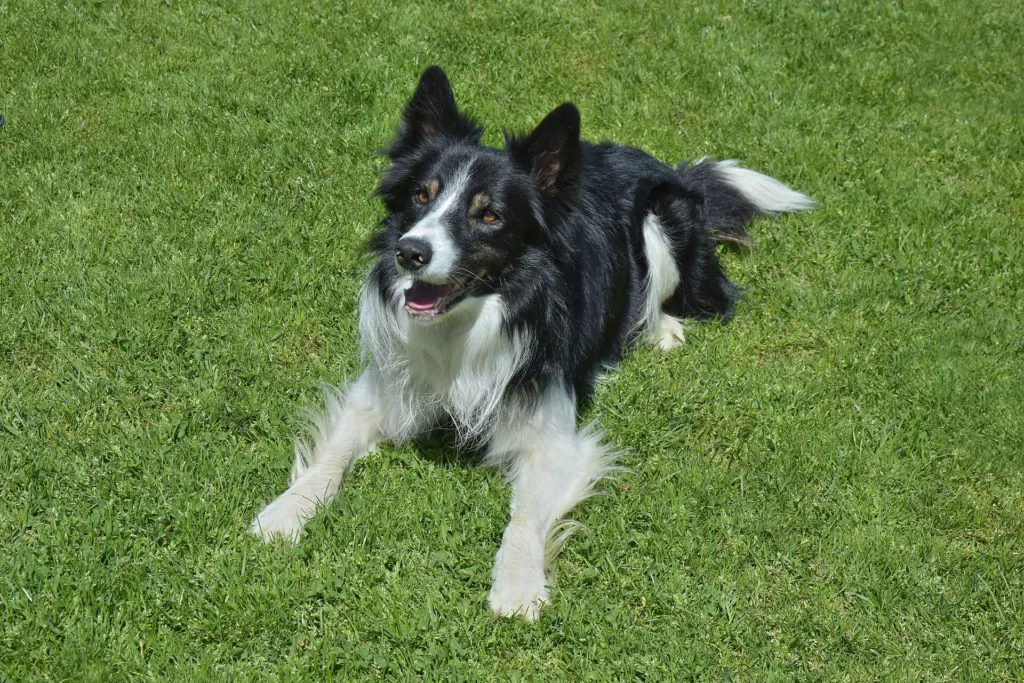
Image: Joselodos, CC0 via Wikimedia Commons
This article was produced with AI assistance and reviewed by our Editorial Desk. How we work.