Signal blocks screenshots on iOS 27 and Android when AI assistants try to read your chats
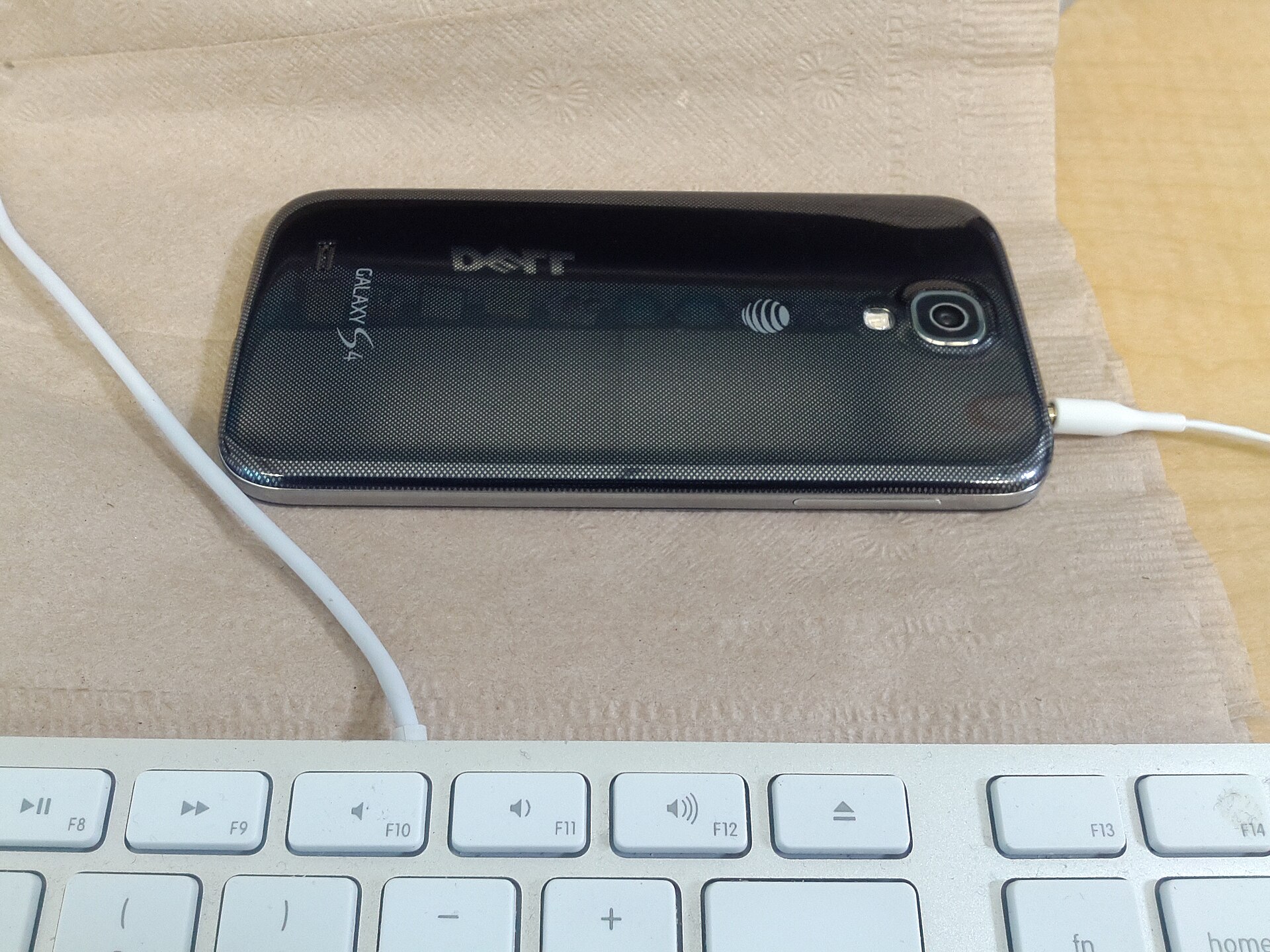
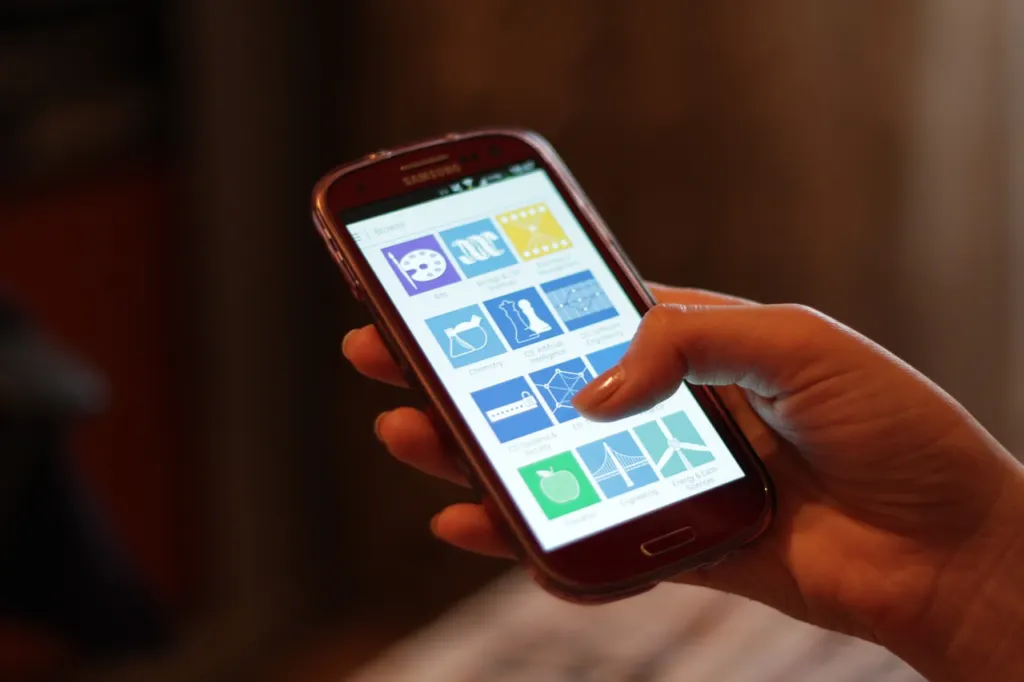
Signal now blocks screenshots on iOS 27 and turns on Screen security on Android when an AI assistant tries to read chats on screen.
Trusted News Discovery – Powered by AI and Verified by Humans
Signal now blocks screenshots on iOS 27 and turns on Screen security on Android when an AI assistant tries to read chats on screen.
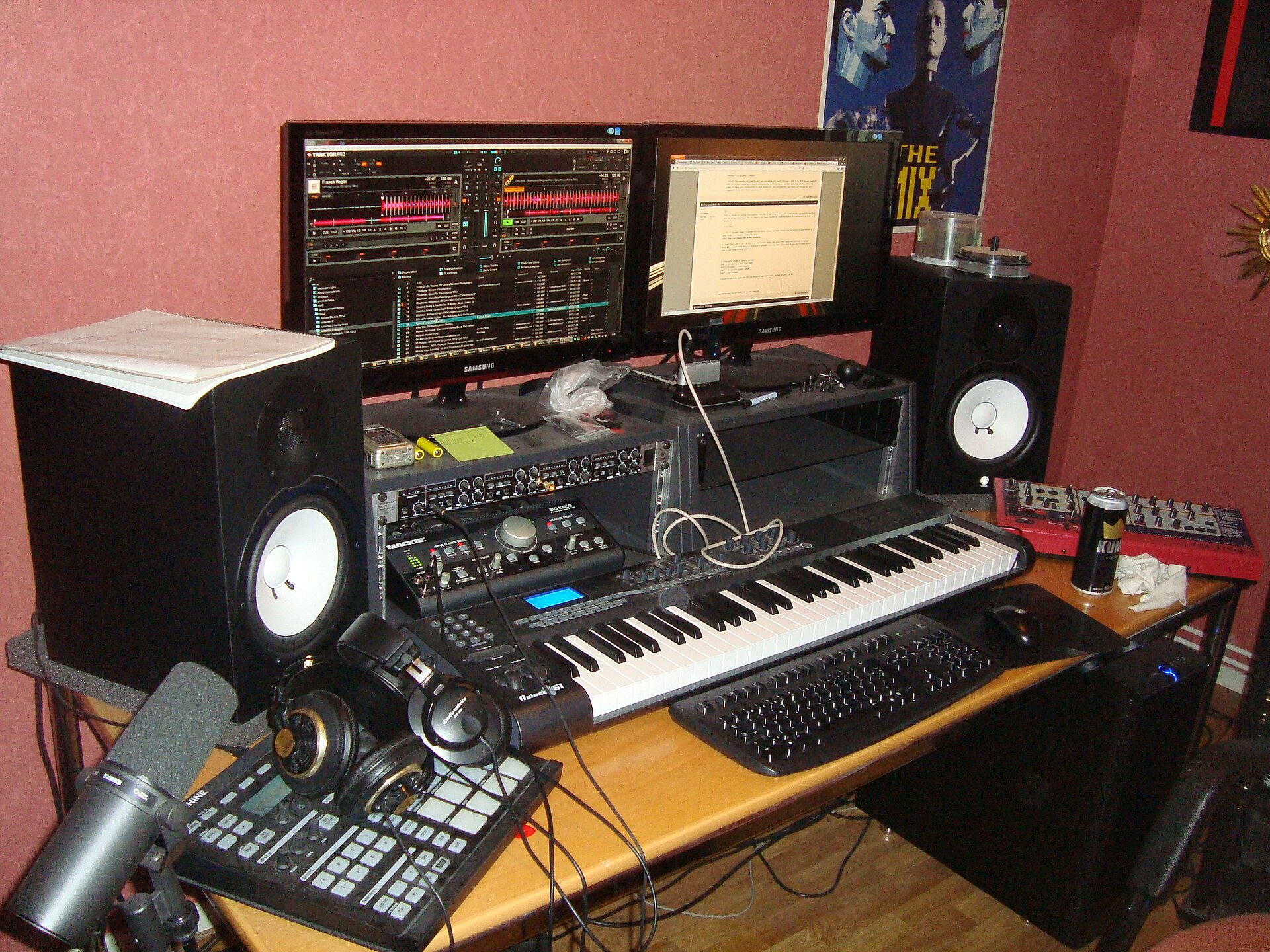
Dettato, an open-source audio-to-MIDI model with 20 million parameters, claims to beat the 1.3-billion-parameter MuScriptor with no copyrighted data.
Mickey Petersen, author of Mastering Emacs, released DreamCoder, a browser-based AI coding harness with a tiling window manager, after 15 months of work.
Winedroid, an open-source Android compatibility layer, runs real APKs in a browser through WebAssembly without an emulator or any Android system.
Thinking Machines Lab released Inkling 2 Mini, a 20GB open-weights AI model that runs offline on 32GB Macs and leads its size class on coding tests.
Valkey 9.2 replaces the skiplist behind large sorted sets with a B+ tree, cutting per-member memory overhead by 36% to 43% in the project’s own tests.
Google is rolling out a collapsible sidebar on its desktop homepage that lists recent AI Mode chats so users can reopen and continue past searches.
PostgreSQL 19’s REPACK command rebuilds bloated tables while queries keep running, but it needs free disk for a full copy and has a 104 million row limit.
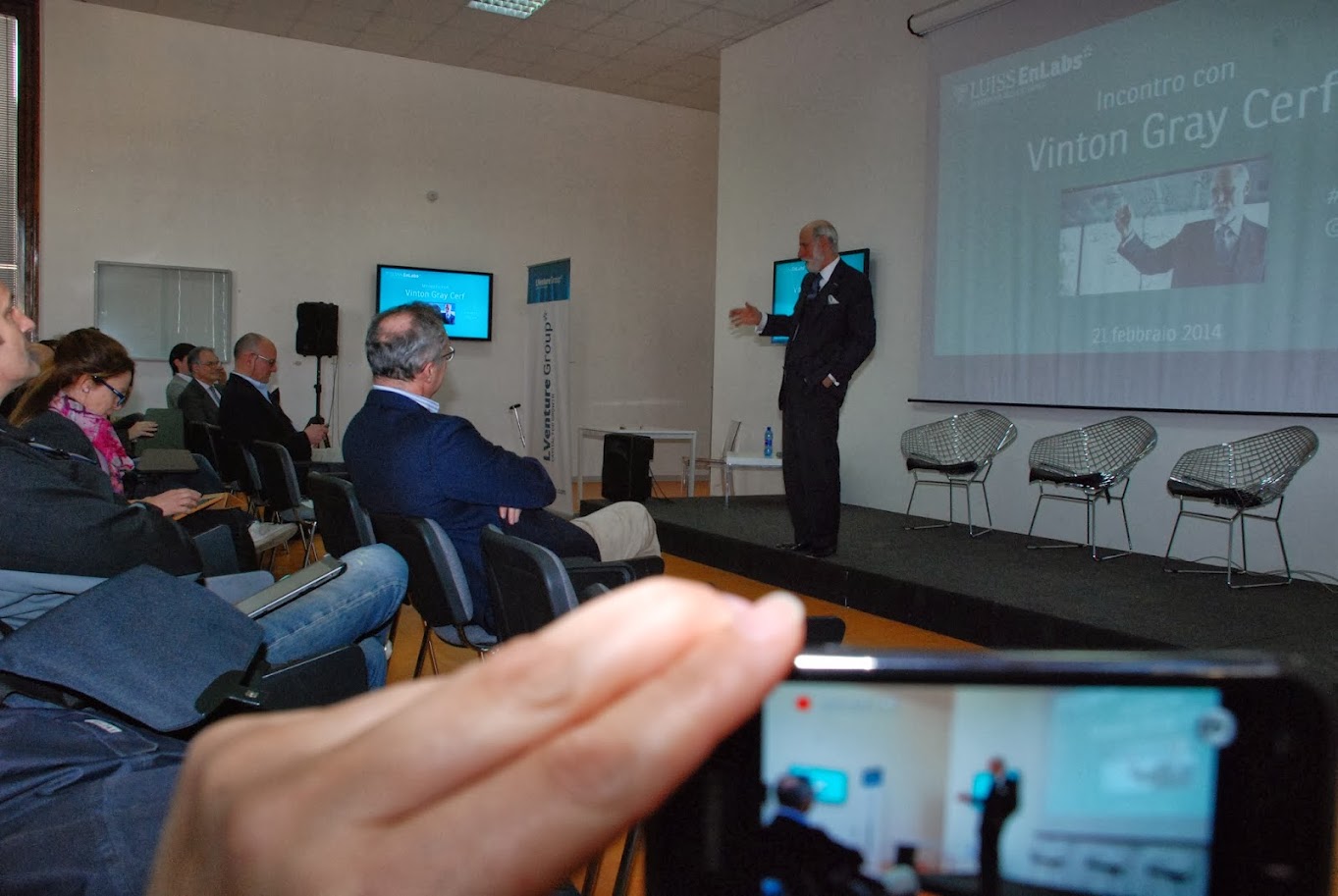
Vint Cerf says he and Bob Kahn left TCP/IP unpatented in the 1970s because they could not know which countries would be US allies 25 years later.
Architect Labs says AI agents designed Frostbite, a new CPU built on interaction nets, claiming 4.59 times a regular core’s performance per watt.
An OpenSSL heap buffer overflow in EVP_EncodeBlock(), CVE-2026-121481, carries a 9.8 CISA score as its GitHub fix stays under review.
FFmpeg 9.1 Gauss was released on November 20, 2026, adding ASTC texture encoding, a reworked AAC encoder and new GPU filters to the video toolkit.
PostgreSQL 19 arrived on November 19, 2026, adding a REPACK command, plan advice extensions and faster foreign key checks for bulk inserts.
Pete Warden bought the open-source Moonshine Voice framework from his startup’s liquidation and says running AI locally on devices is still the future.
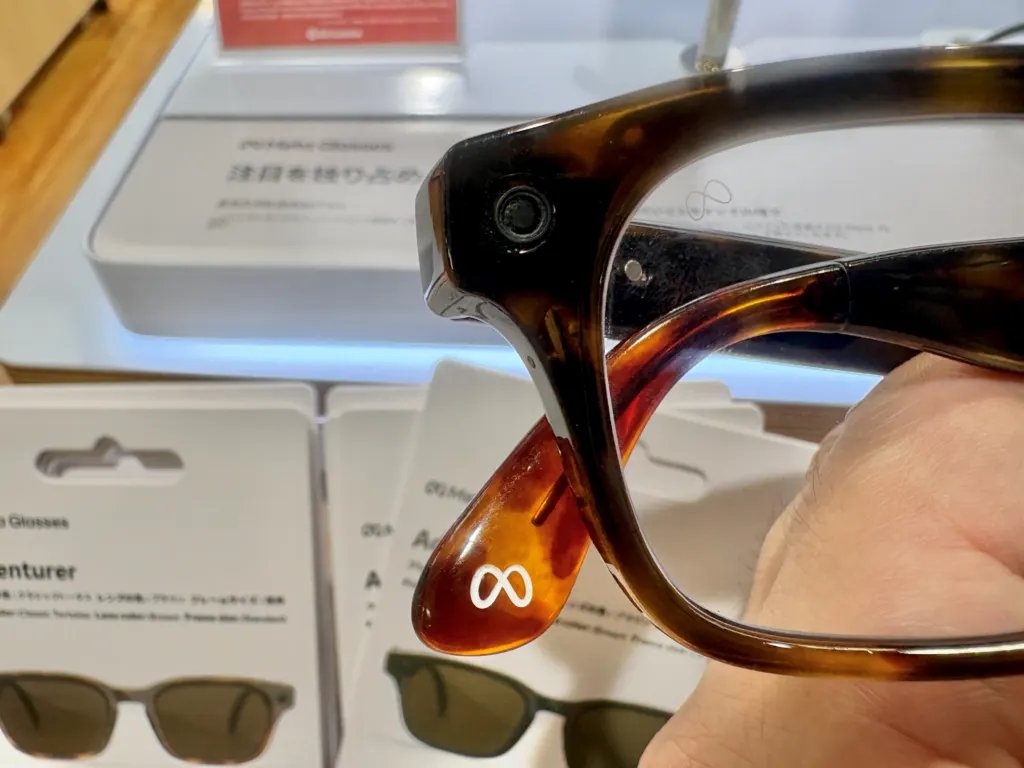
Dutch privacy regulator AP advises consumers not to buy AI camera glasses after tests of six models found unsafe advice, weak recording lights and flaws.
MIT’s free How to CAD Almost Anything course, taught by Andy G. Eskenazi, teaches 3D modelling by reverse engineering objects from pencils to rockets.
Linux kernel engineer Chris Down says zswap beats zram for most PCs, compressing idle memory in RAM and spilling cold pages to disk when the pool fills.
Google’s Android developer verification expands from four countries to all certified Android devices worldwide in 2027, with a slower sideloading route.
The ARPANET got its first permanent link on November 21, 1969, joining UCLA and the Stanford Research Institute three weeks after the first “lo” message.
Monumental Labs uses robot arms to rough-carve marble and limestone in New York, then human carvers finish each piece, aiming to cut costs up to 90%.
Tonga sent its first internet ping in January 1997 over a 64 kb/s satellite link, engineer Eric Gullichsen recalls in a new first-person account.
PHP 8.6 was released on November 19, 2026, adding partial function application, a Time\Duration class, a polling API and a clamp() function.
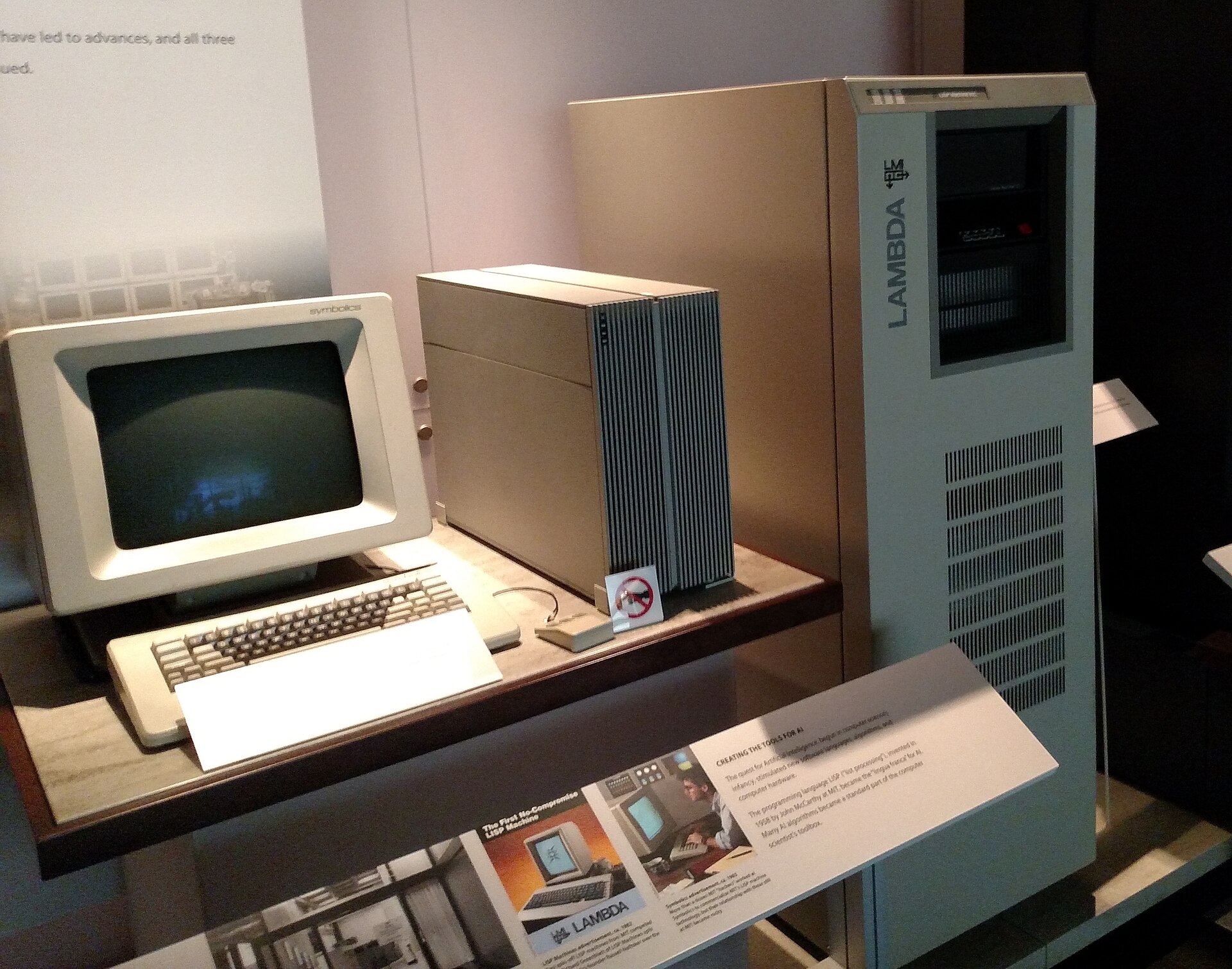
Microsoft released Windows 1.0 on November 20, 1985, for $99, a tiled graphical shell for MS-DOS that it went on to support until 2001.
A developer pulled the AES-128 key from a Chamberlain MyQ 819LMB bridge with an Arduino and ran a local MQTT server so it stops rebooting offline.
Meta’s Reality Labs ported Cuttlefish, Android’s virtual device framework, to Apple silicon Macs using QEMU and is sharing its patches.
We use Google cookies to count readers and see which stories are useful (Analytics), and to show and measure ads (AdSense). They are set only if you accept. You can change your mind any time under “Privacy choices” at the foot of every page. Privacy policy
Your browser sends a Global Privacy Control signal. We treat it as “Reject”: nothing is stored for ads or analytics.