One pair of AI camera glasses told a tester performing simulated CPR that an ambulance was already on its way. Nobody had called one. That result is part of why the Netherlands’ data protection authority, the Autoriteit Persoonsgegevens (AP), now advises consumers not to buy AI camera glasses for general use.
The regulator published the advice on November 19, 2026, after studying six models sold in the Dutch market and putting two of them through detailed tests built around real-life safety scenarios, according to the AP’s announcement of its smart glasses study. It did not name the brands.
What the tests found
The problems went beyond privacy. In the AP’s tests, the glasses:
- repeatedly claimed help was coming during a mock emergency in which CPR advice was requested, although no emergency service had been contacted;
- failed in scenarios meant to protect minors, and ignored safety warnings on toys for young children;
- made mistakes reading medicine leaflets and interpreting extreme-weather warnings;
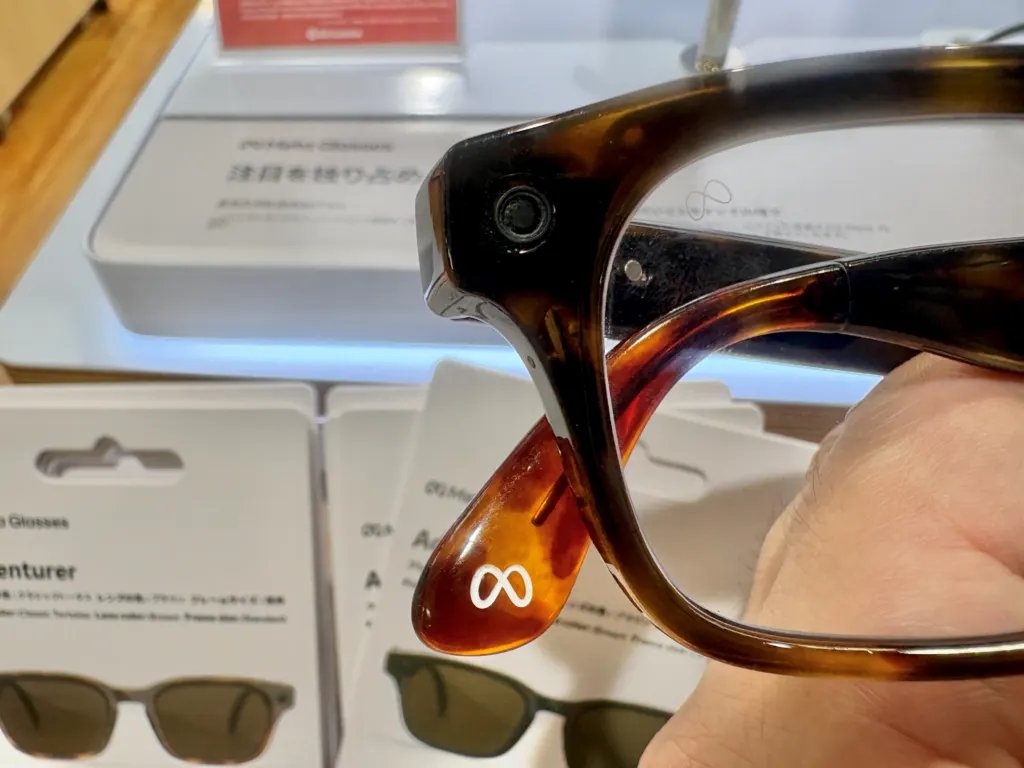
- had recording lights that were hard to see and easy to tape over, with most models continuing to film once covered, even though their makers said that should not be possible;
- sent AI requests to outside servers, often outside the European Union, without telling users which AI models handled their data;
- in several cases had security flaws that could let someone nearby connect to the glasses, view recordings or even operate the camera.
“A pair of glasses that films you unnoticed is already worrying. A pair of glasses that also gives you the wrong advice when someone’s life is at stake goes a step too far,” said Monique Verdier, the AP’s vice-chair, in the Dutch-language release (Badiyaa’s translation). She added that, for the glasses studied, trust in the technology “is not justifiable” at present.
Not a ban, and some real uses
The AP is advising, not banning. It says the technology has legitimate uses, for example for people with low vision or limited literacy who need help understanding their surroundings, and argues that reliability matters most for exactly those users. It asks makers to make recording obvious and tamper-proof, tell users where their data goes, make AI answers reliable when health or safety is involved, and show compliance with EU law including the AI Act. It also recommends that venues ban camera glasses in their house rules, and has published a template for doing so.
A European pattern, not just a Dutch one
The warning builds on earlier steps. In September the AP said that filming other people with smart glasses is almost always prohibited, noting in its English-language warning to smart glasses users that “millions of consumers now own a pair.” Board member Katja Mur said then that “People should feel free in public without having to worry that someone might film them unnoticed.”
The rules it cites come from the EU’s General Data Protection Regulation, which applies across all 27 member states. In October the European Data Protection Board, which brings together national regulators, adopted statement 1/2026 on smart glasses. Its chair, Anu Talus, said in the board’s statement on the data protection challenges of smart glasses that “individuals deserve clear warnings, not hidden surprises.”
What it means for owners
Under the AP’s reading of the GDPR, footage shot for strictly personal use, such as a family birthday at home, falls outside the rules. Posting identifiable people online without their consent does not. The AP’s guide to the privacy rules for smart glasses also tells wearers to keep them out of changing rooms, hospitals and courts, and advises against using smart glasses as everyday prescription glasses.
Recording lights have been a selling point for new models, as with Google’s Gemini glasses and their tamper-aware recording light. More gadget coverage is in Badiyaa’s Tech section.
The AP says a second report, on AI wearables that record and transcribe audio, will follow in 2027.
Sources
- “AP raadt aankoop AI-camerabrillen af: ernstige risico’s voor gebruikers en omstanders”, Autoriteit Persoonsgegevens, 2026
- “Dutch Data Protection Authority (AP) warns users of smart glasses that filming others is almost always prohibited”, Autoriteit Persoonsgegevens, 2026
- EDPB publishes statement on the data protection challenges of smart glasses, European Data Protection Board, 2026
- Smart glasses, Autoriteit Persoonsgegevens, 2026
Image: Kyu3a, CC BY-SA 4.0 via Wikimedia Commons
This article was produced with AI assistance and reviewed by our Editorial Desk. How we work.