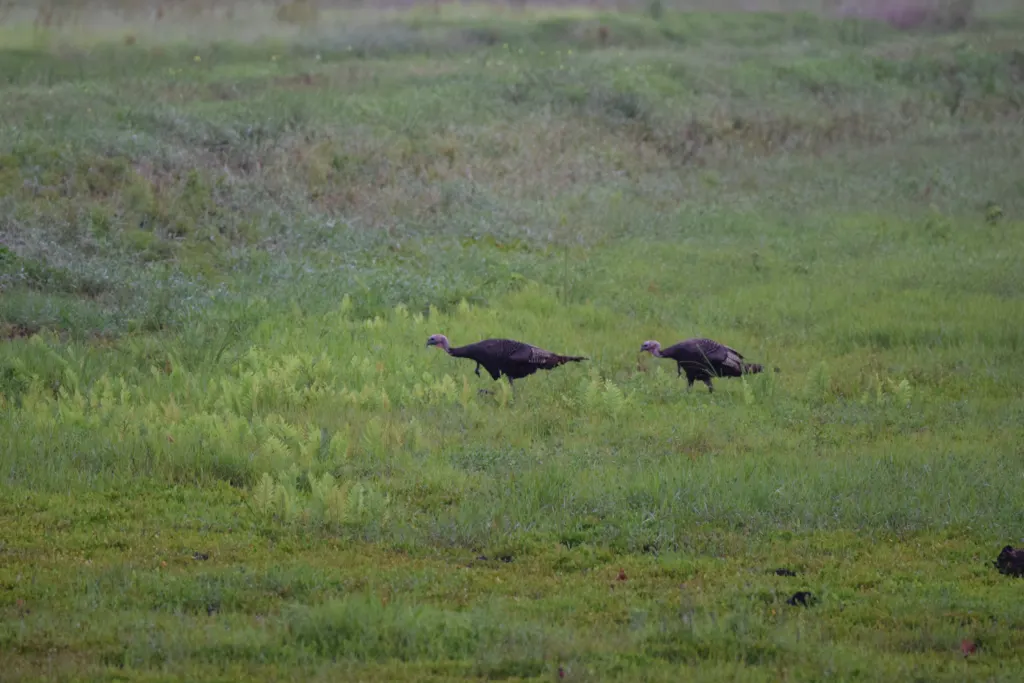
Wild turkeys can fly at up to 50 mph and roost in trees, unlike the farm birds on Thanksgiving tables
Wild turkeys can fly at up to 50 mph and run at 18 mph, the US Fish and Wildlife Service says, and they roost in trees at night to avoid predators.
Trusted News Discovery – Powered by AI and Verified by Humans
Stories about pets, wildlife and the animals people are talking about, from viral rescues to what the science says.
Wild turkeys can fly at up to 50 mph and run at 18 mph, the US Fish and Wildlife Service says, and they roost in trees at night to avoid predators.
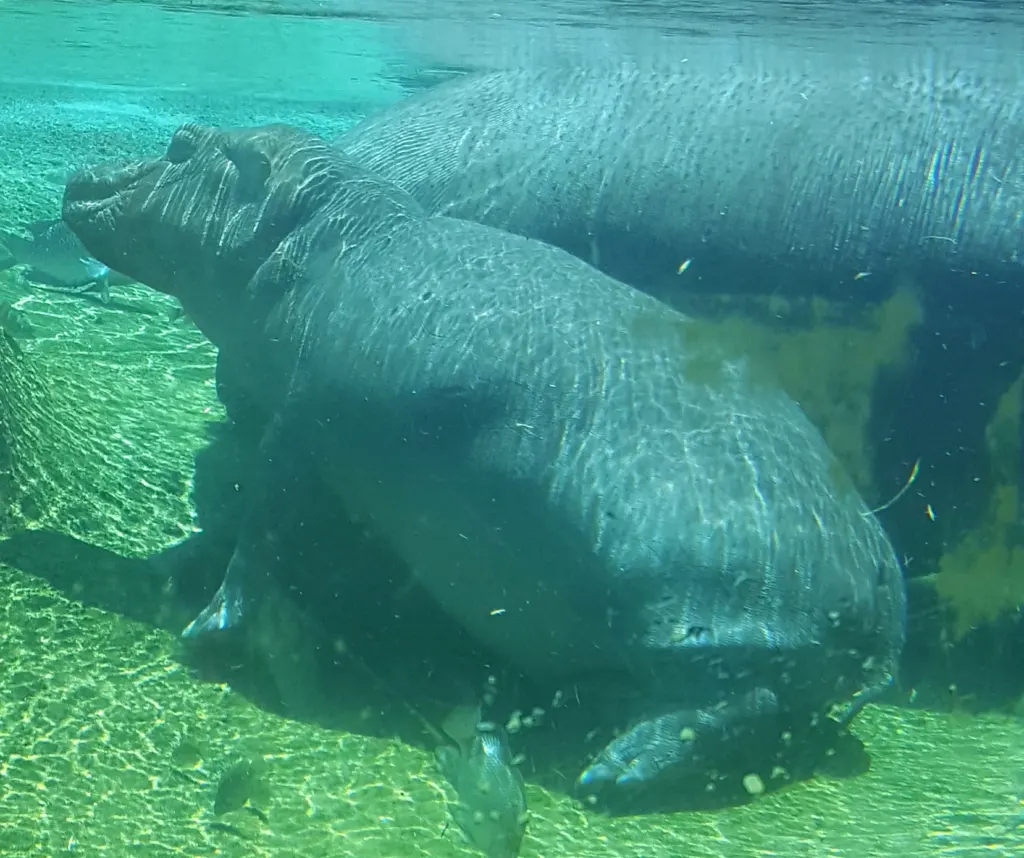
Fiona the hippo swallowed a knit hat a visitor accidentally tossed into her Cincinnati Zoo habitat and gets 24-hour care while it passes.
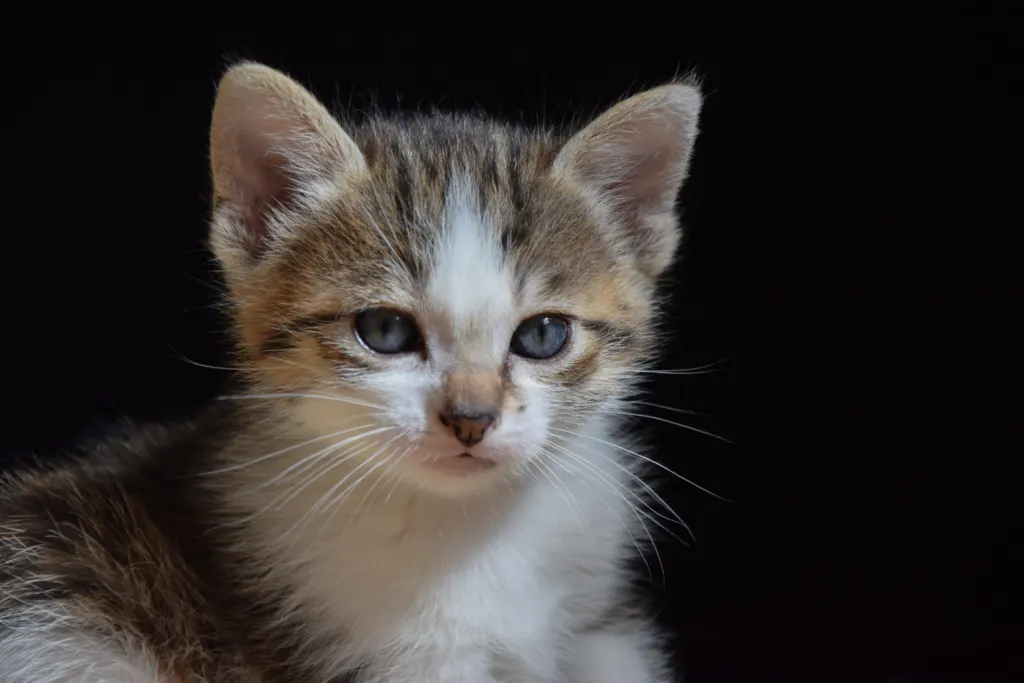
Kittens form real attachment bonds: an Oregon State University test found 64.3% of 70 kittens securely attached to their caregiver, close to human babies.
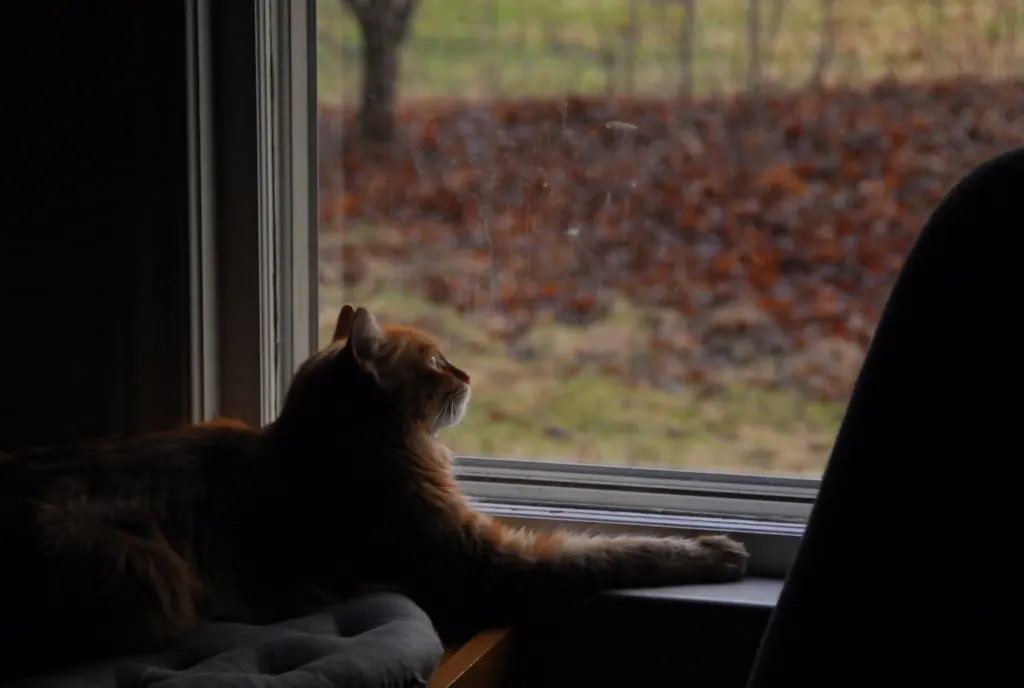
Cats chatter at birds with a clicking call made while watching prey, a sound Mildred Moelk placed in her 1944 classification of 16 cat vocal patterns.
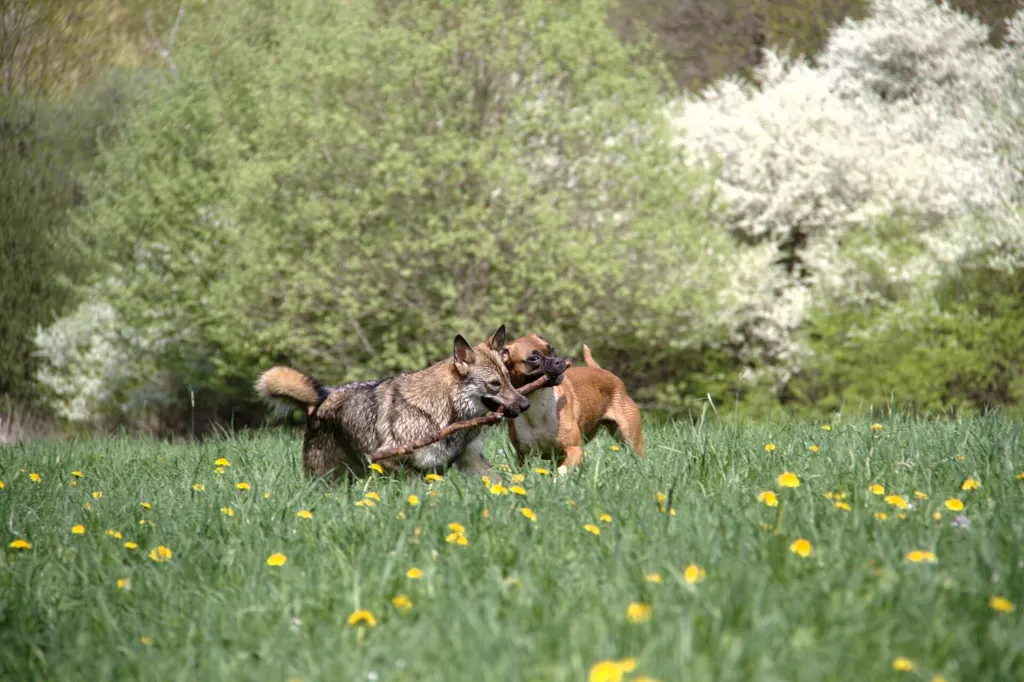
Dogs play sneeze, a short fake sneeze during games, as a calming signal that tells other dogs the wrestling is friendly and not an actual fight.
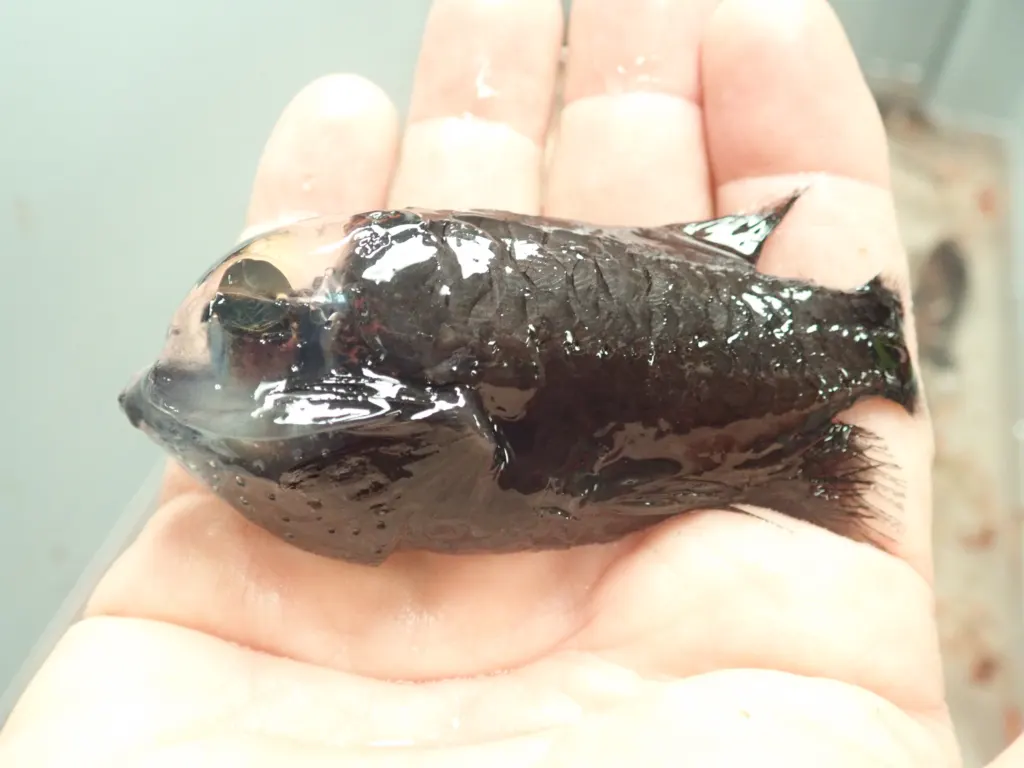
MBARI filmed a barreleye fish with a transparent head in 4K at 600 meters, only the institute’s 11th sighting of the species in nearly 40 years.
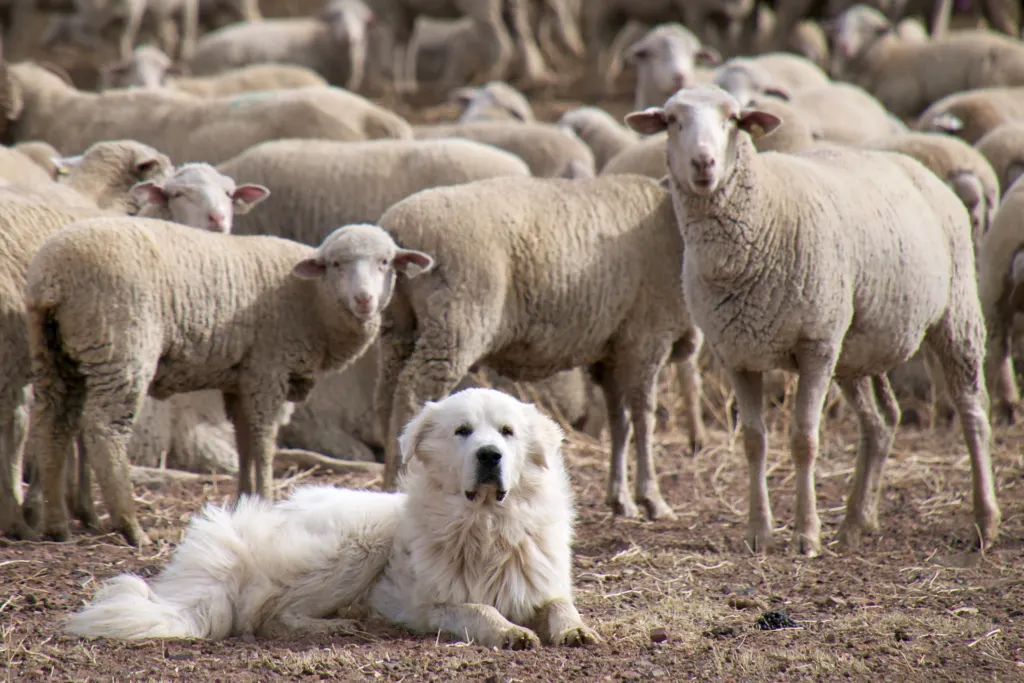
Livestock guardian dog puppies join sheep at 4 to 5 weeks old to bond with the flock, and are not trusted to guard alone until they are 2 years old.
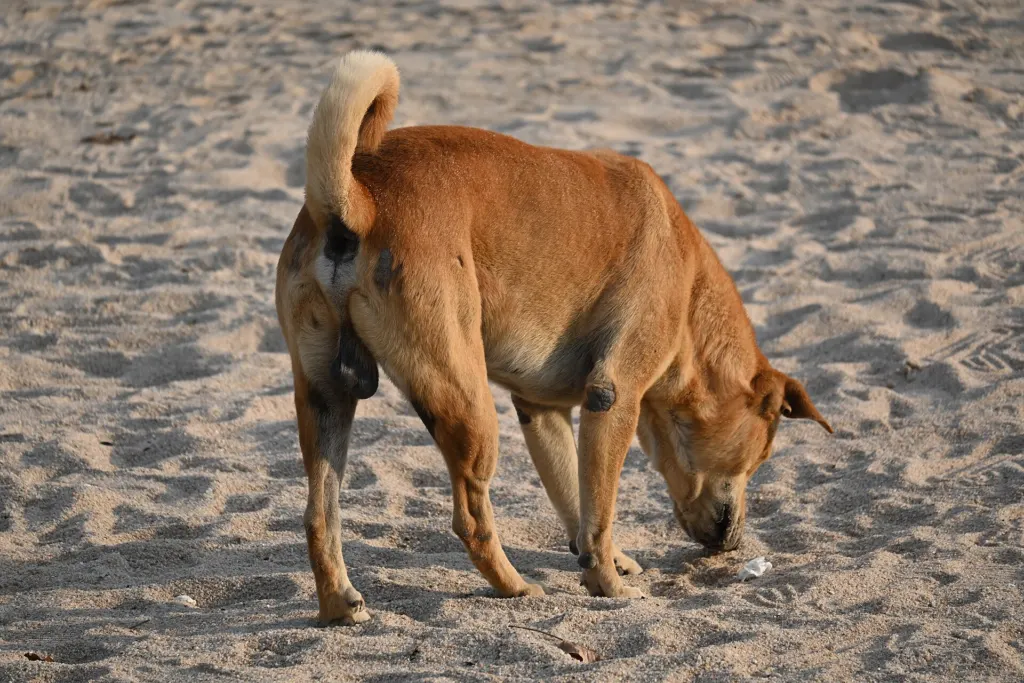
Dogs scratch the ground after pooping because pedal glands in their paws release pheromones that add a second scent layer to the mark they just left.
Therapy dogs visit schools to greet every student; the Alliance of Therapy Dogs requires a dog aged at least one year plus three supervised visits.
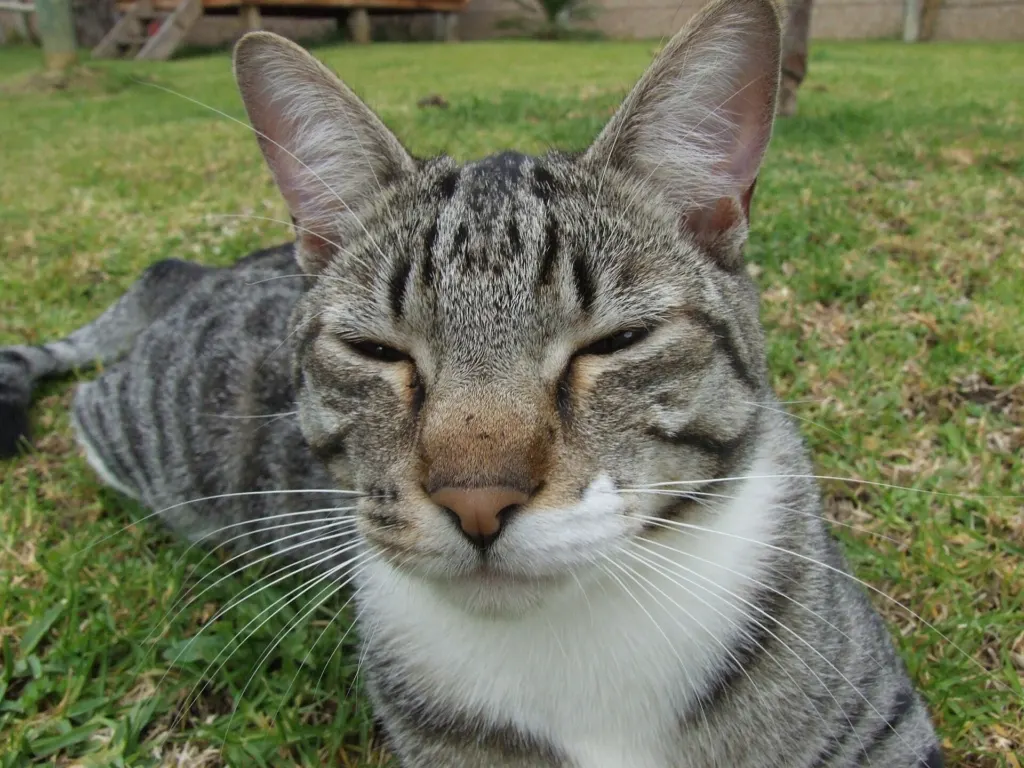
Cats narrowed their eyes more and approached a stranger more often after a slow blink, a University of Sussex study of 36 cats found.
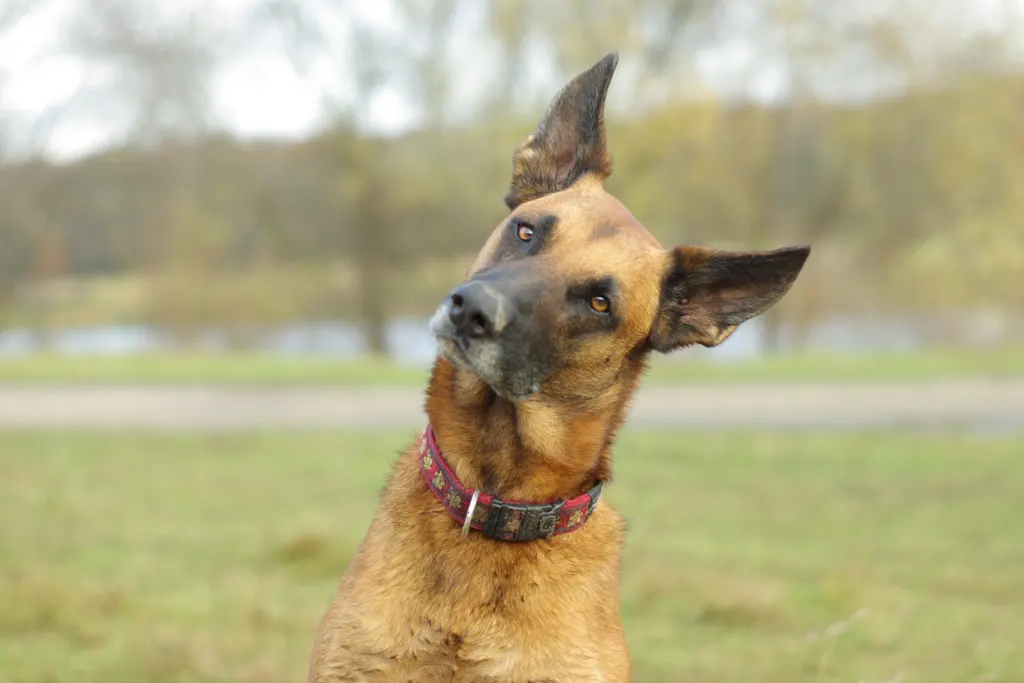
Dogs that knew their toys’ names tilted their heads in 43% of requests versus 2% for typical dogs, an Eötvös Loránd University study found.
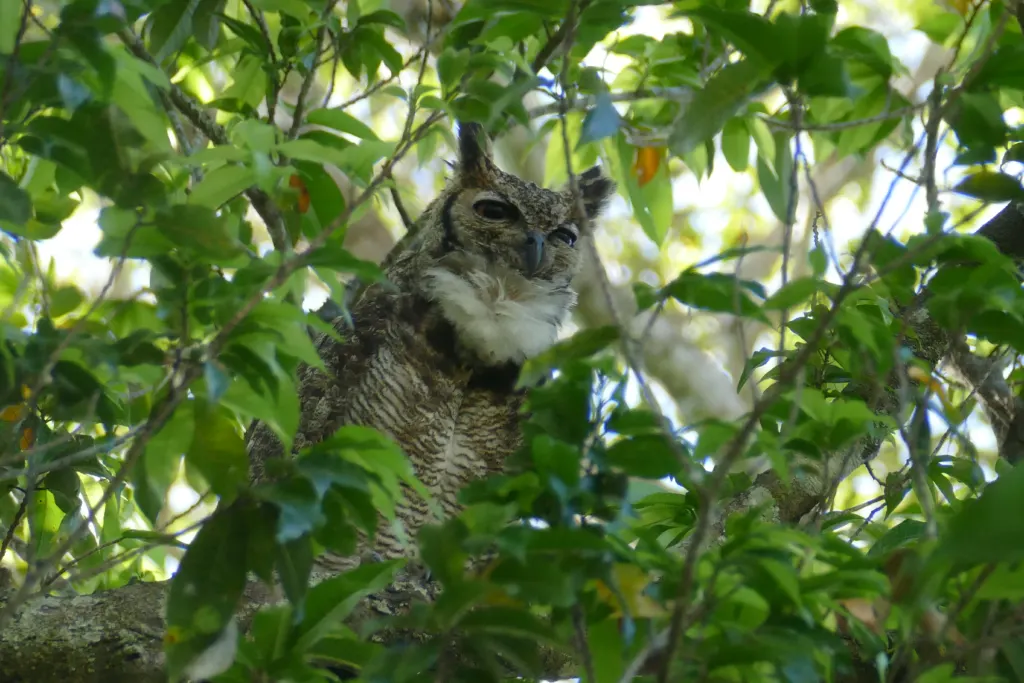
Owls can swivel their heads 270 degrees each way; Johns Hopkins researchers found roomy neck bones and blood reservoirs keep the brain supplied.
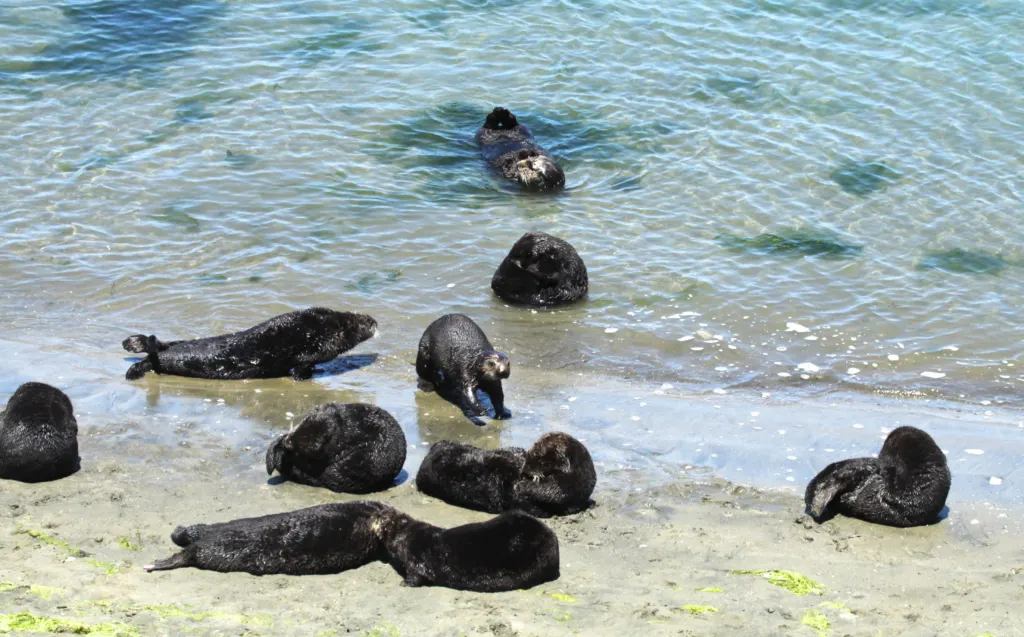
Sea otters carry rocks in a skin pouch and smash shellfish on their chests, and they hammer abalone at 45 blows in 15 seconds to pry them off the reef.
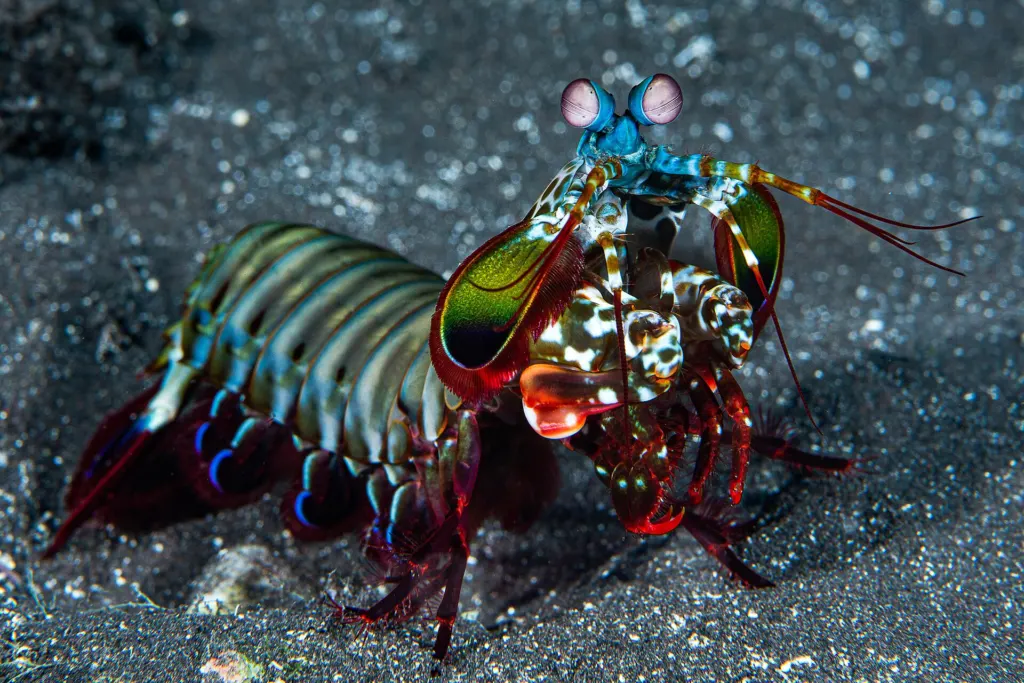
The peacock mantis shrimp swings its club at about 51 mph with 10,400 g of acceleration, and collapsing cavitation bubbles hit its prey a second time.
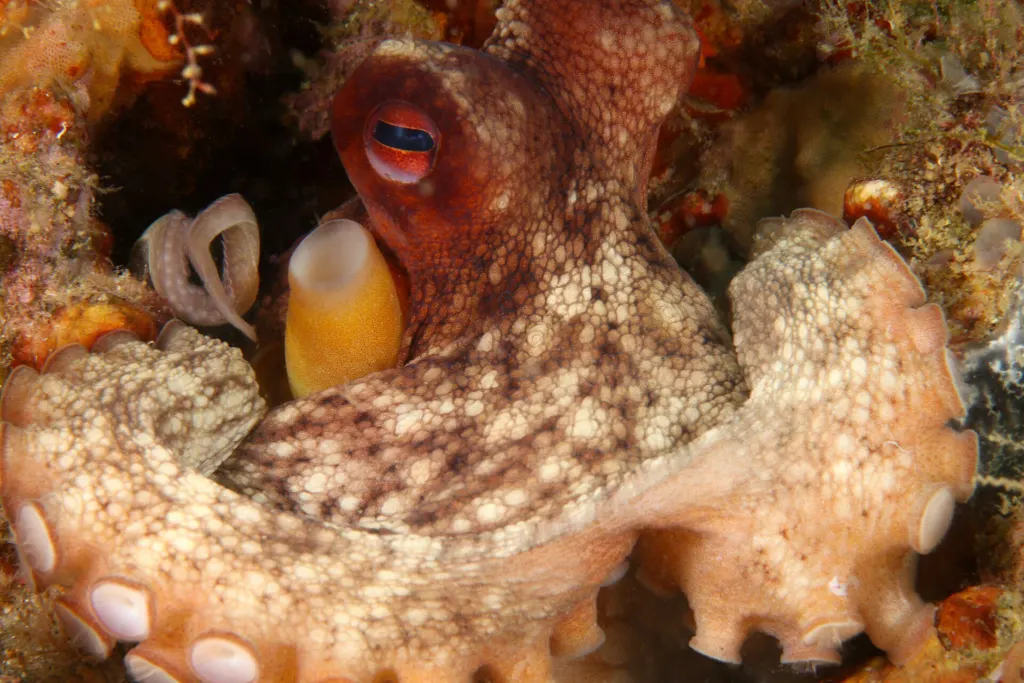
An octopus keeps about two-thirds of its 500 million neurons in its arms, and University of Chicago researchers found that arm wiring is built in segments.
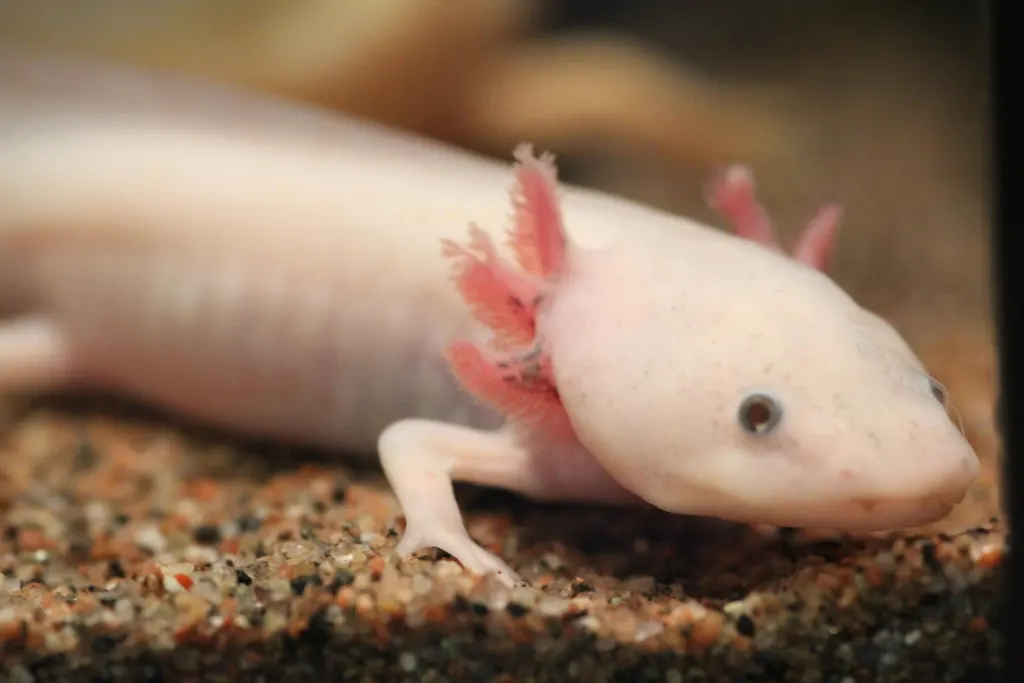
Axolotls regrow lost limbs without scars, and Northeastern University biologist James Monaghan found retinoic acid tells cells which part to rebuild.
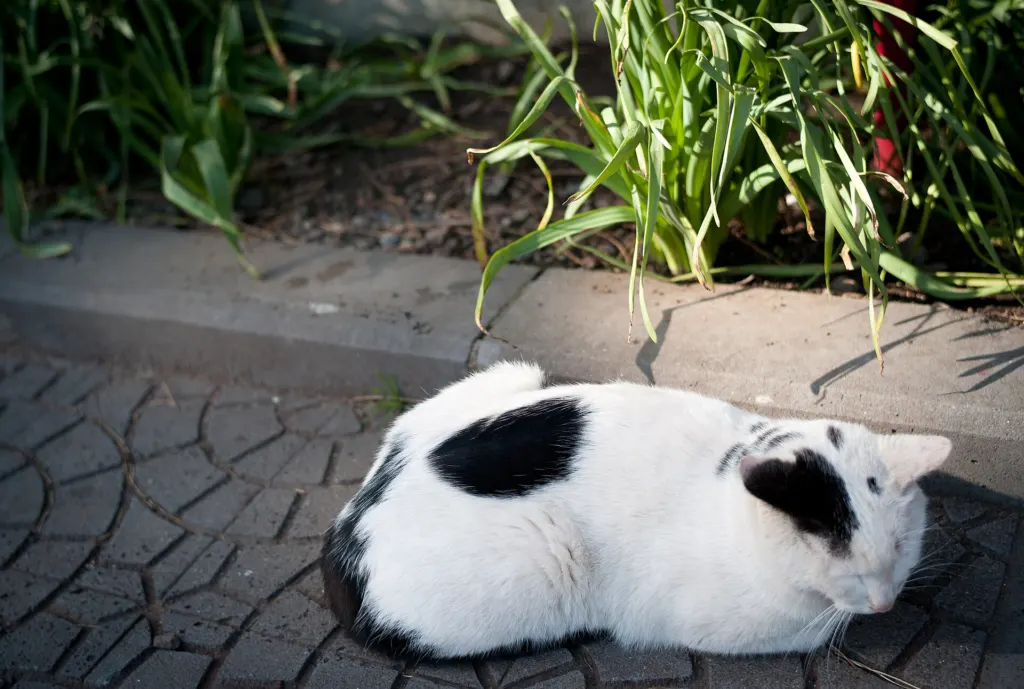
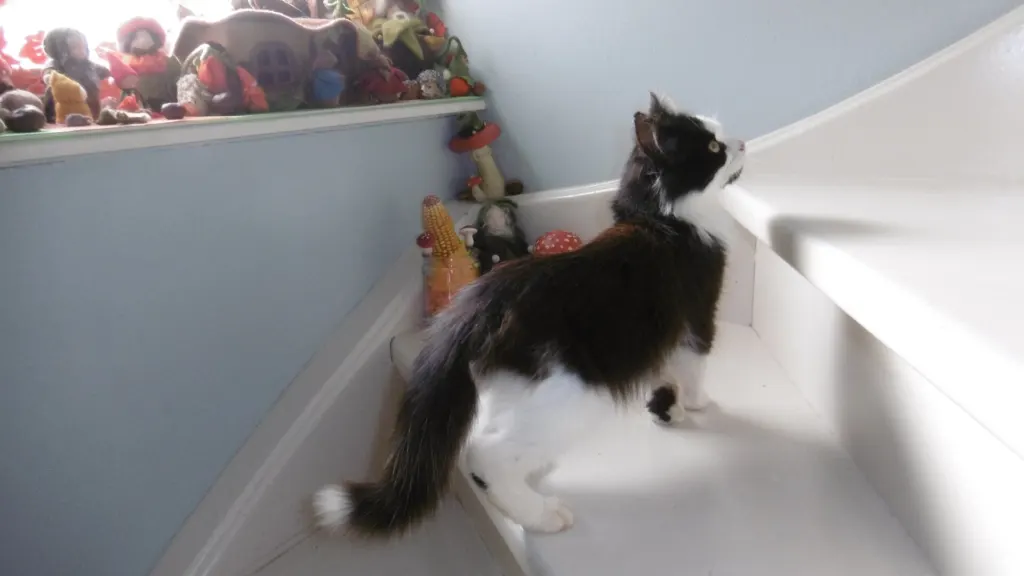
Cats sleep 12 to 16 hours a day, and the loaf and belly-up poses usually signal a relaxed cat, though an exposed belly can also be a fighting stance.
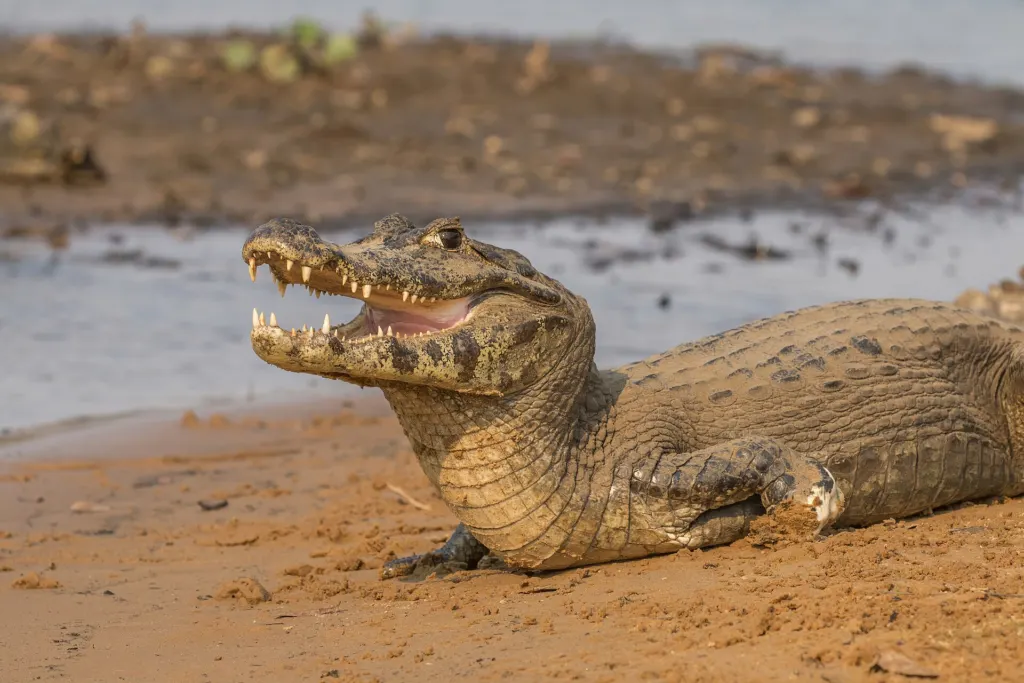
About 10 million yacare caimans live in Brazil’s Pantanal; they eat snails, fish and capybaras, while herons, storks and jaguars hunt them.
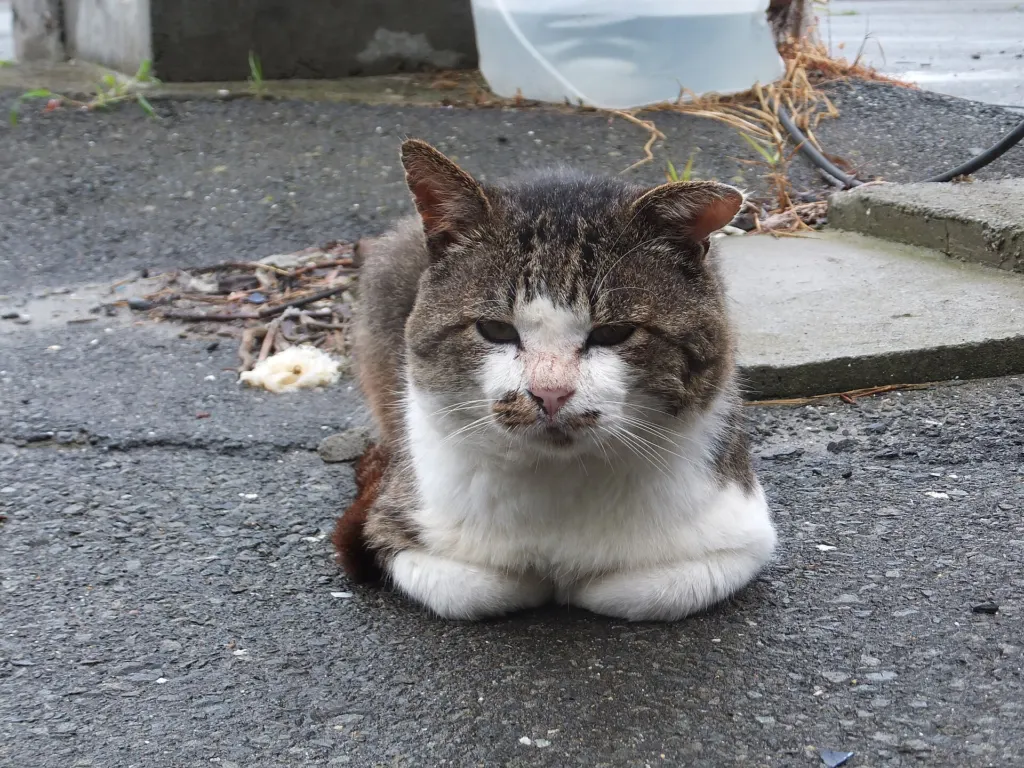
On Tashirojima, Japan’s Cat Island, fishermen once enshrined a cat that begged at their inns, and cats now far outnumber the 80 residents.
Four dogs in a Queen’s University Belfast study picked out a stressed person’s breath and sweat sample in 93.75% of 720 trials.
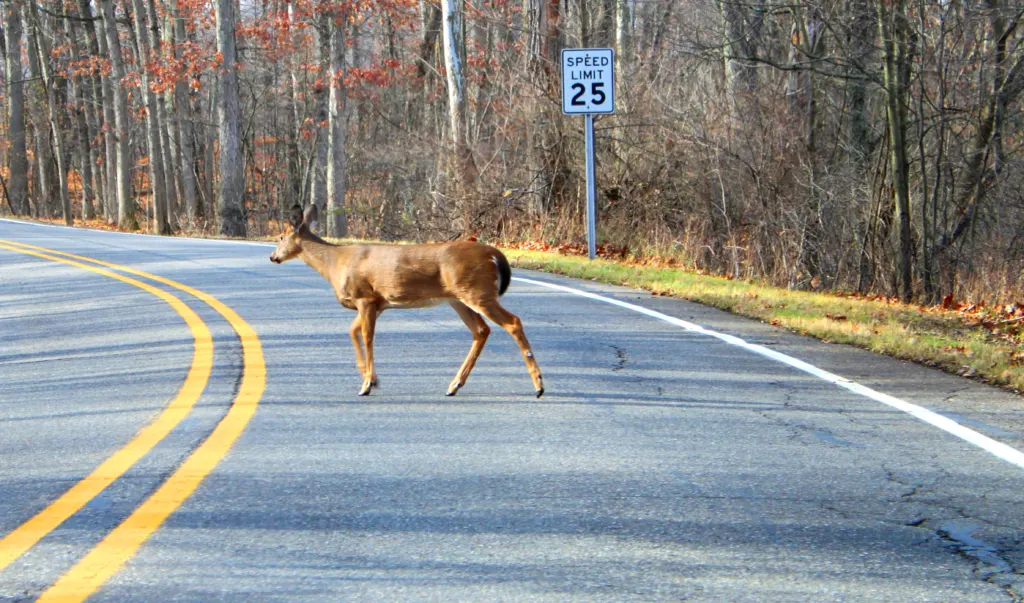
Deer freeze in headlights partly because the car does not seem to loom; a USDA light bar cut risky deer encounters from 35% to 10% of approaches.
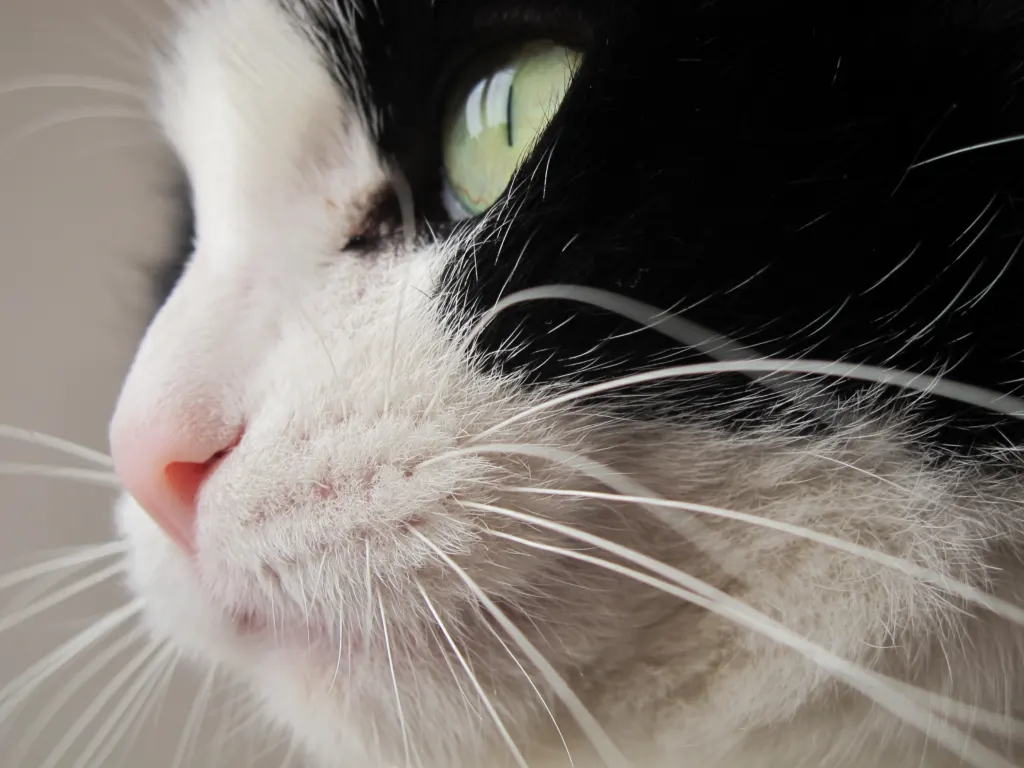
Each cat whisker grows from a follicle served by 100 to 200 nerve cells, letting cats sense touch, air movement and prey in the dark.
Sheep grazing on a New York solar farm kept panels clear without mowing; a Cornell-led study found 8 sheep per hectare was the best stocking rate.
A white cat can have black kittens because the dominant white gene masks her real coat color, which she can still pass on to her litter.
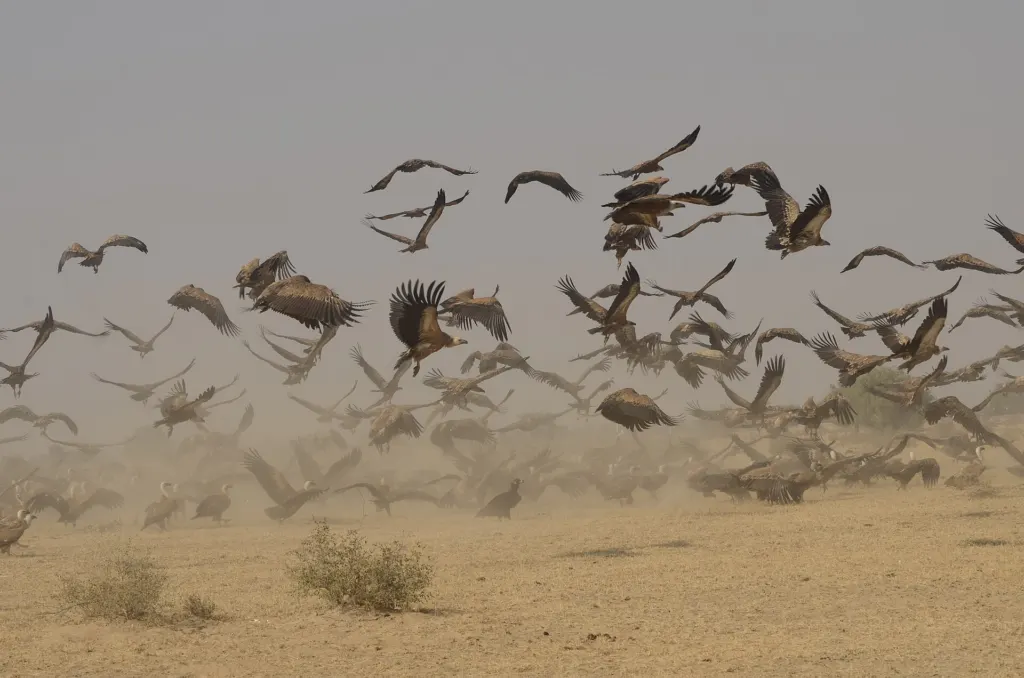
Vultures can eat rotting meat because their stomach acid sits near pH 1.0, strong enough to neutralize anthrax bacteria and botulinum toxin.
We use Google cookies to count readers and see which stories are useful (Analytics), and to show and measure ads (AdSense). They are set only if you accept. You can change your mind any time under “Privacy choices” at the foot of every page. Privacy policy
Your browser sends a Global Privacy Control signal. We treat it as “Reject”: nothing is stored for ads or analytics.