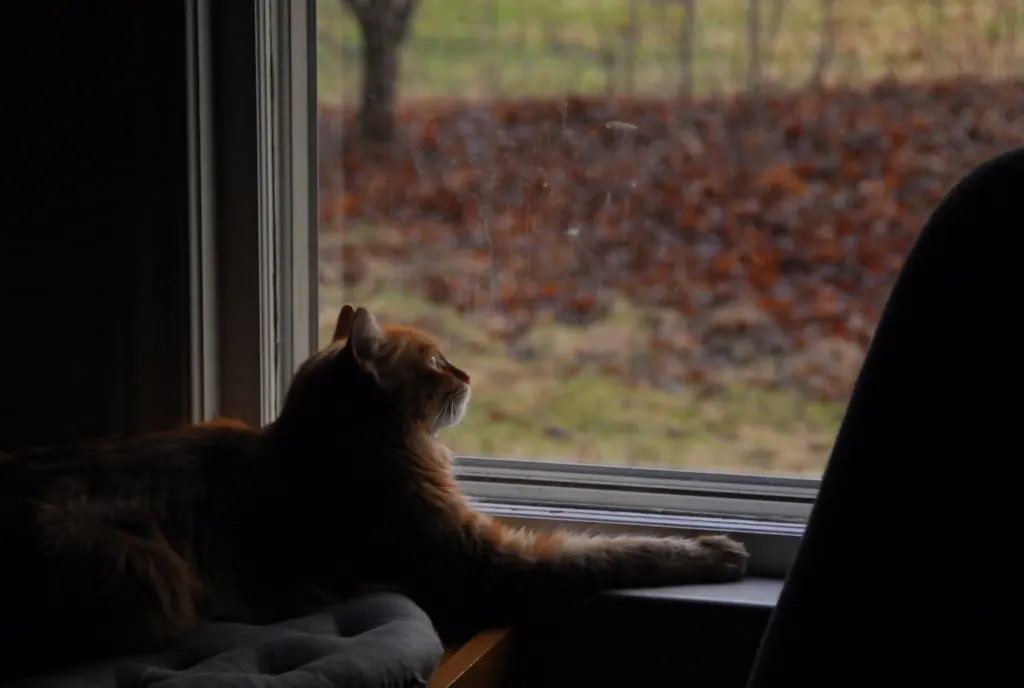
The rapid clicking a cat makes while staring at a sparrow through the window has a place in scientific records going back to 1944. That year Mildred Moelk published the first phonetic study of cat sounds and sorted 16 vocal patterns into three classes. Chattering landed in the group made with the mouth held tense and open in one position, alongside growls, hisses and spits, according to a summary of cat communication research.
Cats chatter or chirp when they are watching or stalking prey, and the noise can range from soft clicks to a loud, sustained chirping with the odd meow mixed in.
Why the chatter happens
Nobody has settled the question. One popular idea, put forward in pet-care writing rather than a controlled study, is that the chatter imitates the calls of birds and rodents and works as a hunting trick. That remains a hypothesis. What the research does show is that the sound belongs to the hunting part of a cat’s life, not the social part.
That matters because most of what pet cats say is aimed at people. Adult cats rarely meow at each other, and the adult meow is thought to be an extension of kitten mewing that grew up with domestication. The chatter at the window is different. It is directed at prey.
The body language that comes with it
A chattering cat rarely stops at sound. Researchers who catalog cat signals describe a set of hunting cues that tend to arrive together:
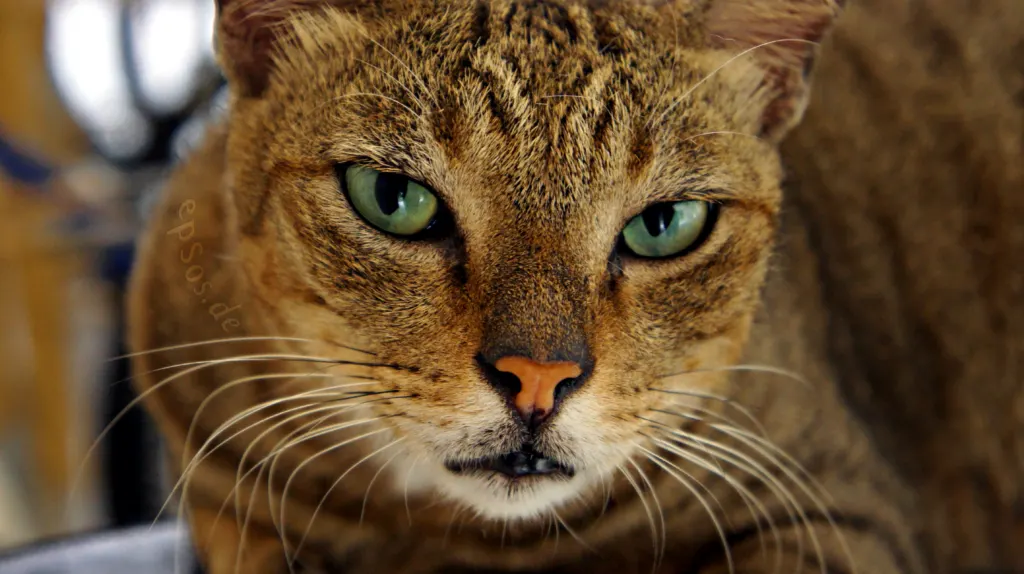
- Eyes: a fixed, direct stare, which cats also use during predation and territorial standoffs.
- Ears: held upright when the cat is alert and focused.
- Tail: held low while crouching and flicked fast from side to side, or with only the tip twitching.
Add those together and the window-side scene reads like a rehearsal: an indoor cat running through the stalking routine with glass between it and the bird. A sparrow outside is the cue, the urge to hunt is the motive, and the chatter is part of the response that never gets its reward.
That picture fits how cats learn to hunt. Kittens study their mothers, who first bring dead prey to the litter and later live prey, demonstrating the catch. Hunting skills improve faster when the mother is present, which is why the instinct stays sharp in house cats that have never caught a thing.
One of many voices
Cats have been recorded making up to 21 distinct vocalizations. Next to the chatter sits the chirrup, a rolled meow that mothers use to call kittens and that friendly cats use to greet people. Badiyaa has covered how cats purr about 25 times a second, how cats slow-blink back at people, and how each whisker connects to up to 200 nerve cells.
Moelk’s 1944 scheme still frames the sound today: chattering sits in her third class, the one made with the mouth held tensely open.
Further reading
Image: Dwight Sipler, CC BY 2.0 via Wikimedia Commons
This article was produced with AI assistance and reviewed by our Editorial Desk. How we work.