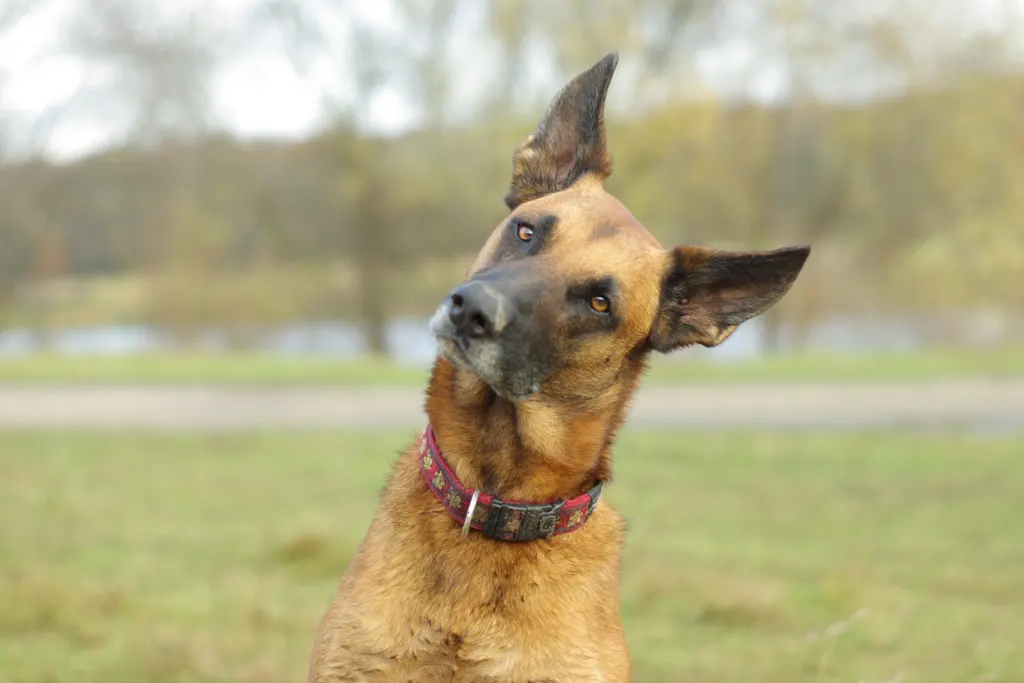
Therapy dogs have become a familiar sight in school hallways and on college campuses, and short clips of students stopping one by one to pet a calm, patient dog keep doing the rounds online. The idea behind those visits is older than the internet: a trained dog whose job is simply to be friendly to everyone it meets.
That is what separates a therapy dog from a service dog. A service or assistance dog is trained for specific tasks that help one person with a disability. A therapy dog is trained to accept attention from all kinds of strangers, in hospitals, care homes, libraries and schools, while its handler stays in charge.
From Florence Nightingale to finals week
The history stretches back well over a century. In the late 1800s, Florence Nightingale noticed that small pets seemed to ease anxiety among patients in psychiatric institutions. Sigmund Freud kept his own dog in sessions in the 1930s and felt patients opened up to the animal first. In 1961 the American child psychiatrist Boris Levinson wrote about using a dog in therapy with young clients, and in 1976 the registered nurse Elaine Smith started a program to train dogs for institution visits after watching a chaplain’s dog cheer up hospital patients.
Campuses followed much later. The University of Connecticut runs a program called Paws to Relax during finals week, and Yale Law School has used therapy dogs since 2011. At the University of California San Diego, a student-wellness event built around visiting dogs became known as “Therapy Fluffies,” and the idea spread to other University of California campuses from 2010. In 2014 Concordia University Wisconsin became the first US university to adopt a full-time therapy dog, a golden retriever named Zoey.
What it takes to qualify
Not every friendly pet makes the cut. Under the Alliance of Therapy Dogs rules, a dog must be at least a year old, the handler must have owned it for at least six months and pass a background check, and the team must pass a handling assessment followed by three supervised visits. Typical tests check that a dog stays relaxed around loud noises, unfamiliar floors, wheelchairs and canes, and both children and older people.
Golden retrievers and Labrador retrievers are the breeds most often used, prized for their steady temperament. Cavalier King Charles spaniels are also popular because they were bred as companion dogs and happily sit on a lap for long stretches.
Why schools like them
Reading programs pair children with a dog that listens without judging, which teachers say encourages reluctant readers to read aloud. Schools and colleges also bring dogs in during exam season or after hard events, and students who would rather not take part are free to skip the visit.
There are limits. Therapy dogs have no special legal right of access in the United States the way service dogs do; each school or hospital decides whether to invite them. Programs also have to plan around allergies, students who are afraid of dogs, hygiene and the dog’s own welfare, which is why handlers keep visits short and watch for signs of fatigue.
Badiyaa’s Pets coverage has looked at another working dog with a fan base, the Icelandic hospital dog listed as a paid staff member, and at how the golden retriever breed began with a single yellow puppy named Nous.
The Alliance of Therapy Dogs asks its teams to keep visiting regularly once certified; a team that stops visiting for several months may have to be retested.
Further reading
Image: Tracie Hall from Orange County, us, CC BY-SA 2.0 via Wikimedia Commons
This article was produced with AI assistance and reviewed by our Editorial Desk. How we work.