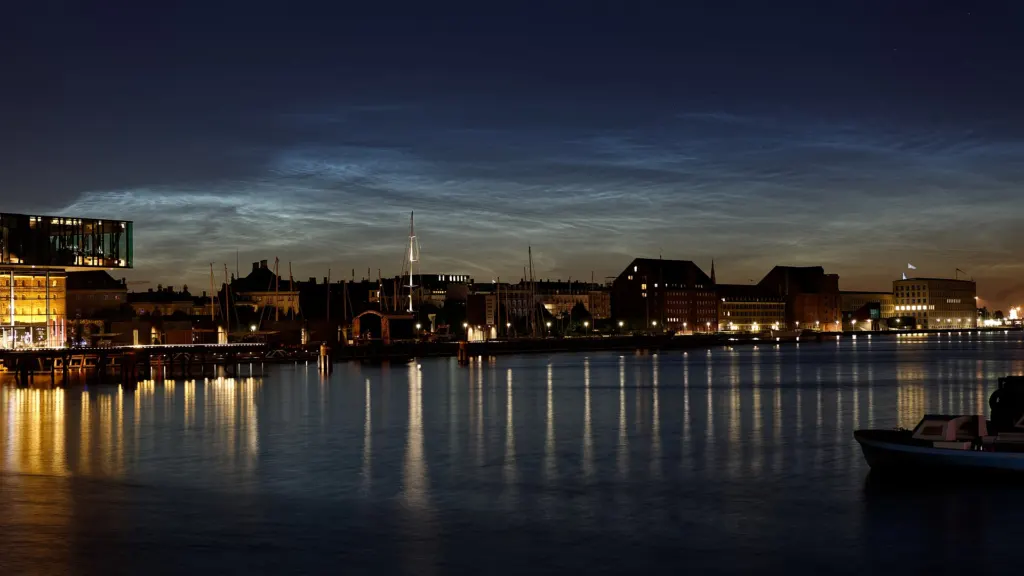
Noctilucent clouds form about 50 miles up, higher than any other cloud; they need air below minus 184°F
Noctilucent clouds form 47 to 53 miles up, the highest on Earth, and appear only at twilight when ice crystals catch sunlight below minus 184°F.
Trusted News Discovery – Powered by AI and Verified by Humans
Noctilucent clouds form 47 to 53 miles up, the highest on Earth, and appear only at twilight when ice crystals catch sunlight below minus 184°F.
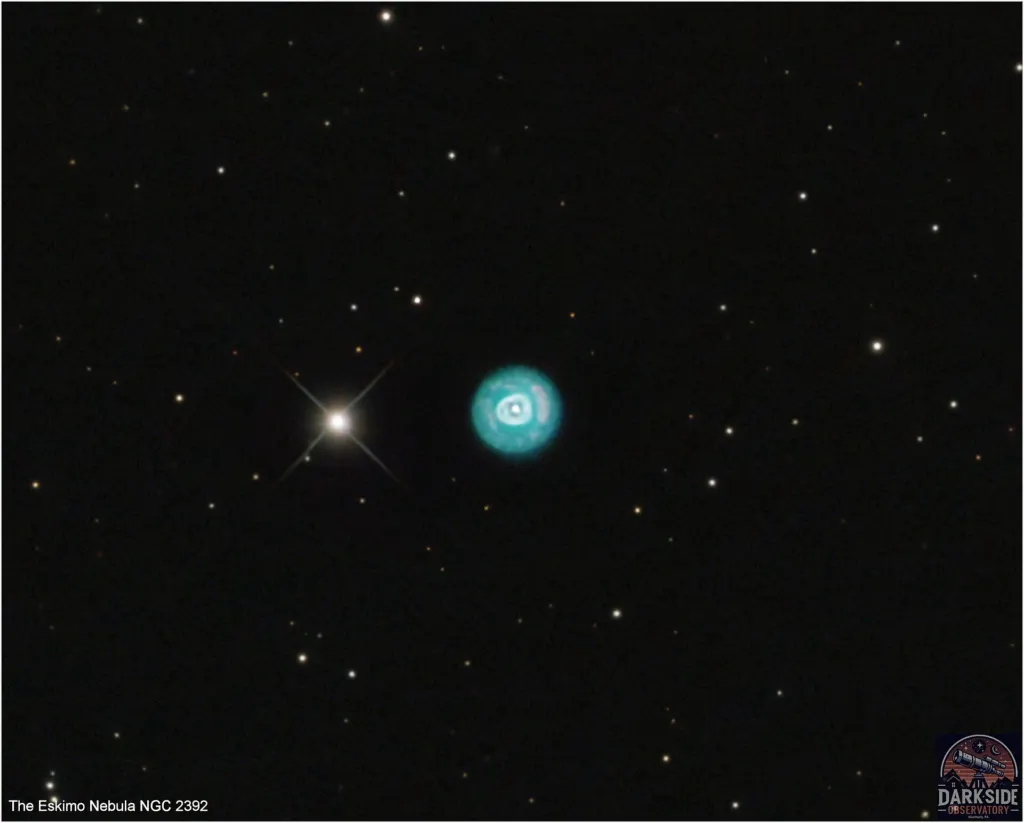
NASA’s Webb telescope imaged the Lion Nebula, NGC 2392, in infrared, showing a white dwarf’s gas bubble inside a dusty mane due to vanish in 10,000 years.
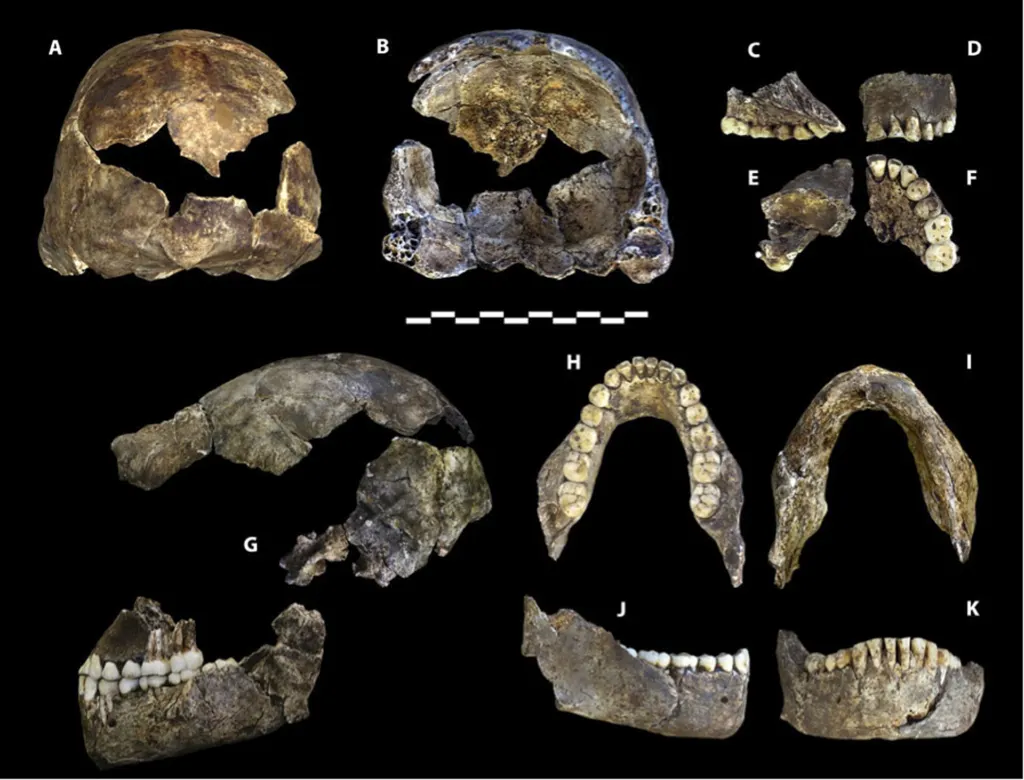
Homo naledi teeth from 20 individuals in South Africa’s Rising Star cave held no male protein marker, suggesting the fossils may all be female.
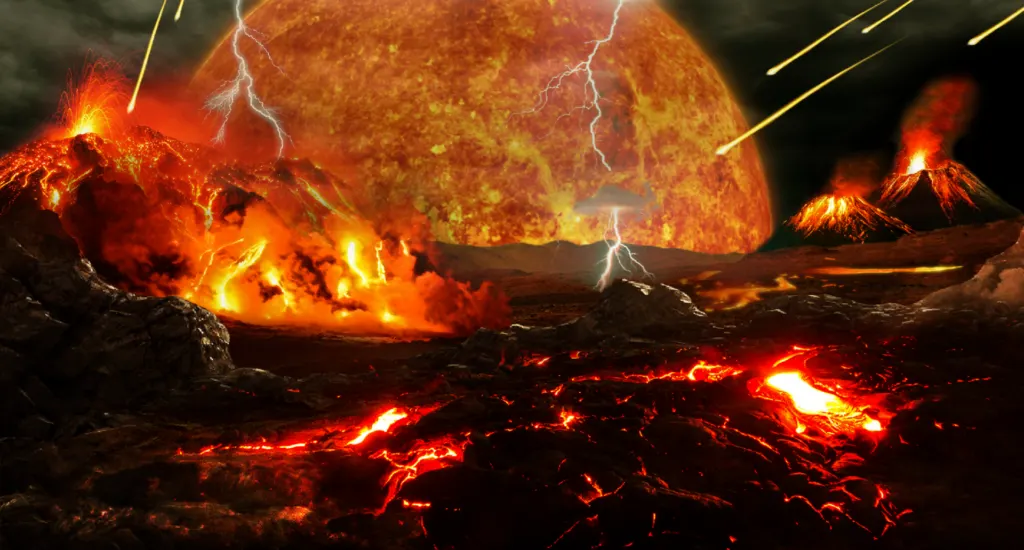
Earth may have made hundreds of oceans of water as it grew, University of New Mexico tests show, as hot hydrogen stripped oxygen from molten rock.
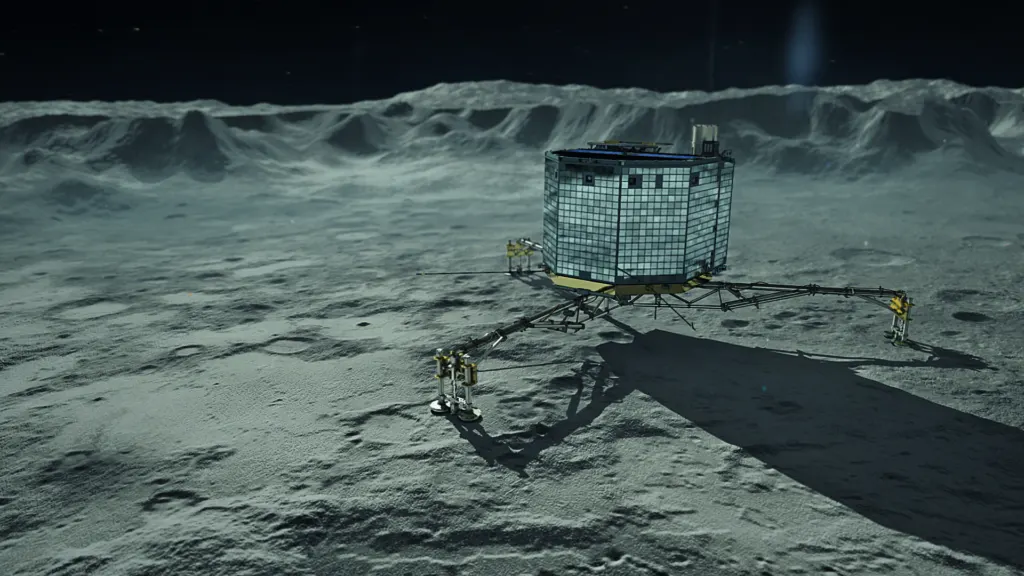
Philae landed on comet 67P on 12 November 2014, bouncing twice before sending 64 hours of data showing hard ice and 16 organic compounds.
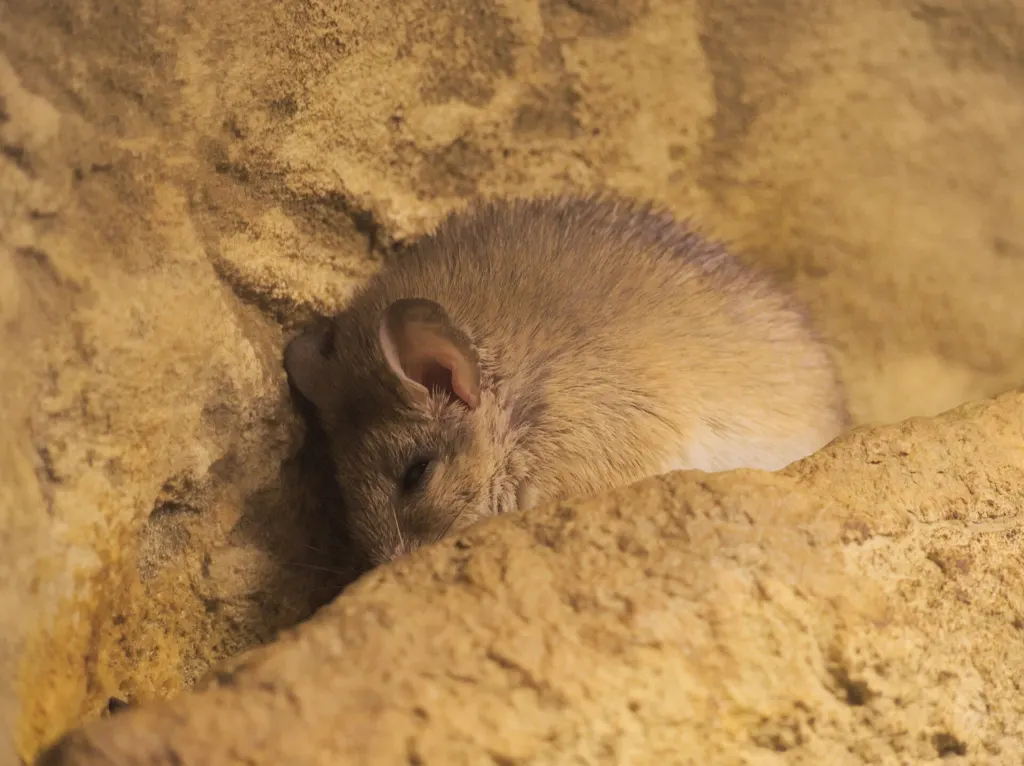
Hair follicle patterns arise from dermal cells drifting toward a chemical cue, a University of Geneva model in PNAS shows, matching mice and spiny mice.
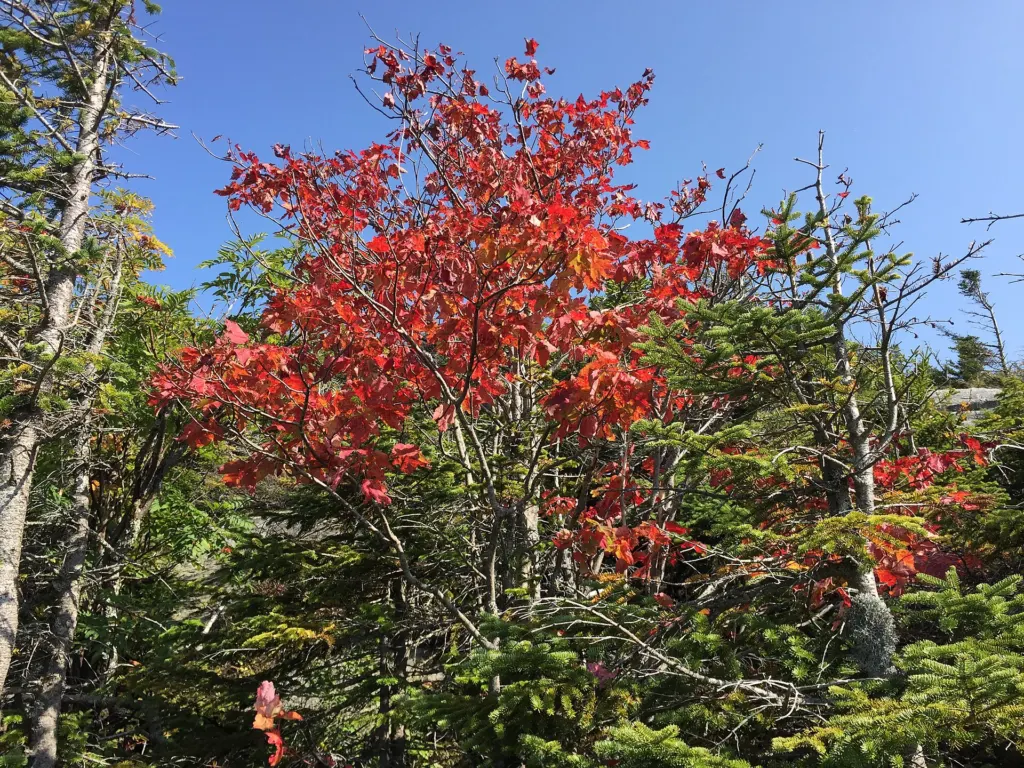
Autumn leaves turn yellow when chlorophyll breaks down and reveals carotenoids, while reds come from anthocyanin pigments that trees make fresh each fall.
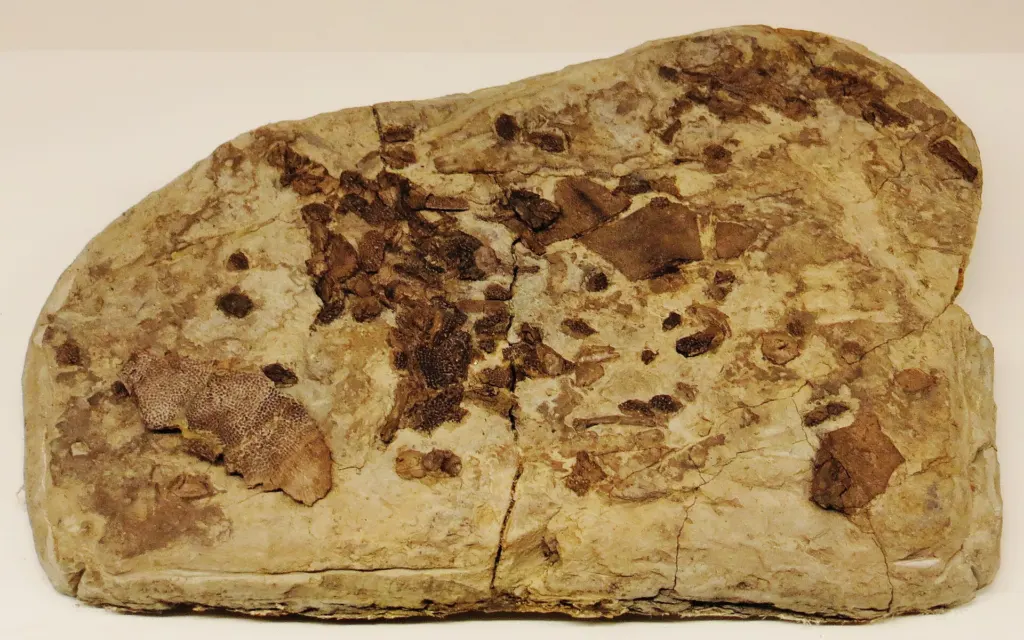
Gerrothorax maritimus, an armored amphibian almost three feet long, lived fully at sea 237 million years ago, two skeletons from Guizhou, China, show.
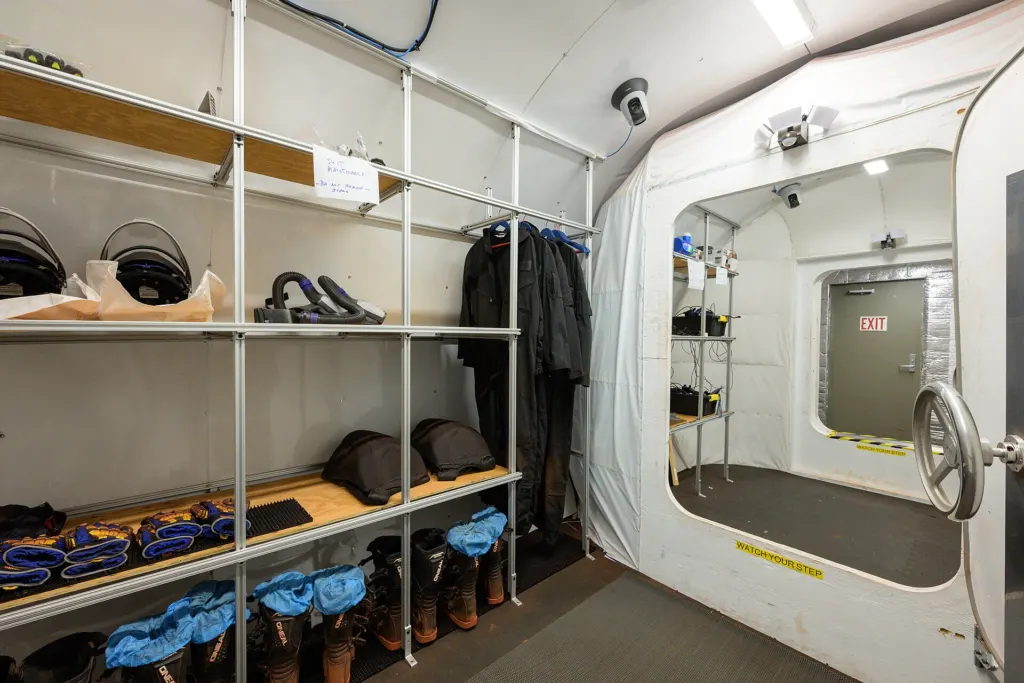
NASA’s CHAPEA Mission 2 crew left the 3D-printed Mars Dune Alpha habitat in Houston on October 31 after 378 days, with messages delayed up to 22 minutes.
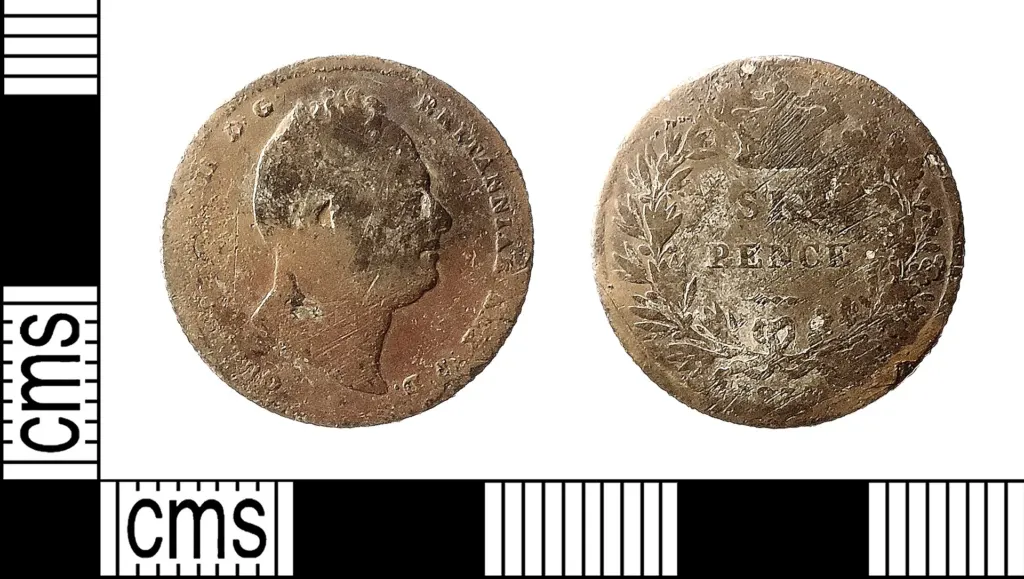
A crushed 1834 William IV sixpence from a Greater Manchester car-boot sale was most likely deformed at the mint during striking, a lab study finds.
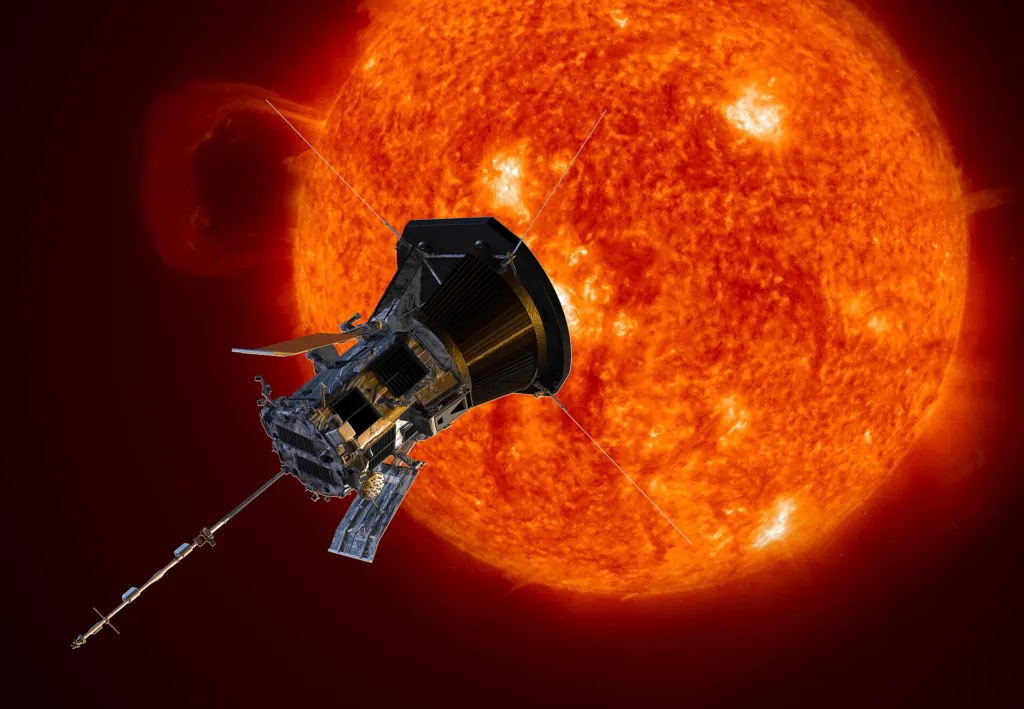
NASA’s Parker Solar Probe data show solar wind magnetic fields reverse their twist at one scale, a 10-country team reported in a paper on October 13.
The Lumina simulation from MIT, Harvard and partners models the universe’s first 2 billion years, capturing hydrogen and helium reionization together.
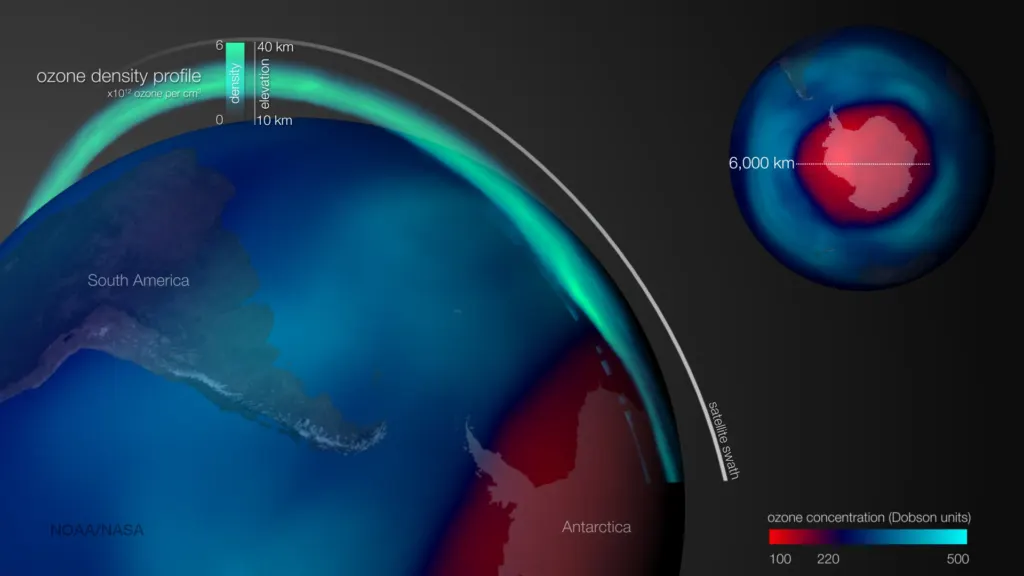
The 2026 Antarctic ozone hole averaged 9.6 million square miles, NASA and NOAA said, ranking seventh largest in 48 years and the biggest in a decade.
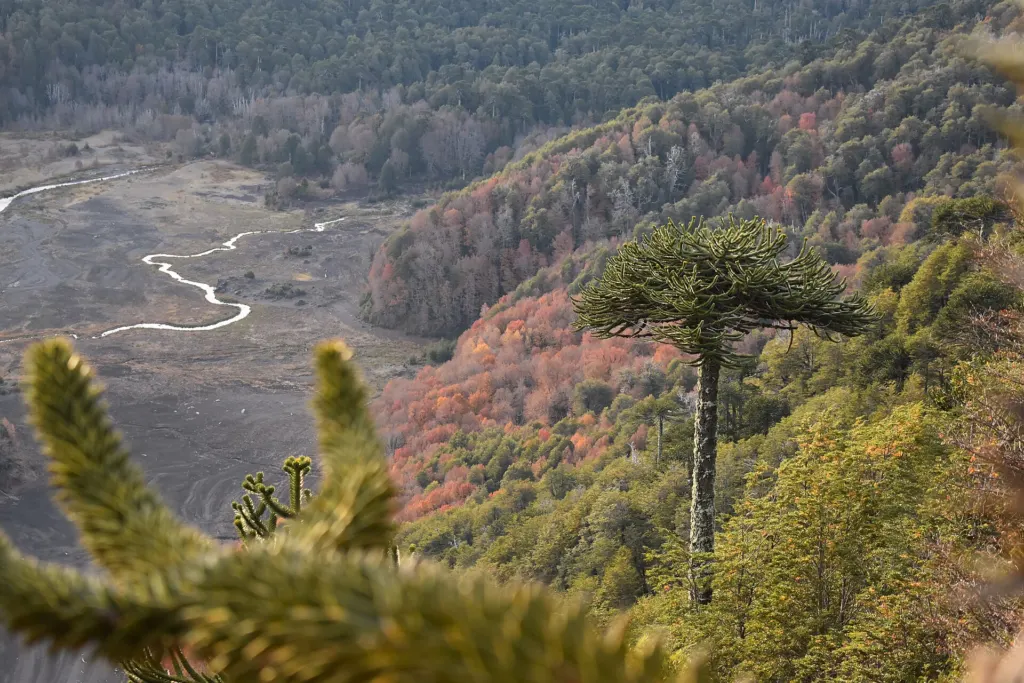
Araucaria, the monkey-puzzle tree genus, dates to the Middle Jurassic; a Patagonian petrified forest kept its 100-meter trunks for 160 million years.
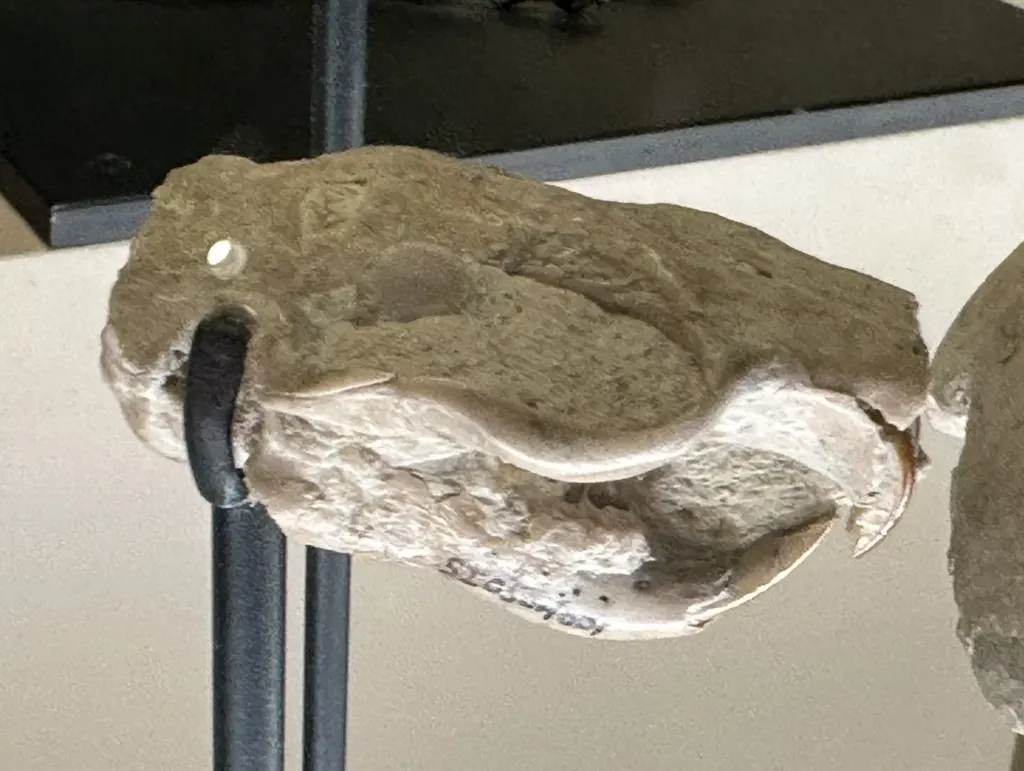
Yakamys sirindhornae, a roughly 30-kilogram rodent known from two fossil teeth from Thailand, is the largest early rodent of its family found in Asia.
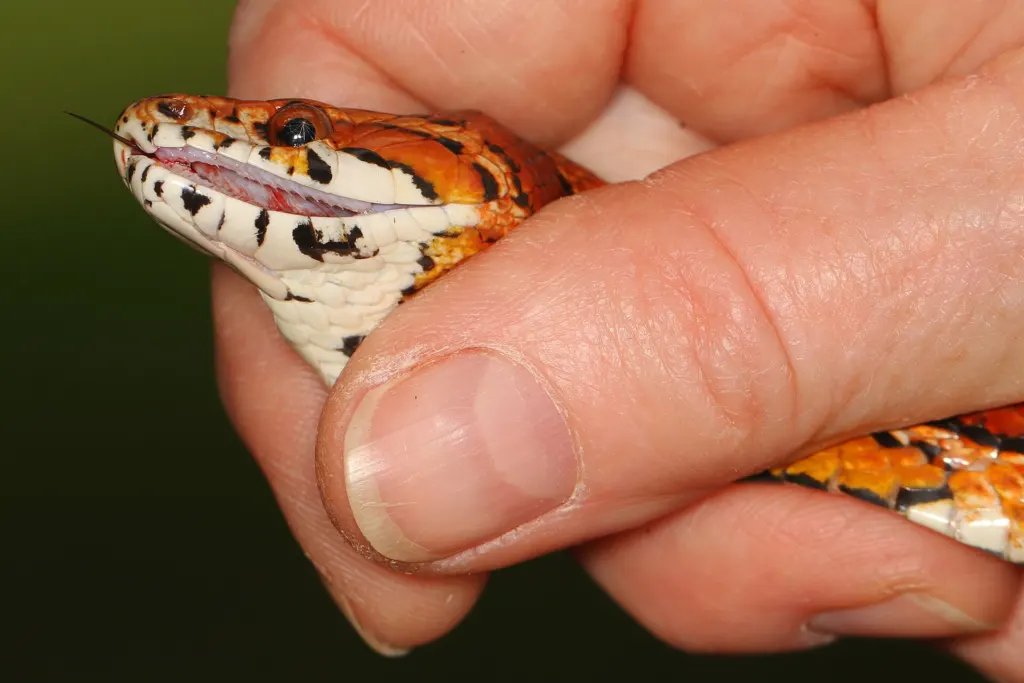
Babies are not born afraid of snakes, Vanessa LoBue’s research found: infants linked snakes to fearful voices but showed no fear of their own.
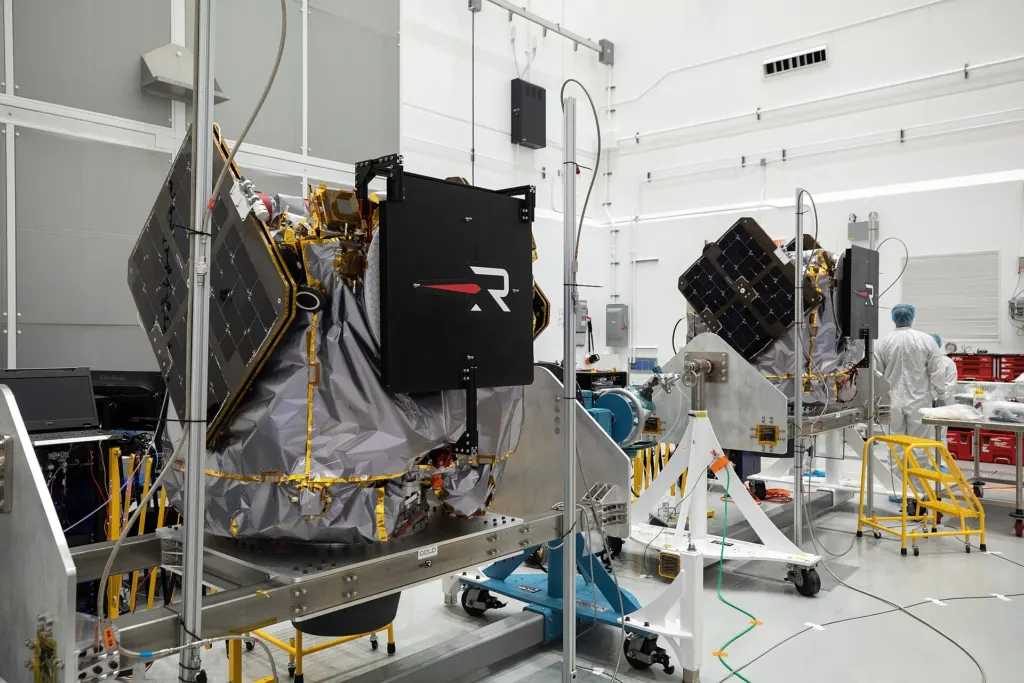
NASA’s twin ESCAPADE spacecraft completed powered Earth flybys on November 7 and 9, a first for a Mars mission, and will reach Mars in September 2027.
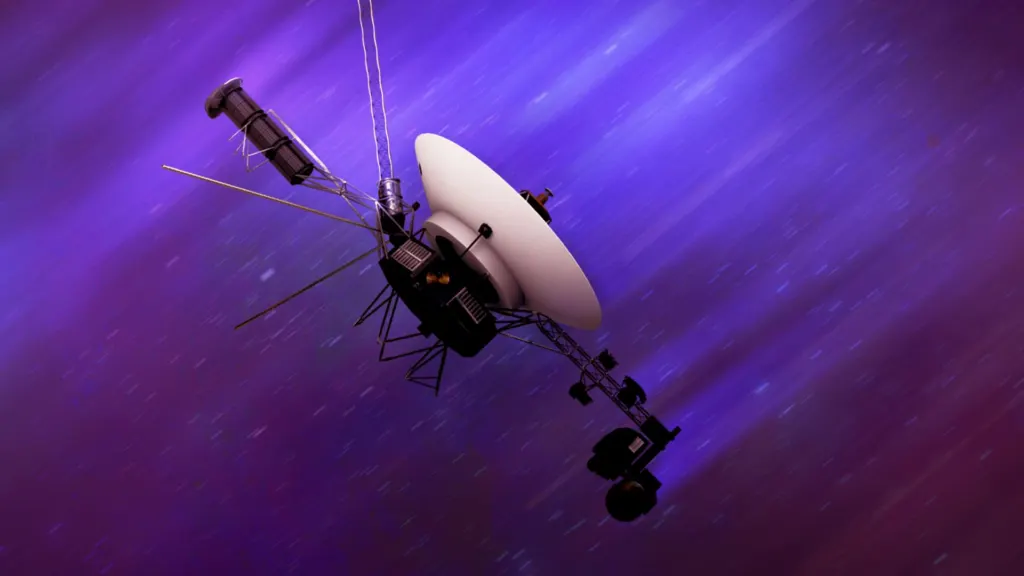
NASA invites people worldwide to flash V-G-R in Morse code on November 17 as Voyager 1 nears one light-day, about 16 billion miles, from Earth.
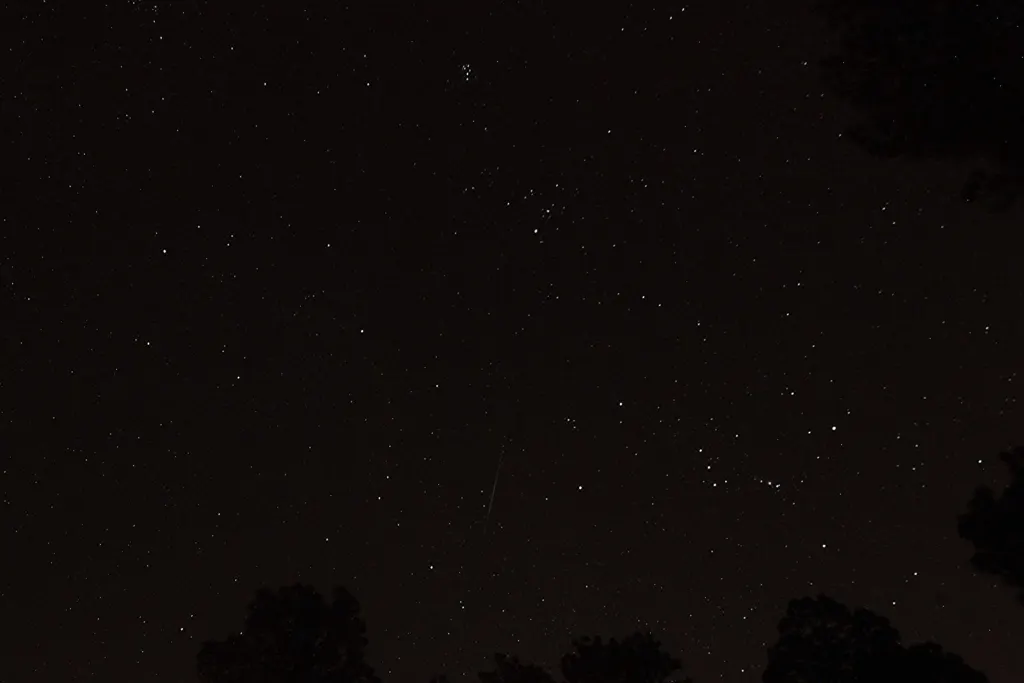
The Northern Taurid meteor shower peaks around November 12 with about five meteors an hour, NASA says, and a new Moon leaves the sky dark.
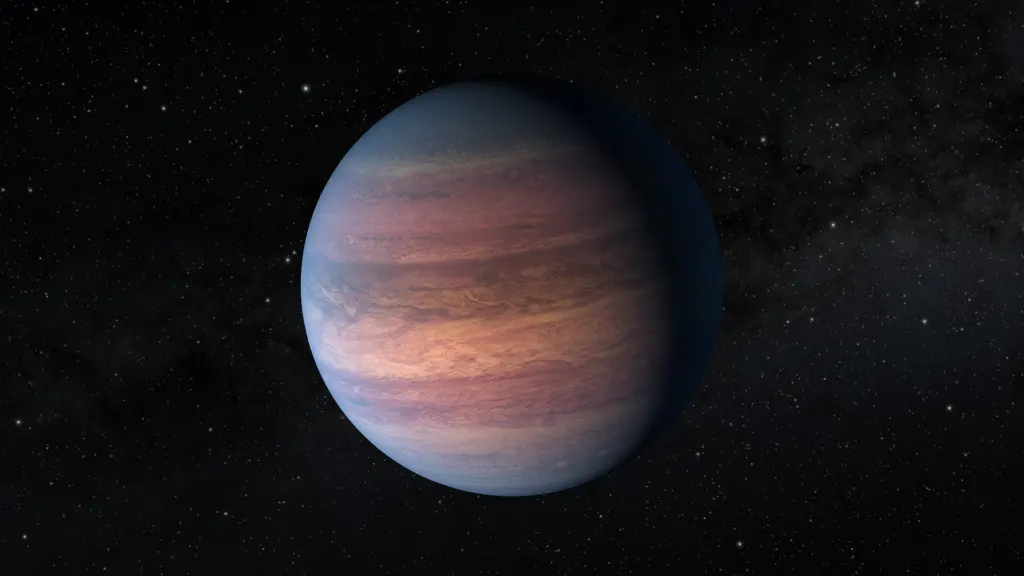
TOI-2535 b is the first planet around a single star seen to stop transiting, after TESS watched its orbit tilt out of view between 2019 and 2026.
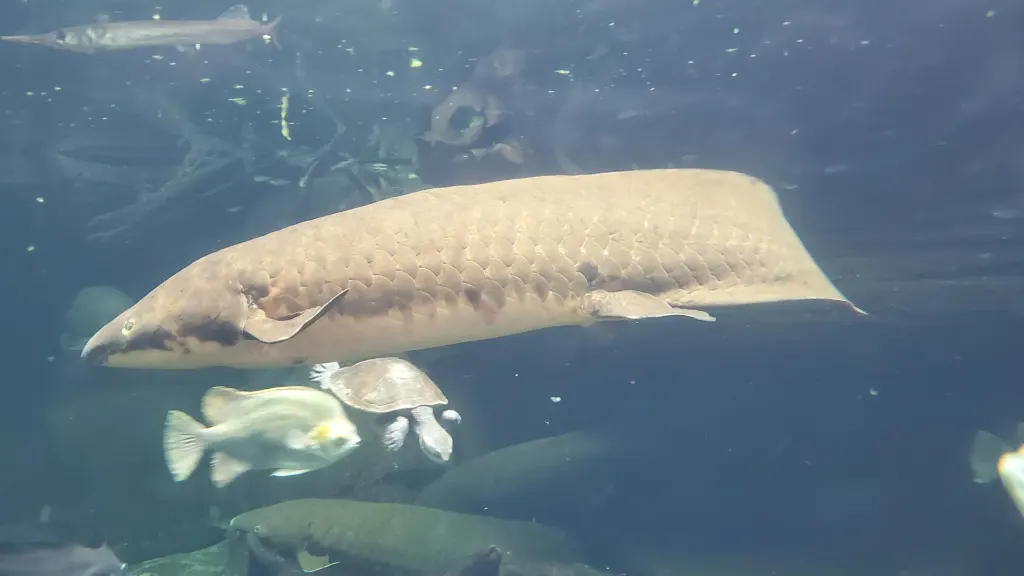
An Australian lungfish yawned more often than three air-breathing African lungfish in a Japanese study, and all four fish yawned only underwater.
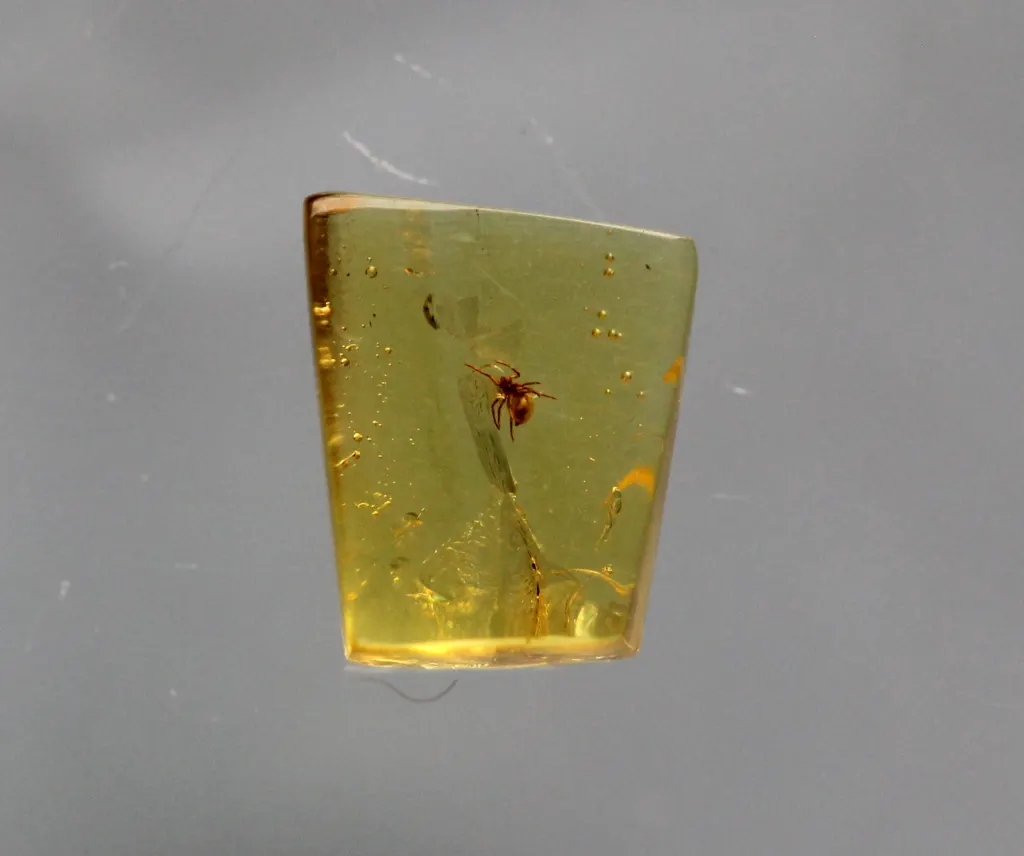
Spiders trace back to silk-making relatives like Attercopus 380 million years ago, while true spider fossils are about 300 million years old.
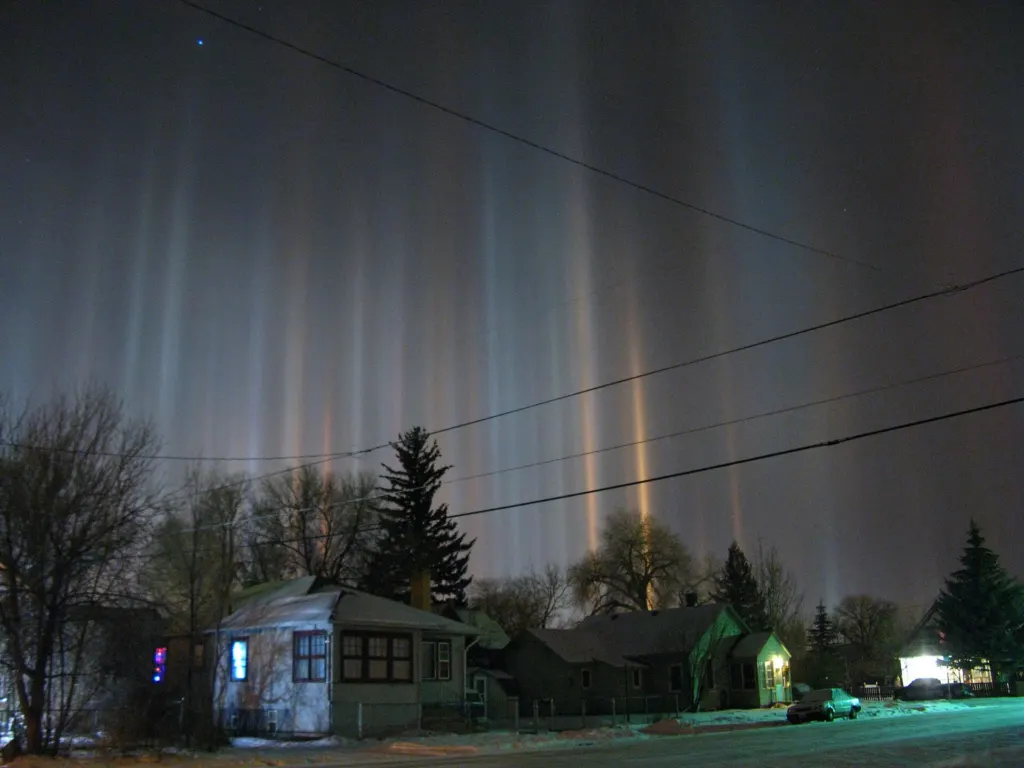
Isaribi kochu light pillars form over the Sea of Japan when flat ice crystals in calm, cold air reflect the lamps of fishing boats into tall columns.
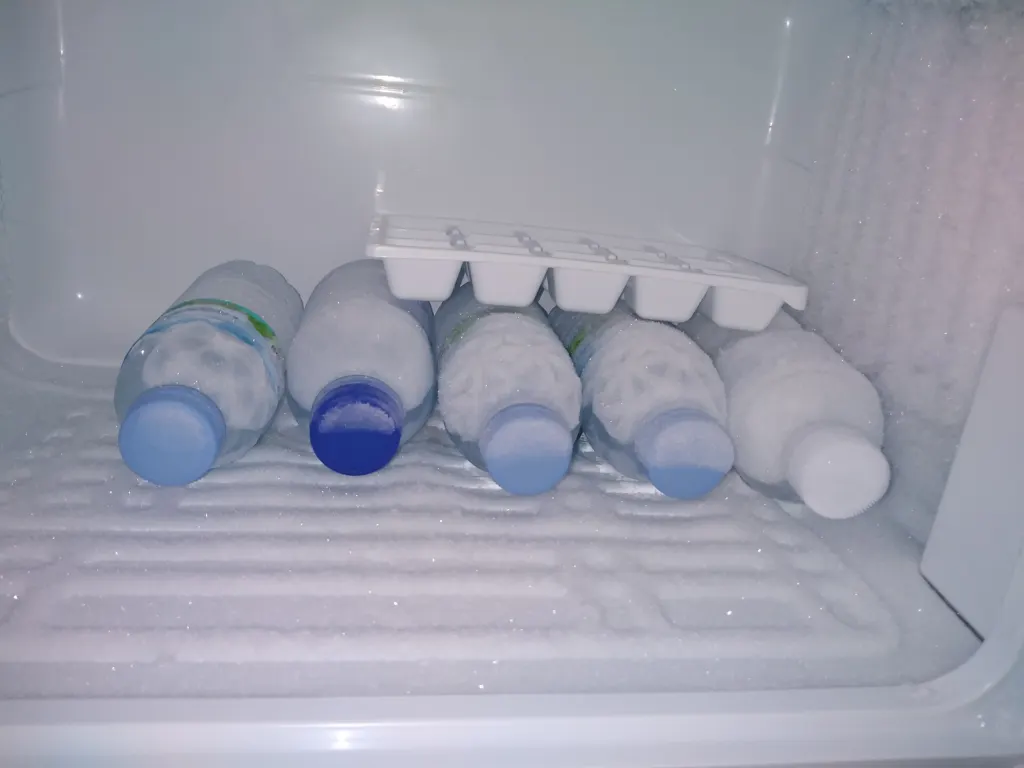
The Mpemba effect, named for a Tanzanian student who saw hot ice cream mix freeze first in 1963, still divides physicists over hot water freezing first.
Early humans at Qesem Cave and other sites in Israel may have kept stones and old tools as keepsakes, Tel Aviv University researchers propose.
We use Google cookies to count readers and see which stories are useful (Analytics), and to show and measure ads (AdSense). They are set only if you accept. You can change your mind any time under “Privacy choices” at the foot of every page. Privacy policy
Your browser sends a Global Privacy Control signal. We treat it as “Reject”: nothing is stored for ads or analytics.