Giant star in Andromeda swallowed its smaller companion and erupted; Webb saw it 47 days later
A giant star nicknamed Bao in the Andromeda galaxy swallowed a smaller companion and erupted in 2025, a Columbia-led team reports in Nature.
Trusted News Discovery – Powered by AI and Verified by Humans
A giant star nicknamed Bao in the Andromeda galaxy swallowed a smaller companion and erupted in 2025, a Columbia-led team reports in Nature.
Moon dust, or lunar regolith, is sharp, sticky and nearly half oxygen by weight, and tests show it can be turned into a cement-like building material.
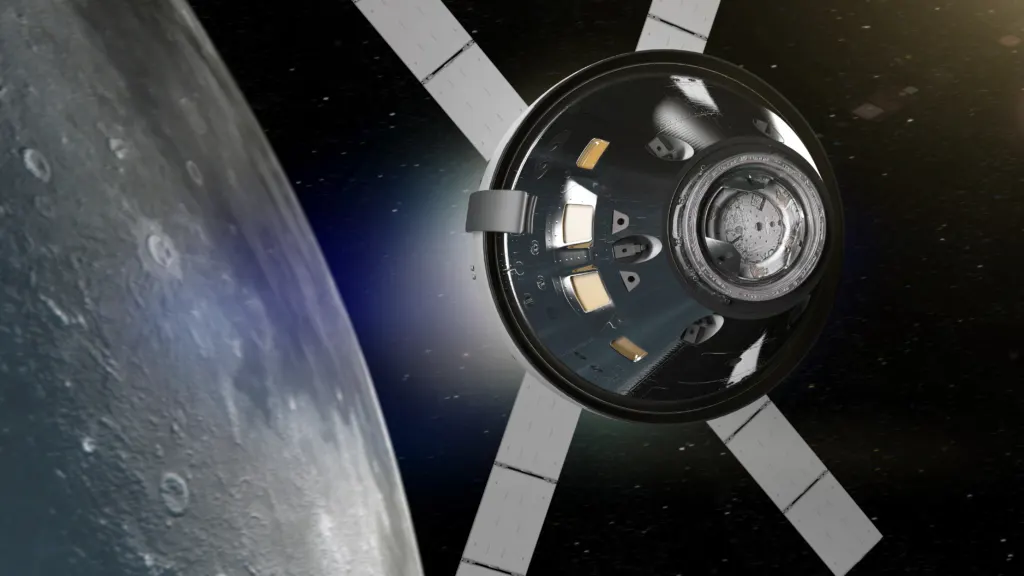
NASA’s Orion will dock with Blue Origin and SpaceX lander test vehicles in Earth orbit on Artemis III in 2027, before the Artemis IV Moon landing in 2028.
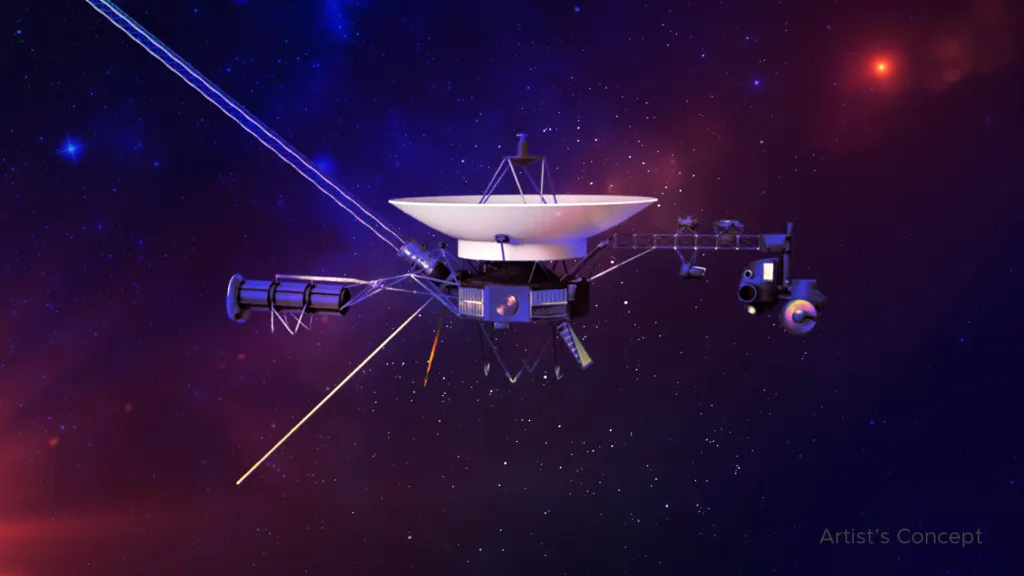
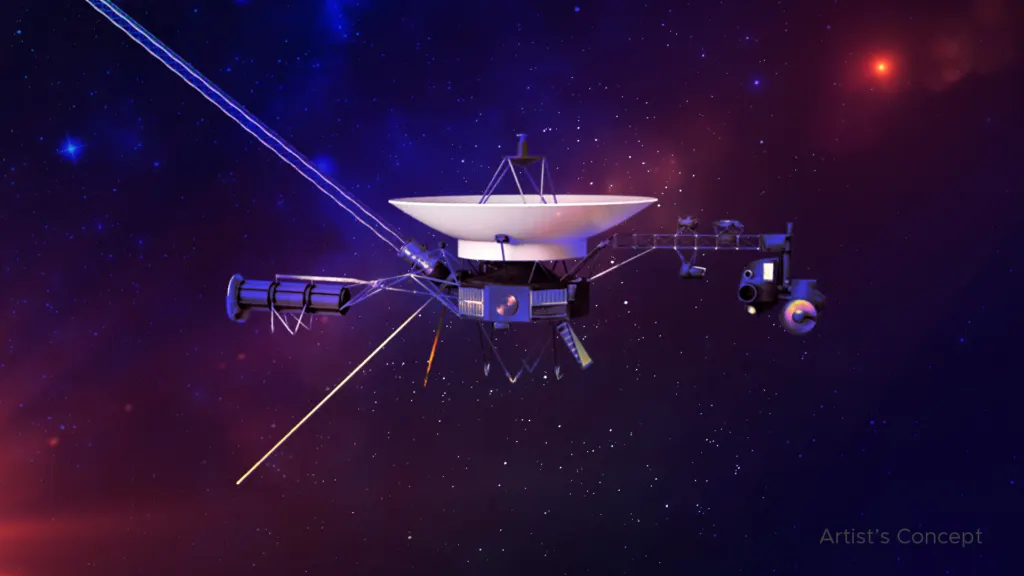
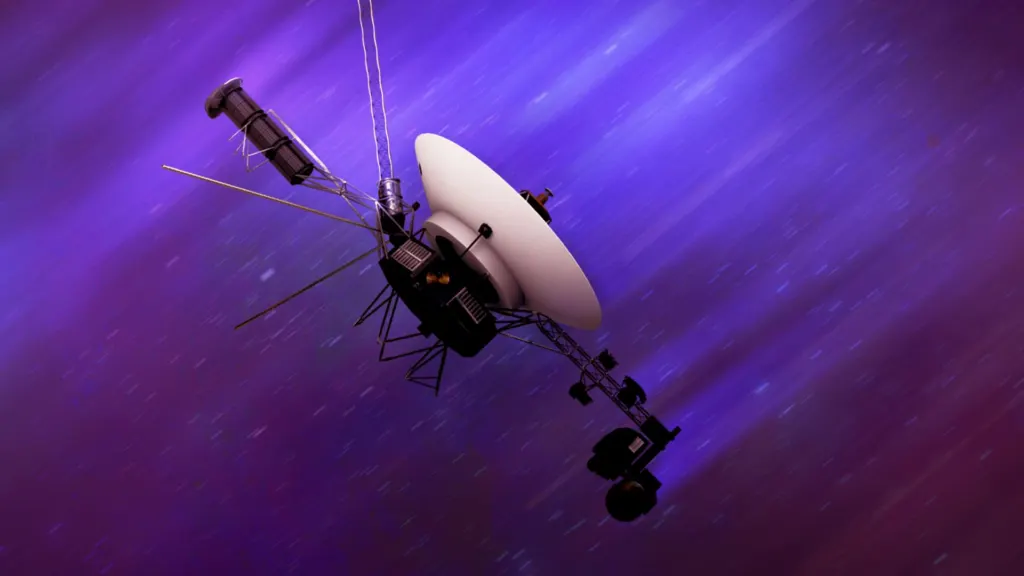
Voyager 1 crossed one light-day from Earth on November 18, 2026, after 49 years of flight; Voyager 2 is due to reach the same mark in November 2035.
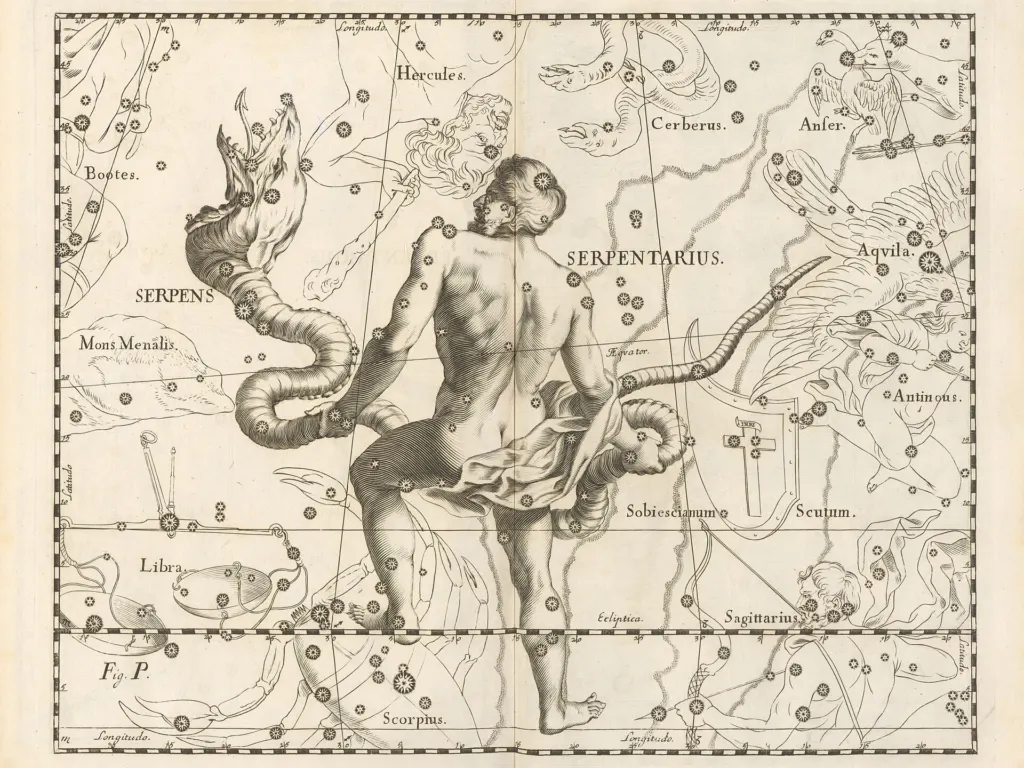
Voyager 1 is traveling toward Ophiuchus, the serpent-bearer constellation that our Sun crosses from November 29 to December 18 each year.
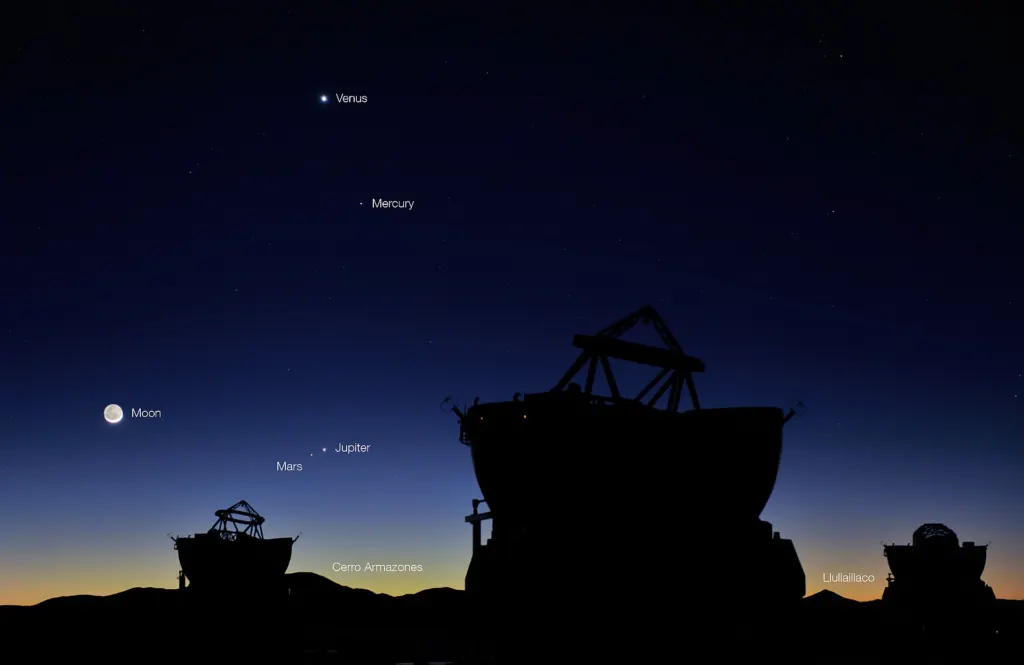
Venus, Mars and Jupiter shine before dawn in November, with Mars and Jupiter 1.2 degrees apart mid-month, NASA’s What’s Up guide says.
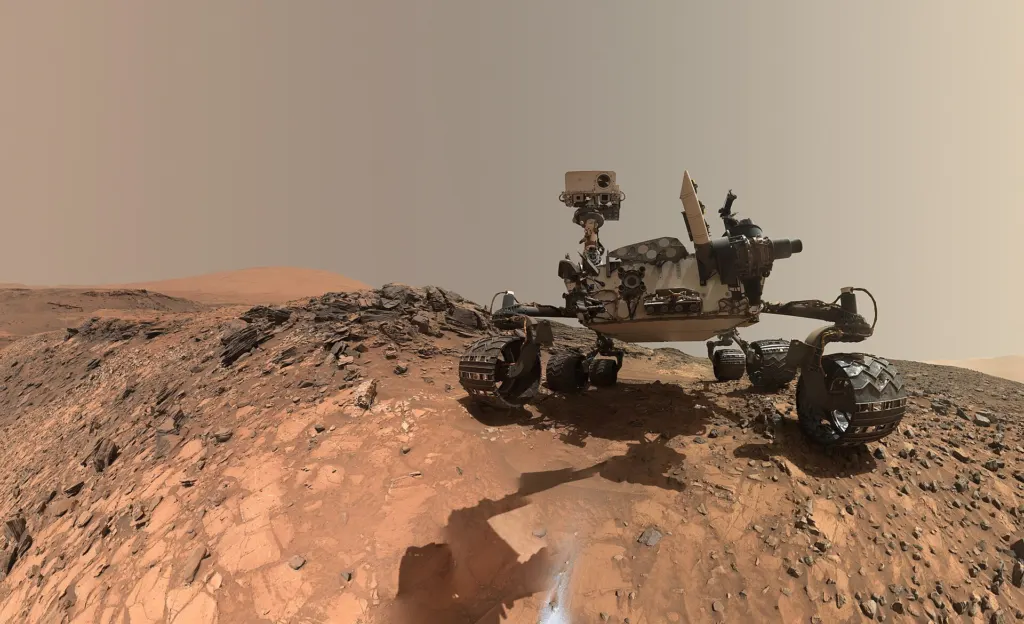
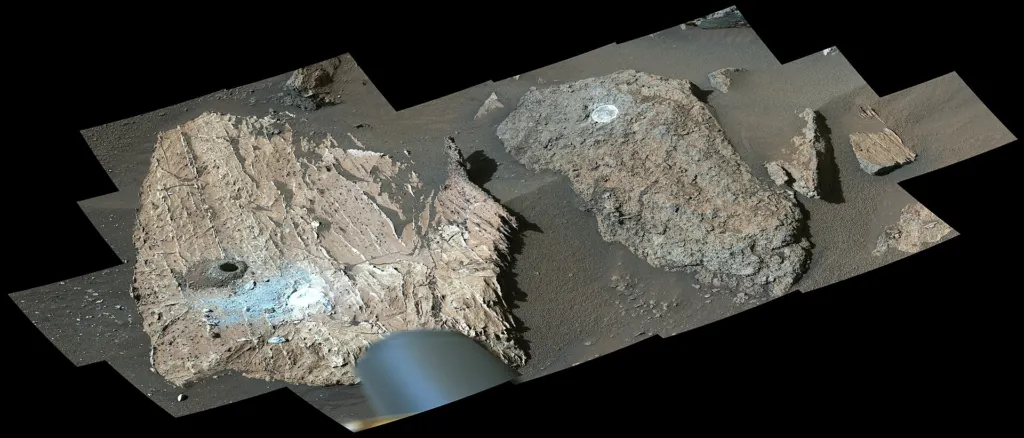
NASA’s Curiosity rover finished drilling the Nazca rock on Mars, whose disk-shaped crystals a team scientist likened to potato chips.
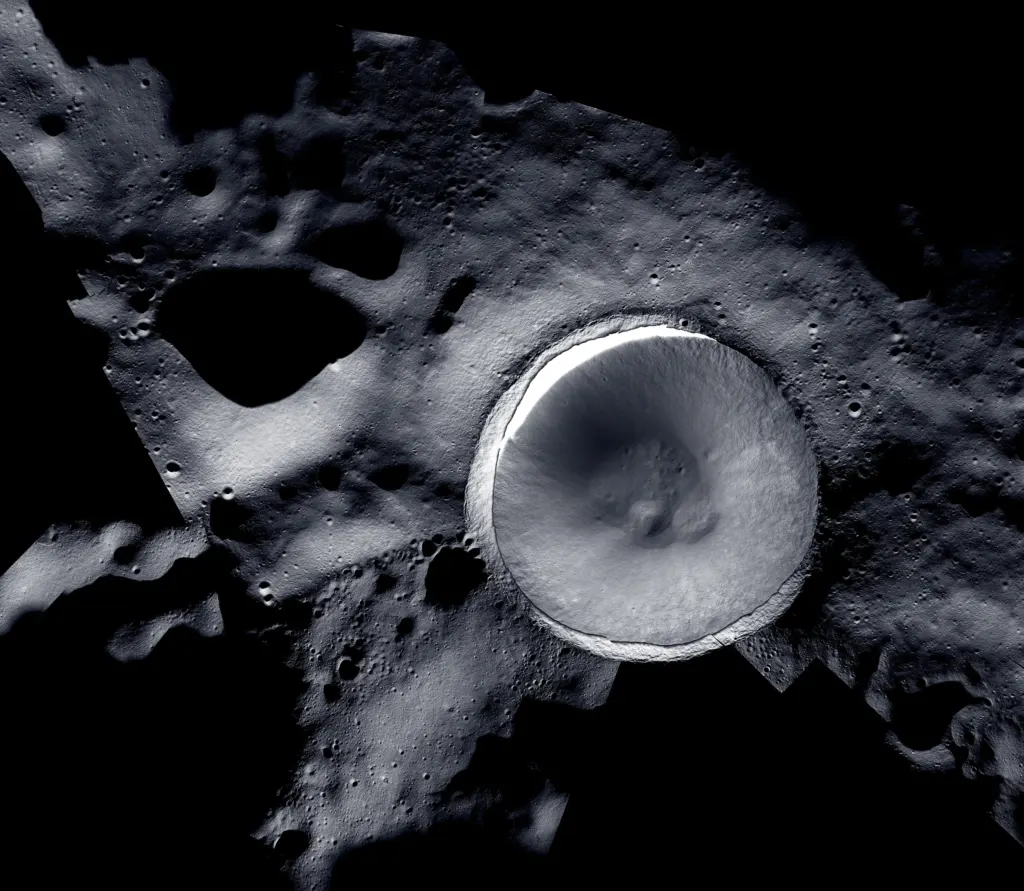
NASA’s $1 million Moon Base Challenge asks US high school and college teams to design a lunar south pole base; registration closes January 25, 2027.
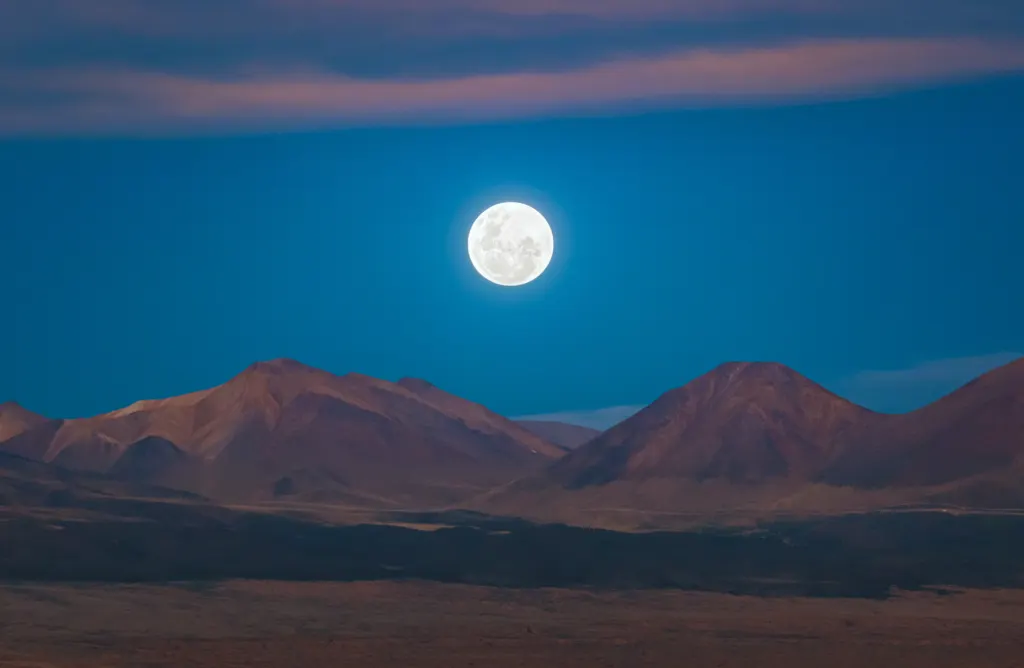
The November 24 supermoon is the first of three in a row, NASA says, with supermoons again in December and January and the Leonids peaking first.
Voyager 1 reaches one light-day, 25.9 billion km from Earth, on November 18, 2026, and its radio delay keeps growing by about 4.9 seconds every day.
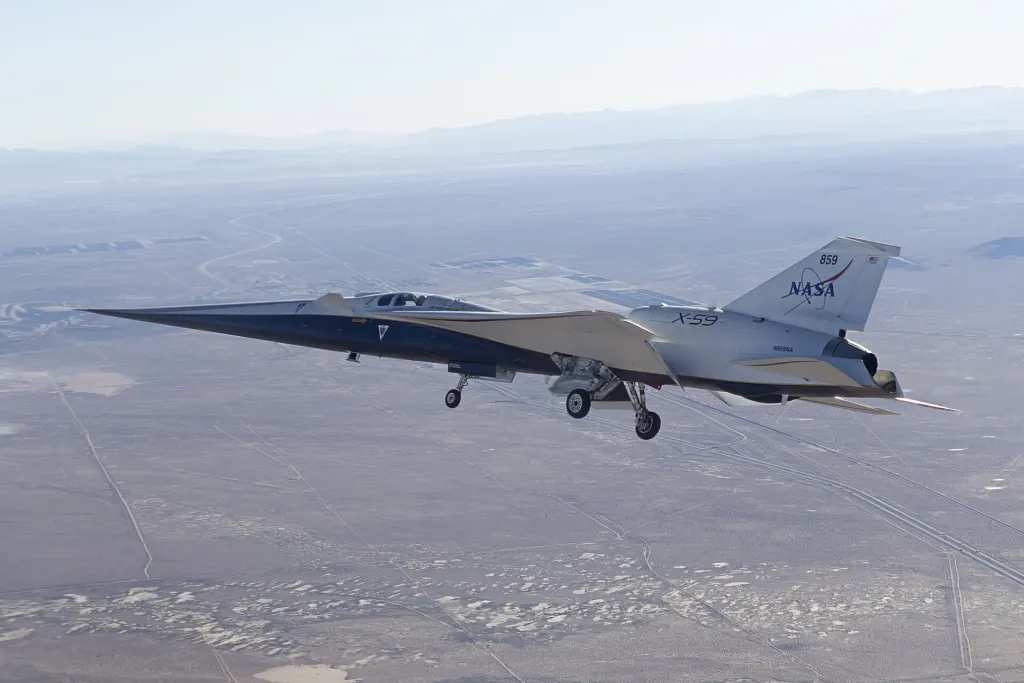
NASA’s X-59 quiet supersonic jet flew cross-country via Fort Worth to Florida after 41 flights, reaching Mach 1.53 and 56,000 feet in its first year.
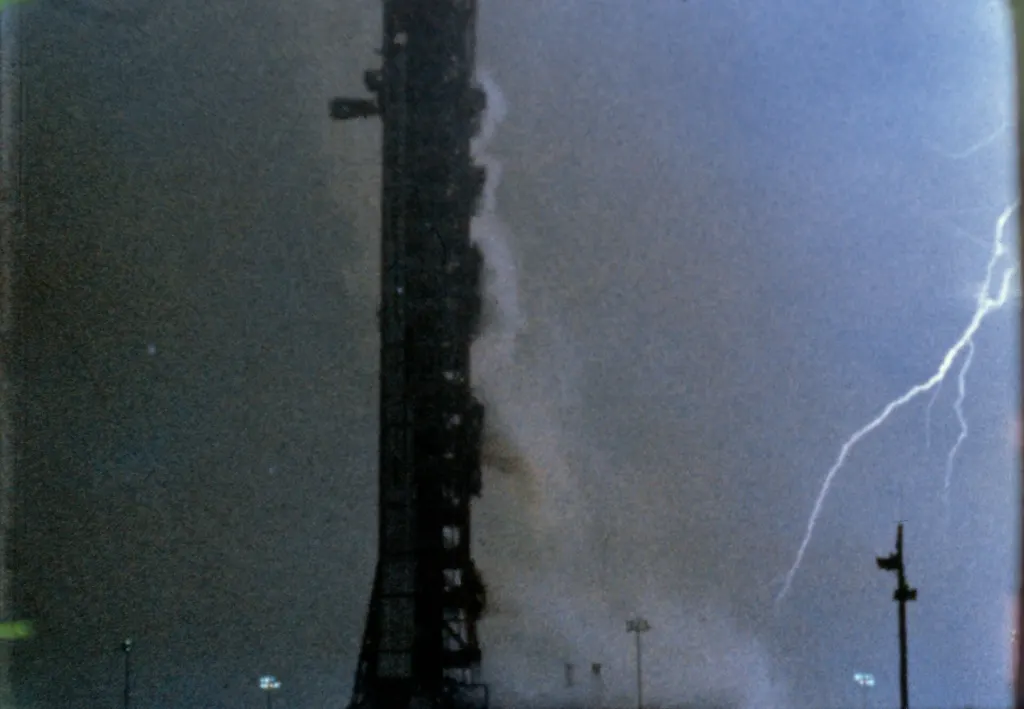
Apollo 12 was hit by lightning 36.5 and 52 seconds after launch on November 14, 1969, until John Aaron’s ‘SCE to Aux’ call fixed it.
NASA’s Perseverance rover confirmed organic carbon in two ancient Bright Angel rocks on Mars, preserved just microns below the planet’s harsh surface.
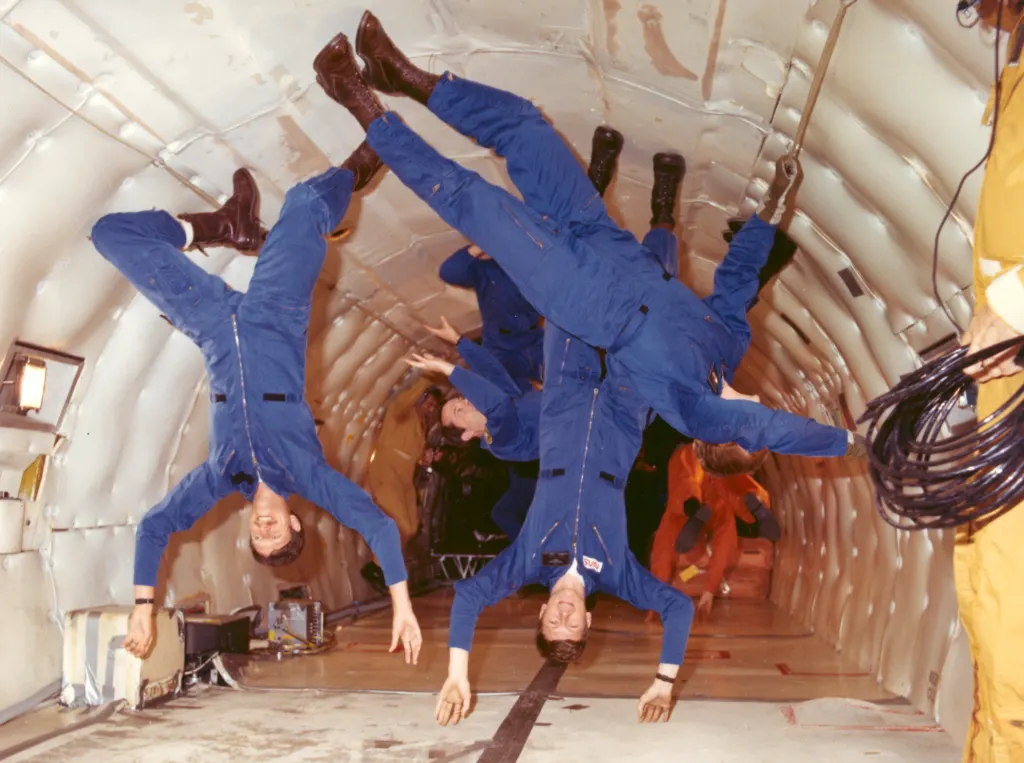
Apollo 13’s floating scenes were shot aboard NASA’s KC-135 ‘Vomit Comet,’ which flew 612 parabolic dives to give the cast real weightlessness.
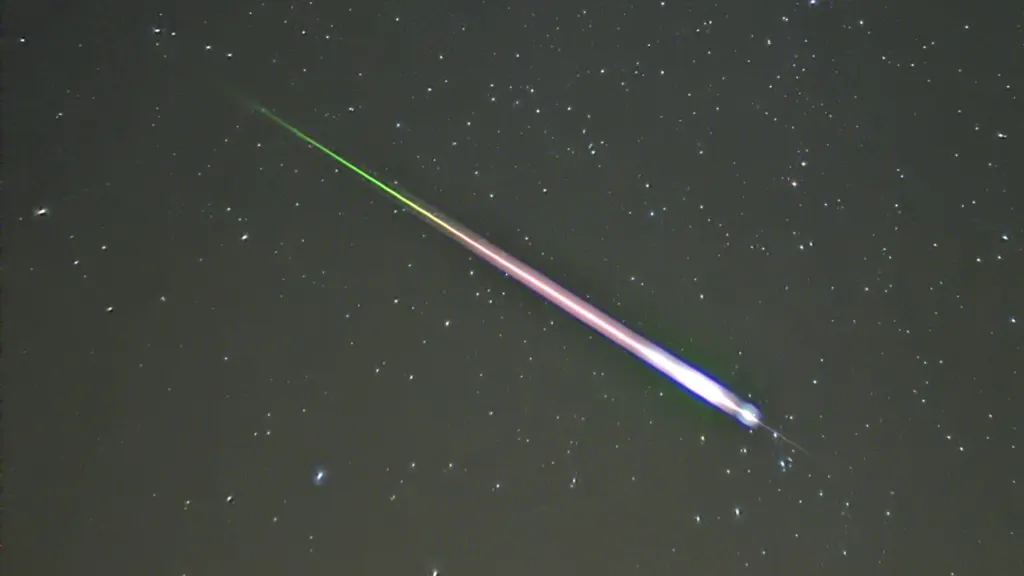
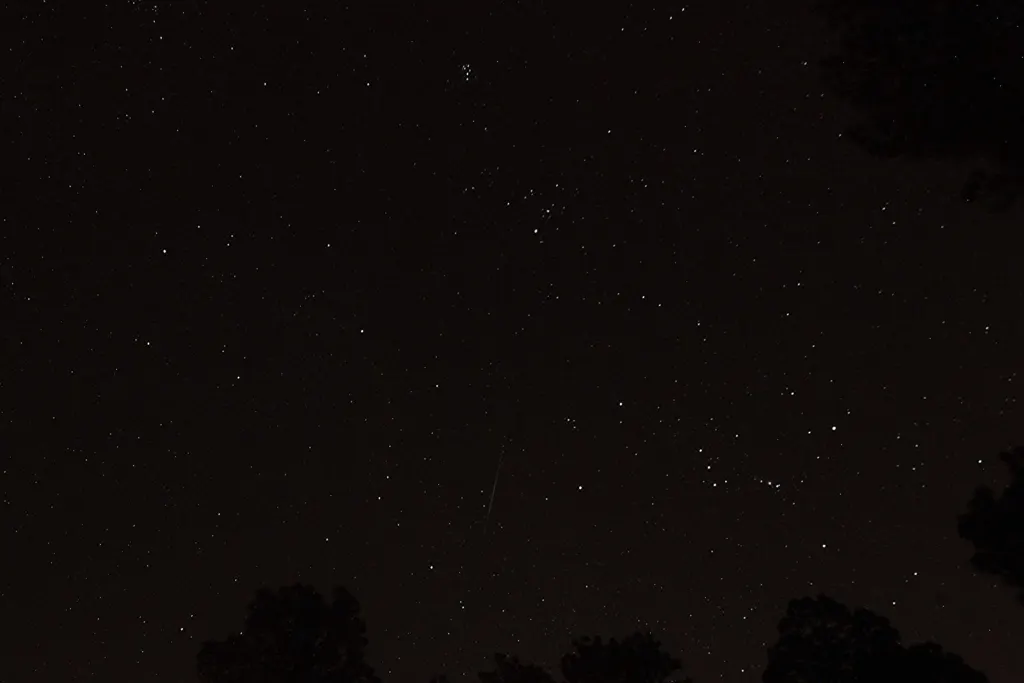
The Leonid meteor shower peaks around November 17, 2026, with the Moon setting before midnight; its fast meteors come from comet Tempel-Tuttle.
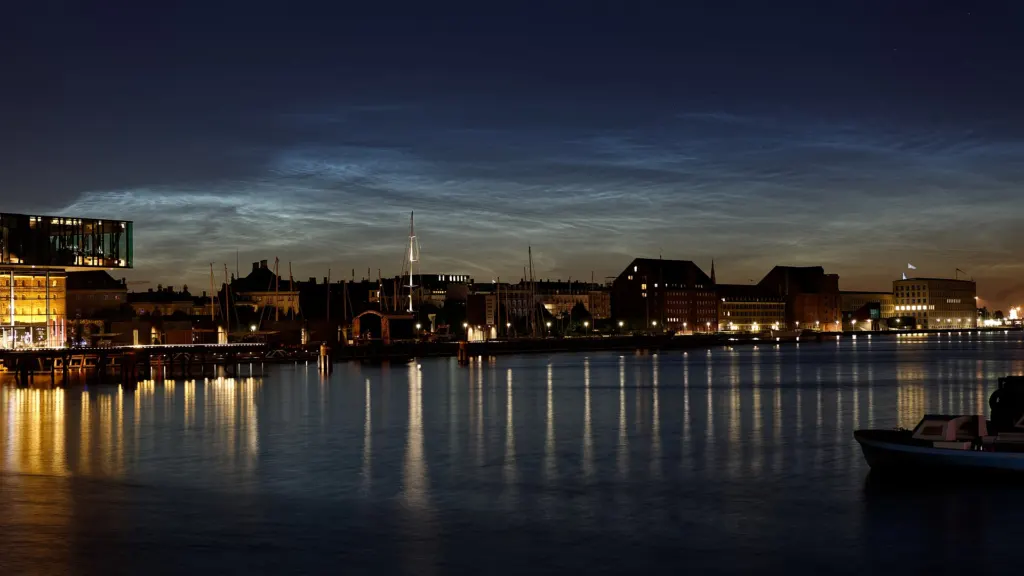
Noctilucent clouds form 47 to 53 miles up, the highest on Earth, and appear only at twilight when ice crystals catch sunlight below minus 184°F.
Sonic Fire Tech, founded by former NASA acoustics engineers, says its ceiling-mounted infrasound system can suppress home fires without water or foam.
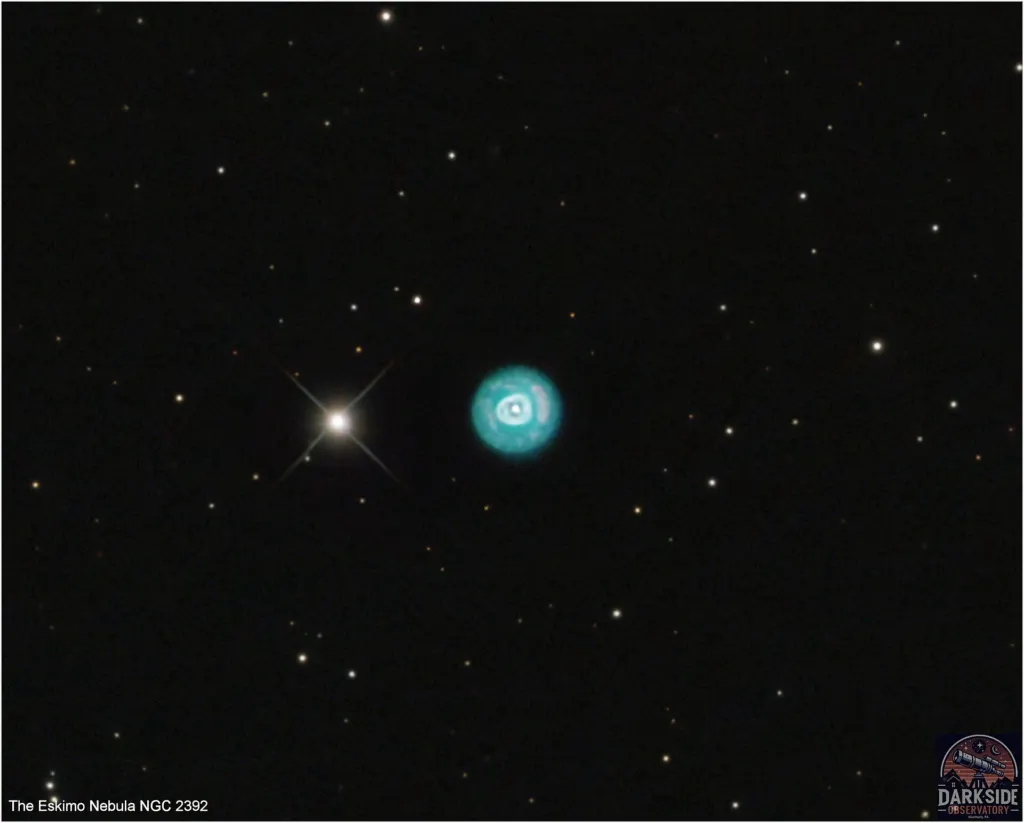
NASA’s Webb telescope imaged the Lion Nebula, NGC 2392, in infrared, showing a white dwarf’s gas bubble inside a dusty mane due to vanish in 10,000 years.
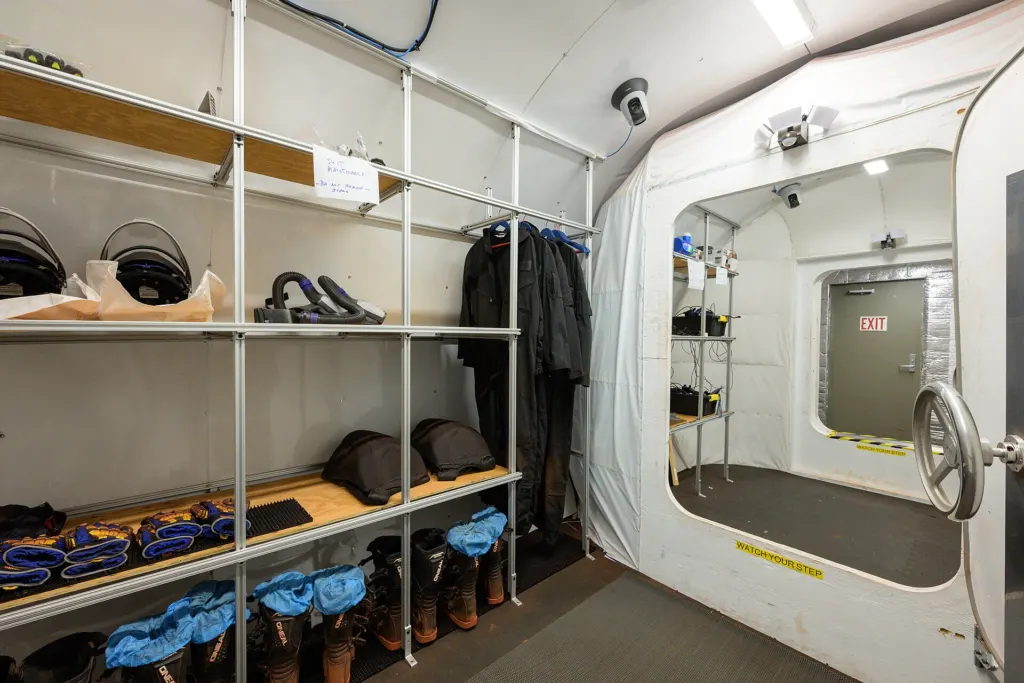
NASA’s CHAPEA Mission 2 crew left the 3D-printed Mars Dune Alpha habitat in Houston on October 31 after 378 days, with messages delayed up to 22 minutes.
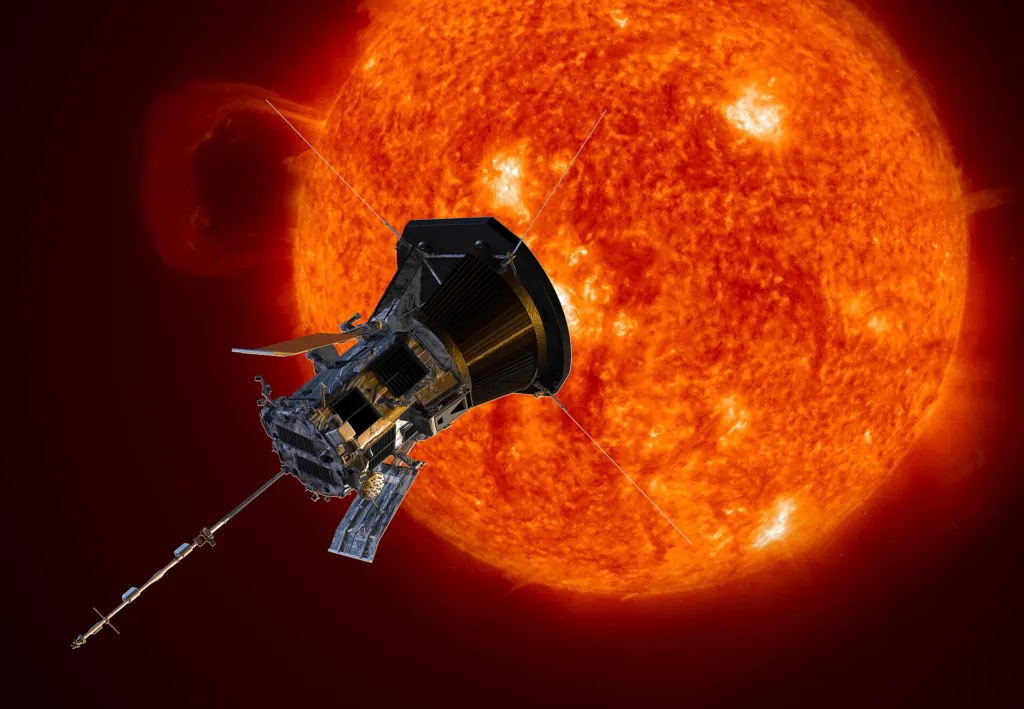
NASA’s Parker Solar Probe data show solar wind magnetic fields reverse their twist at one scale, a 10-country team reported in a paper on October 13.
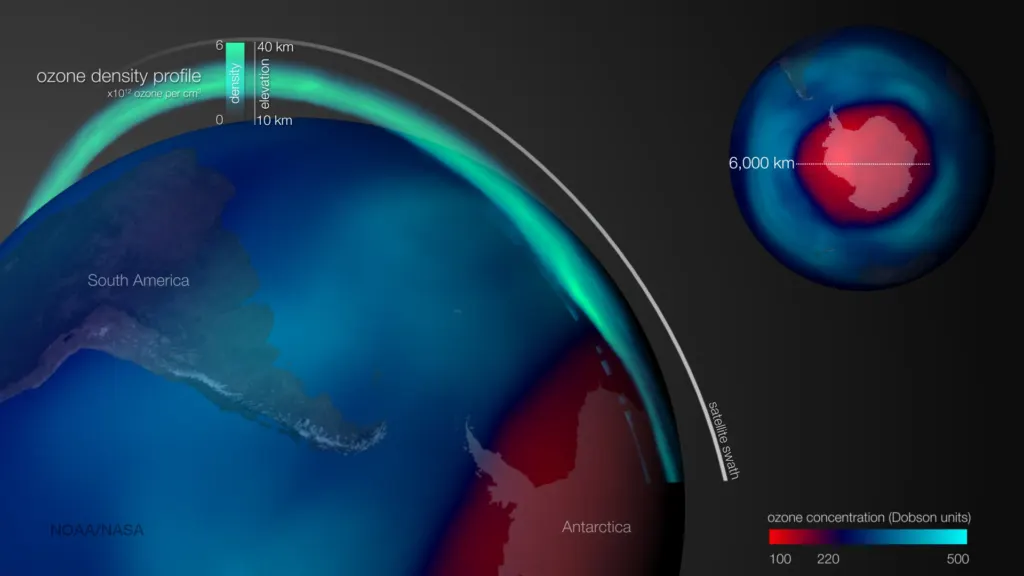
The 2026 Antarctic ozone hole averaged 9.6 million square miles, NASA and NOAA said, ranking seventh largest in 48 years and the biggest in a decade.
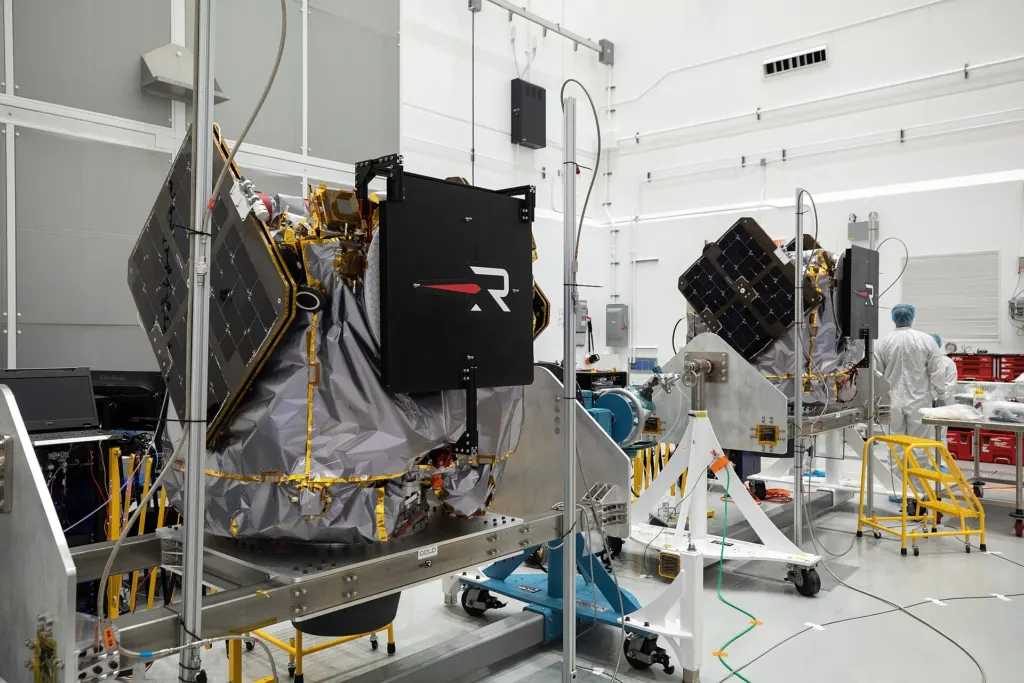
NASA’s twin ESCAPADE spacecraft completed powered Earth flybys on November 7 and 9, a first for a Mars mission, and will reach Mars in September 2027.
NASA invites people worldwide to flash V-G-R in Morse code on November 17 as Voyager 1 nears one light-day, about 16 billion miles, from Earth.
The Northern Taurid meteor shower peaks around November 12 with about five meteors an hour, NASA says, and a new Moon leaves the sky dark.
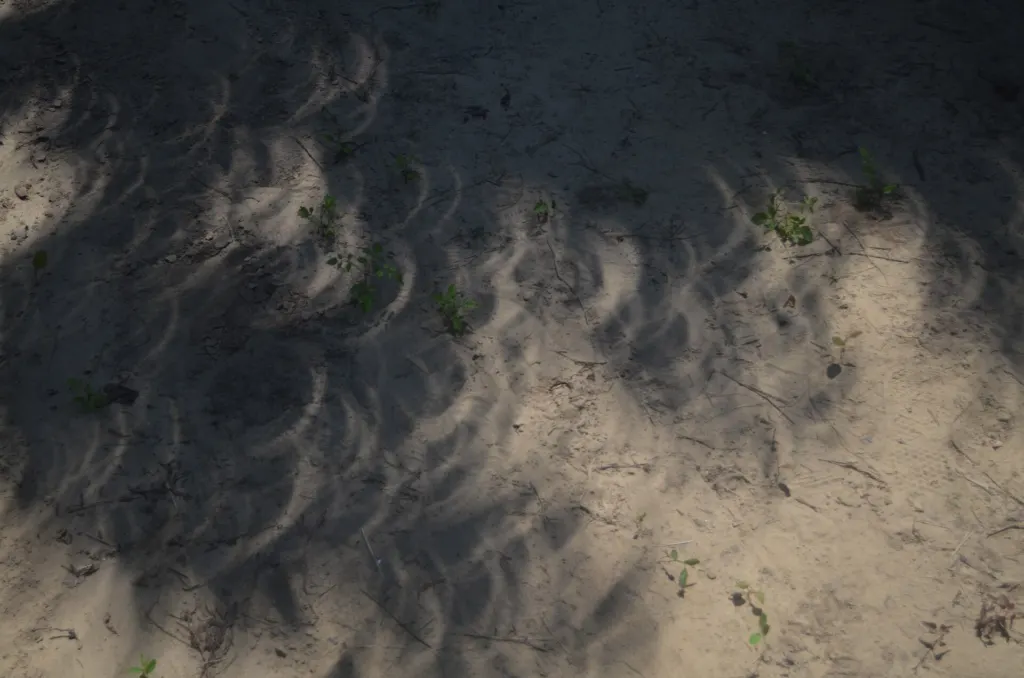
During a solar eclipse, gaps between tree leaves act as pinhole cameras, projecting dozens of tiny crescent images of the solar disk below.
We use Google cookies to count readers and see which stories are useful (Analytics), and to show and measure ads (AdSense). They are set only if you accept. You can change your mind any time under “Privacy choices” at the foot of every page. Privacy policy
Your browser sends a Global Privacy Control signal. We treat it as “Reject”: nothing is stored for ads or analytics.