Voyager 1 passed Saturn 46 years ago on November 12; on November 18 it reaches one light-day from Earth
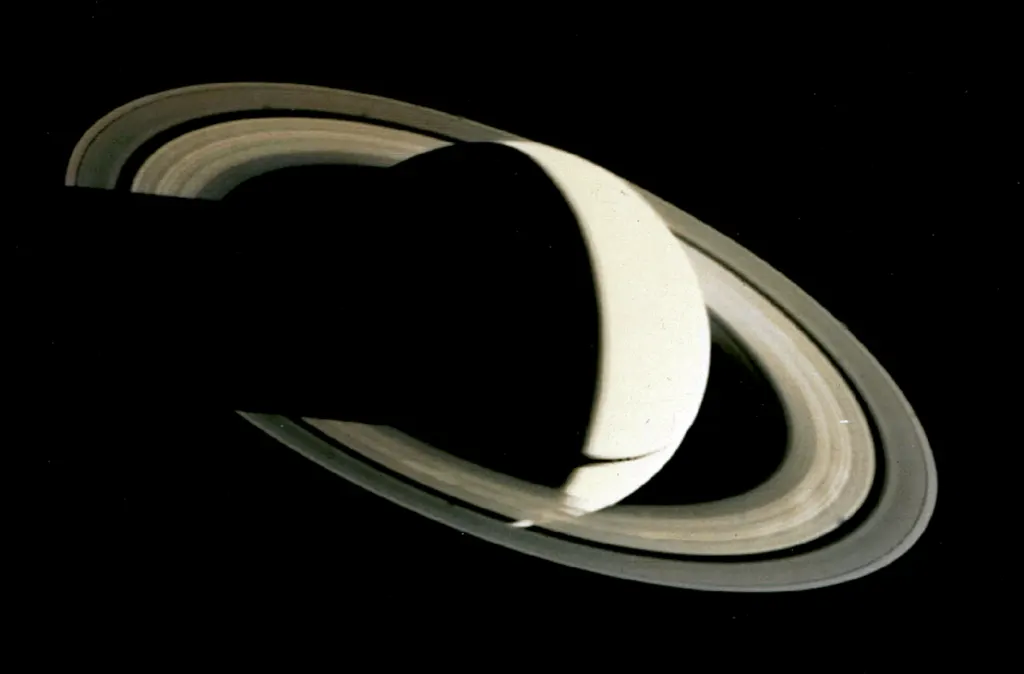
Voyager 1 flew past Saturn on November 12, 1980, and on November 18, 2026, it will be one light-day, about 16.1 billion miles, from Earth.
Trusted News Discovery – Powered by AI and Verified by Humans
Voyager 1 flew past Saturn on November 12, 1980, and on November 18, 2026, it will be one light-day, about 16.1 billion miles, from Earth.
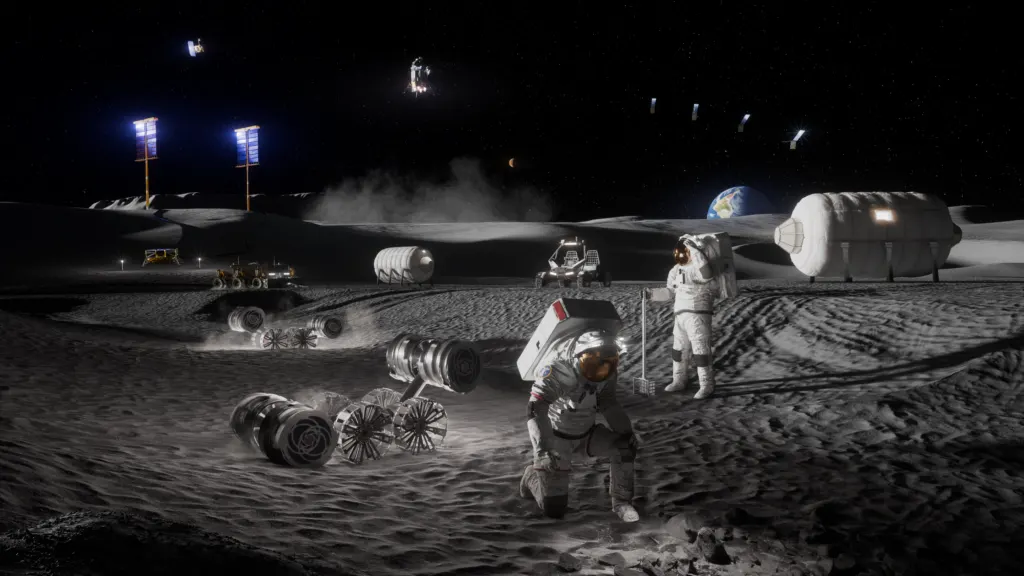
The 10-year deal guarantees no one that sum. The firm money so far is smaller, including $94 million for Blue Origin to land a nuclear-powered rover built from Mars rover spares.
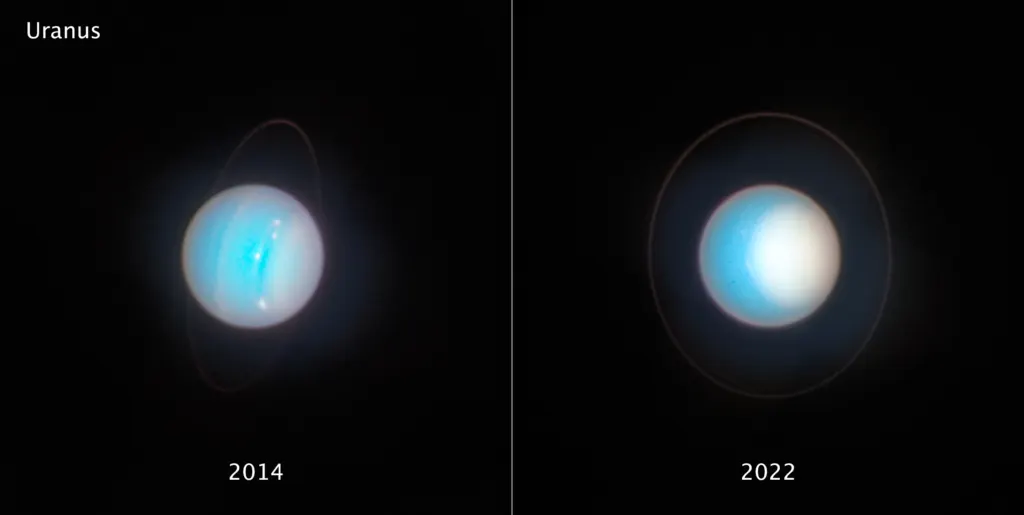
NASA lists the planet’s year at 84 Earth years, so each season lasts about two decades. Simulations favor an impact at least twice Earth’s mass, but a 2022 study blames a lost moon.
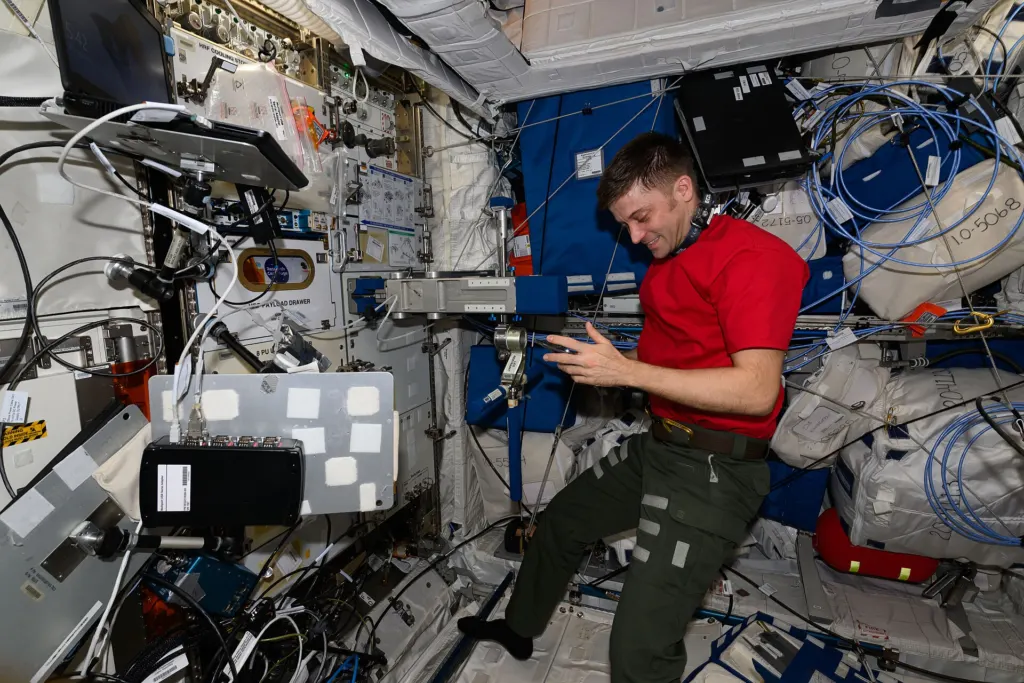
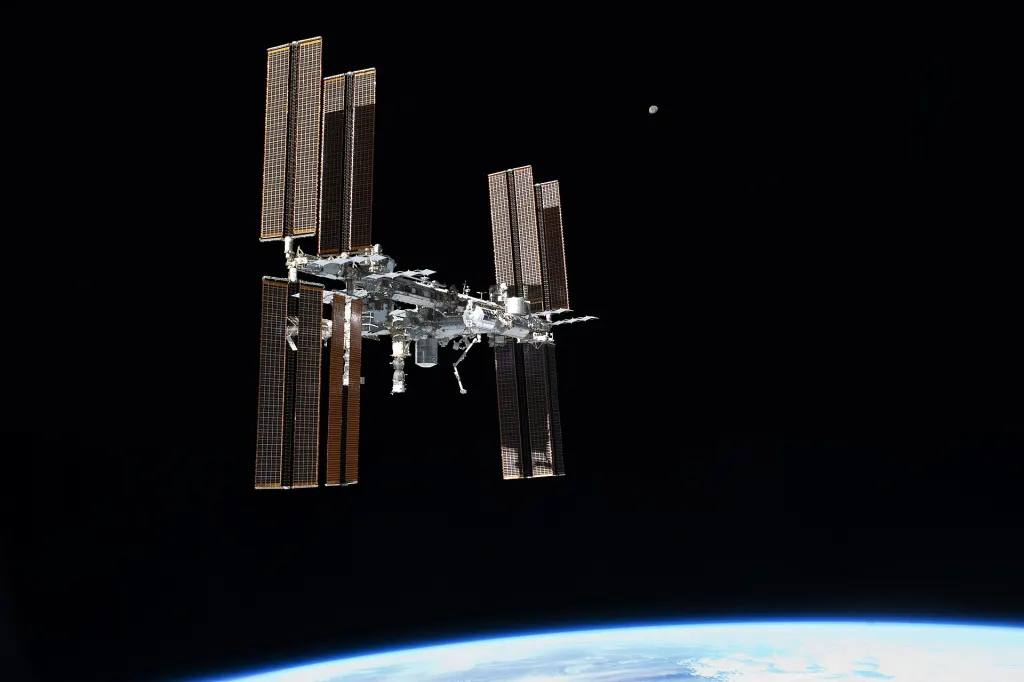
With no gravity to press on a scale, station crews use Newton’s second law instead, while a Russian machine on board times them bouncing up and down like riders on a pogo stick.
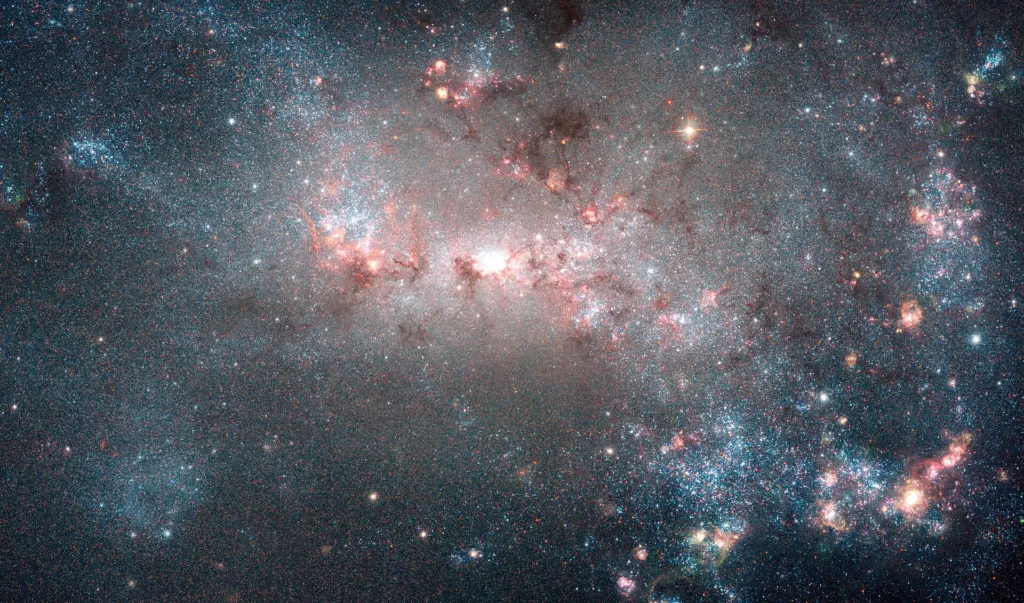
A study published November 2 in The Astrophysical Journal tallied oxygen in the stars, gas and dust of 37 small galaxies within 19.6 million light-years. Retention ran from 4% to 25%.
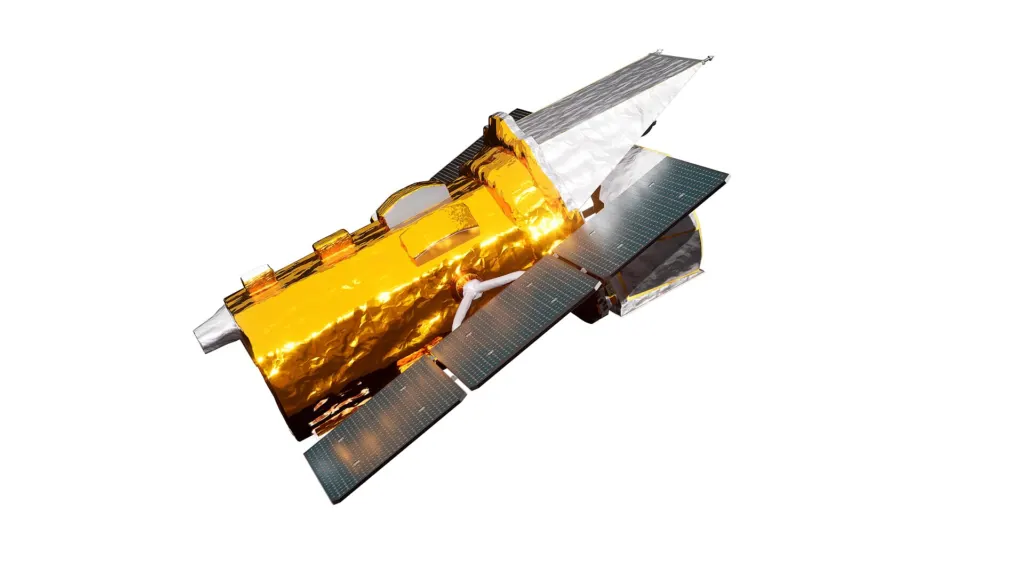
The Space Force placed the 7:39 a.m. EST re-entry over North Sumatra, Indonesia. A $30 million robotic rescue never reached the drag-stricken observatory, and no single telescope replaces it.
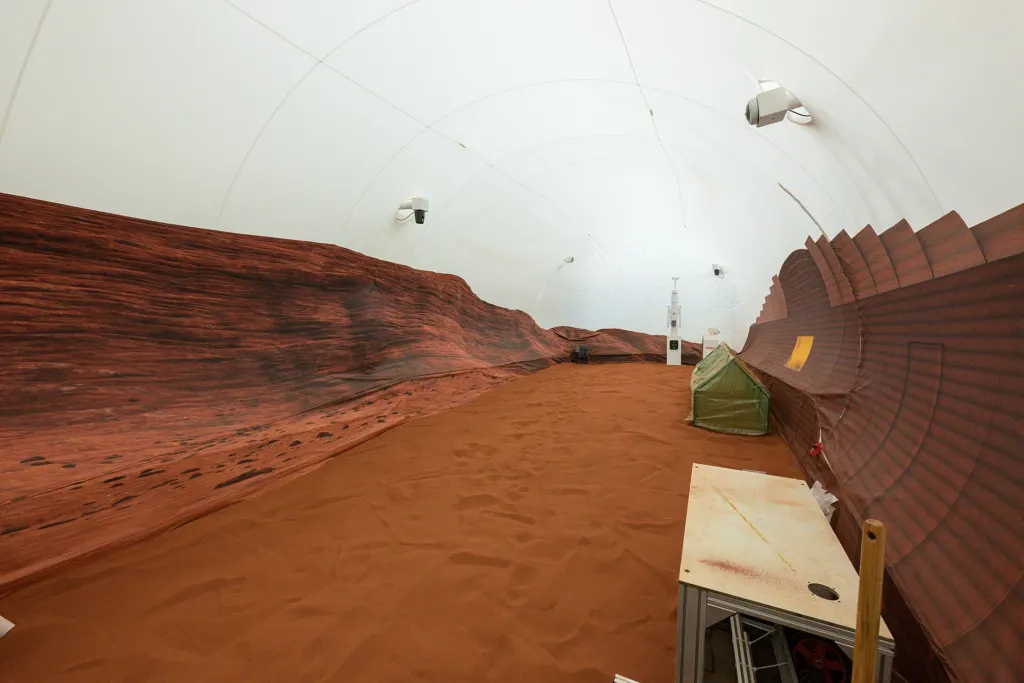
Commander Ross Elder, Ellen Ellis, Matthew Montgomery and James Spicer entered the 3D-printed Mars Dune Alpha habitat on October 19, 2025, matching Mission 1’s 378-day stay to the day.
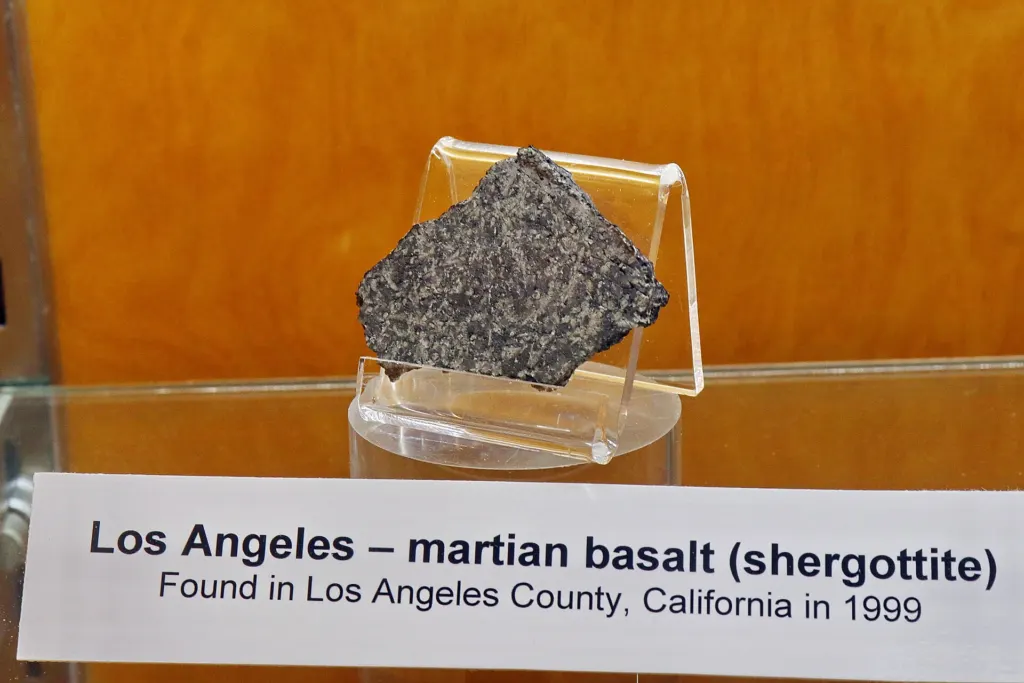
Found on a Mali salt plain in 2022, the 800-gram Teghaza 001 is one of the three oldest Martian meteorites known, and its zircons point to a lively early water cycle.
Ross Elder, Ellen Ellis, Matthew Montgomery and James Spicer have lived in a 1,700-square-foot 3D-printed habitat at Johnson Space Center since October 2025.
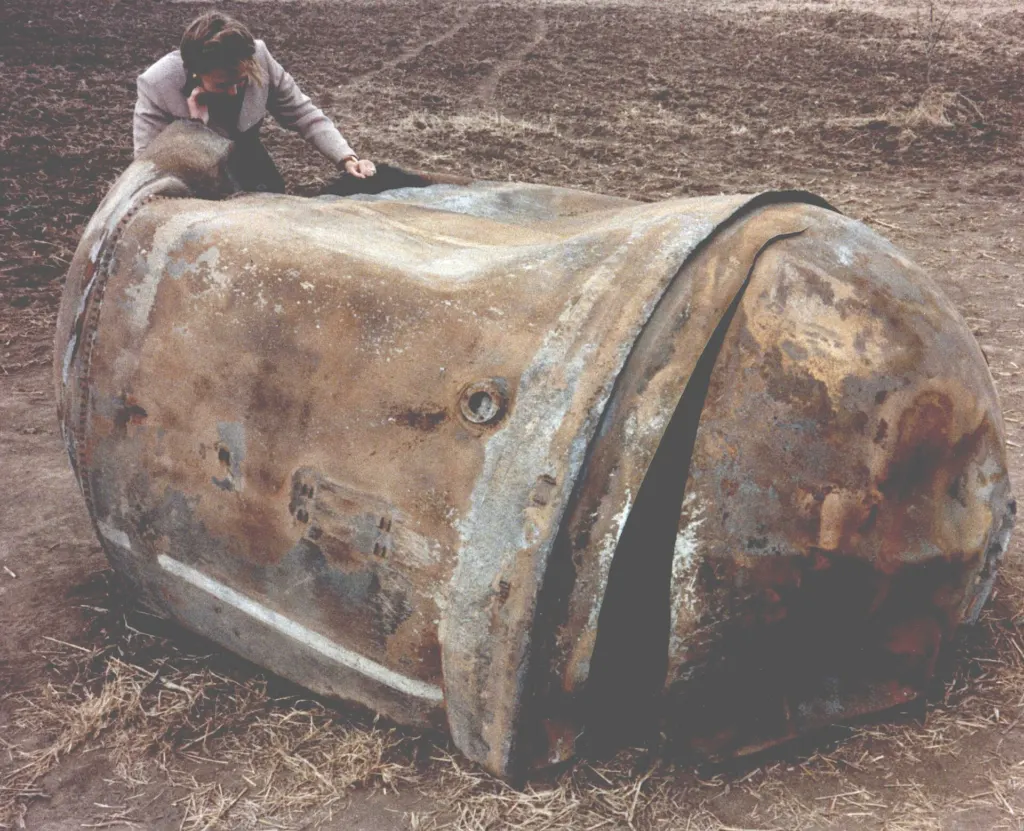
Deputies confirmed the object in Scott Township on Wednesday, October 14, and federal agencies came to the field. How re-entry works, and what a 2024 Florida case showed.
Starfish Space’s first full-size Otter launched on October 1. Its NASA mission is to fly up to defunct satellites and check how they are tumbling.
We use Google cookies to count readers and see which stories are useful (Analytics), and to show and measure ads (AdSense). They are set only if you accept. You can change your mind any time under “Privacy choices” at the foot of every page. Privacy policy
Your browser sends a Global Privacy Control signal. We treat it as “Reject”: nothing is stored for ads or analytics.