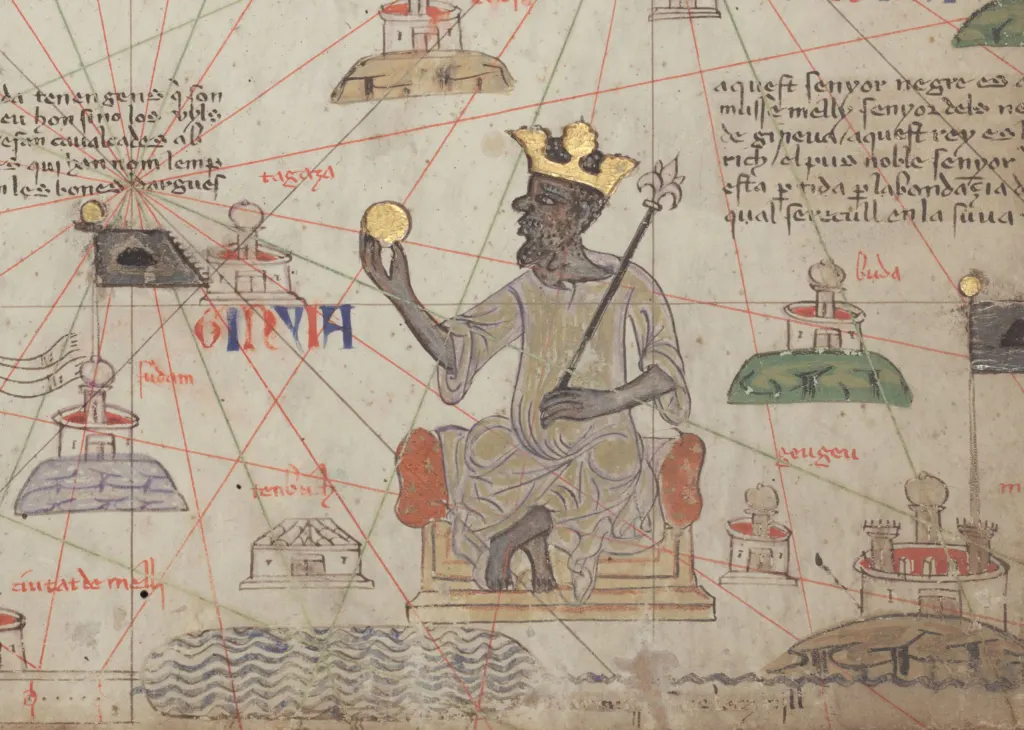
Mansa Musa’s 1324 hajj: the Mali king camped by the Pyramids, then ran out of money coming home
Mansa Musa of Mali camped by the Pyramids before entering Cairo in July 1324 on his hajj, and was borrowing money by the time he returned from Mecca.
Trusted News Discovery – Powered by AI and Verified by Humans
The real stories behind famous quotes, people and moments from the past, checked against the original records.
Mansa Musa of Mali camped by the Pyramids before entering Cairo in July 1324 on his hajj, and was borrowing money by the time he returned from Mecca.
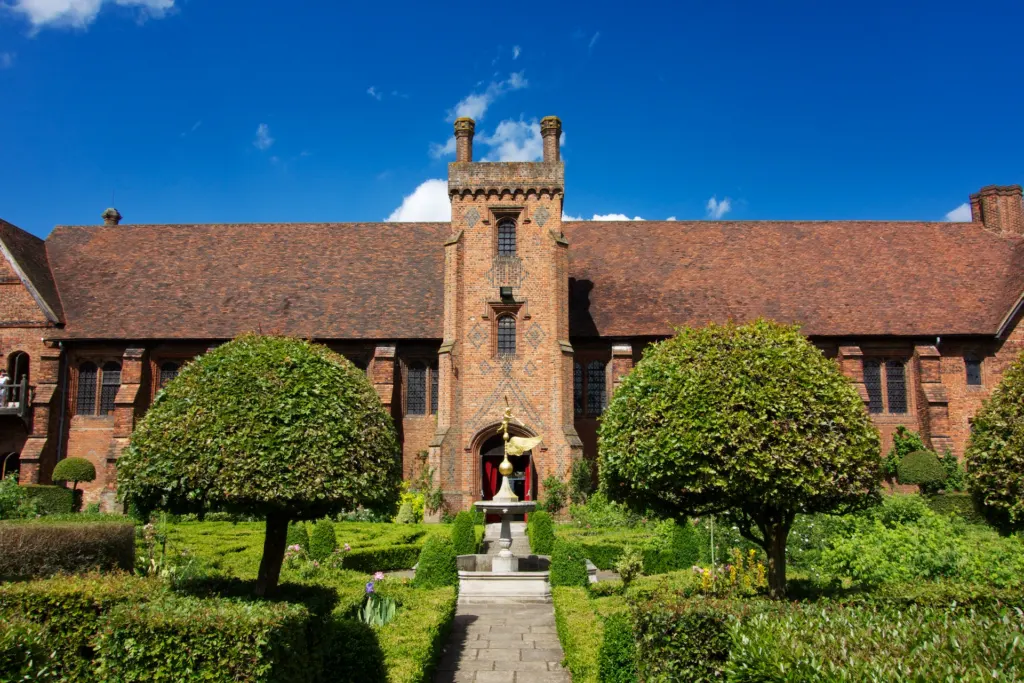
Elizabeth I became Queen of England on November 17, 1558, when Mary I died, and at 25 began a 44-year reign, the longest of any Tudor monarch.
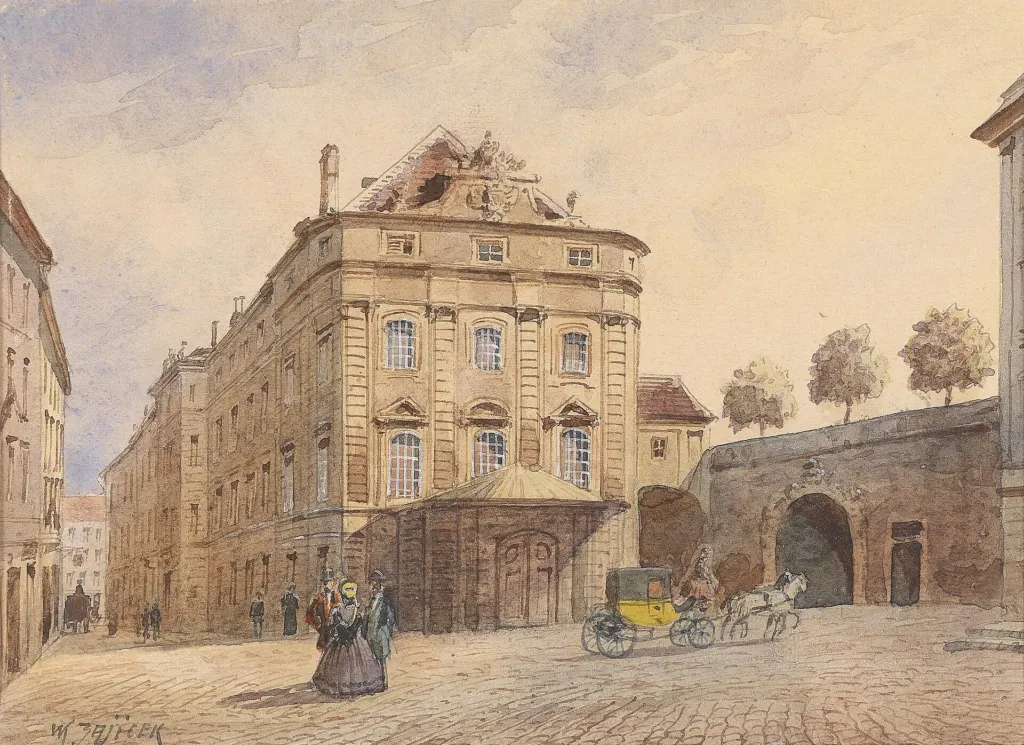
At the Ninth Symphony’s Vienna premiere on May 7, 1824, singer Caroline Unger turned the deaf Beethoven around so he could see the audience’s applause.
Francisco Goya painted his 14 Black Paintings, including Saturn Devouring His Son, straight onto the walls of his house outside Madrid around 1820.
Lesesucht, or reading mania, was an 18th-century German panic in which critics claimed novel-reading harmed women, youth and families from about 1780.
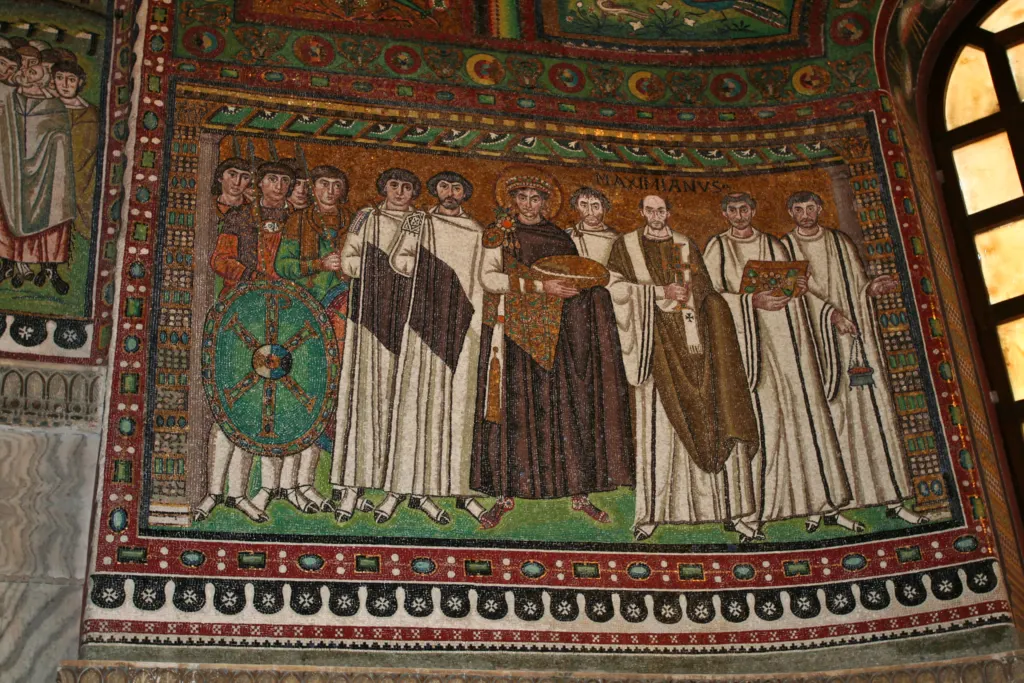
Emperor Justinian I issued the second edition of his Code on November 16, 534, replacing a 529 version that is now lost except for a papyrus fragment.
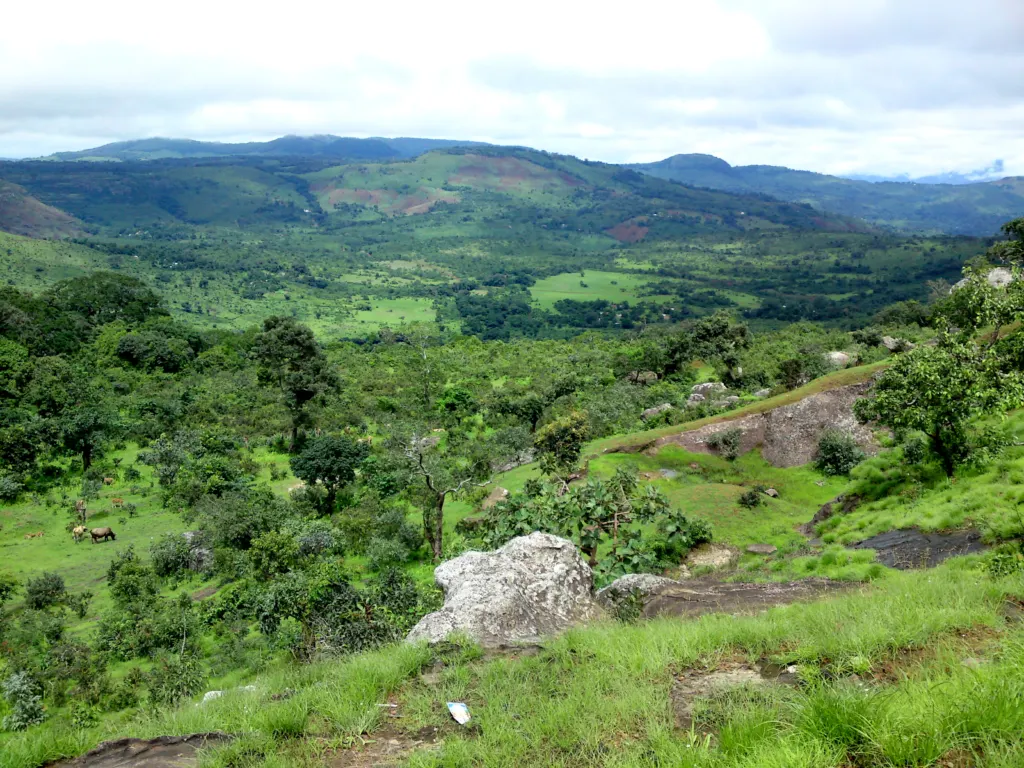
The Fouta Djallon coronation hut in Fougoumba, Guinea, where Fulani Almamys were crowned, is rethatched every seven years and is now on UNESCO’s list.
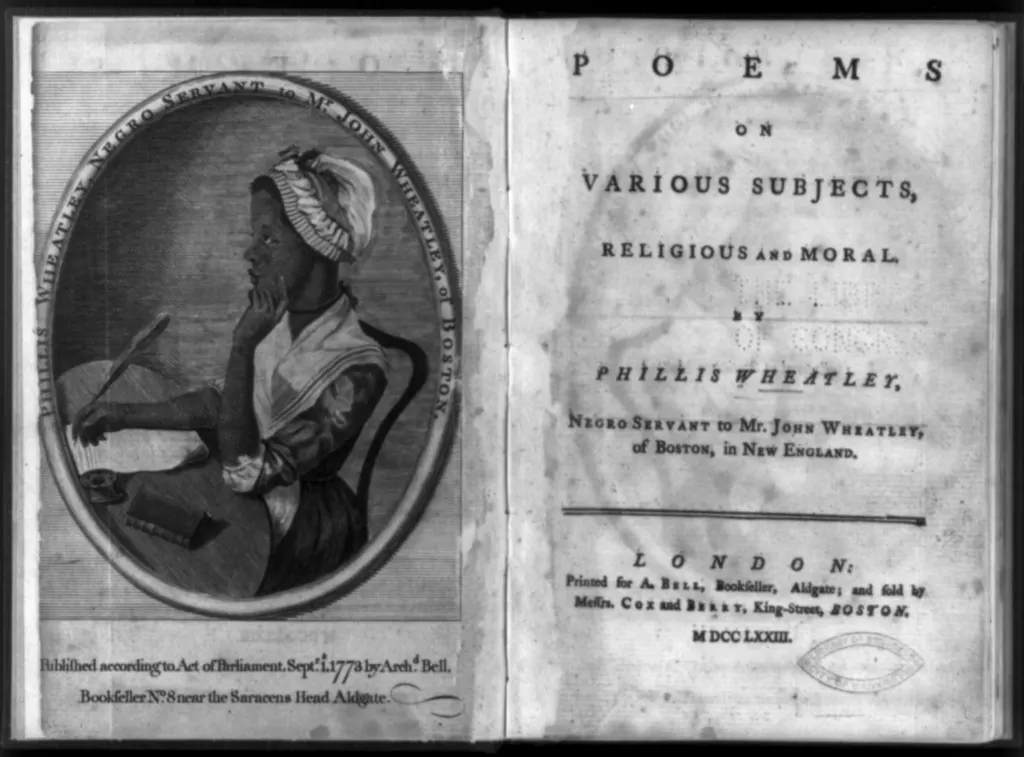
Phillis Wheatley, the first African American to publish a book of poetry, had to prove her authorship to John Hancock and Boston’s governor in 1772.
Ethiopian philosopher Zera Yacob wrote the Hatata in 1668, a treatise on reason and equality shaped by two years he spent hiding alone in a cave.
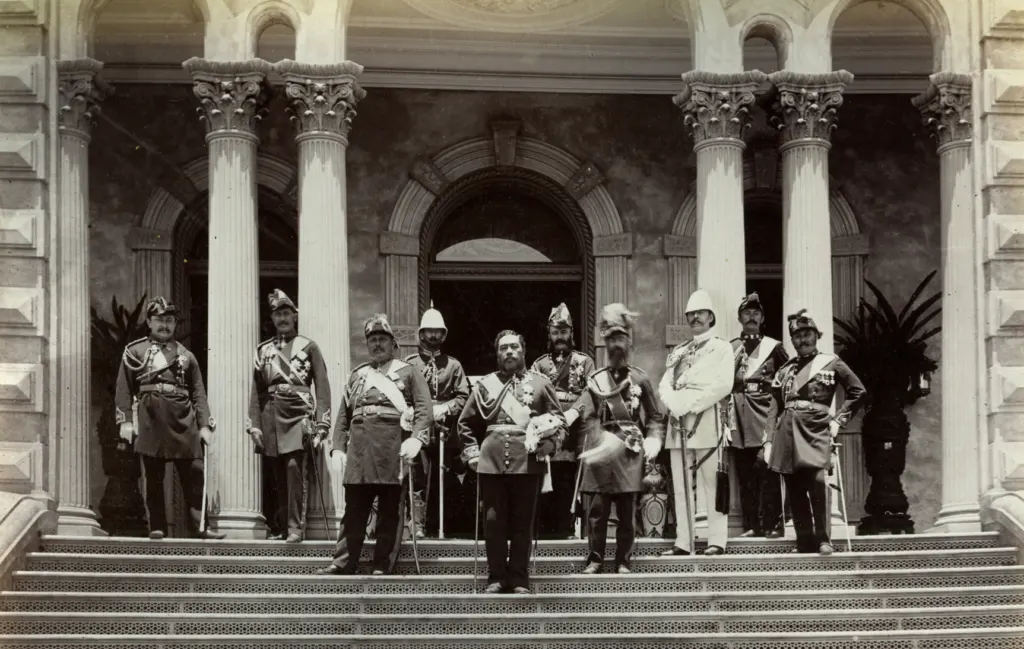
King Kalākaua of Hawaii, born November 16, 1836, revived public hula, lit ʻIolani Palace and became the first monarch to travel around the world.
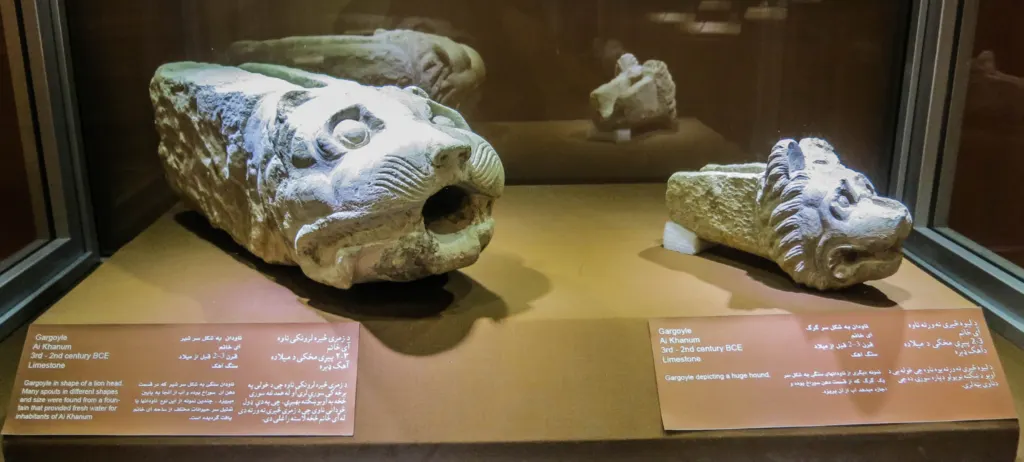
Ai-Khanoum’s gilded silver disc, found in a temple in northern Afghanistan, shows the Greek goddess Cybele riding a lion-drawn chariot toward an altar.
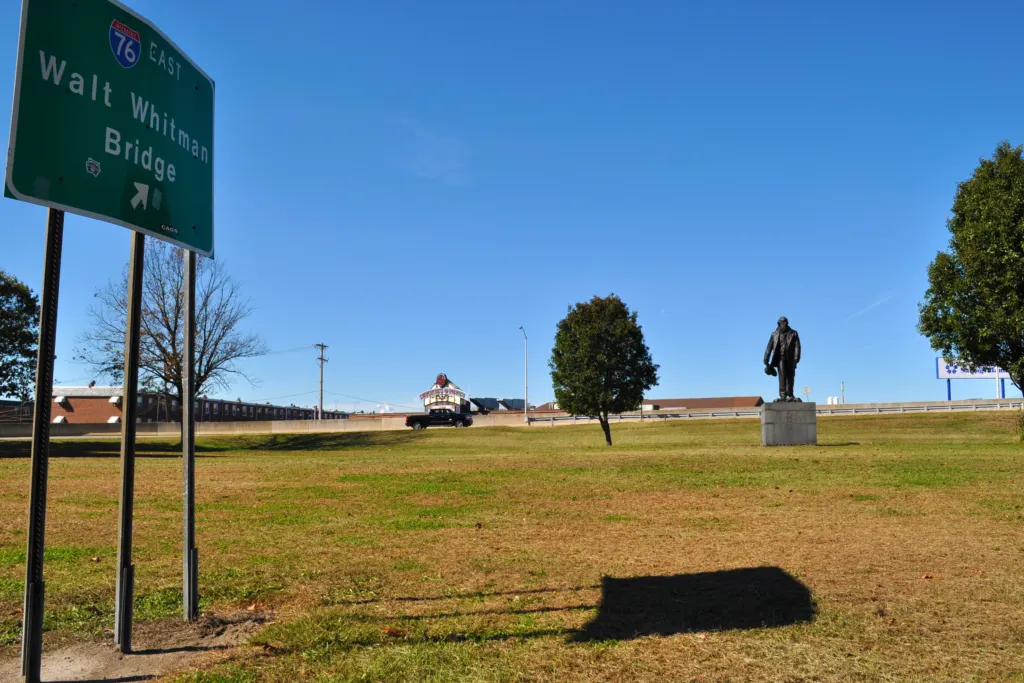
Walt Whitman wrote O Captain! My Captain! in 1865 for Abraham Lincoln, decades before Dead Poets Society, and later said he regretted writing it.
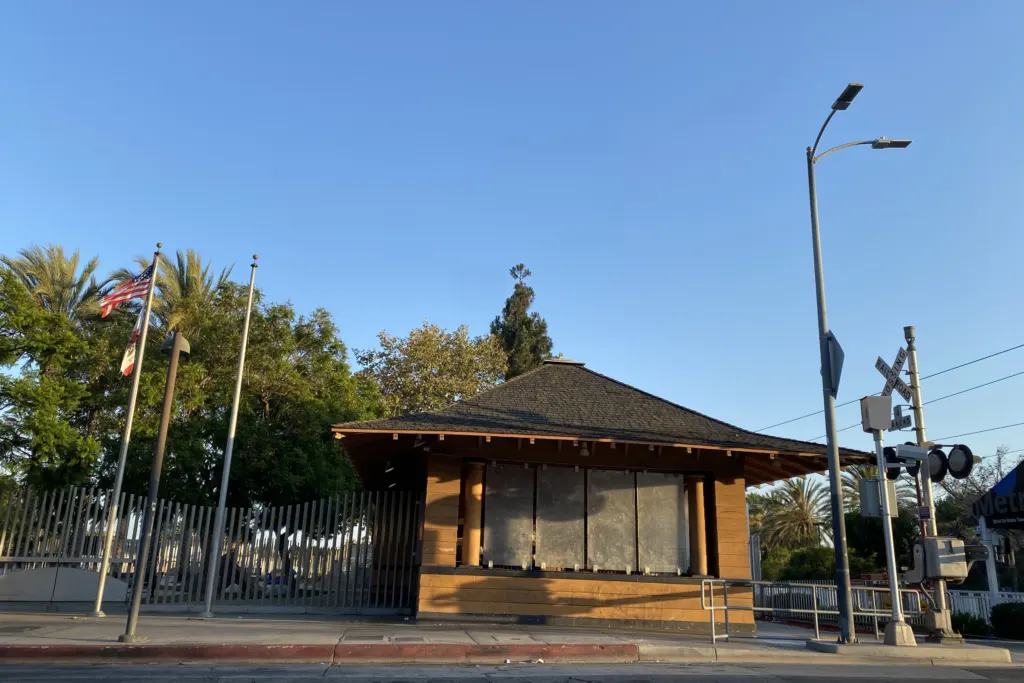
Watts Station, a 1904 Pacific Electric depot in Los Angeles, stood intact on 103rd Street in 1965 and became a symbol of hope for the Watts community.
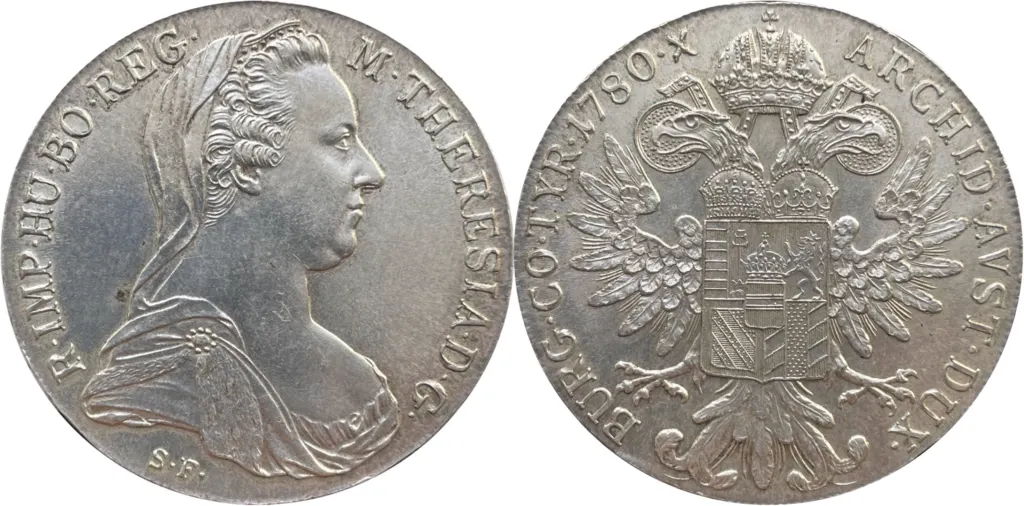
The Maria Theresa thaler, an Austrian silver coin first struck in 1741, became everyday money in Ethiopia, Yemen and Oman and is still dated 1780.
Botanists at Leningrad’s Vavilov seed bank guarded about 120 tonnes of seeds through the 28-month siege, and at least 19 died rather than eat them.
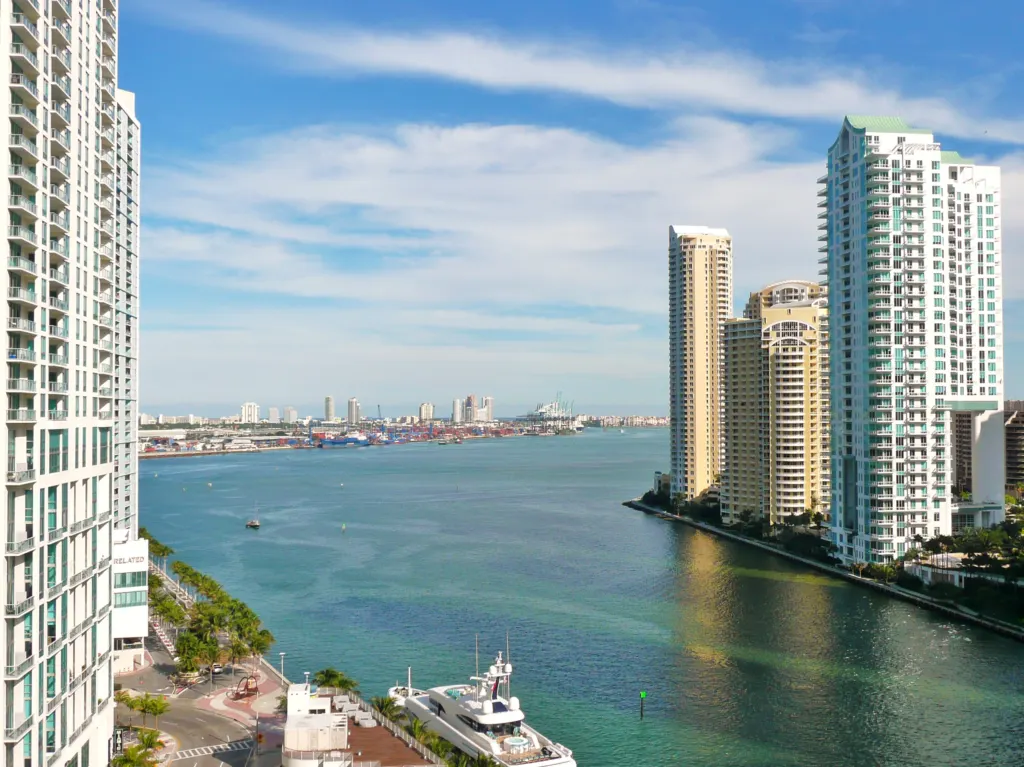
Julia Tuttle traded free land to Henry Flagler for a railroad after the 1895 freeze, and Miami was incorporated on July 28, 1896, with 502 voters.
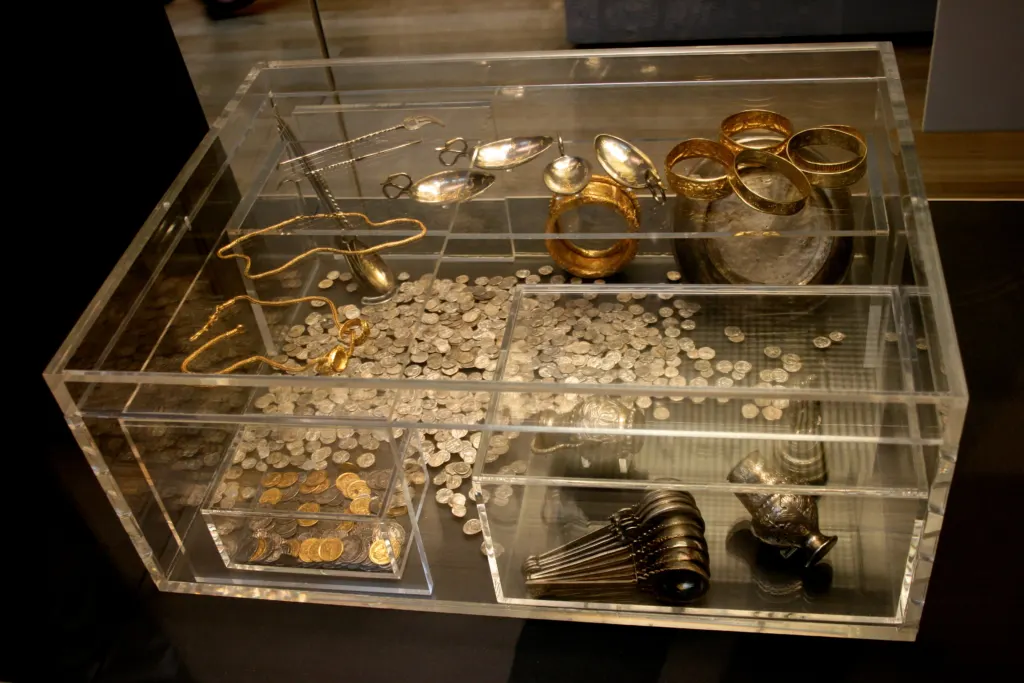
The Hoxne Hoard, Britain’s largest late Roman gold and silver find, was discovered in Suffolk on November 16, 1992, by a man looking for a lost hammer.
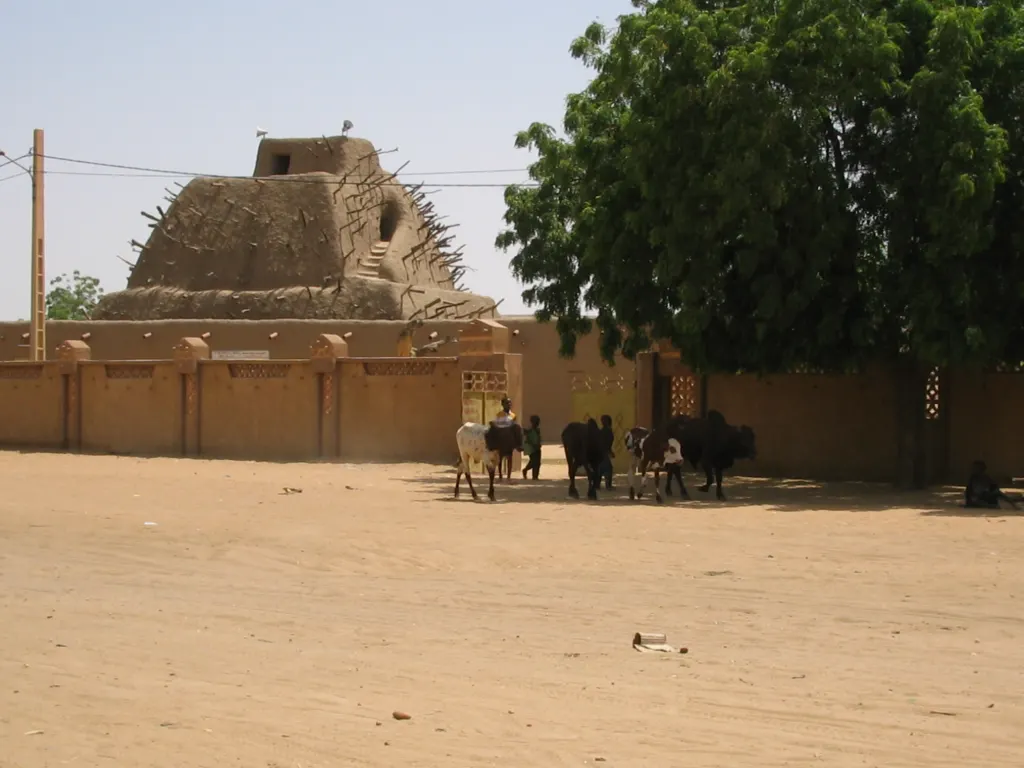
Askia Dawud led a Songhai army that sacked the Mali Empire’s capital in 1544 or 1545, then ruled the Songhai Empire from Gao from 1549 to 1582.
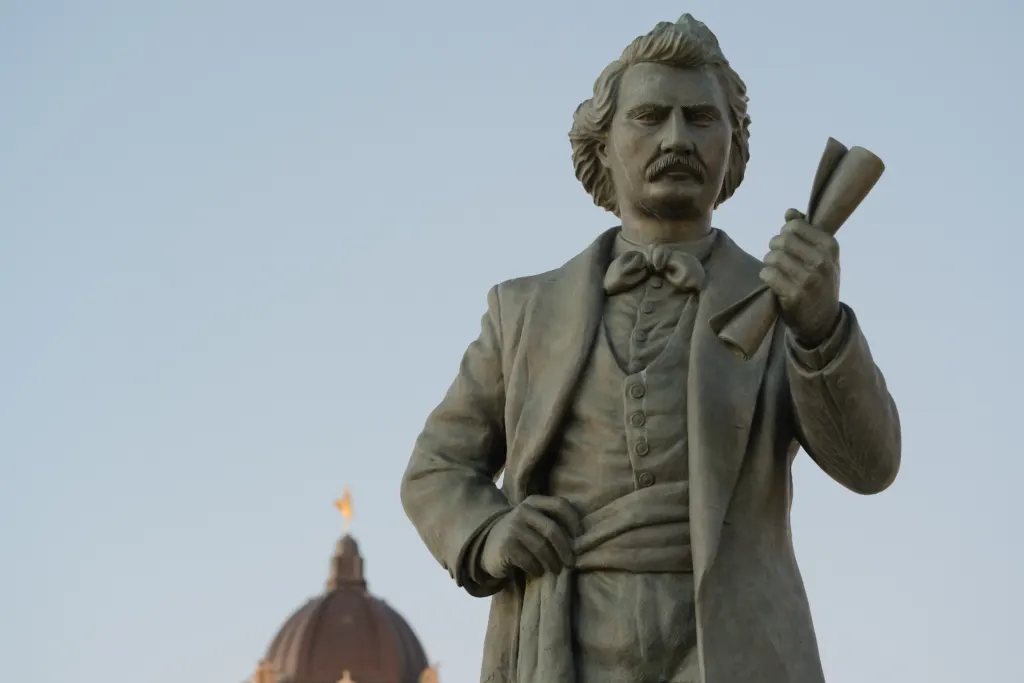
Louis Riel, the Métis leader who brought Manitoba into Canada, was executed in Regina on November 16, 1885, after a jury asked for mercy.
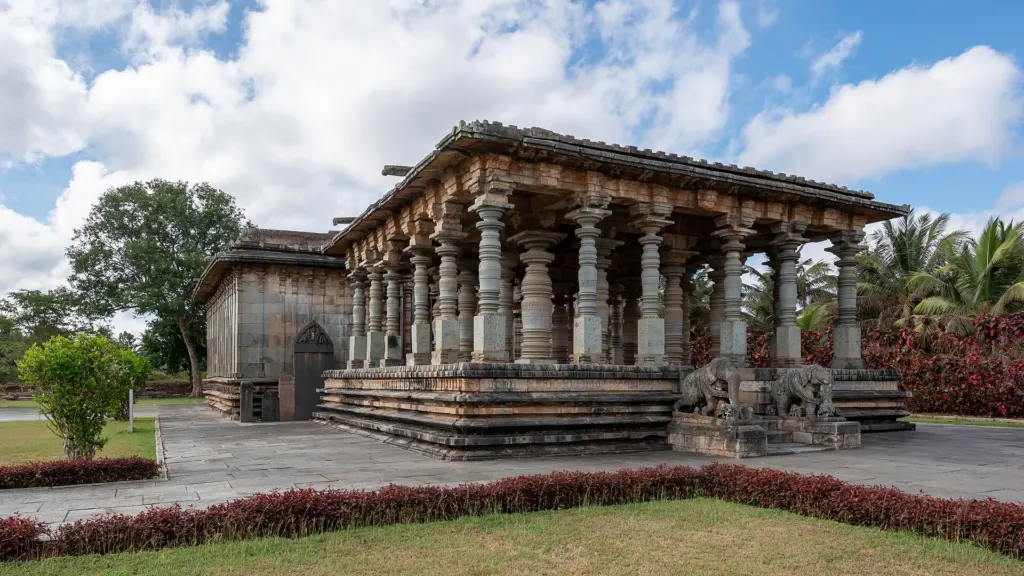
Halebidu’s three Jain basadis in Karnataka, built 1133 to about 1192 under Hoysala kings, house 18-foot tirthankara statues.
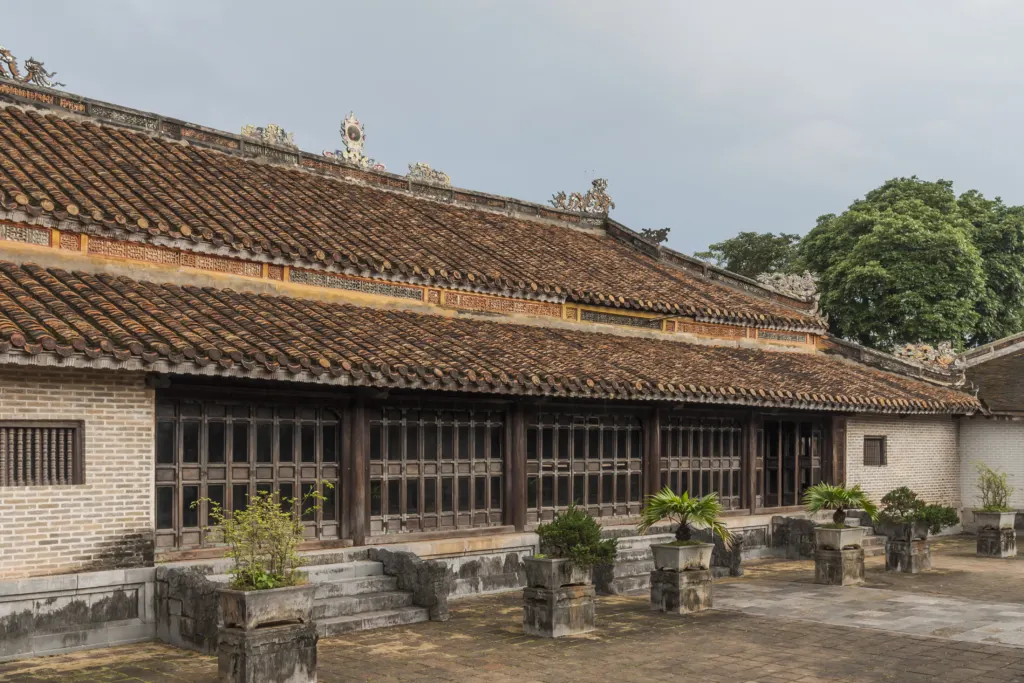
Emperor Tự Đức’s tomb in Huế, Vietnam, built from 1864 to 1867, served as his palace, but he was buried at a secret site.
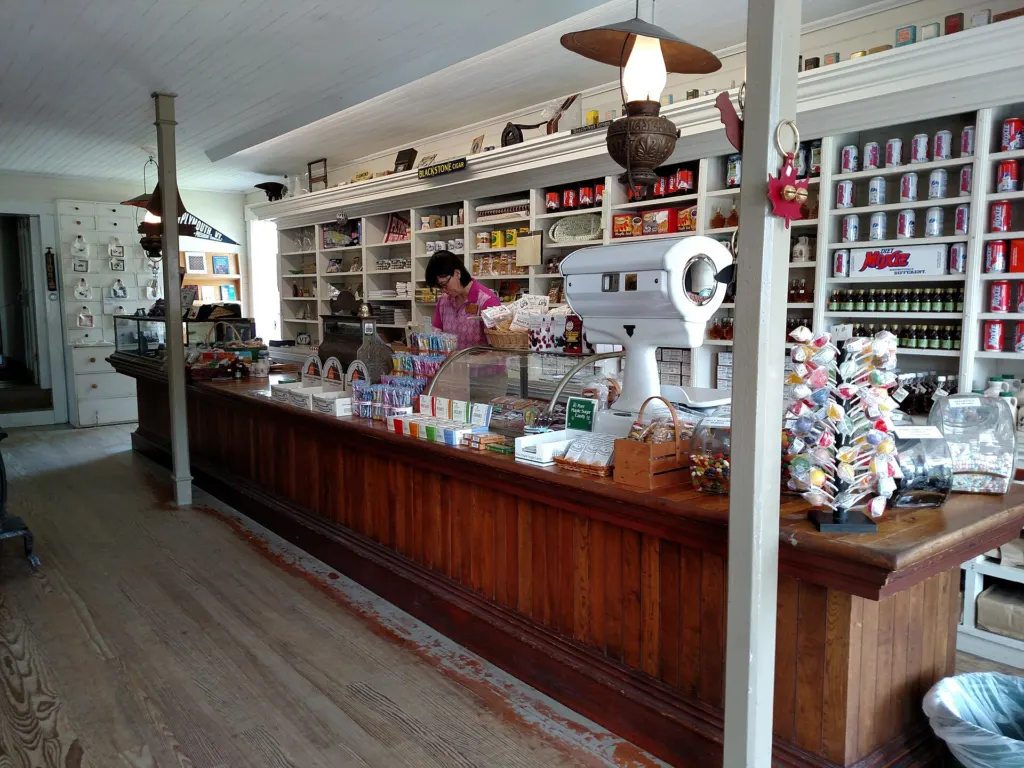
Calvin Coolidge took the presidential oath from his father, a notary, at 2:47 a.m. on August 3, 1923, at Plymouth Notch, Vermont.
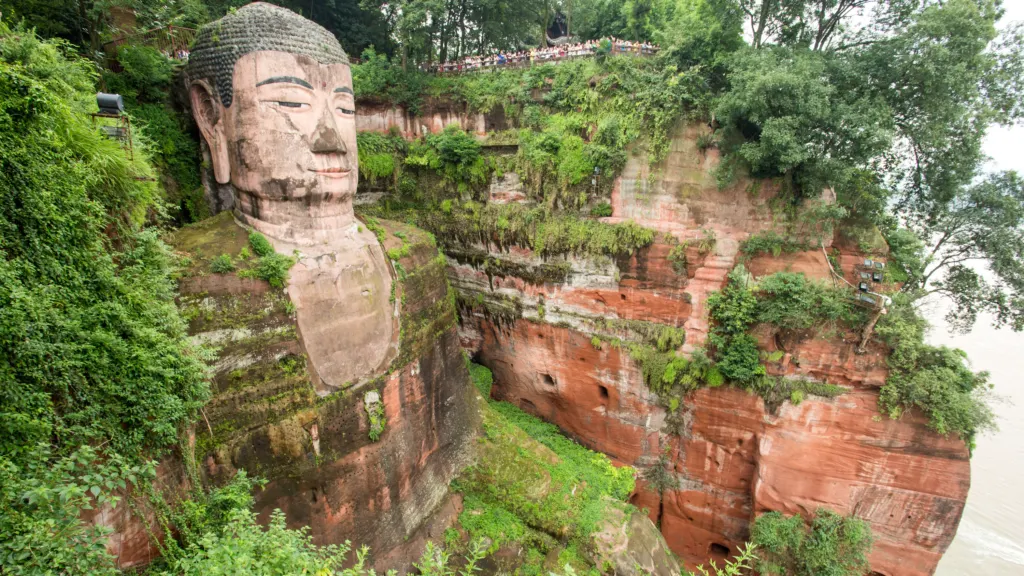
The Leshan Giant Buddha in Sichuan, China, begun by the monk Hai Tong in 722, stands 233 feet tall and was finished in 803.
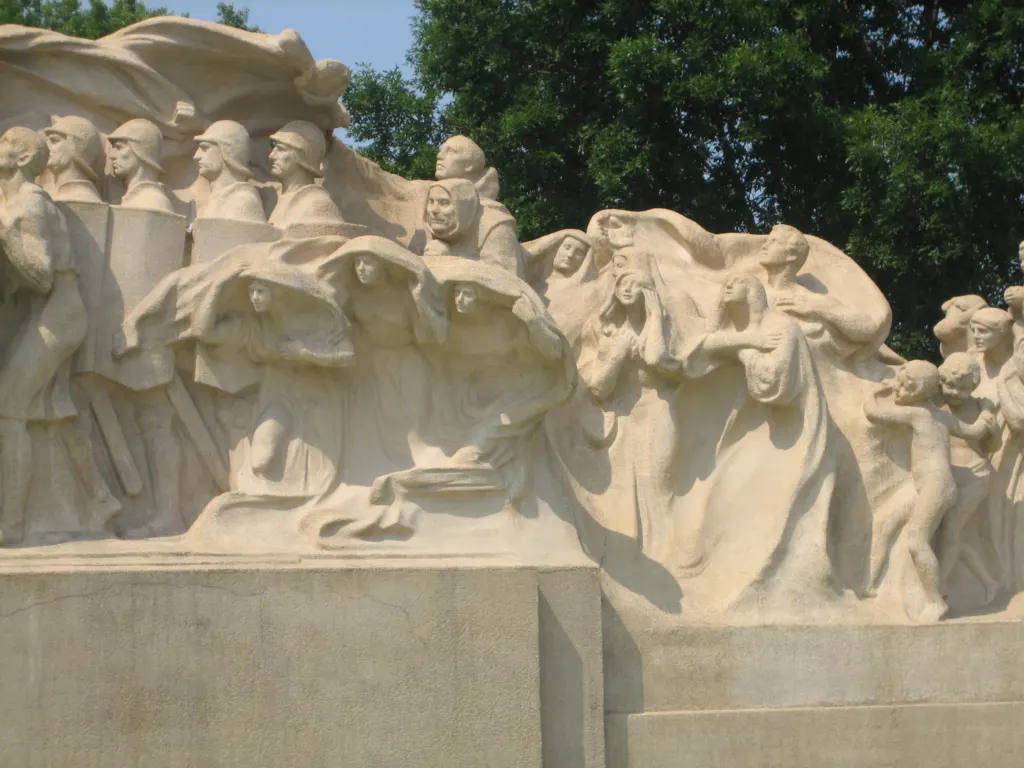
Lorado Taft’s Fountain of Time in Chicago, with 100 figures parading past Father Time, was dedicated on November 15, 1922.
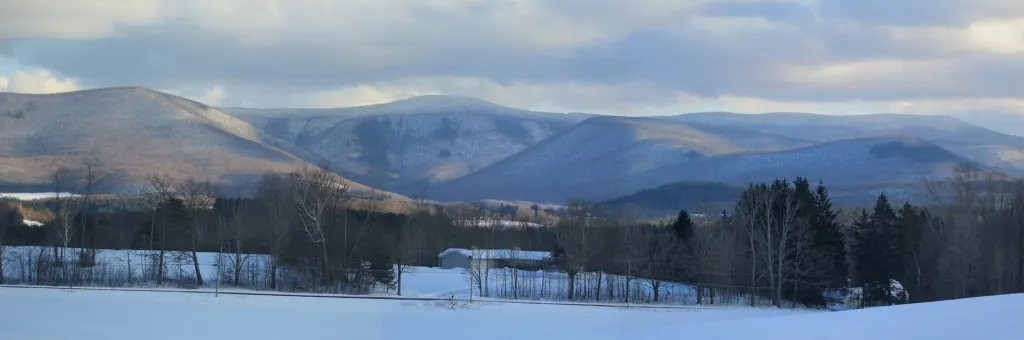
Vincent Schaefer dropped six pounds of dry ice into a cloud on November 13, 1946, and made snow fall near Mount Greylock in the first cloud seeding test.
We use Google cookies to count readers and see which stories are useful (Analytics), and to show and measure ads (AdSense). They are set only if you accept. You can change your mind any time under “Privacy choices” at the foot of every page. Privacy policy
Your browser sends a Global Privacy Control signal. We treat it as “Reject”: nothing is stored for ads or analytics.