Otto IV was excommunicated by Pope Innocent III on November 18, 1210, a year after his coronation
Pope Innocent III excommunicated Holy Roman Emperor Otto IV on November 18, 1210, 13 months after crowning him in Rome, over Otto’s moves in Italy.
Trusted News Discovery – Powered by AI and Verified by Humans
The real stories behind famous quotes, people and moments from the past, checked against the original records.
Pope Innocent III excommunicated Holy Roman Emperor Otto IV on November 18, 1210, 13 months after crowning him in Rome, over Otto’s moves in Italy.
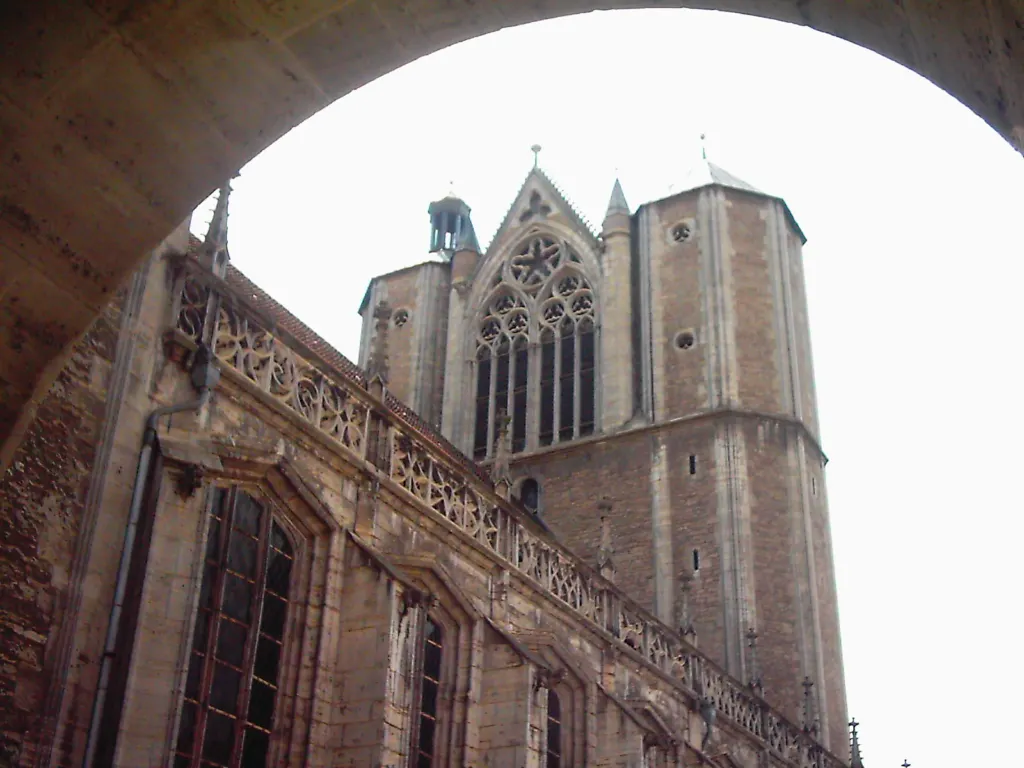
The siege of Godesberg began on November 18, 1583, when Bavarian troops surrounded the Godesburg above the Rhine in the Cologne War’s first big siege.
Glenn Miller received the first gold record on February 10, 1942, after ‘Chattanooga Choo Choo’ sold 1.2 million copies for RCA Victor’s Bluebird label.
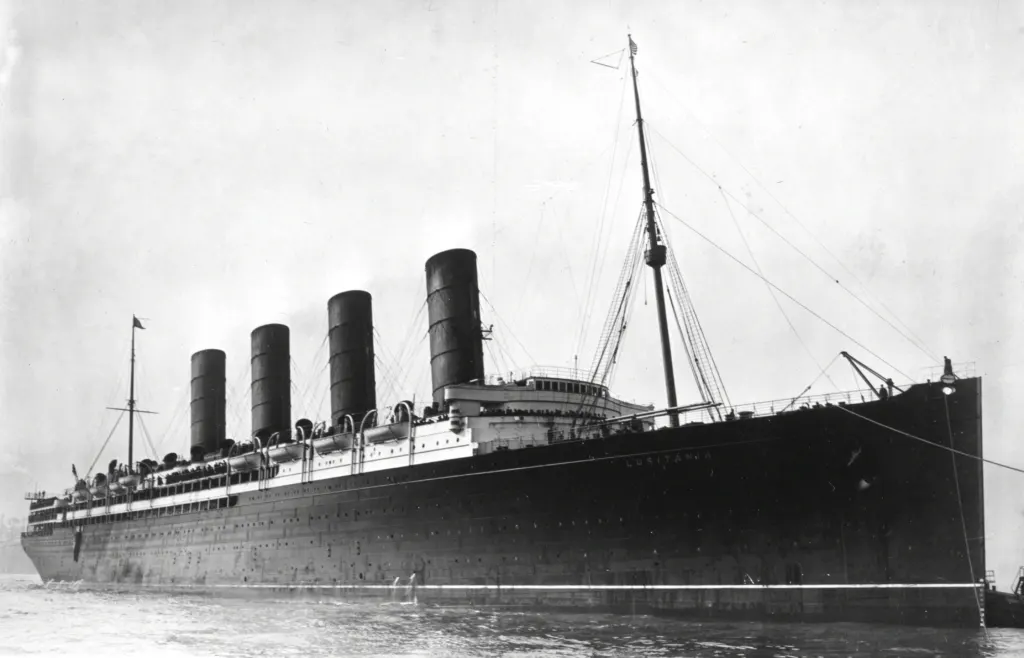
RMS Lusitania won the Blue Riband on October 11, 1907, crossing the Atlantic to New York in 4 days, 19 hours and 53 minutes at an average of 23.99 knots.
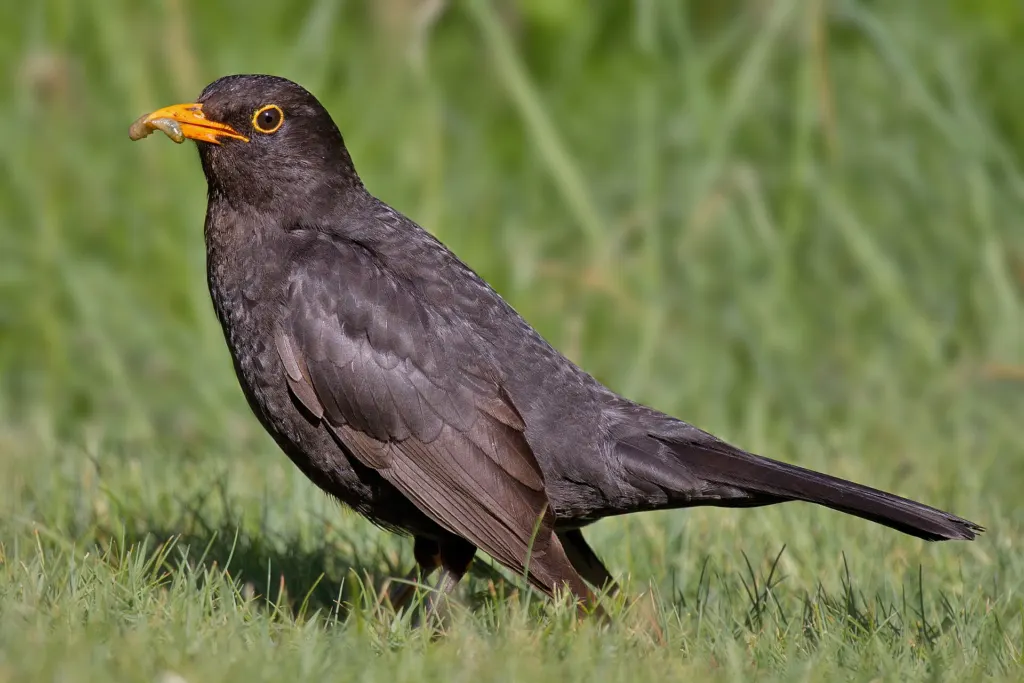
‘Sing a Song of Sixpence’ was first printed in London around 1744 with naughty boys in the pie; blackbirds replaced them in a version from about 1780.
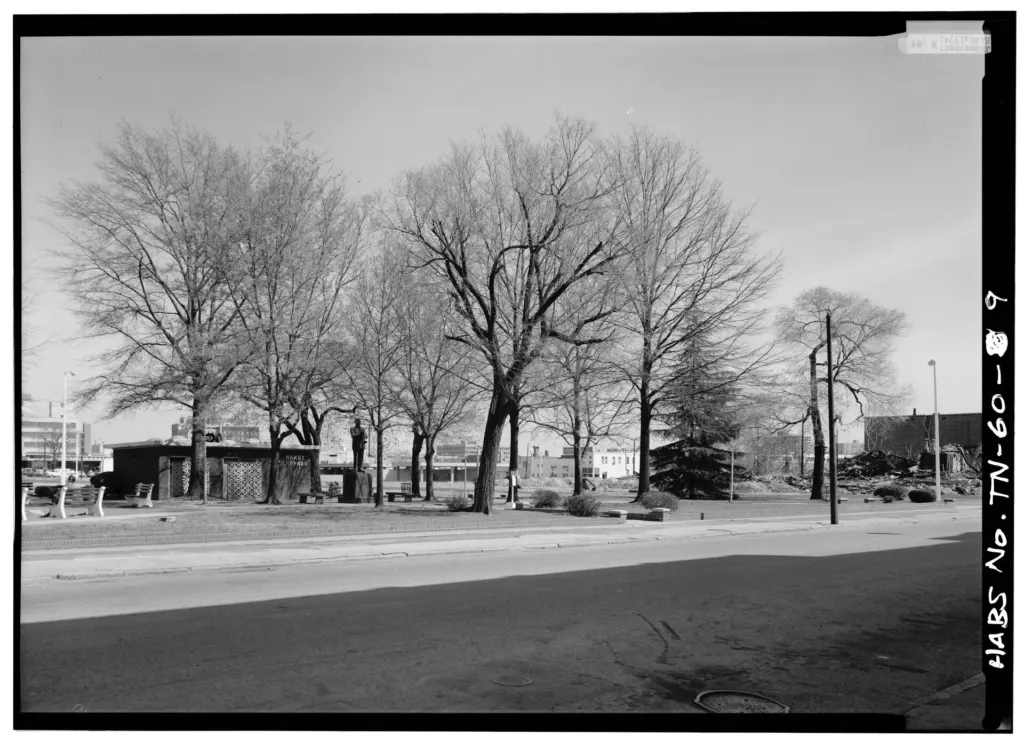
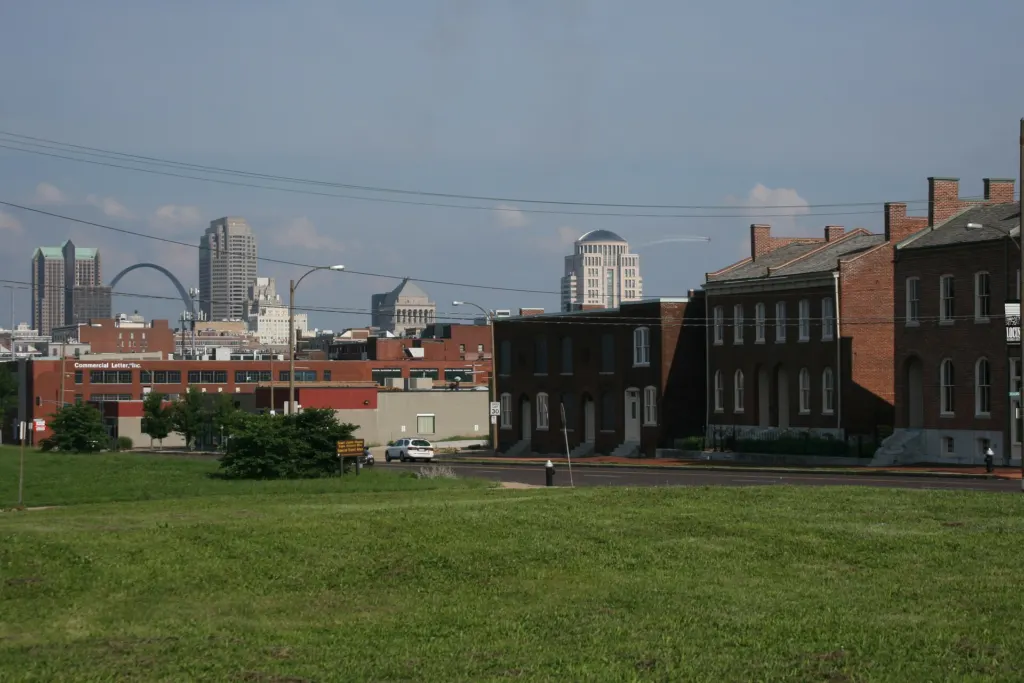
W.C. Handy opened ‘St. Louis Blues’ with a tango rhythm in 1914 to fool dancers, and the song became one of the first blues to succeed as a pop hit.
Sojourner Truth won her son Peter back in 1828 after suing in the New York Supreme Court, one of the first Black women to beat a white man in court.
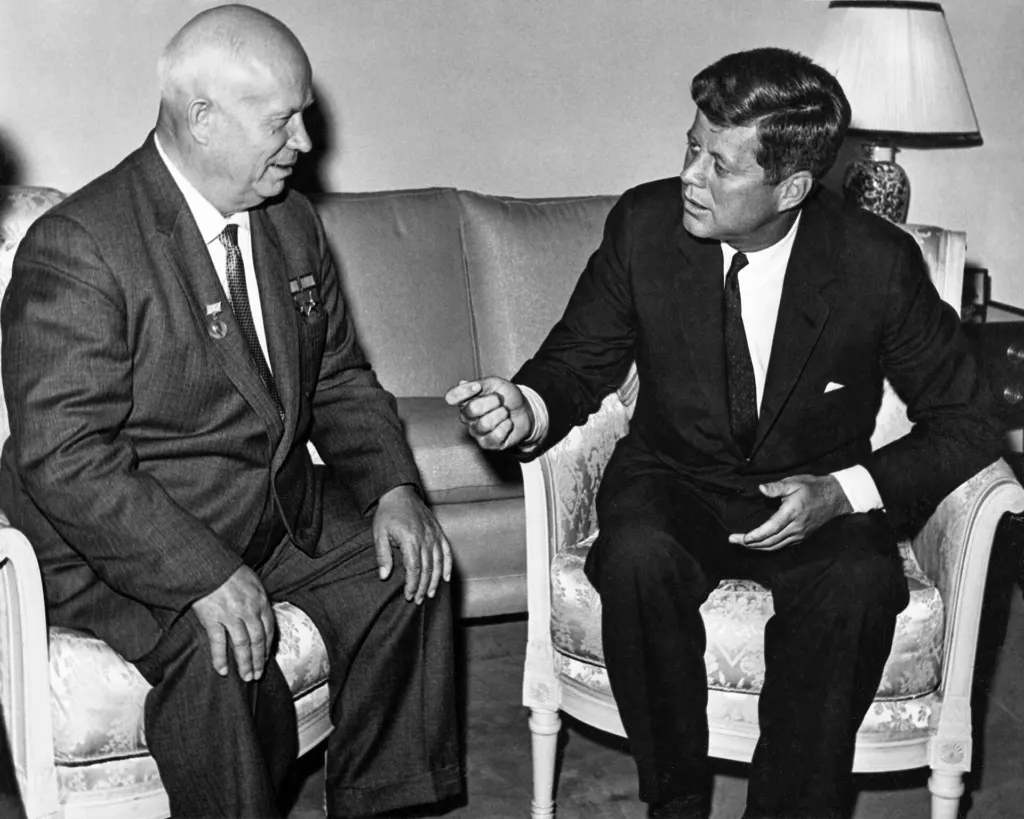
Nikita Khrushchev told Western envoys ‘We will bury you’ at Moscow’s Polish embassy on November 18, 1956, and later said he meant it as a Marxist forecast.
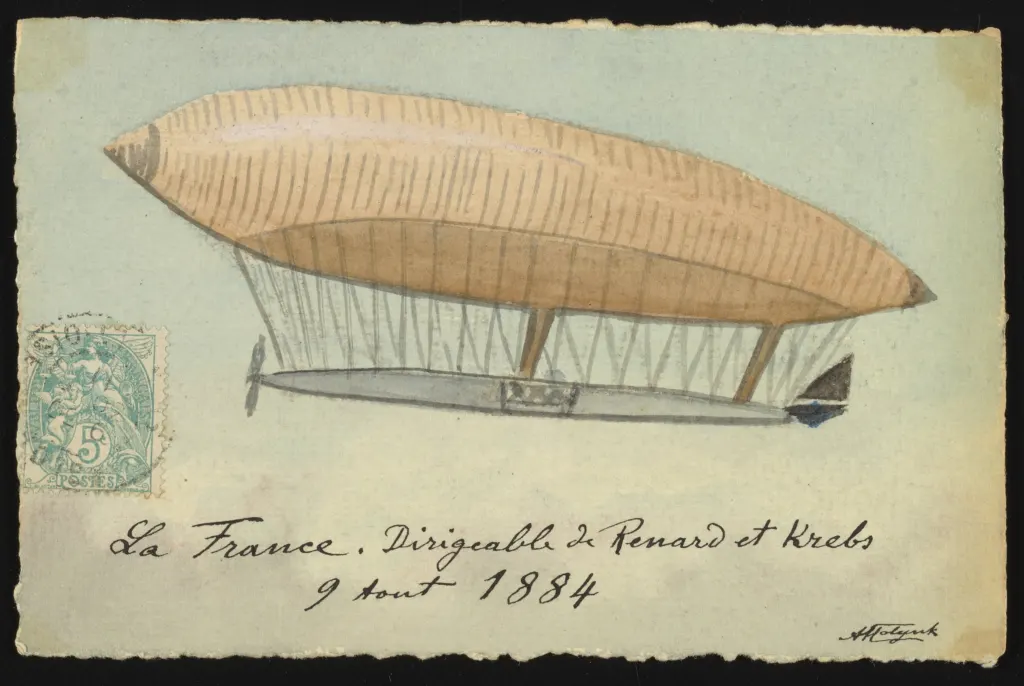
La France, an electric French Army airship, made the first fully controlled free flight in 1884, circling 8 km near Paris in 23 minutes.
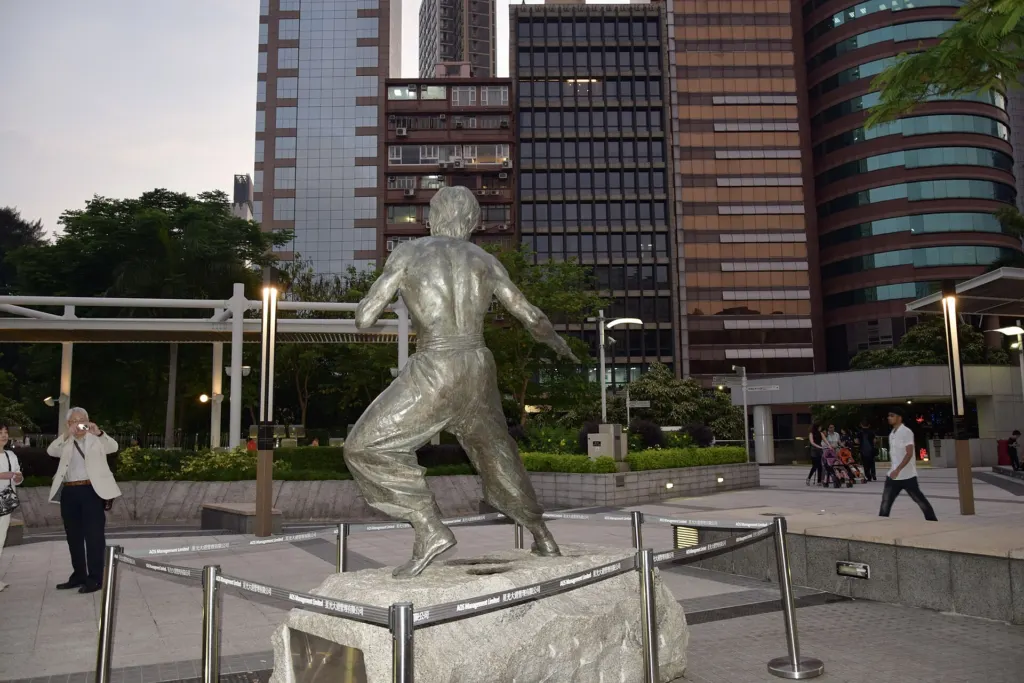
Bruce Lee’s famous ‘Be water, my friend’ speech began as lines he wrote for his character Li Tsung in the 1971 ABC detective series Longstreet.
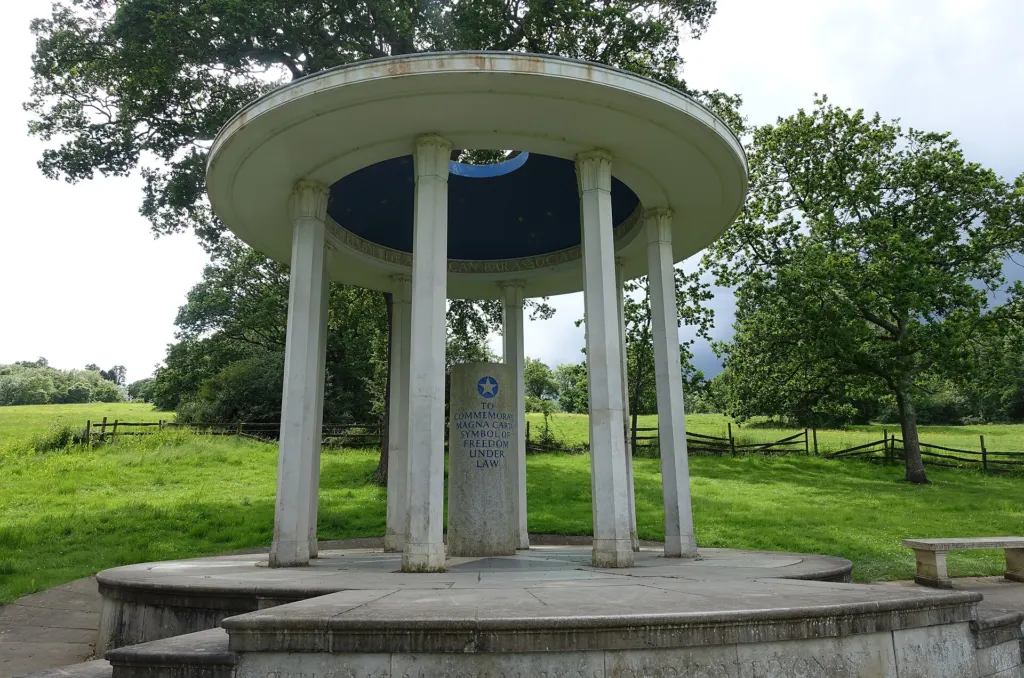
Only three clauses of Magna Carta, numbers 1, 9 and 29 of the 1297 version, remain in force in England and Wales after repeals that ended in 1970.
Scott Joplin’s ‘Maple Leaf Rag’ sold just 400 copies in its first year, about $1 in royalties, before it became the defining hit of the ragtime era.
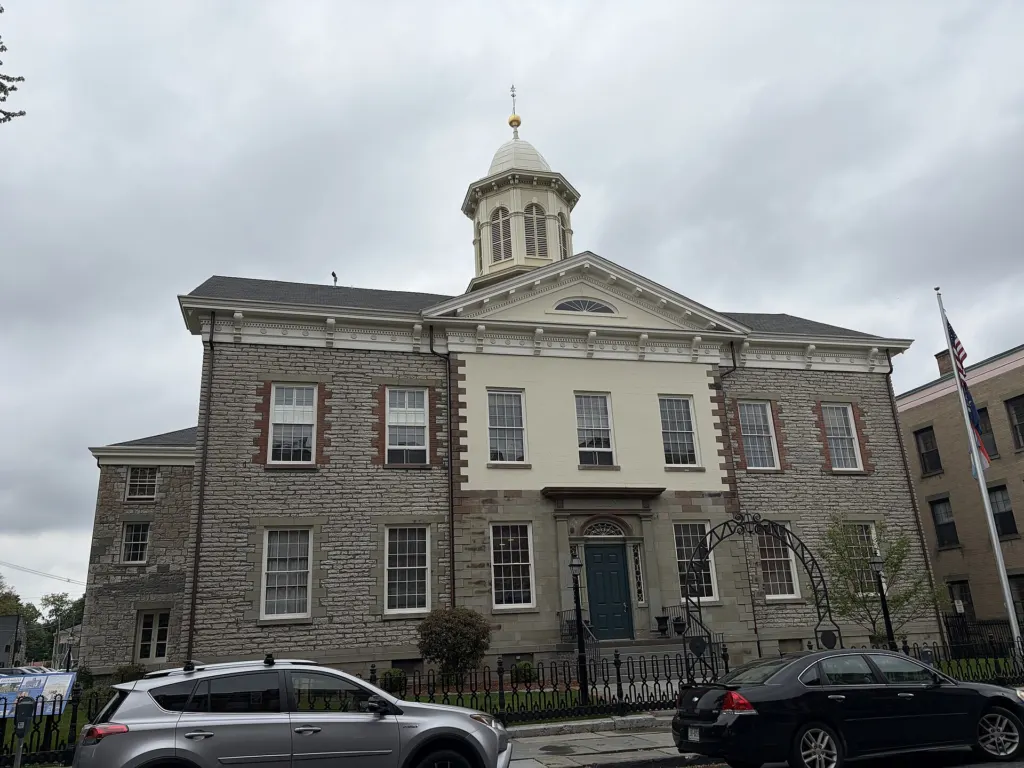
Susan B. Anthony was arrested in Rochester on November 18, 1872, for voting, convicted by a directed verdict and fined $100, which she never paid.
Mark Twain’s ‘Celebrated Jumping Frog of Calaveras County’ first appeared on November 18, 1865, in a New York weekly and made him nationally famous.
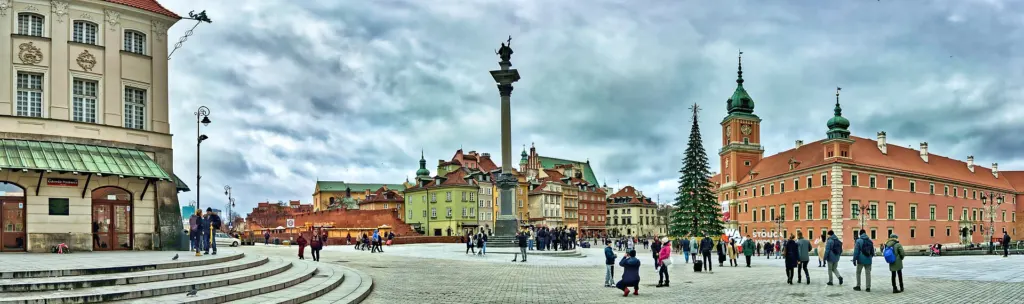
Sigismund III Vasa, already King of Poland, became King of Sweden on November 17, 1592, until a Swedish parliament deposed him in July 1599.
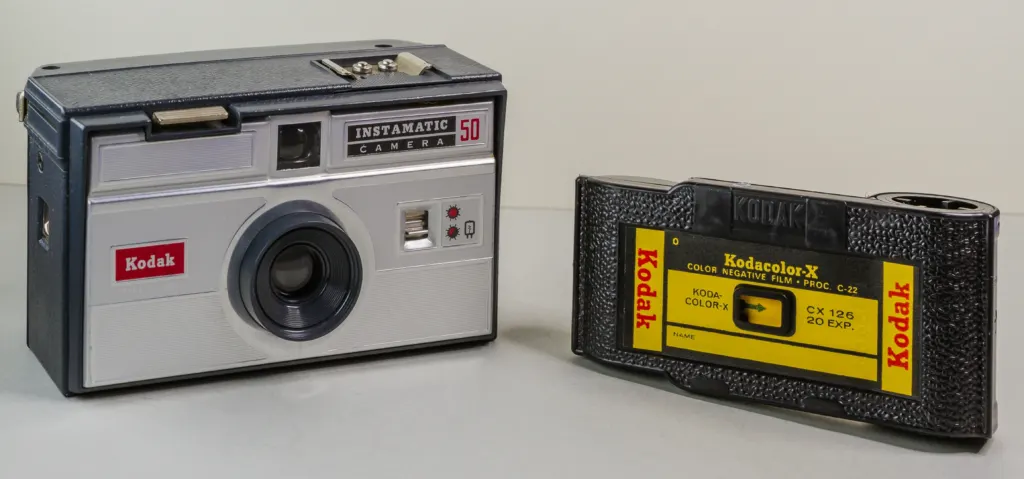
Kodak’s Project 13, begun in the early 1950s, became the Instamatic in 1963, and more than 50 million were made by 1970 thanks to a drop-in film cartridge.
John Balliol was named King of Scots at Berwick Castle on November 17, 1292, after Edward I’s court of 104 auditors ruled against Robert de Brus.
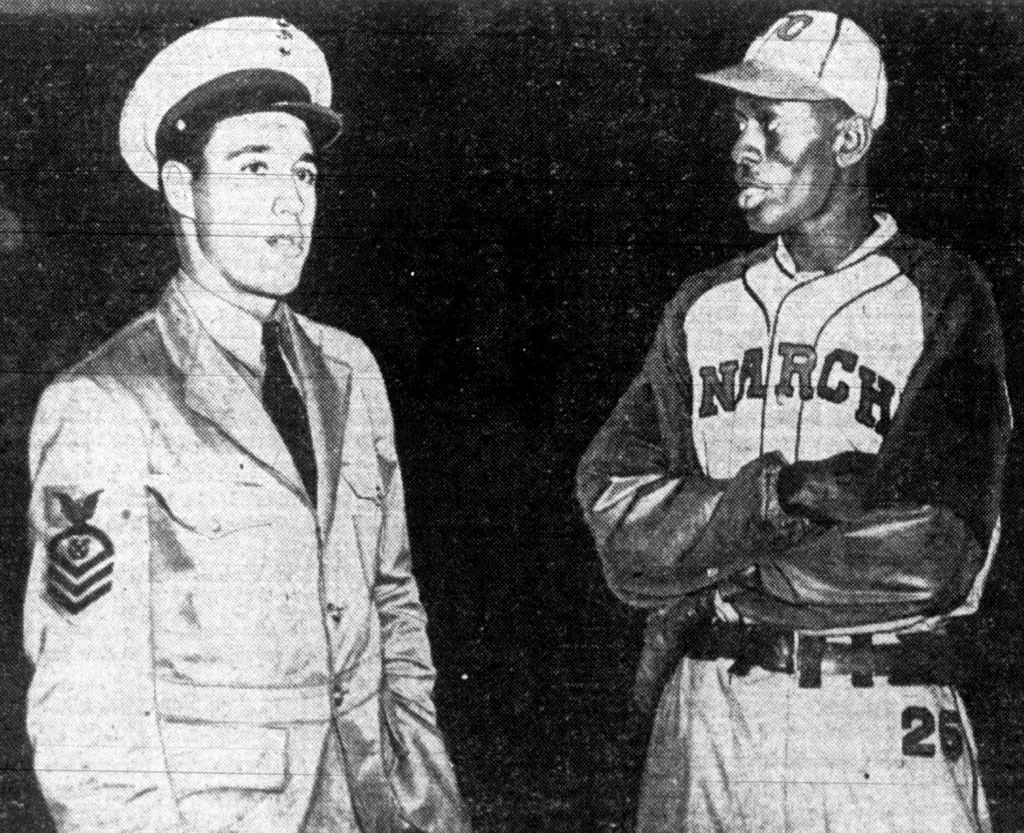
Satchel Paige’s line ‘Don’t look back, something might be gaining on you’ closed a list of six rules for staying young printed in a magazine in June 1953.
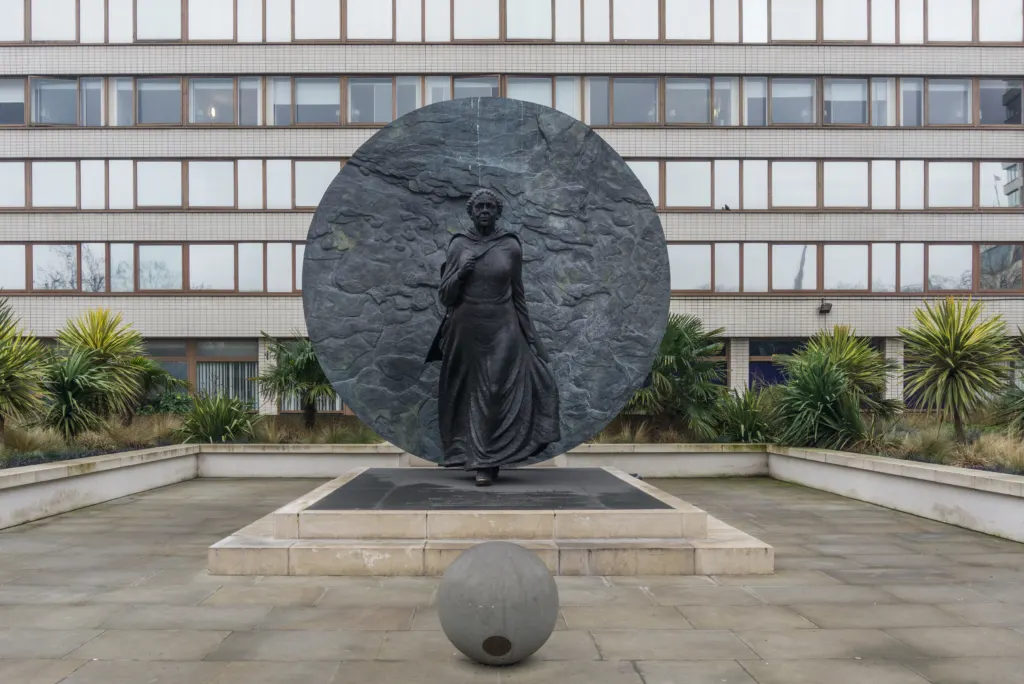
Mary Seacole, born in Jamaica in 1805, built her British Hotel near Balaclava from salvage in 1855 and later topped a poll of Black Britons.
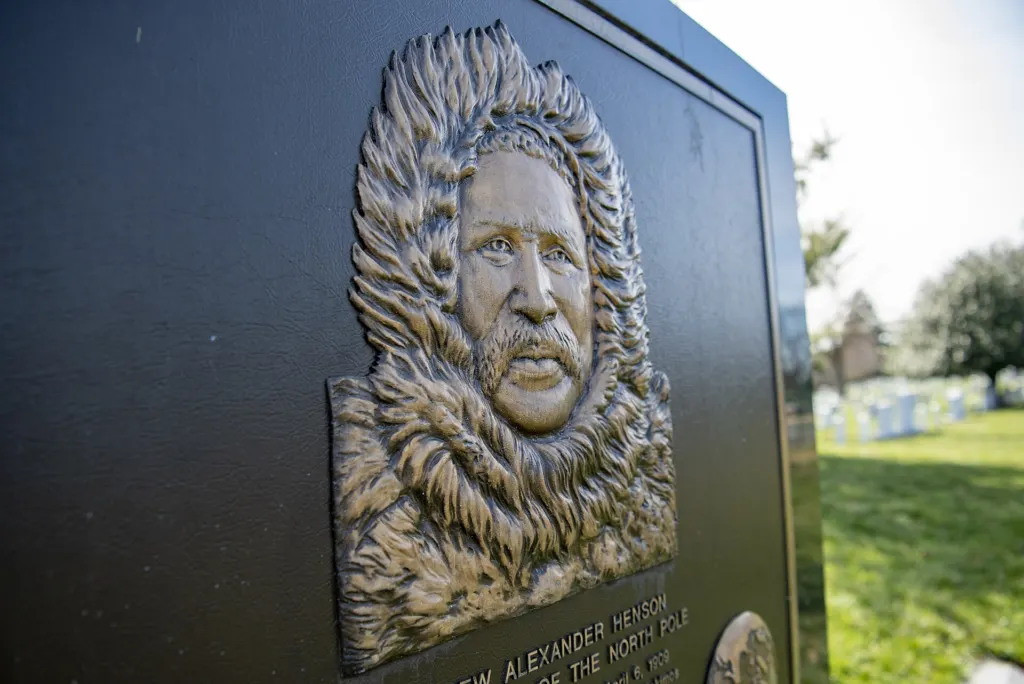
Matthew Henson said his footprints were the first at the North Pole in April 1909, after Robert Peary sent him ahead as a scout on the final dash.
Madam C. J. Walker’s ‘I am a woman who came from the cotton fields of the South’ line comes from her 1912 speech to the National Negro Business League.
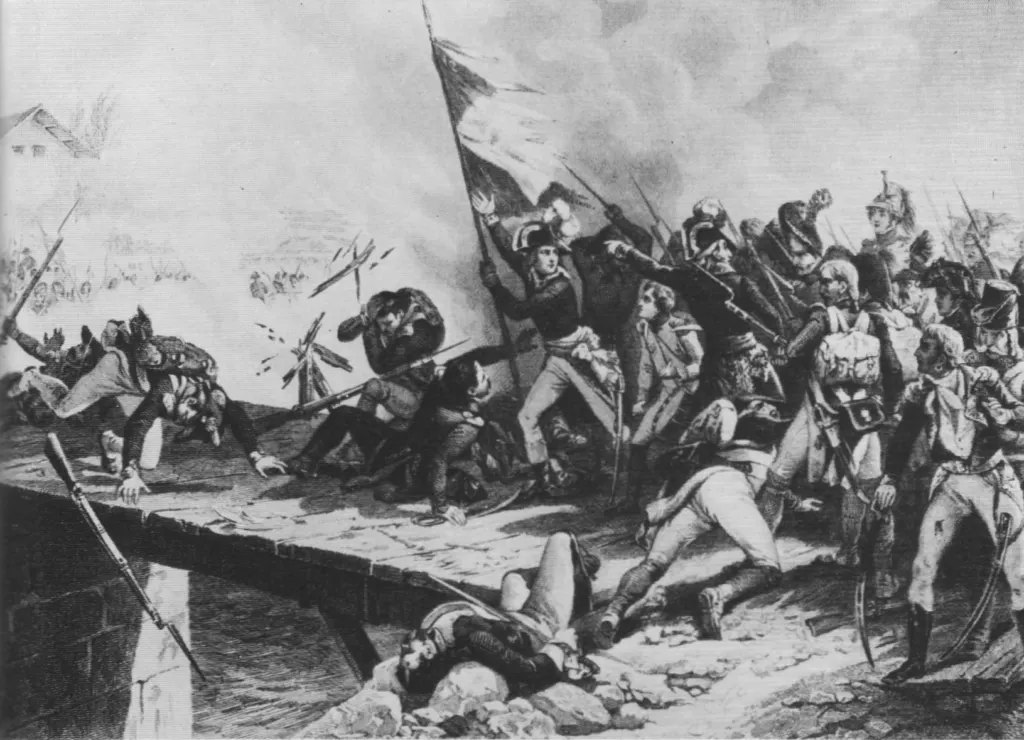
At the Battle of Arcole in November 1796, Napoleon waved a flag 55 paces short of the bridge and was dragged into a ditch; the French won on November 17.
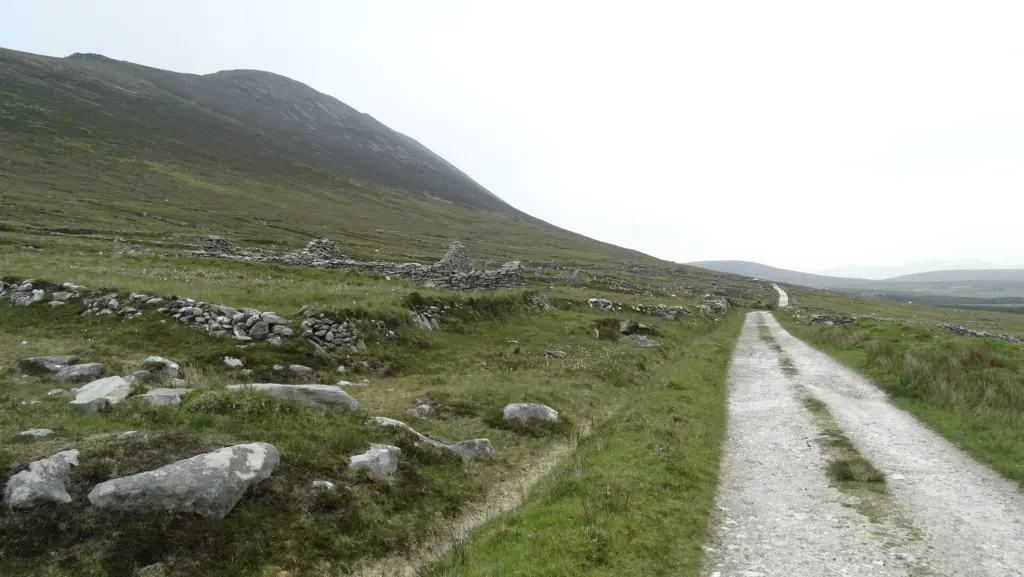
Ireland’s population of about 7.2 million is still below the 8,175,124 counted in 1841, before the Great Famine and a century of emigration.
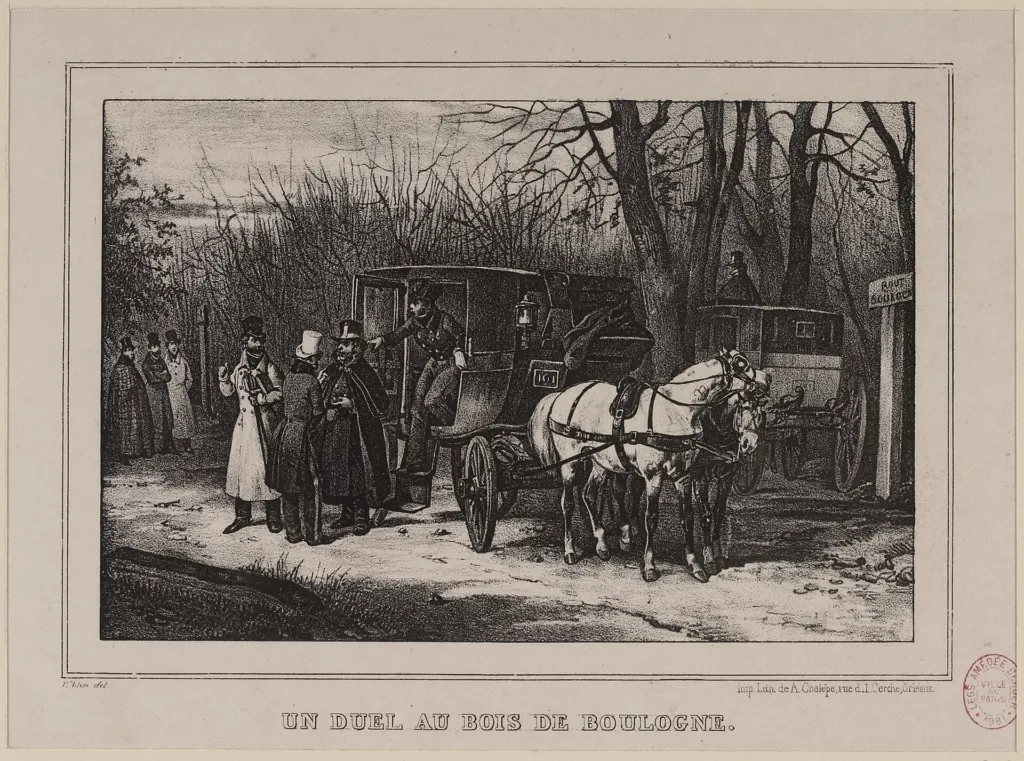
European sword duels were fought for ‘satisfaction’, not death, but manuals of honor scorned ‘first blood’ and most fights ran until a man was disabled.
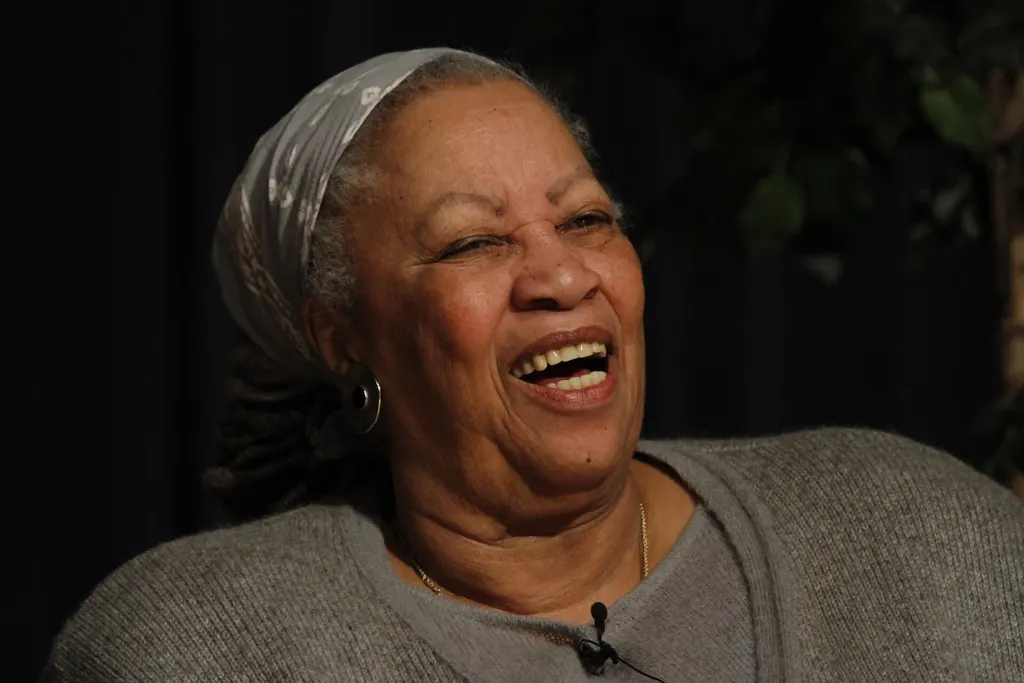
Toni Morrison’s advice to write the book you want to read comes from a September 1981 talk to the Ohio Arts Council, in slightly different words.
We use Google cookies to count readers and see which stories are useful (Analytics), and to show and measure ads (AdSense). They are set only if you accept. You can change your mind any time under “Privacy choices” at the foot of every page. Privacy policy
Your browser sends a Global Privacy Control signal. We treat it as “Reject”: nothing is stored for ads or analytics.