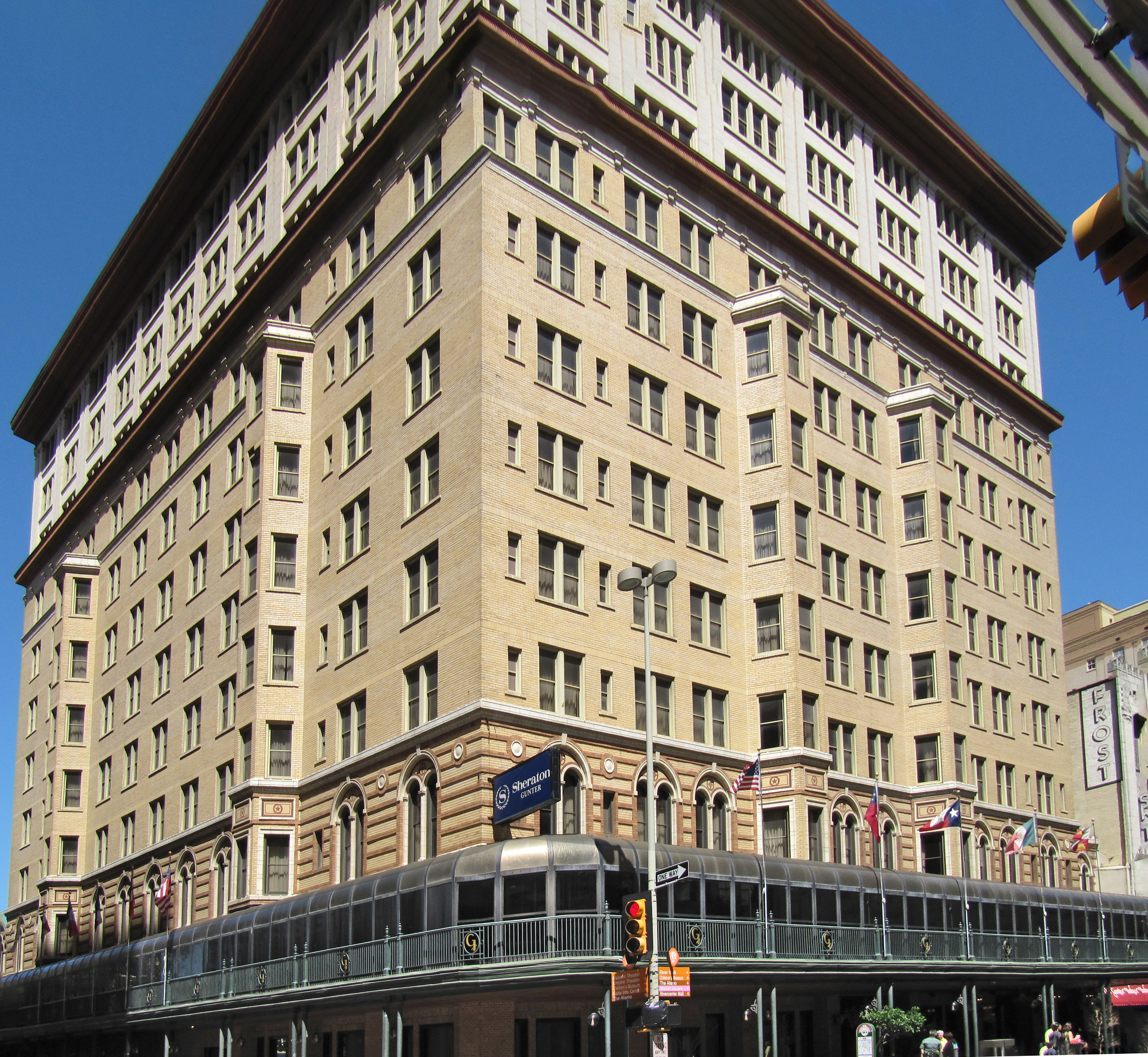
Ninety years ago this week, a 25-year-old guitarist from the Mississippi Delta walked into a downtown San Antonio hotel and played, into borrowed equipment, the songs that would later turn him into a rock legend. Room 414 of the Gunter Hotel was Robert Johnson's first recording studio, and it was not a studio at all.
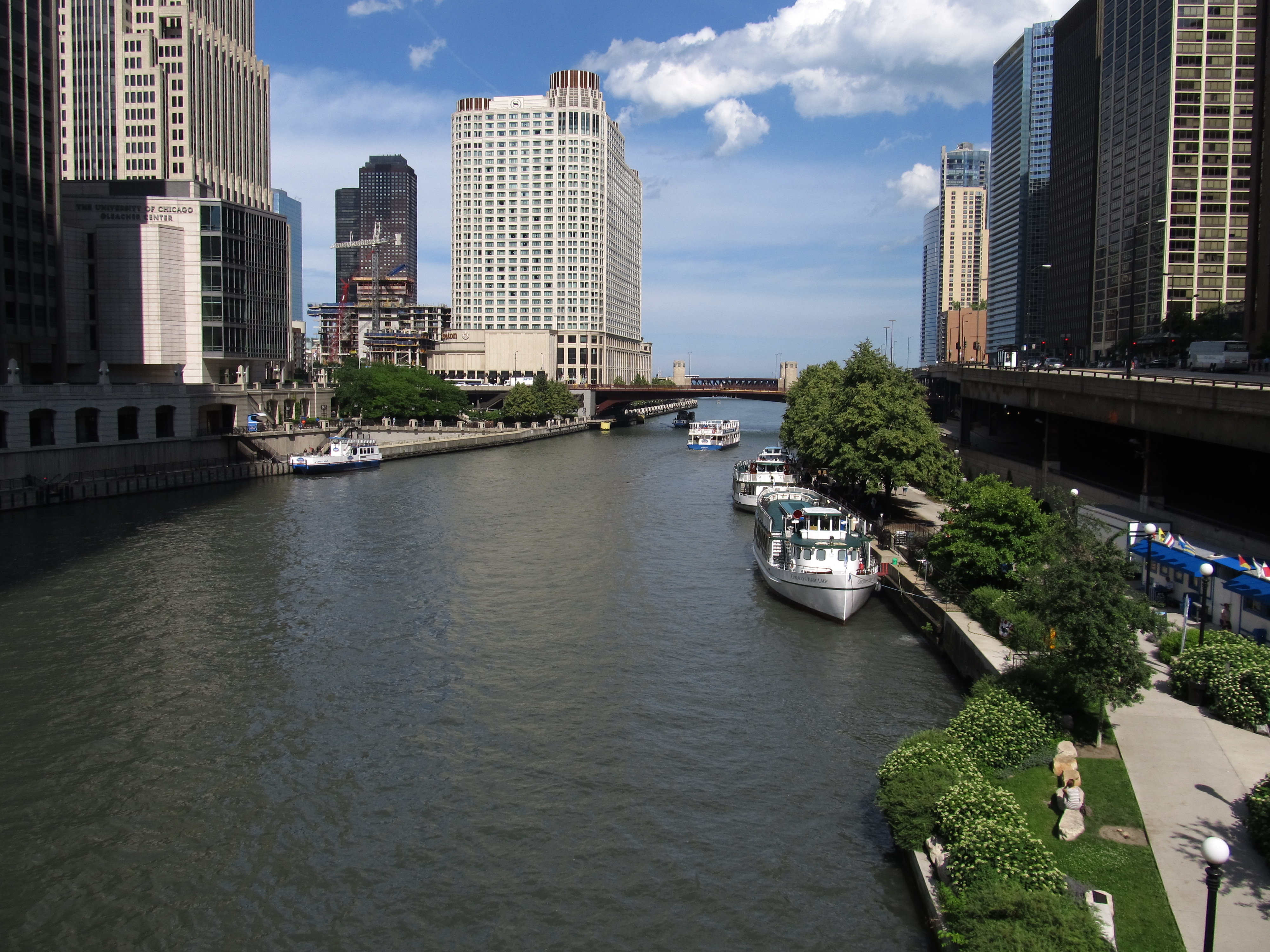
The record company had simply set up temporary gear in the hotel. Over three days, November 23 to 25, 1936, Johnson cut 16 selections, with alternate takes of most of them, according to Robert Johnson's Wikipedia biography. Among them: "Sweet Home Chicago," "I Believe I'll Dust My Broom" and "Cross Road Blues." All three became blues standards.
How a Delta drifter reached room 414
Getting there took a chain of middlemen. In Jackson, Mississippi, Johnson looked up H. C. Speir, a general-store owner who doubled as a talent scout. Speir passed him to Ernie Oertle, a salesman for the ARC group of labels, and Oertle brought him to producer Don Law in Texas.
The National Park Service's profile of Johnson says his playing mixed shuffling rhythms with slide-guitar leads that dwarfed his rivals, and that his songs were kept tight and short enough to fit one side of a 78 rpm disc. He had studied records closely, and it showed.
The first release from San Antonio was "Terraplane Blues," backed with "Kind Hearted Woman Blues." It sold as many as 10,000 copies. A few years later, folklorist Alan Lomax, cataloguing the song for a US government list, described its lyrics as "elaborate sex symbolism," a cheeky car-engine metaphor that fans still grin about.
The date nobody quite agrees on
Even the calendar is slippery. Johnson's biography gives the session as November 23 to 25, while the Gunter Hotel's Wikipedia entry places the room 414 session on November 27, 1936. Either way, the anniversary falls this week, and the room has become a pilgrimage site: John Mellencamp recorded "Right Behind Me" there in 2009, and Joe Henry and Billy Bragg cut tracks there in 2016.
Only two sessions, ever
San Antonio was half of everything. Johnson recorded just once more, in Dallas in June 1937, and the two sessions together yielded 29 songs. That is his entire recorded output, made in under seven months.
- November 1936: 16 selections at the Gunter Hotel, San Antonio.
- June 19 to 20, 1937: the rest in a makeshift studio in Dallas.
- August 16, 1938: Johnson died in Greenwood, Mississippi, aged 27.
- Late 1938: producer John Hammond went looking for him for a Carnegie Hall concert, unaware he had died.
- 1961: Columbia's album King of the Delta Blues Singers brought the San Antonio songs to a new generation.
That is 29 songs across roughly five days of recording, a smaller catalog than many modern artists release in two albums.
The devil at the crossroads
The legend glued to Johnson, that he traded his soul at a midnight crossroads for his guitar skill, may not even be his. His Wikipedia biography notes the tale was first told about Tommy Johnson, an unrelated Delta bluesman who claimed the bargain himself. The NPS profile adds that some locals simply believed it because of how suddenly Johnson's playing improved after a stretch away from Robinsonville.
The legend sticks anyway. The Rock and Roll Hall of Fame's inductee page, which enshrined Johnson in 1986, says he "may be the first ever rock star."
Badiyaa has traced other American music origin stories, including how W.C. Handy hid a tango inside St. Louis Blues and why Scott Joplin lay in an unmarked grave for 57 years.
The Gunter itself, opened in 1909, still trades on its address at 205 East Houston Street, and a $57 million renovation in 2025 left the building ready for the next wave of blues fans asking for room 414.
Sources
- Robert Johnson, Wikipedia, 2026
- Gunter Hotel, Wikipedia, 2026
- Robert Johnson, Lower Mississippi Delta Region, US National Park Service, 2017
- Robert Johnson, 1986 inductee, Rock and Roll Hall of Fame, 2026
Image: intenteffect, CC BY-SA 2.0 via Wikimedia Commons
This article was produced with AI assistance and reviewed by our Editorial Desk. How we work.