The first CARE packages shipped to hungry Europe came with cigarettes inside, and the charity sending them could not get them out. Several board members wanted the cigarettes removed, but opening and resealing 2.8 million boxes was judged impractical, according to CARE's Wikipedia history.
That relief group was incorporated on November 27, 1945, and its boxes went on to give English one of its coziest phrases: the care package.
Army leftovers with a new address
CARE began as the Cooperative for American Remittances to Europe, an alliance of 22 American charities, from Quaker and Catholic groups to labor and refugee committees. Its founders, including Arthur Ringland and Lincoln Clark, wanted a way for Americans to feed loved ones in a continent where millions were at risk of starvation after World War II.
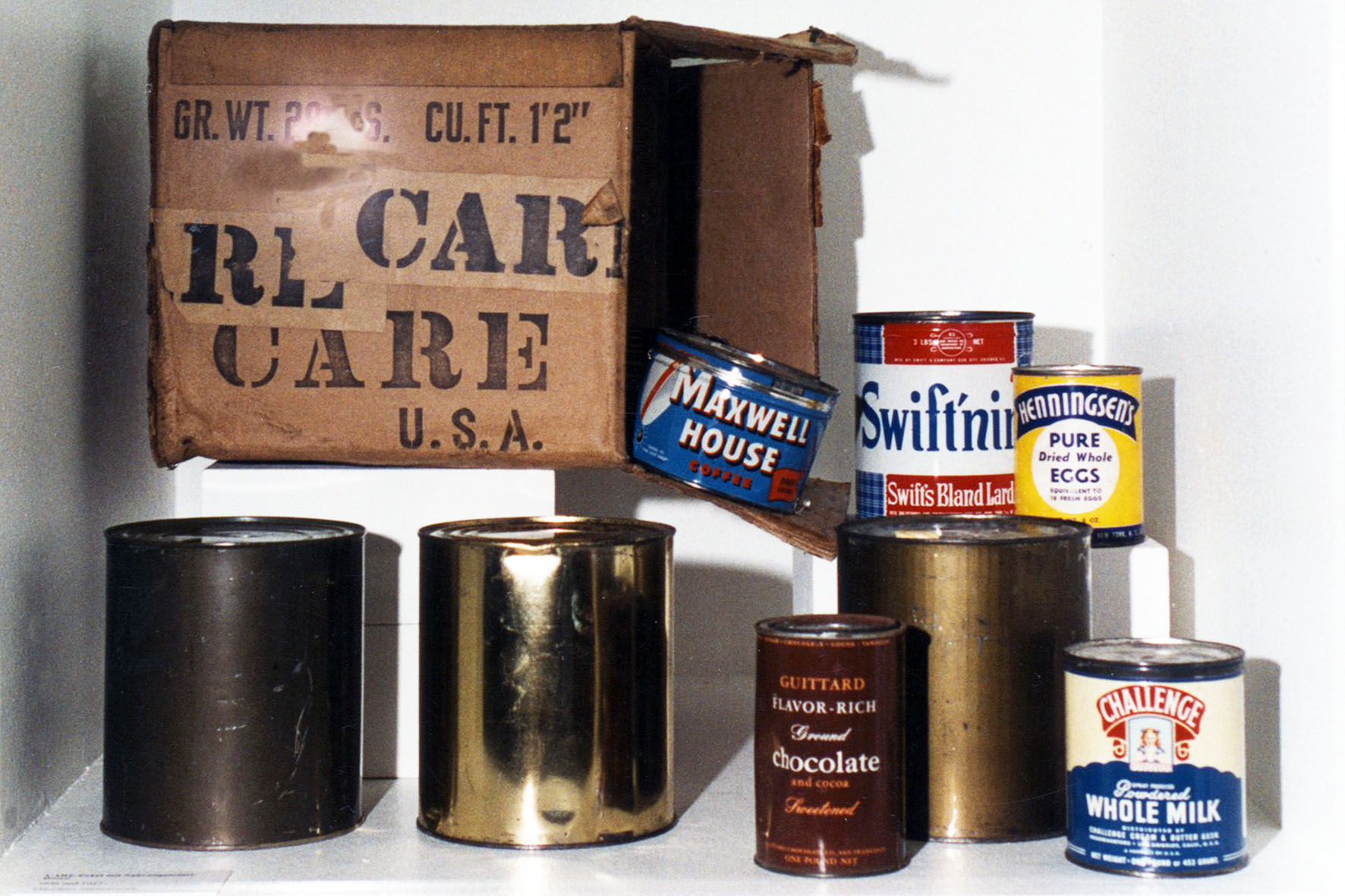
The food was already sitting in warehouses. CARE's own history of the package explains that the first boxes were surplus U.S. Army "10-in-1" rations, each meant to feed 10 soldiers a meal during the planned invasion of Japan that never came. Ten dollars bought a box, with delivery guaranteed within four months.
The contents mixed staples with small luxuries: canned meats, powdered milk, dried fruit and fats, plus chocolate, coffee and those cigarettes. President Harry S. Truman bought the first one.
Proof of life in a cardboard box
On May 11, 1946, the first shipment docked at Le Havre, France. CARE puts that first load at 15,000 boxes; Wikipedia's CARE Package article gives 20,000.
The packages carried something beyond food. CARE returned a signed delivery receipt to each sender, and with European mail in chaos, that slip was sometimes the first sign a relative had survived the war. The Science History Institute's archive holds two such receipts, dated 1947, from the papers of chemist Max Bredig, who sent food to friends in Europe.
Donors soon stopped naming recipients. CARE recalls parcels addressed to "a hungry occupant of a thatched cottage" and "a school teacher in Germany."
From ration box to everyday phrase
By early 1947 the Army rations ran out, and CARE designed its own boxes with a nutritionist: no cigarettes, tea instead of coffee for Britain, pasta for Italy and kosher versions too. During the 1948–49 Berlin Airlift, CARE's timeline says it flew 200,000 packages into the blockaded city.
The figures add up fast. More than 100 million CARE packages went out before the last food box shipped in 1967. At $10 each, the first 2.8 million surplus rations alone represented $28 million in American orders, if every one sold at the launch price.
Long after the original program ended, the name stuck. In the US and UK, "care package" now means the cookies and socks families mail to college students, even though CARE still holds the trademark.
Badiyaa has covered other wartime stories with a French link, including Josephine Baker's work as a Resistance spy; more of the past lives in our History section.
The box is back, too: CARE says it relaunched the CARE Package in 2026 to mark its 80th year.
Sources
- CARE International, Wikipedia, 2026
- The CARE PACKAGE: 1946 to Today, CARE, 2026
- CARE Package, Wikipedia, 2026
- C. A. R. E. receipts, Science History Institute, 1947
- CARE's History: A Timeline of Action and Impact, CARE, 2026
Image: Karl Schillinger, CC BY-SA 4.0 via Wikimedia Commons
This article was produced with AI assistance and reviewed by our Editorial Desk. How we work.