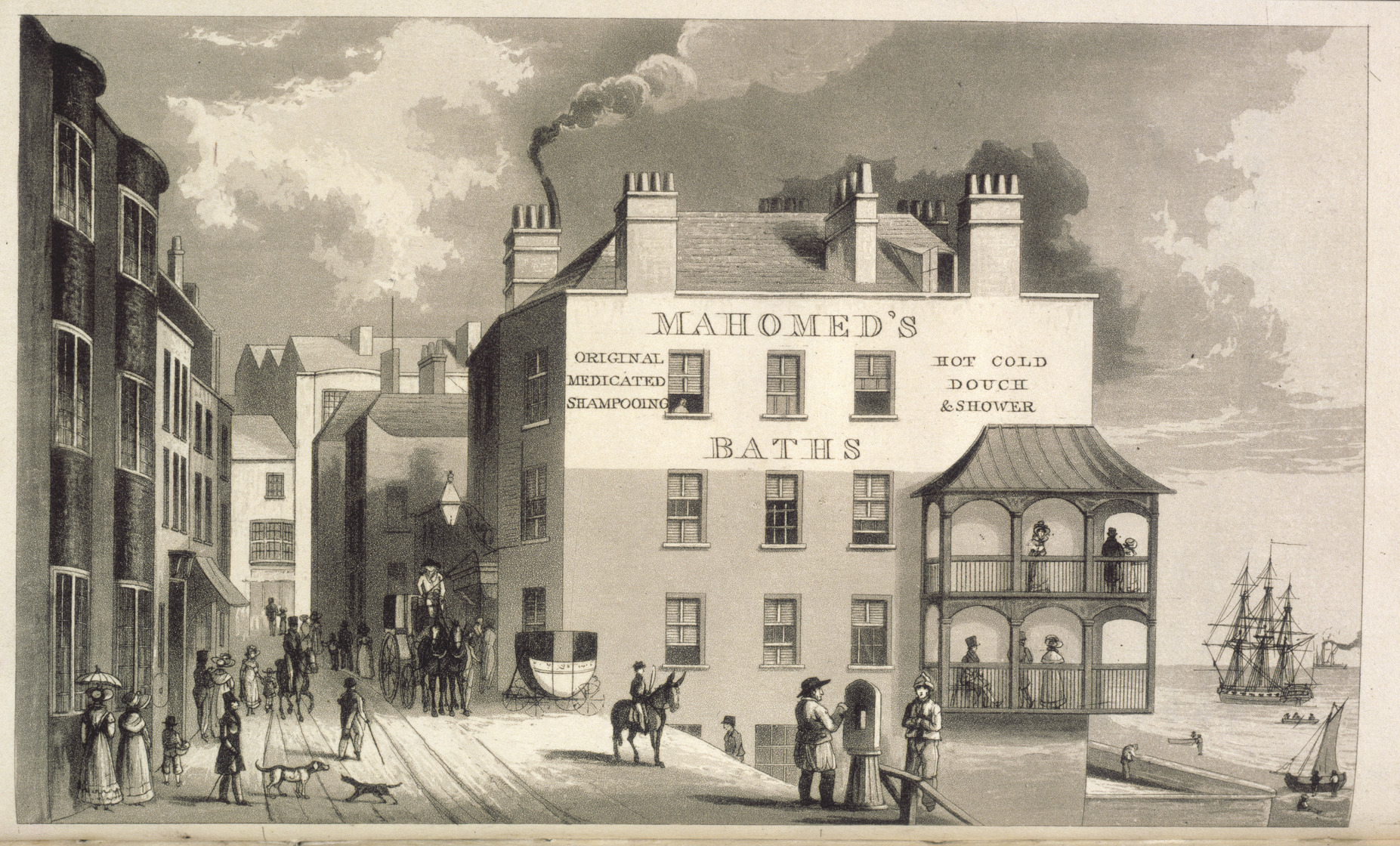
Long before shampoo meant a bottle in the shower, it meant a steamy, oil-soaked rubdown on the Brighton seafront, and the man selling it was Sake Dean Mahomed. Born in Patna in 1759, he ended up as the official "shampooing surgeon" to two British kings, George IV and William IV, according to his Wikipedia biography.
Getting there took a war career, a love affair the bride's family opposed and one of the boldest restaurant openings London had seen.
An elopement in Cork
Mahomed served with the East India Company's army as a trainee surgeon, then followed his patron, Captain Godfrey Evan Baker, to Cork in Ireland in 1784. There he studied English and fell for Jane Daly, described in his biography as a "pretty Irish girl of respectable parentage."
Her family objected. Marriage between Protestants and non-Protestants was illegal at the time, so the couple ran off to another town to marry. The romance stuck: Jane later worked beside him in the bath business and ran the ladies' baths herself.
In 1794 he published The Travels of Dean Mahomet, a set of 38 letters about India that made him the first Indian author to publish a book in English.
London's first curry house
In 1810 he opened the Hindoostane Coffee House on George Street, near Portman Square. The restaurant's Wikipedia entry lists its first name as the Hindoostane Dinner and Hooka Smoking Club, the earliest Indian restaurant in the British Isles. Diners got hookahs "with real chilm tobacco," plus dishes that its advertising claimed were judged by "the greatest epicures to be unequalled to any curries ever made in England." It even delivered.
The money ran out fast. Mahomed's own venture ended in financial trouble within a couple of years, and the City of Westminster put up a plaque near the site in 2005.
Steam, oils and royal patients
Brighton was where the gamble paid off. Mahomed's Baths, near the seafront, sold vapor baths and "shampooing," an Indian massage with oils. The history of the word shampoo traces it to a Hindi term from a Sanskrit root meaning to press or knead; the hair-washing sense only appears in English in 1860.
His newspaper advertising made big claims, pitching "The Indian Medicated Vapour Bath" as "a cure to many diseases and giving full relief when every thing fails." Hospitals sent him patients, the town nicknamed him "Dr. Brighton," and the royal appointments followed. In his book on shampooing he admitted the English were skeptical at first, writing that he "had to struggle with doubts and objections raised and circulated against my Bath."
He also dressed the part. Brighton & Hove Museums still holds his court outfit, a thigh-length silk coat in Indian court style worn over an early pair of tailored trousers, along with his red leather shoes. The curator suggests he probably designed the hybrid look himself to appear both exotic and modern.
The rise and fall, in five dates
- 1784: arrives in Ireland and soon elopes with Jane Daly.
- 1794: publishes his Travels, the first English book by an Indian author.
- 1810: opens the Hindoostane Coffee House in London.
- 1810s: opens Mahomed's Baths in Brighton and becomes shampooing surgeon to George IV, then William IV.
- Late 1830s: short of capital, the baths go to auction; he dies in Brighton in 1851.
Counted from the first plate of curry to the auction, Mahomed spent roughly a quarter of a century selling Indian food and Indian comfort to Regency Britain. Badiyaa has told other stories of Black and Asian Britons the history books skipped, from Mary Seacole's Crimean War hotel to Mary Prince's 1831 memoir and its libel trials and Ira Aldridge's Shakespeare career.
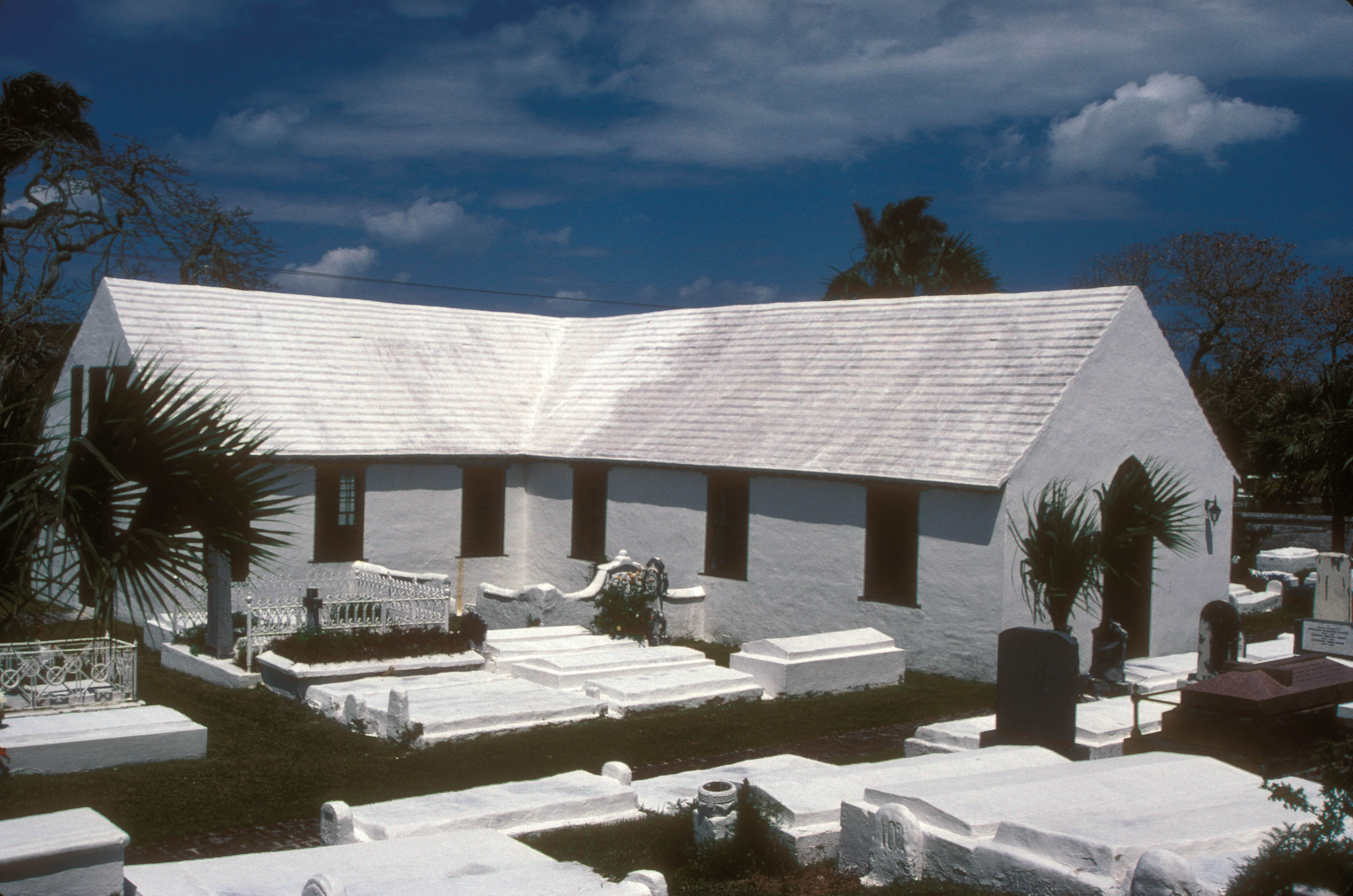
His grave is at St Nicholas' Church in Brighton, where the headstone was refurbished in 2025.
Sources
- Dean Mahomed, Wikipedia, 2026
- Hindoostane Coffee House, Wikipedia, 2026
- Shampoo, Wikipedia, 2026
- Sake Dean Mahomed: a well-dressed shampooer, Brighton & Hove Museums, 2017
Image: Maddocks, CC0 via Wikimedia Commons
This article was produced with AI assistance and reviewed by our Editorial Desk. How we work.