Ira Aldridge was 18 when he walked onto the stage of London's Royal Coburg Theatre on October 10, 1825, billed as a tragedian from New York's African Theatre. Seven weeks later, on November 27, he married Margaret Gill in Bloomsbury. Over the next four decades he became one of the best-known Shakespearean actors in Europe.
Wikipedia's biography of Ira Aldridge describes him as the first African-American actor to build a professional career in a foreign country. He is still the only actor of African-American descent among the 33 actors honored with bronze plaques at Stratford-upon-Avon's Shakespeare Memorial Theatre.
Why he left New York
Aldridge was born in New York City on July 24, 1807, the son of a minister, and studied at the African Free School, run by the New-York Manumission Society. In the early 1820s he acted with the African Company, whose African Grove Theatre was the first resident African-American theater in the United States.
The company faced protests from neighbors, attacks from a rival troupe and a racist parody published by a New York sheriff. Seeing little future at home, Aldridge sailed for Liverpool in 1824.
The London breakthrough
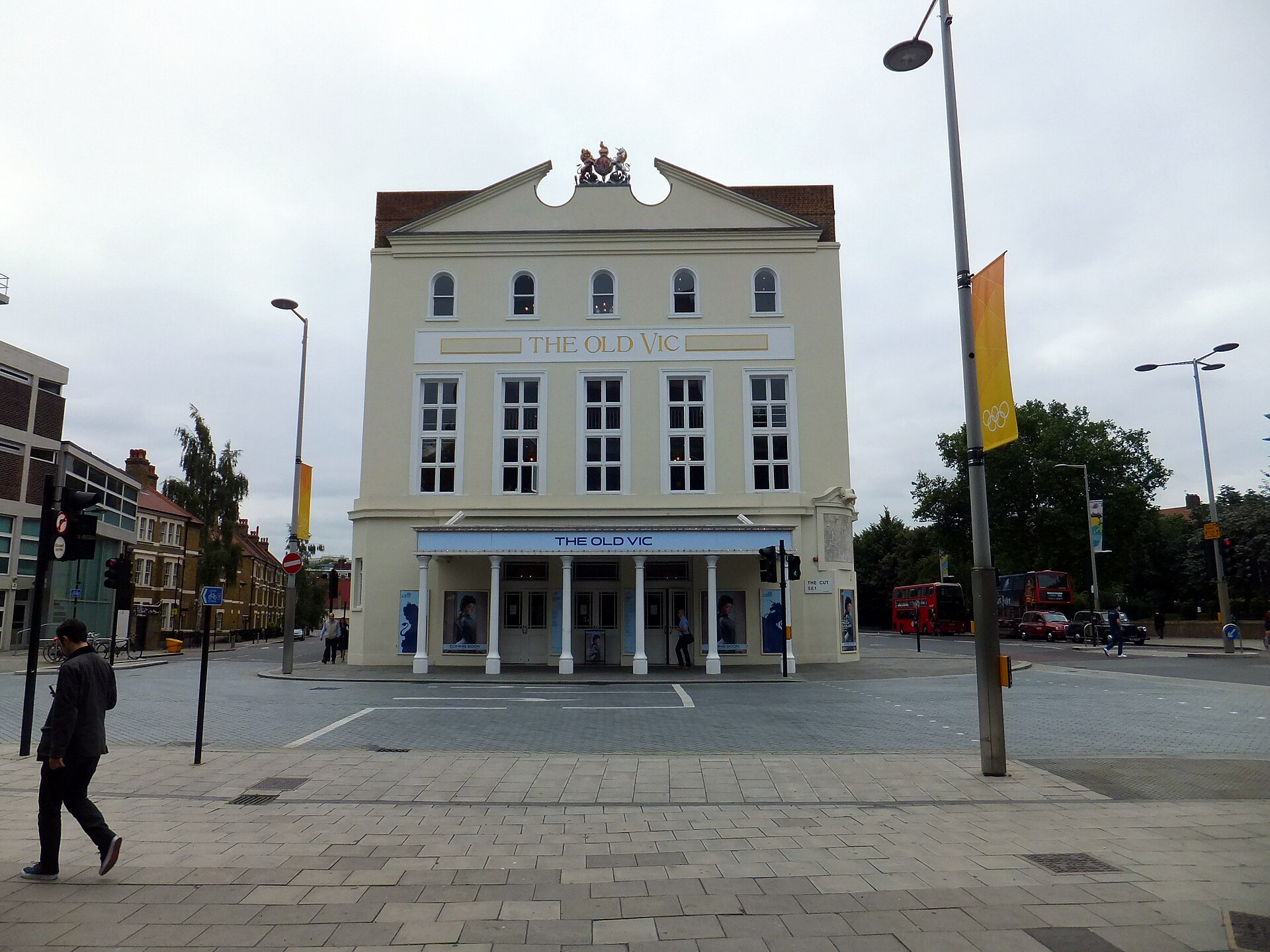
His first London role of note was Oroonoko in The Revolt of Surinam, or A Slave's Revenge, an abolitionist drama. Wikipedia's history of the Old Vic, the theater that began life as the Royal Coburg, calls that 1825 run the start of a groundbreaking international career.
Early reviews were mixed, and some London critics attacked him for his color or objected to a Black man sharing the stage with white actresses. He kept working. Aldridge added Othello, Shylock, Richard III and Aaron in Titus Andronicus to his repertoire, sometimes playing white roles in makeup and a wig.
He also invented a closing-night custom: a speech to the audience on social issues. The University of Bristol Library's profile of Aldridge notes that he often used those curtain speeches to argue against slavery. In 1828 he became manager of the Theatre Royal in Coventry, the first African American to run a British theater, and his antislavery speeches there are credited with inspiring a local petition to Parliament.
A career in numbers
- 1807: born in New York City.
- 1824: leaves for England, never to perform in the United States again.
- 1825: Royal Coburg debut at 18; marries Margaret Gill on November 27.
- 1828: manages Coventry's Theatre Royal.
- 1852: begins touring continental Europe from Brussels.
- 1858: tours Serbia and the Russian Empire.
- 1863: becomes a naturalized British citizen.
- 1867: dies on August 7 in Łódź, Poland, while on tour.
Counted from his London debut, Aldridge's stage career abroad ran almost 42 years, and he spent 43 years away from the country of his birth.
Honors from Prussia to Russia
On the continent Aldridge performed for royalty, including Frederick William IV of Prussia, and received the Prussian Gold Medal for Arts and Sciences. In Russia he befriended the Ukrainian poet and artist Taras Shevchenko, who drew his portrait in pastel in 1858. His tours helped build interest in Shakespeare in parts of Central Europe, particularly Poland.
At his death he was reportedly planning a 100-show tour of the post-Civil War United States. Two of his daughters, Amanda and Luranah, became opera singers, and Amanda later coached the actor Earl Cameron. Today a blue plaque marks his former home at 5 Hamlet Road in Upper Norwood, London, and Howard University in Washington, DC, has a theater named for him.
Badiyaa's hidden history series has also covered Matthew Henson's long wait for recognition after reaching the North Pole and Charles Drew's Blood for Britain plasma program.
Sources
- Ira Aldridge, Wikipedia, 2026
- The Old Vic, Wikipedia, 2026
- Ira Aldridge, University of Bristol Library, Cultural Collections, 2026
Image: Paul Farmer, CC BY-SA 2.0 via Wikimedia Commons
This article was produced with AI assistance and reviewed by our Editorial Desk. How we work.