First you wrote your enemy's name on a little clay prisoner with its arms tied behind its back. Then you spat on it, stomped on it, stabbed it, burned it, soaked it in urine and buried the pieces. In ancient Egypt, this was not a tantrum. It was state policy.
Egyptologists call these objects execration texts, and more than 1,000 deposits of them have turned up from Giza to the Nile forts of Nubia. They are curse kits, built to break the pharaoh's rivals by breaking their names.
How the Egyptian curse ritual worked
The idea was sympathetic magic: harm the name and you harm the person or city it labels. Scribes wrote lists of foes in hieratic, a fast cursive script, on figurines of bound foreigners, on bowls, or on blocks of clay or stone. The objects were then destroyed and the fragments usually left near tombs or ritual sites, as Wikipedia's overview of the execration texts explains.
The violence was methodical. A rite could bind the figure, smash it, trample it, cut it, spear it, spit on it, lock it in a box, put it in the fire and finally bury it, and a full ceremony might repeat those steps on many figures. One surviving set of instructions orders the user to "spit on him four times ... trample on him with the left foot."
Some historians think the habit grew out of a funeral chore. Pots used to wash the dead were smashed so no one could reuse them, and so any magic left inside would drain away.
Two thousand years of clay enemies
- Old Kingdom, 6th Dynasty (24th to 22nd centuries BCE): the earliest examples, unbaked clay captives with names on their chests, sometimes in red ink. More than 400 came out of the cemetery at Giza.
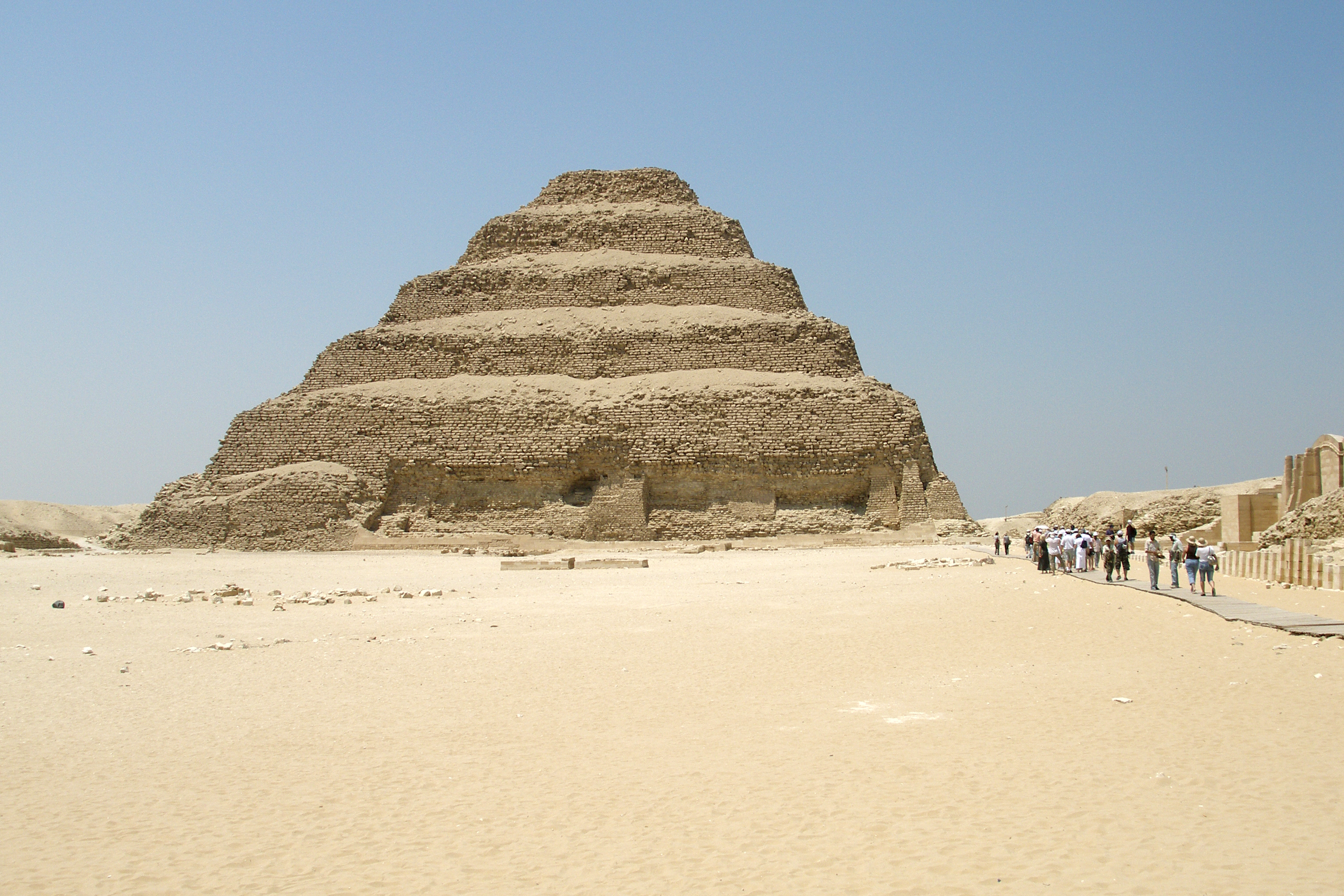
- Middle Kingdom, 12th Dynasty: the peak, with large and small figurines at Saqqara and inscribed pots at the Nubian fortress of Mirgissa.
- Second Intermediate Period and New Kingdom: only a handful of examples.
- Ptolemaic period: ordinary Egyptians increasingly used the ritual for their own personal grudges.
Mirgissa delivered the jackpot. French Egyptologist Jean Vercoutter's team found a pit in the desert holding some 3,500 pottery fragments, some of them inscribed with the names of foreign lands and their rulers, according to the Wikipedia entry on the Mirgissa fortress. The site now lies under Lake Nubia, drowned by the Aswan High Dam.
A curse that may name Jerusalem first
The curses are a goldmine for historians precisely because they name names. The first group, published by Kurt Sethe in 1926 and known as the Berlin texts, lists roughly 20 places in Canaan and Phoenicia and more than 30 rulers. It contains what may be the earliest known mention of Jerusalem. A second batch, the Brussels texts from Saqqara figurines, names 64 places, and Nubian kings appear by the hundreds.
Reading them is not easy. The black carbon and red iron inks have faded over 4,000 years, so researchers now use multi-spectral imaging to pull the letters back out of the clay.
You can see one of these grudges up close in New York. The Metropolitan Museum's record for a magical figure, accession 33.1.98, describes a lump of unfired clay just 6.7 centimeters tall, dug up at Lisht South during the museum's 1932 to 1933 excavations and dated to about 1802 to 1550 BCE.
From the Nile to Bath
The habit of cursing in writing outlived the pharaohs. The Greeks and Romans scratched curses on thin lead sheets, pierced them with nails and dropped them into graves and wells, and British readers have a famous haul at home: 130 curse tablets from the Roman spring at Bath, almost all about stolen goods, as Wikipedia's history of curse tablets records. Badiyaa has dug into Egypt's stranger corners before, including what Howard Carter actually wrote at Tutankhamun's tomb, and into later occult art with Manuel Orazi's 1895 calendar of witches.
Counting from the 6th Dynasty figures at Giza to the Ptolemaic users, Egyptians kept smashing their enemies' names for about 2,000 years.
Sources
- Execration texts, Wikipedia, 2026
- Mirgissa, Wikipedia, 2026
- Magical Figure, accession 33.1.98 (Metropolitan Museum of Art record), Wikimedia Commons, 2017
- Curse tablet, Wikipedia, 2026
Image: Vyacheslav Argenberg, CC BY 4.0 via Wikimedia Commons
This article was produced with AI assistance and reviewed by our Editorial Desk. How we work.