For almost two decades, one of the most important computer science textbooks ever written was something students were not supposed to have. They passed it around anyway, as photocopies of photocopies, and some of them met after dark in empty classrooms to read it together.
The book was John Lions' commentary on the Sixth Edition of Unix, the operating system built at AT&T's Bell Labs. Wikipedia's entry on the Lions Book calls it a likely candidate for the most photocopied book in computer science.
A lecturer in Sydney prints the whole kernel
Lions was a senior lecturer at the University of New South Wales (UNSW) in Sydney. His department got hold of the Unix source code in 1975, after colleague Ken Robinson wrote to Dennis Ritchie at Bell Labs. In May 1976 Lions put the code and his line-by-line notes together as lecture material for two operating systems courses, then handed students cardboard-bound printouts holding the entire system, according to the biography of John Lions on Wikipedia, which draws on an unofficial UNSW department history.
That was possible because Version 6, released in May 1975, shipped with its full source, and its licence was not explicit enough to stop teachers using it. The Version 6 Unix article lists UNSW alongside UC Berkeley and Johns Hopkins as early teaching sites. The printed book followed in 1977, and Unix licensees could order it.
Then AT&T shut the classroom door
Unix was turning into a business. When AT&T announced Version 7 in June 1979, the academic licence no longer covered classroom study of the code. Andrew Tanenbaum, who went on to write Minix because of the change, put it bluntly in his 1987 textbook: the new licence "prohibited the source code from being studied in courses, in order to avoid endangering its status as a trade secret."
So the Lions Book went underground. Copies were run off again and again across the world. One former student, Peter Reintjes, later described the late-night study sessions: "It was the only time in my life I was an active member of an underground."
The line nobody was expected to understand
The book's most famous moment is a single comment in the code, on line 2238 of the listing, about how the kernel swaps between processes: "You are not expected to understand this." Generations of programmers have quoted it as a joke at their own expense. Ritchie later explained that it was "intended as a remark in the spirit of 'This won't be on the exam', rather than as an impudent challenge."
The trick it described relied on a quirk of the PDP-11 C compiler. It broke when Unix was moved to other machines and had to be redesigned for Version 7.
From contraband to course material
Unix pioneers including Ritchie and historian Peter Salus lobbied the system's owners for years. In 1996 the Santa Cruz Operation finally cleared the 20-year-old code, and the commentary was reissued officially that year with forewords from Ritchie and Ken Thompson.
Its teaching life did not end there. MIT used the original V6 code in its operating systems course and, for the fall 2006 run of MIT's 6.828 class, replaced it with xv6, a modern rewrite. The xv6 article on Wikipedia notes its whole source prints in 96 pages, a deliberate echo of the Lions format.
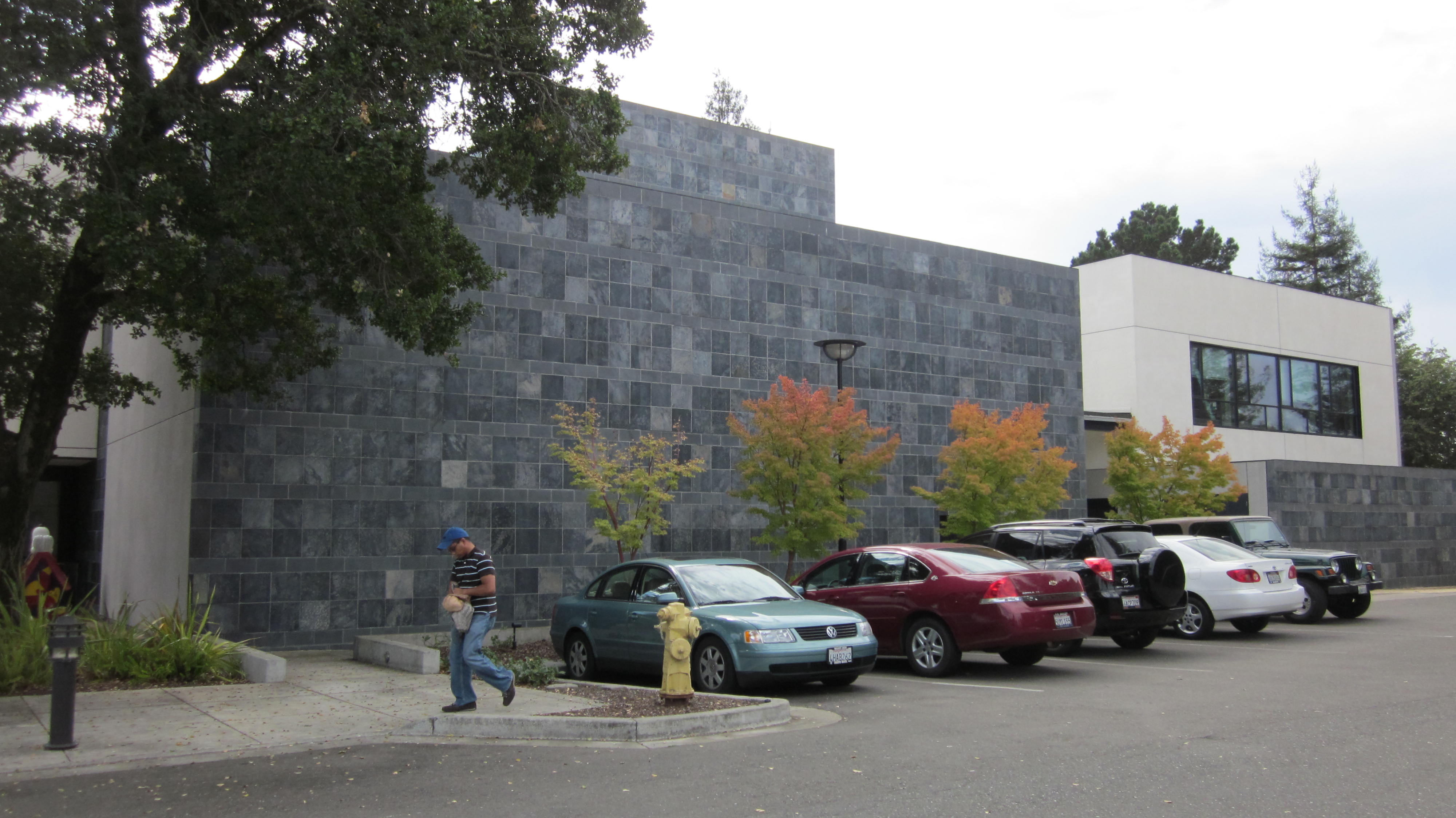
UNSW opened the John Lions Garden in 2002, with a tree inscription reading "Lions' books inspired a generation of operating systems designers." The same generation built the systems described in Badiyaa's histories of how Berkeley's BSD Unix broke free of AT&T and Linus Torvalds' 1991 hobby post that became Linux.
Sources
- A Commentary on the UNIX Operating System (Lions' Commentary), Wikipedia, 2026
- John Lions, Wikipedia, 2026
- Version 6 Unix, Wikipedia, 2026
- 6.828: Operating System Engineering, Fall 2006, Massachusetts Institute of Technology, 2006
- Xv6, Wikipedia, 2026
Image: Aaron.quigley, CC BY-SA 4.0 via Wikimedia Commons
This article was produced with AI assistance and reviewed by our Editorial Desk. How we work.