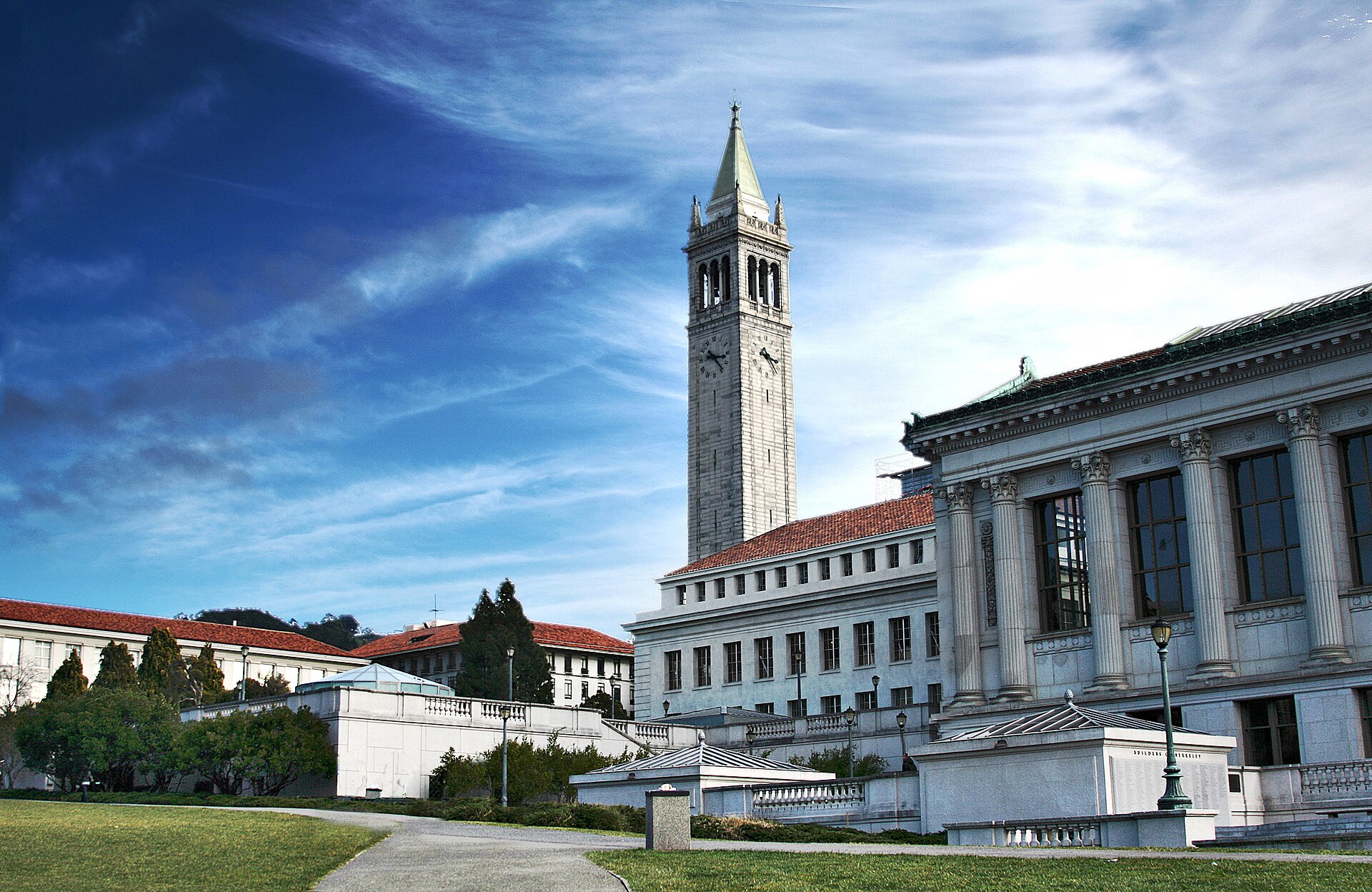
The free operating systems behind much of today's internet, from FreeBSD to the core of Apple's macOS, exist because a small group at the University of California, Berkeley spent years writing AT&T's code out of Unix, then survived a lawsuit over it. A new illustrated history of that fight drew attention on Hacker News this week, and the record behind it is worth laying out.
Why Berkeley needed to escape
Berkeley's Computer Systems Research Group began shipping its improved version of Unix, the Berkeley Software Distribution or BSD, in March 1978. It built on AT&T's Bell Labs code, so anyone who wanted BSD also needed an AT&T source license. As Wikipedia's history of the Berkeley Software Distribution notes, those licenses had become very expensive by the late 1980s, and outside groups wanted Berkeley's networking code on its own.
Berkeley's answer came in June 1989 with Networking Release 1, or Net/1. It contained only code written outside AT&T and could be shared freely under the permissive BSD license.
Rewriting Unix file by file
Developer Keith Bostic then pushed for more. He organized volunteers to rebuild the standard Unix utilities without touching AT&T code. Within 18 months the utilities were replaced, the last few AT&T files in the kernel were removed, and Net/2 arrived in June 1991 as a nearly complete operating system anyone could download.
Two projects quickly ported Net/2 to Intel 386 PCs. William and Lynne Jolitz released the free 386BSD, which became the starting point for NetBSD and FreeBSD. A company called Berkeley Software Design, or BSDi, sold a commercial version called BSD/386.
The lawsuit
That commercial product drew a response. In April 1992, AT&T's Unix System Laboratories (USL) sued BSDi in New Jersey federal court and later added the Regents of the University of California, according to Wikipedia's article on USL v. BSDi. USL claimed the Berkeley code was copied or derived from its proprietary Unix.
The case turned badly for USL. In 1993, Judge Dickinson R. Debevoise refused a preliminary injunction, finding USL had no valid copyright over the older UNIX/32V release. AT&T had shipped 32V in 1978 without copyright notices on thousands of copies, which mattered under US law at the time. The university then countersued, saying USL had failed to credit Berkeley for BSD code used in AT&T's own System V.
A settlement that changed almost nothing
Novell bought USL in mid-1993, and its CEO, Ray Noorda, favored settling. The deal came in early 1994. The Berkeley distribution held 18,000 files. Under the deal, three were deleted outright and 70 were changed to add USL copyright notices. By Badiyaa's count, that is about 0.4% of the files touched and less than 0.02% deleted. USL also agreed not to sue users of the coming 4.4BSD-Lite release.
The delay still had a cost. The BSD history says the case slowed the free BSD systems for nearly two years, while Linux, which carried no such legal cloud, gained support. Berkeley's final release, 4.4BSD-Lite Release 2, followed in 1995, and the research group was dissolved.
Where BSD lives now
FreeBSD, NetBSD, OpenBSD and DragonFly BSD all descend from that code. Darwin, the base of macOS and iOS, draws on 4.4BSD-Lite2 and FreeBSD, and PlayStation system software is derived from FreeBSD and NetBSD. For more computing history, see Badiyaa's look at Turbo Pascal's 39,731-byte compiler and the story of 3Com and the rise of Ethernet.
Sources
- Berkeley Software Distribution, Wikipedia, 2026
- UNIX System Laboratories, Inc. v. Berkeley Software Design, Inc., Wikipedia, 2026
Image: brainchildvn on Flickr, CC BY 2.0 via Wikimedia Commons
This article was produced with AI assistance and reviewed by our Editorial Desk. How we work.