Jeff Geerling, the developer and YouTuber known for Raspberry Pi projects, has added a public time server to the NTP Pool, the volunteer network that keeps clocks in sync on hundreds of millions of devices. He describes the setup, and why he kept his most precise clock off the public internet, in his November 17 blog post.
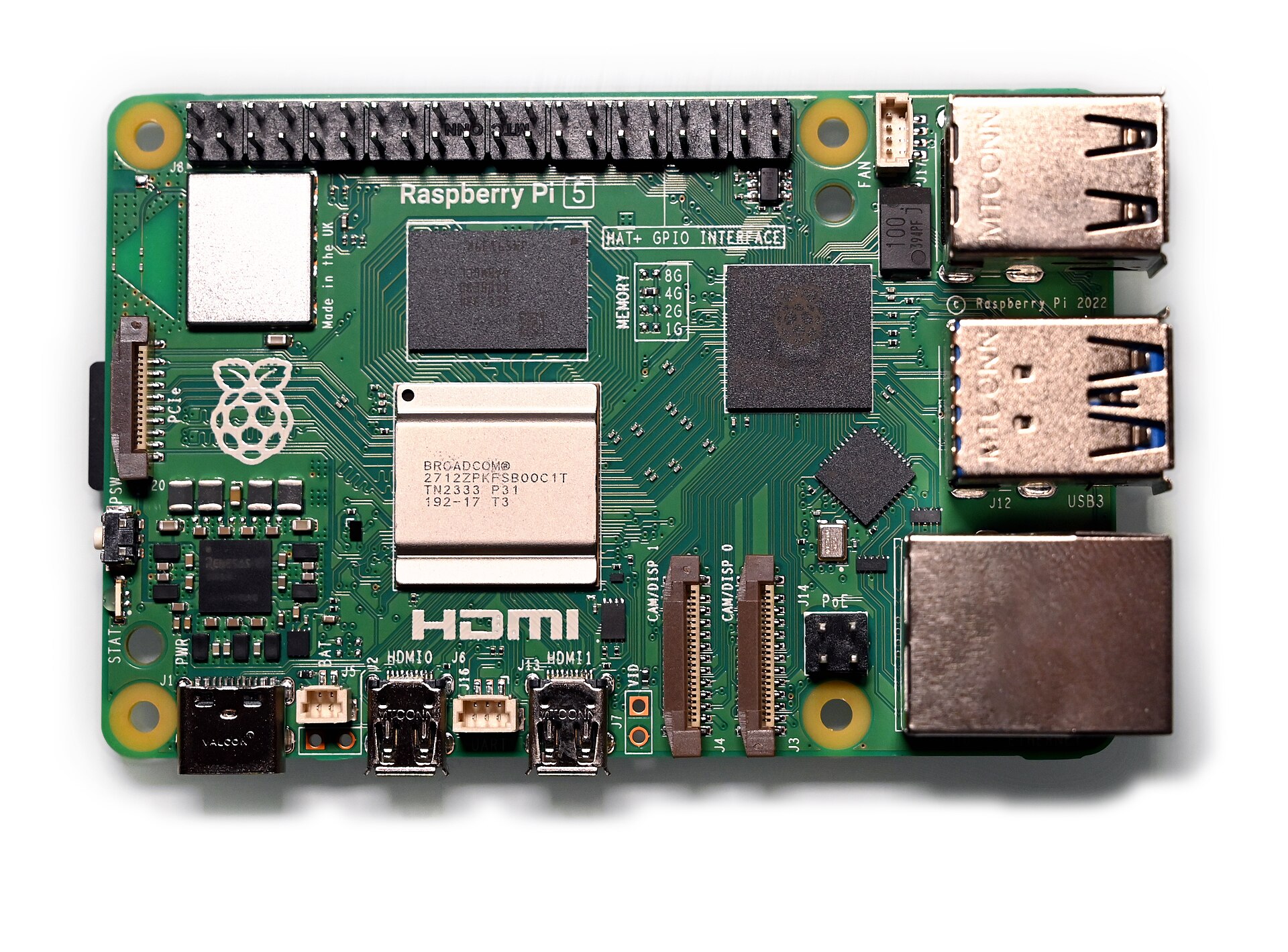
The public machine, ntp-01.jeffgeerling.com, is a Stratum 2 server. It takes its time from a Stratum 1 server in his studio: a Raspberry Pi wired to an outdoor GNSS satellite antenna through a TimeHAT board and a timing-grade u-blox ZED-F9T receiver.
What the strata mean
Network Time Protocol arranges clocks in layers. A Stratum 1 server reads time directly from a reference such as GPS satellites. A Stratum 2 server copies time from a Stratum 1 machine, and so on down the chain. Geerling's Pi is the Stratum 1 reference; a rented virtual server in St. Louis is the Stratum 2 machine the public actually talks to, linked back to the studio by a WireGuard tunnel.
Why he kept the Pi private
Joining the pool means publishing your server's IP address. Geerling writes that when he once exposed his home address while self-hosting his website on Raspberry Pis, an attacker flooded it with traffic for most of a month, and he had to change his home IP. Putting a cloud server in front keeps the studio hidden. St. Louis was chosen to keep latency low, since fewer network hops mean better time sync.
He also lists what any volunteer should expect before signing up:
- The server must stay online and accurate for a long stretch before the pool activates it.
- A stable IPv4 or IPv6 address and a long-term commitment are required.
- Traffic fades slowly after you leave, and badly configured devices may keep asking for the time for months or years.
How precise the studio clock is
The Pi's network card, an Intel i226, supports hardware timestamping. Using the receiver's pulse-per-second signal, Geerling says he can hold that card's clock within tens of nanoseconds of UTC. The Pi's own system clock is only accurate to about a microsecond, because the signal passes through the PCIe bus. In practice, that means the studio clock is roughly 10 to 100 times tighter than the computer it lives in.
The project hit a snag on November 16, when an automatic Debian kernel update rebooted the public server and knocked it offline. The pool's monitors then had to raise its score back above 10 before it could serve time again, which Geerling's outage notes put at about 6 to 12 hours.
How big the pool is
As of November 23, the NTP Pool's own server count lists 6,313 active servers. Europe hosts 3,920 of them and North America 1,309. By Badiyaa's math, Europe carries about 62% of the pool and North America about 21%, which helps explain why the project says it still needs more volunteers with always-on servers and static addresses.
Geerling's tinkering fits a long run of home-lab projects Badiyaa has covered, including a developer who got a Coway air purifier talking to a Raspberry Pi instead of the cloud, and a kernel engineer's guide to Linux memory compression.
Sources
- I joined the NTP Pool (blog post), Jeff Geerling, 2026
- pool.ntp.org: the internet cluster of ntp servers, NTP Pool Project, 2026
Image: SimonWaldherr, CC BY 4.0 via Wikimedia Commons
This article was produced with AI assistance and reviewed by our Editorial Desk. How we work.