France's first satellite was supposed to be called A-1, for the French Army's first. The press had other ideas. They named it after the country's favourite comic-book Gaul, and the name stuck: Astérix. It went up on November 26, 1965, exactly 61 years ago today, and it is still circling the Earth.
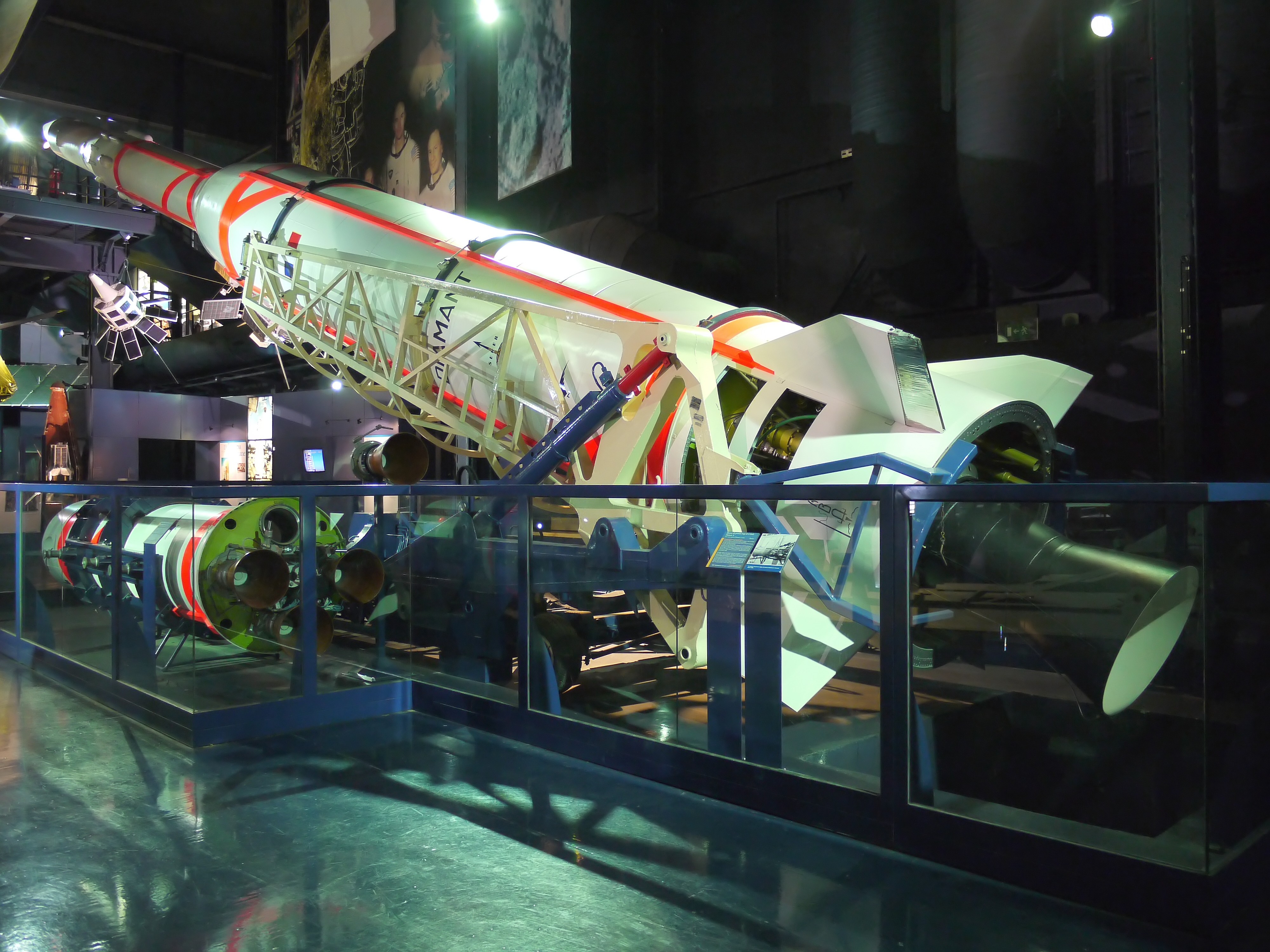
A Diamant A rocket carried the 42-kilogram satellite, about 92 pounds, from the CIEES launch range at Hammaguir in the Algerian desert, according to Wikipedia's entry on the Astérix satellite. Other names were floated too. Zébulon and Zebby, after a character in the French children's TV show Le Manège enchanté, were both on the list.
Why Britain and Canada did not get there first
Astérix made France the sixth country with a satellite in orbit. But it was the third, after the Soviet Union and the United States, to put one up on its own rocket. That is where Britain and Canada come in.
Britain's Ariel 1 reached orbit in April 1962, built with NASA and launched on an American Thor-Delta rocket from Cape Canaveral. It was named by the UK science minister after the sprite in Shakespeare's The Tempest. Canada's Alouette 1 followed in September 1962, designed and built in Ottawa but launched by NASA from Vandenberg in California. Italy's first satellite also flew on an American rocket in 1964.
France wanted to do the whole thing itself. President Charles de Gaulle and the space agency CNES pushed Astérix ahead of another planned satellite so France could claim the title of third space power with a French satellite on a French launcher, a Cold War point of national pride.
A rocket fuelled by turpentine
The Diamant was no Saturn V. It stood about 19 metres, roughly 62 feet, and weighed around 18 tonnes, burning a mix of turpentine and nitric acid in its first stage. It grew out of a French military rocket programme with a jewel-box naming scheme: the earlier test rockets were called Agate, Topaze, Emeraude, Rubis and Saphir, as Wikipedia's history of the Diamant launcher records. Diamant itself means "diamond."
Diamant went on to fly 12 times between 1965 and 1975, with nine successes, before France folded its effort into Europe's Ariane rocket.
Damaged on the way up, still up there
Astérix did not have a perfect ride. About ten minutes after launch, when the rocket's nose fairing came off, the satellite's telemetry equipment was damaged. Accounts differ on what happened next: it may have sent no signal at all, or it fell silent after two days, or after 111 days. American radar confirmed it had reached orbit anyway.
The little satellite, about 55 centimetres across and shaped like a spinning top, sits in an orbit that swings between 527 and 1,697 kilometres high. That is high enough that it is not expected to fall back into the atmosphere for centuries. A prototype is on show at the Air and Space Museum at Paris Le Bourget, and a replica hangs at the Cité de l'espace in Toulouse.
Astérix is far from the only old hardware still up there. Read Badiyaa's story on the small spacecraft sent to inspect dead satellites for NASA, and on how ULA's Vulcan lost 40 Amazon Leo satellites in a modern launch failure.
Sources
- Astérix (satellite), Wikipedia, 2026
- Ariel 1, Wikipedia, 2026
- Alouette 1, Wikipedia, 2026
- Diamant, Wikipedia, 2026
Image: Pline, CC BY-SA 3.0 via Wikimedia Commons
This article was produced with AI assistance and reviewed by our Editorial Desk. How we work.