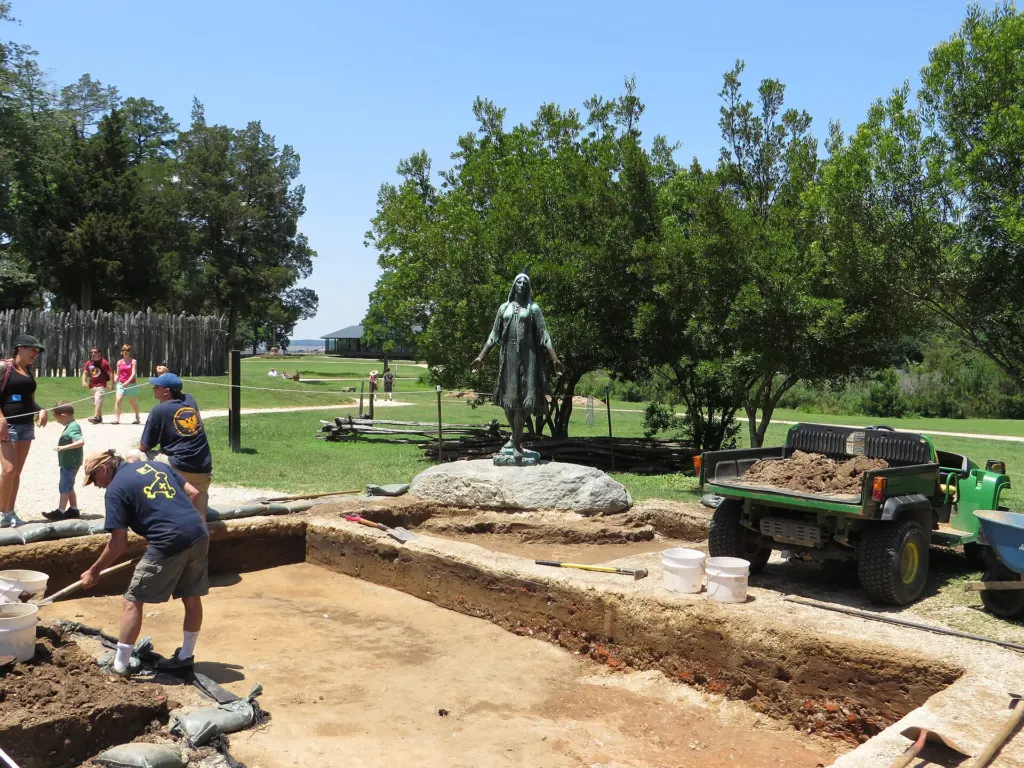
Pocahontas was about 11 when she met John Smith in Virginia, and the love story came centuries later
Smith's own 1616 letter called her a child of 12 or 13, and his first account of his 1607 captivity, written in 1608, has no rescue scene at all.
Trusted News Discovery – Powered by AI and Verified by Humans
The real stories behind famous quotes, people and moments from the past, checked against the original records.
Smith's own 1616 letter called her a child of 12 or 13, and his first account of his 1607 captivity, written in 1608, has no rescue scene at all.
Colvin was 15 when police took her off a Montgomery bus on March 2, 1955; her fingerprint card now sits in the file of the federal case that ended bus segregation.
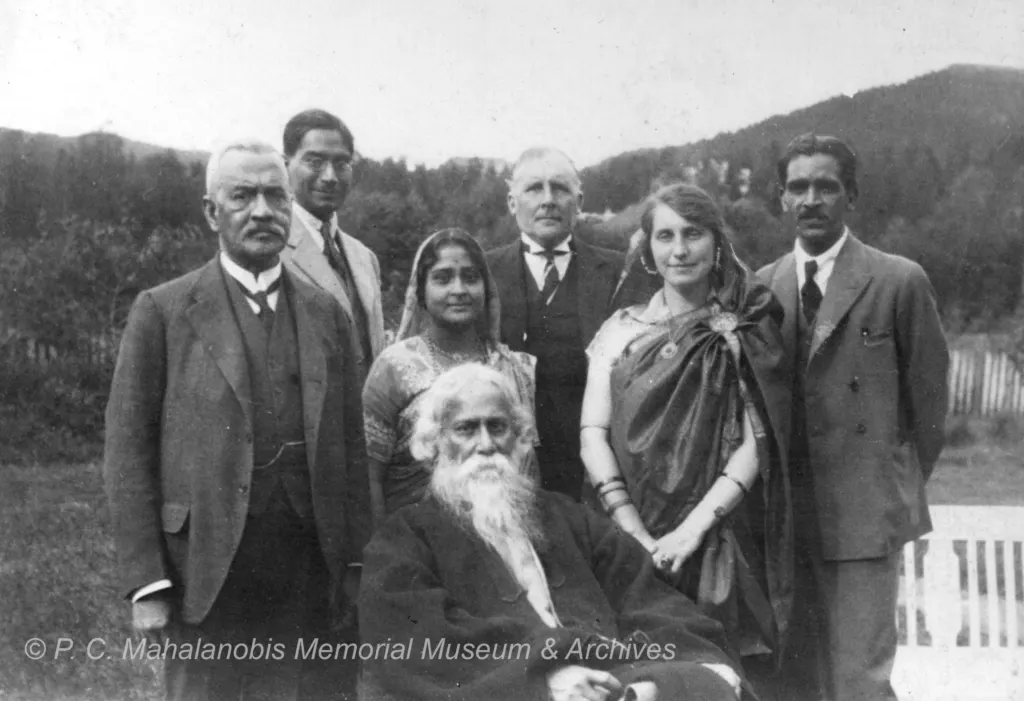
Two songs were sung at the Calcutta session on December 27, 1911. Some British-run papers mixed them up, and Tagore answered the rumor in letters in 1937 and 1939.
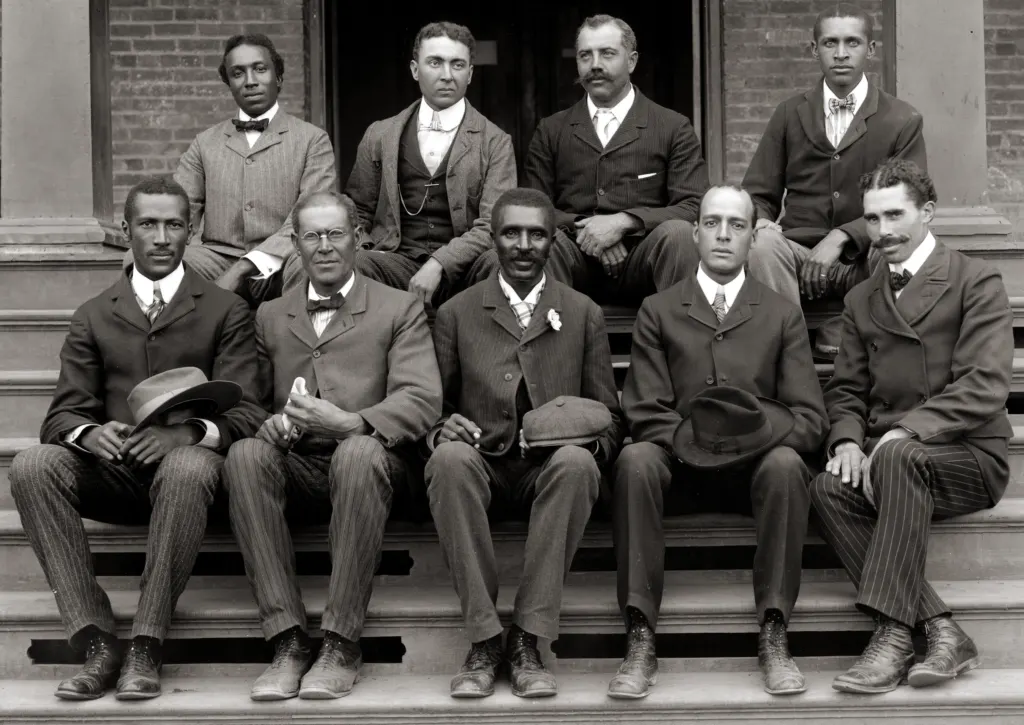
A Montreal pharmacist patented peanut paste in 1884 and John Harvey Kellogg patented “nut-butter” in 1897. Carver’s 1916 bulletin came decades later.
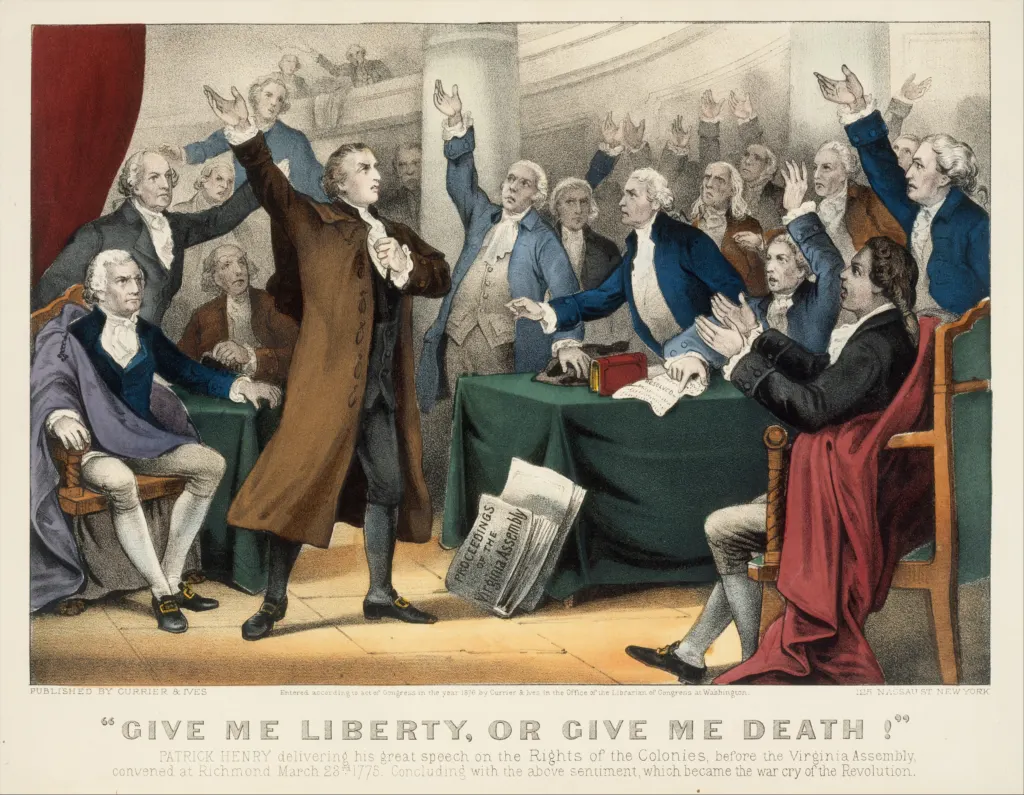
No one wrote down Henry’s words in March 1775. His biographer William Wirt, who never heard him speak, built the famous text from one old judge’s memory.
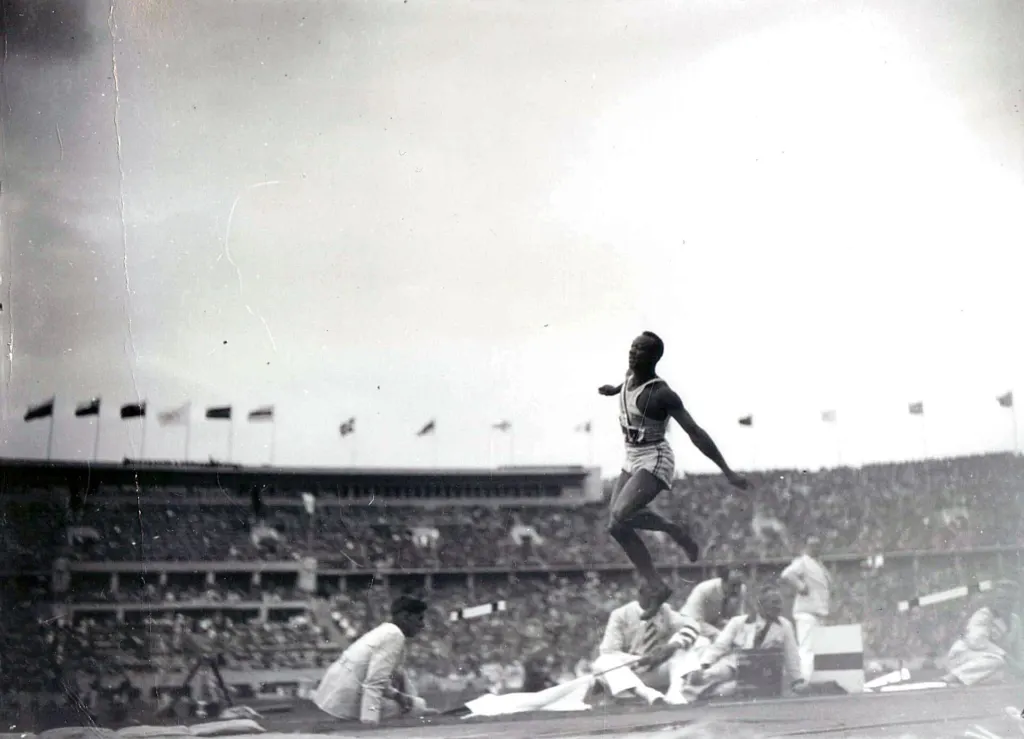
Hitler stopped congratulating medalists after the first day of the 1936 Games, and in October Owens told a Kansas City rally the president never sent a telegram.
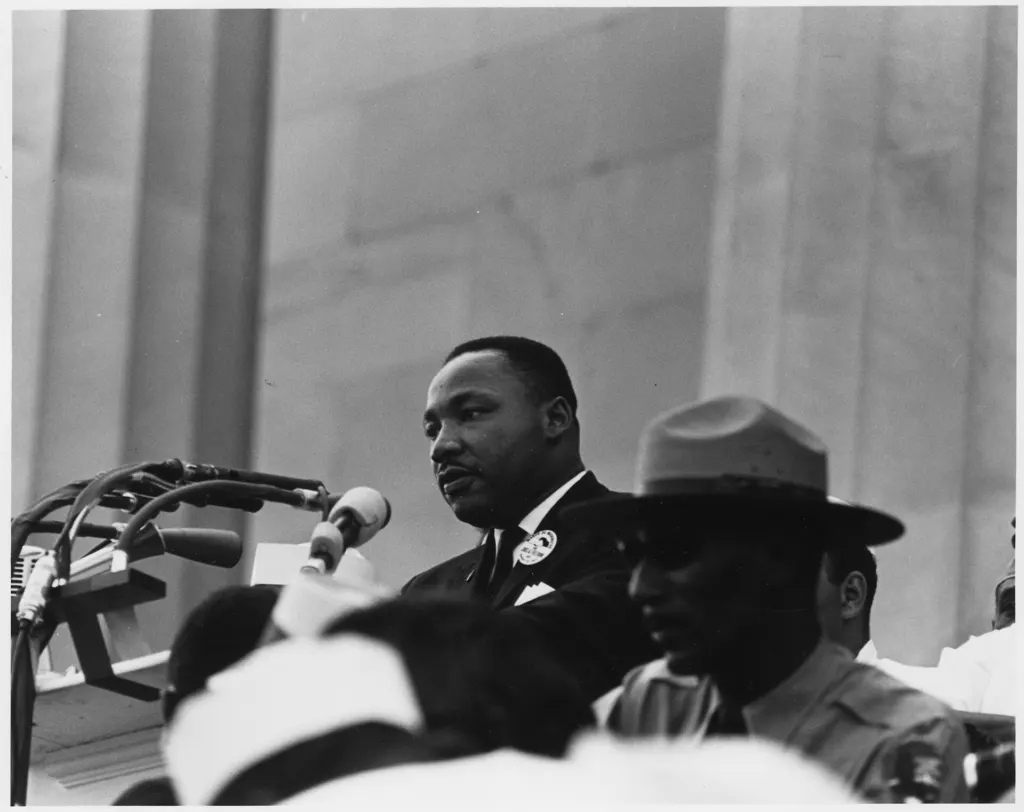
The refrain was not in the text King prepared for August 28, 1963, but he had used it in Rocky Mount in 1962 and in Detroit two months before the march.
Akbar's chronicle calls her only Raja Bihari Mal's eldest daughter. Her son knew her as Mariam-uz-Zamani; 'Jodh Bai' was Jahangir's Jodhpur wife.
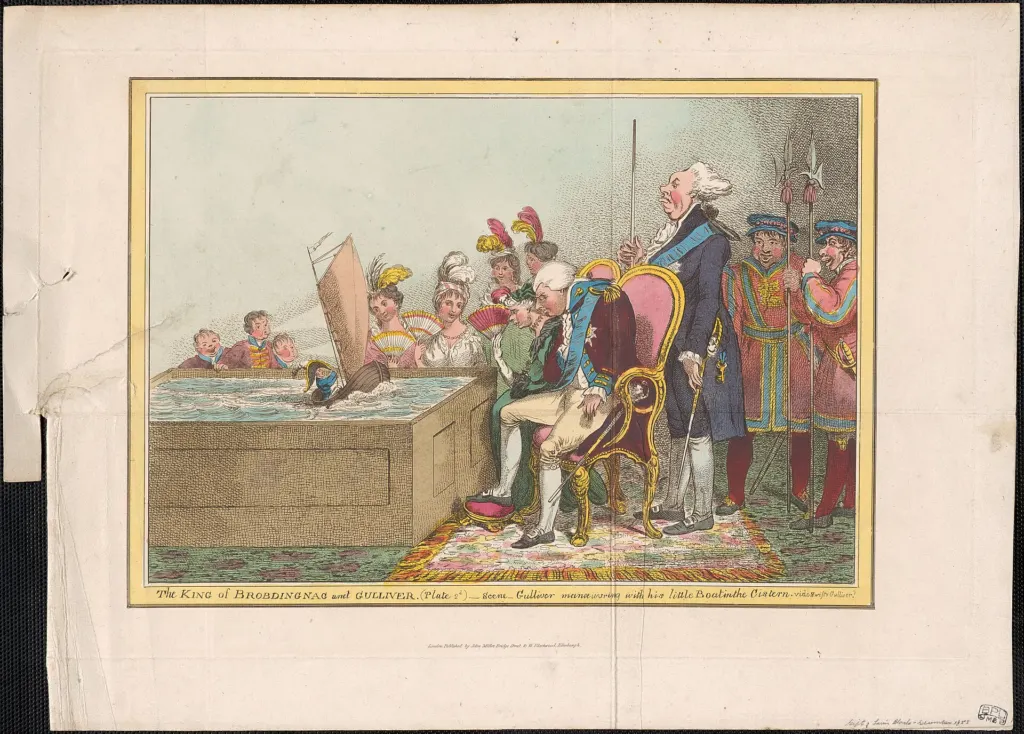
His doctor recorded five pieds, two pouces and four lignes. French units were longer than English ones, and a British cartoonist did the rest from 1803.
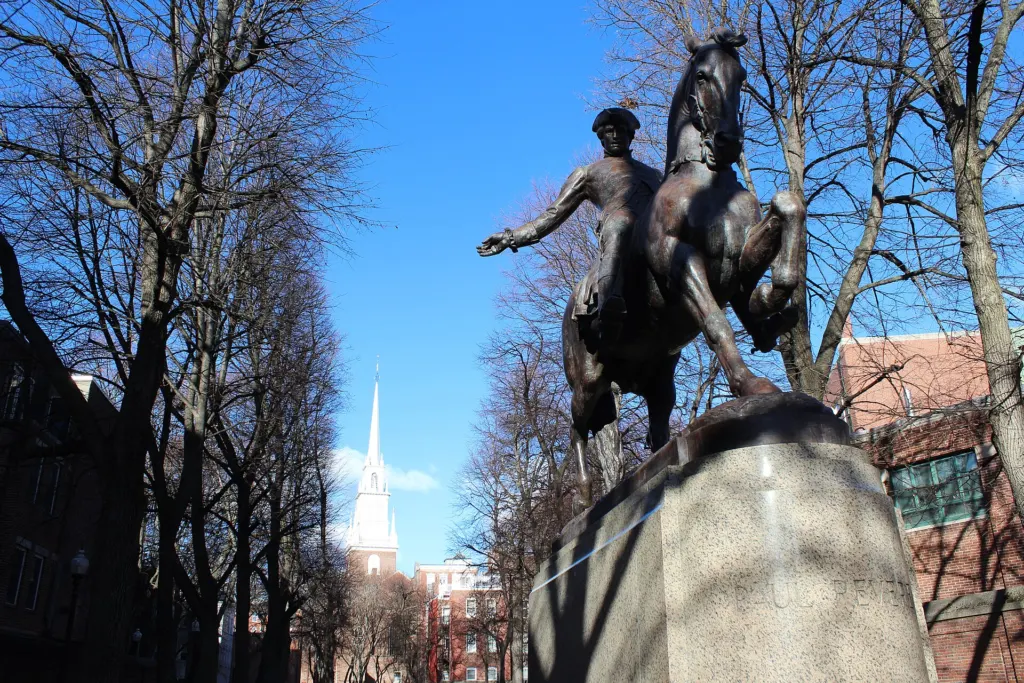
Revere's sworn 1775 deposition and his 1798 letter to Jeremy Belknap both say he 'alarmed' the countryside, and Longfellow's 1860 poem never quotes the famous shout either.
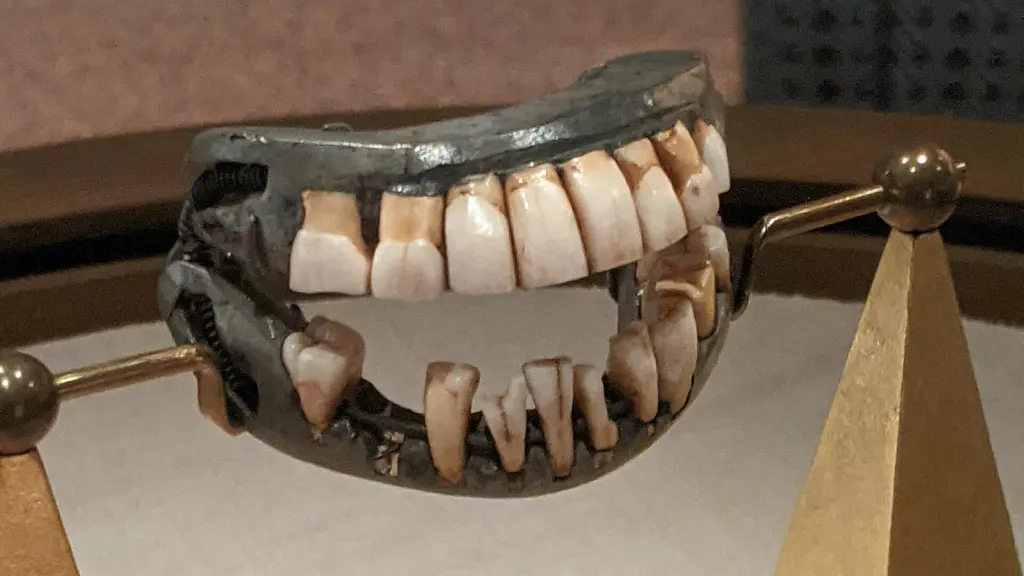
Mount Vernon's account books show £6 2s paid in May 1784 for nine teeth from unnamed enslaved people, entered 'on account' of a French dentist; the surviving dentures hold ivory, metal and human teeth.
Her 1992 autobiography says "the only tired I was, was tired of giving in." The arrest file at the National Archives and her papers at the Library of Congress show 12 years of activism first.
Suetonius reports Caesar died silent or said, in Greek, "You too, my child?" Plutarch has him pull his toga over his head when he saw Brutus.
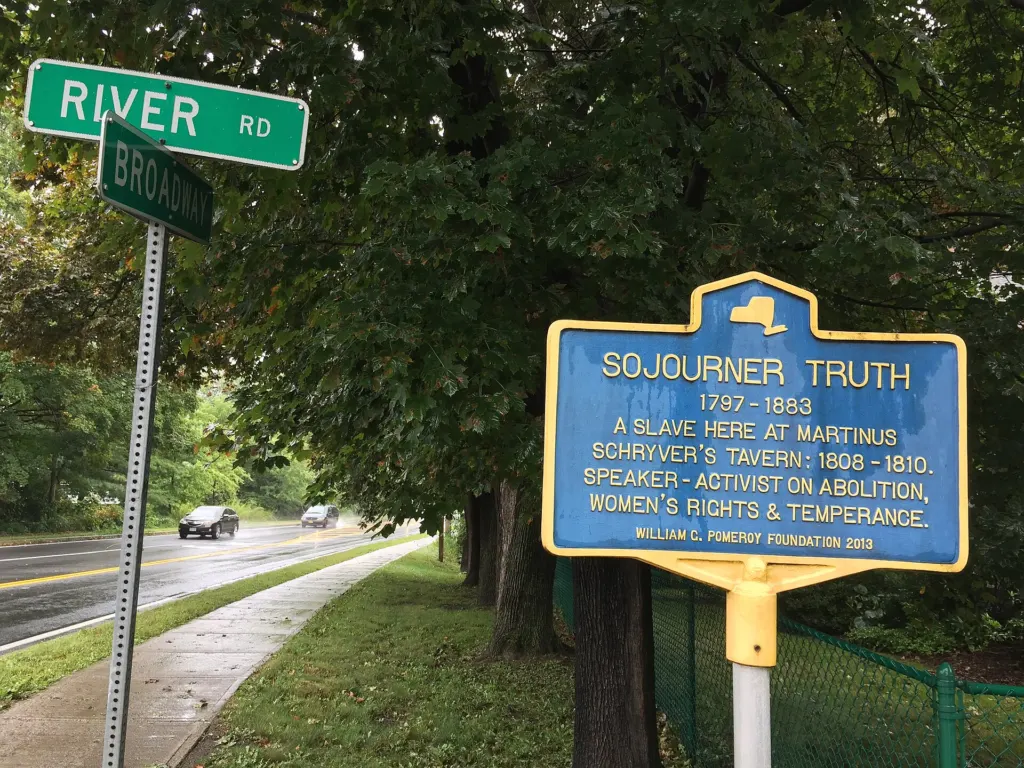
Marius Robinson's June 21, 1851, transcript has no such refrain. Frances Gage added it four times in 1863, along with a Southern dialect Truth, a Dutch-speaking New Yorker, never used.
Margaret Rudkin was selling 4,000 loaves a week within a year of her 1937 start; the 1961 stock deal with Campbell Soup is worth roughly $316 million in September 2026 dollars.
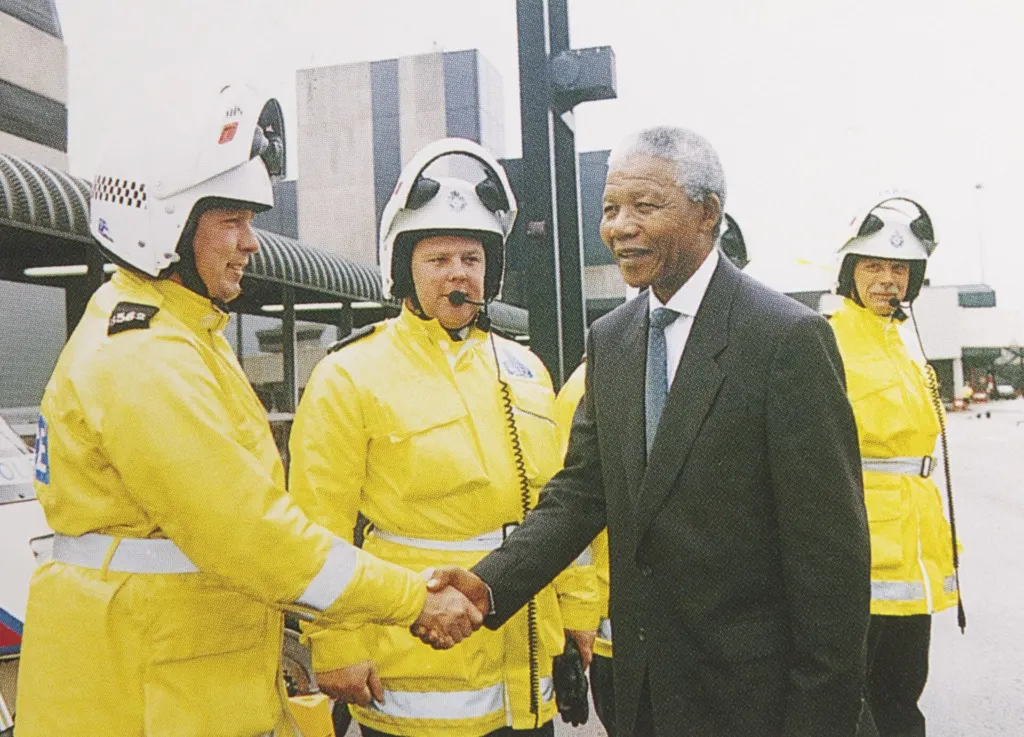
The 874-word Pretoria speech of May 10, 1994, never uses the passage, which first appeared on page 165 of A Return to Love in 1992. Mandela's one line about fear promised the opposite of the myth.
The film re-recording hit No. 1 on the chart dated October 16, 1982, eight years after the 1974 original, making Parton the first artist to top it with two versions of one song.
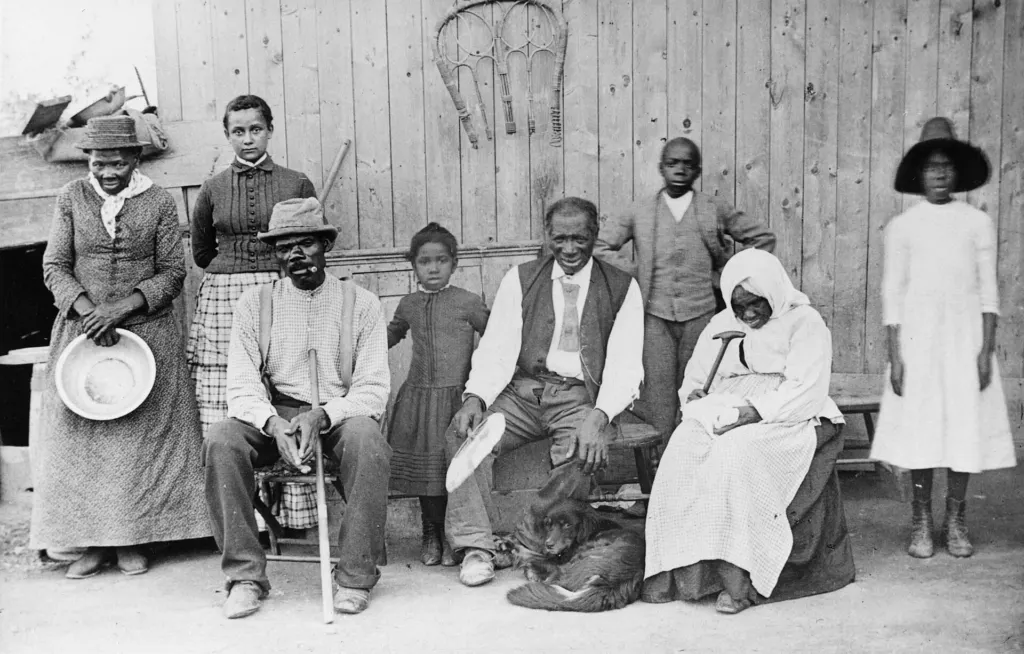
Sarah Bradford's 1869 and 1886 books record Tubman's real creed of death or liberty; the famous line surfaced in a 1993 anthology dated 'c. 1865' with no citation.
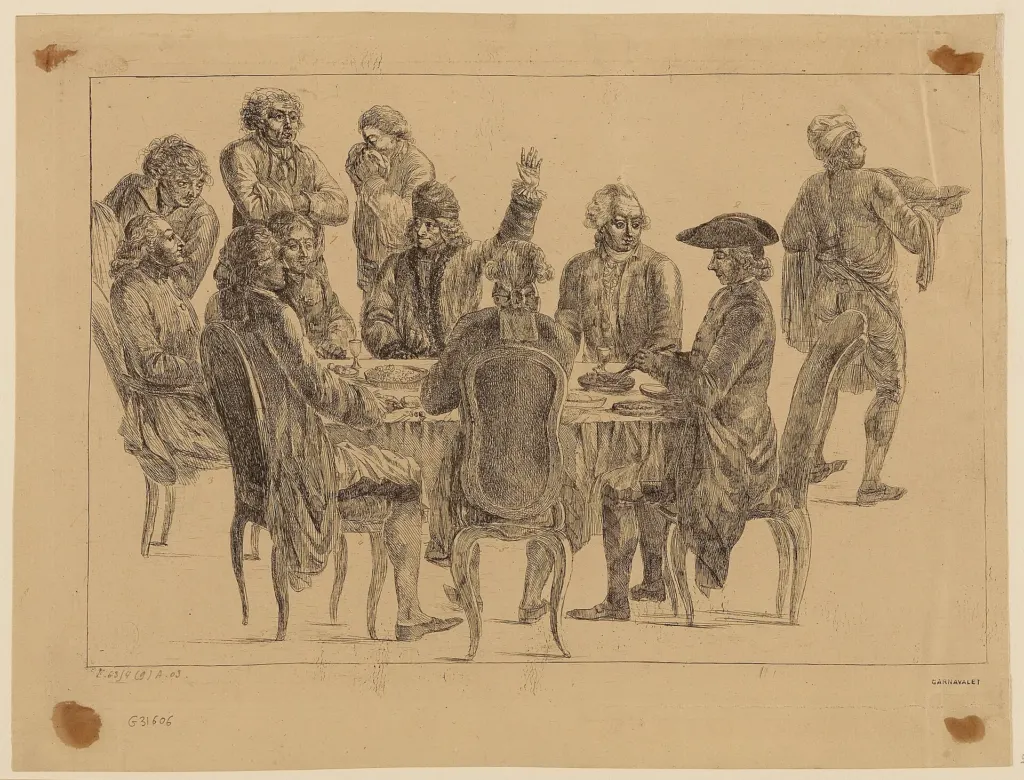
The sentence first appears on page 199 of The Friends of Voltaire by Evelyn Beatrice Hall, who wrote in 1939 that it was her own phrase and should never have been in quotation marks.
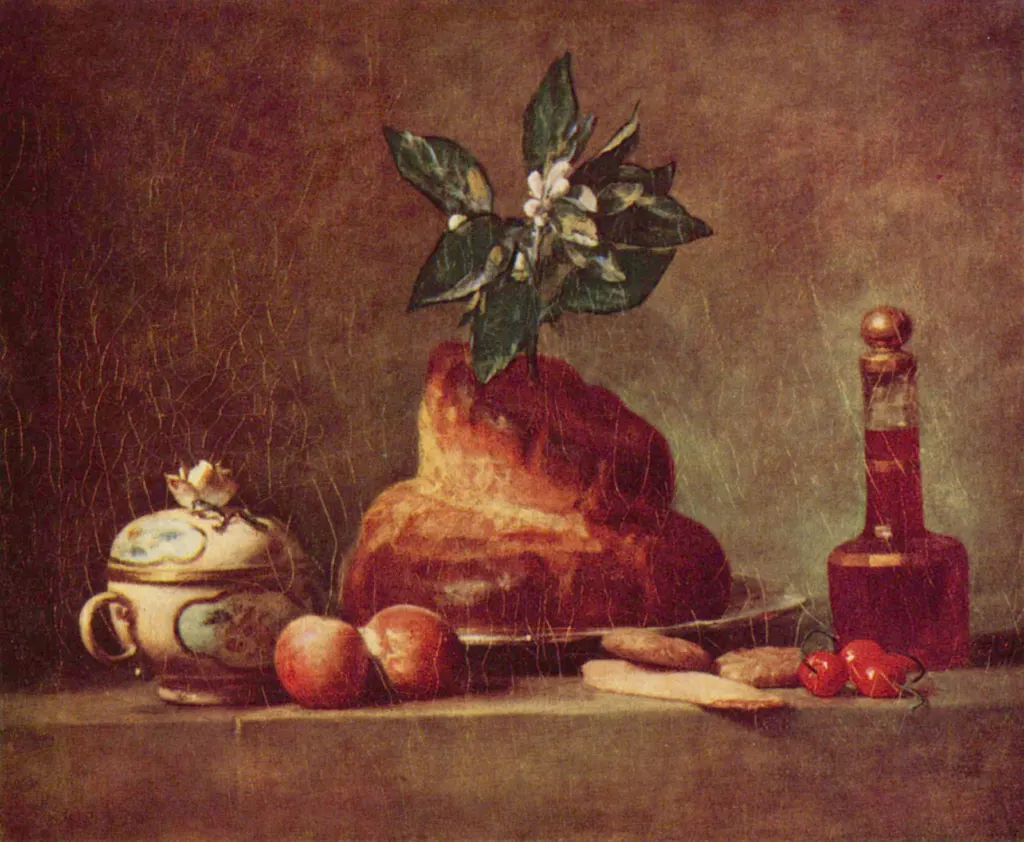
Rousseau put the words in the mouth of an unnamed 'great princess' in Book 6, written in the mid-1760s while the future queen was a child in Vienna; the line was pinned on her in 1843.
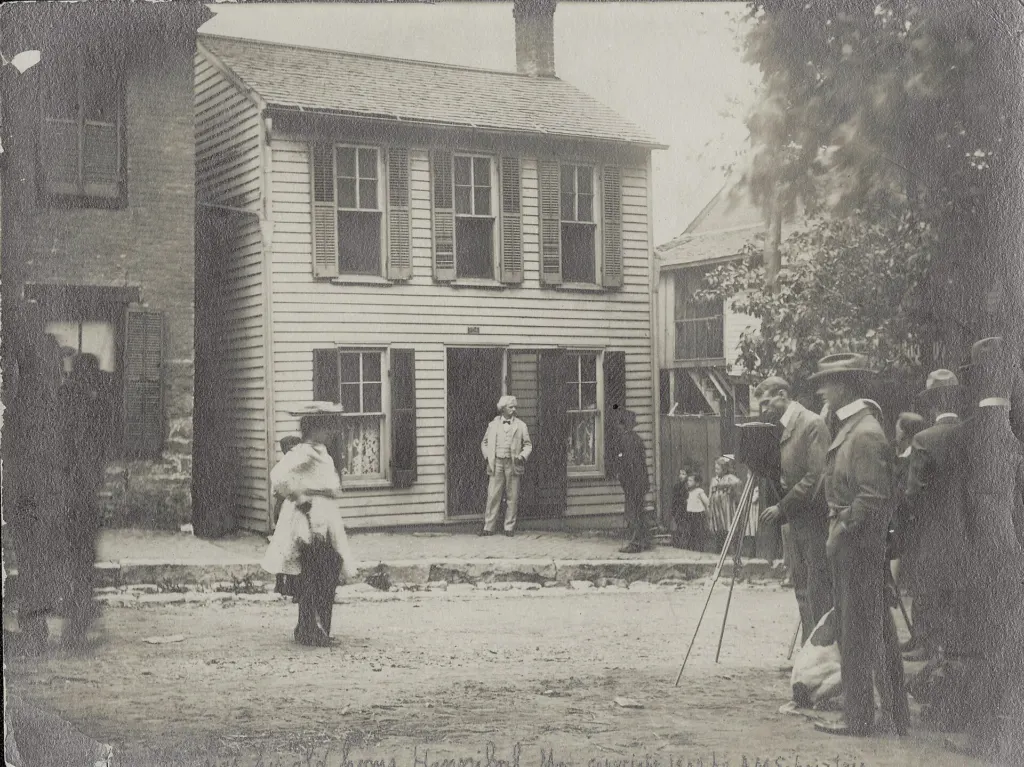
The June 2, 1897 interview reads “The report of my death was an exaggeration”; within five months papers had made it plural and added “greatly.”
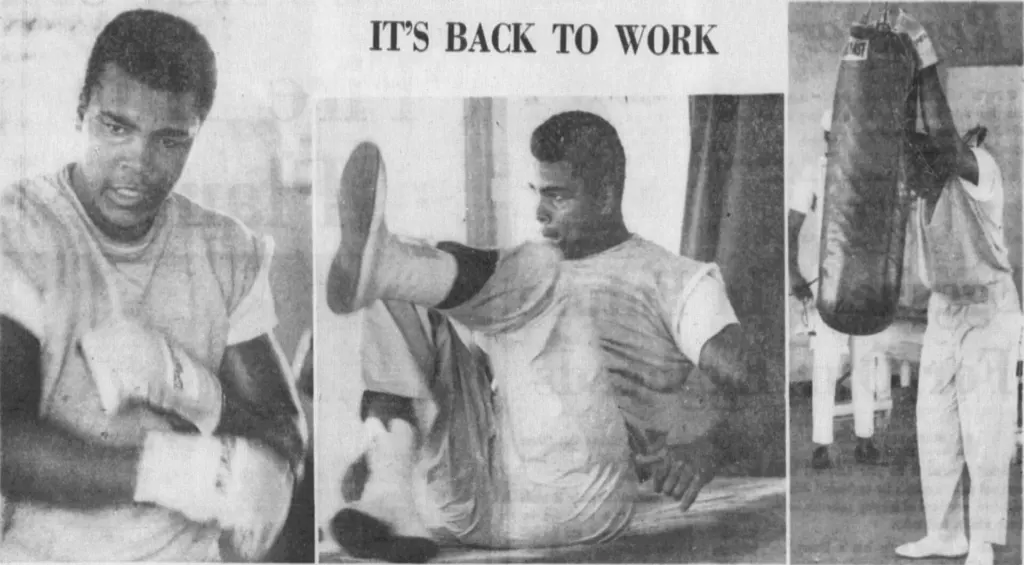
Cornerman Drew “Bundini” Brown supplied the couplet, which ended “rumble, young man, rumble” at the February 25, 1964 weigh-in; the “eyes can’t see” tail came later.
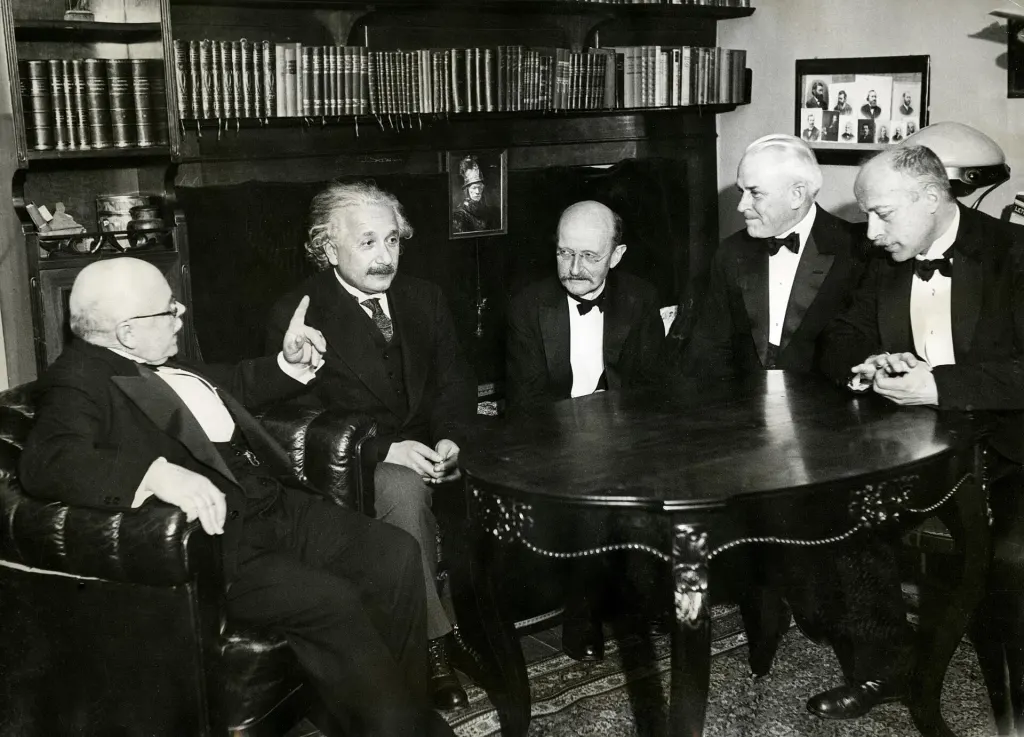
A Knoxville, Tennessee, report on an Al-Anon meeting in October 1981 holds the earliest known wording; the head of Caltech's Einstein Papers Project calls the line "Not his."
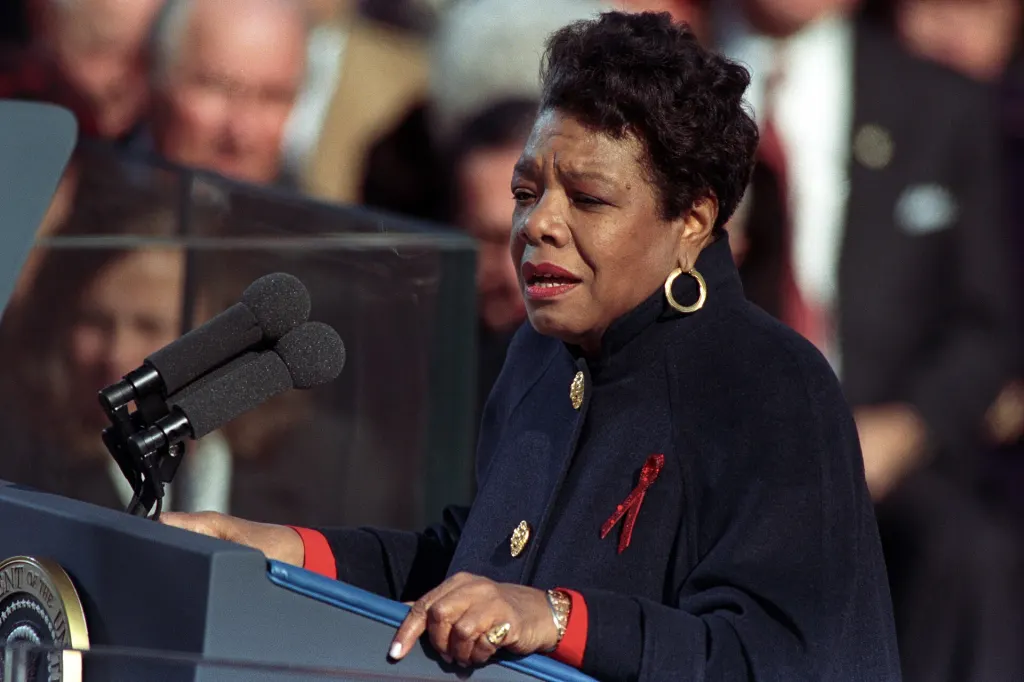
A 1971 Salt Lake City quote book credits Carl W. Buehner, a church official who ran for Utah governor; Angelou's name was attached only in 2003, via a chain list.
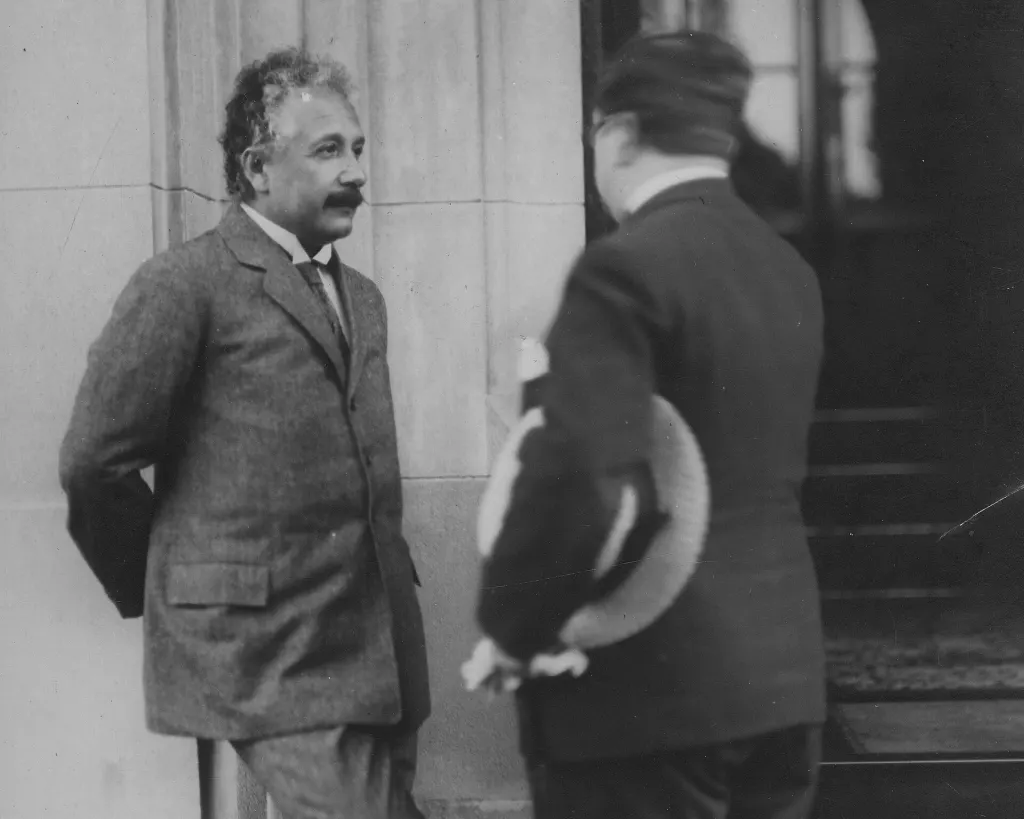
Leo J. Scanlon's journal records every sheet of the 1930 Valley View dome. A 1934 archive photo confirms he met Einstein, but at a club exhibit, not at the observatory.
We use Google Analytics cookies to count readers and see which stories are useful. No advertising cookies. Privacy policy