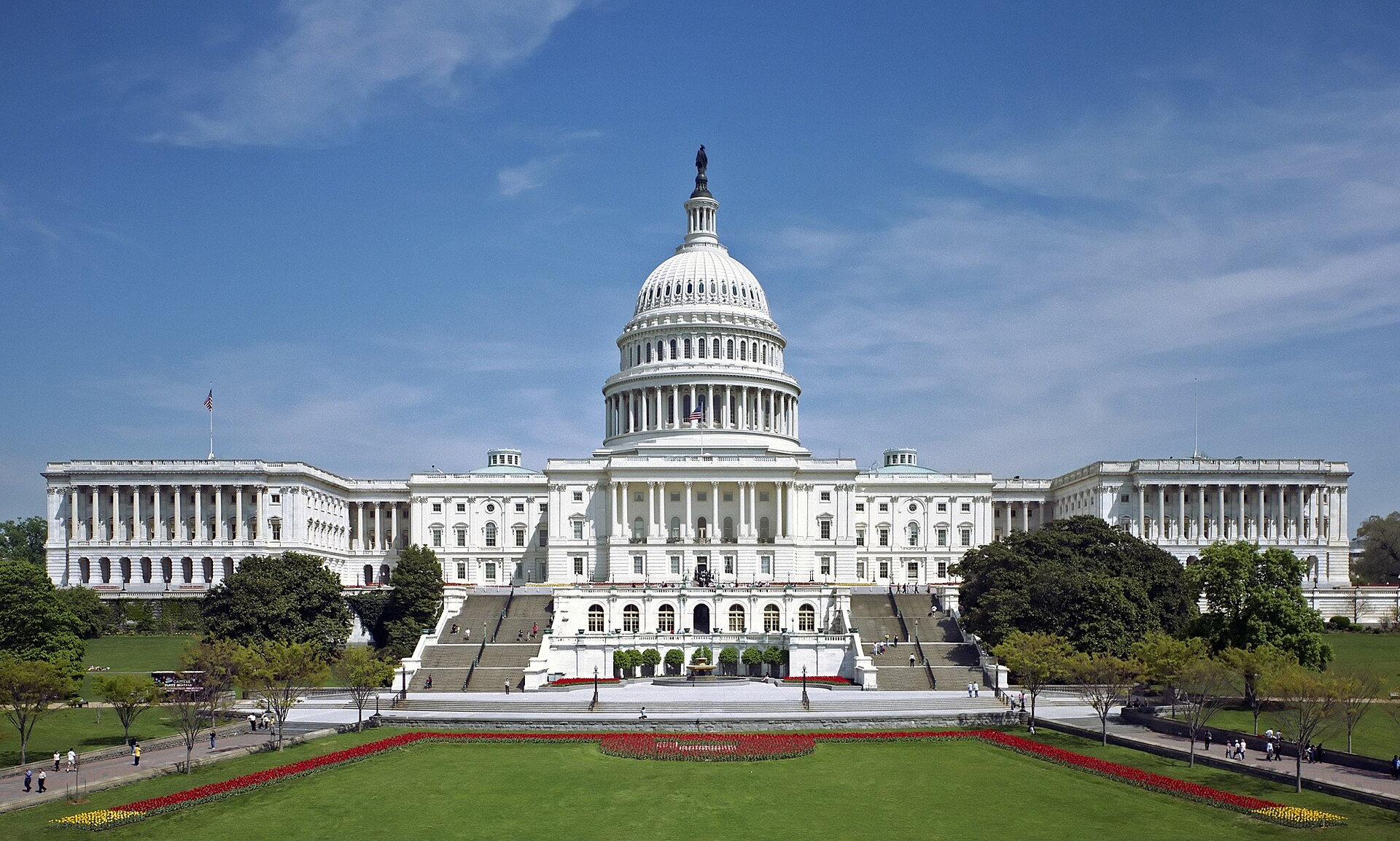
Rebecca Latimer Felton of Georgia took the oath as a United States senator on November 21, 1922, and gave up the seat the next day. She was 87, the first woman ever to sit in the Senate, and her whole sworn-in career lasted 24 hours, as the Senate's own featured biography of Felton records.
The seat was never meant to be hers for long. It was a political move by a governor who needed women's votes, and it almost never happened at all.
A governor's gamble
Senator Thomas E. Watson died on September 26, 1922. Georgia Governor Thomas Hardwick wanted Watson's seat for himself in the coming special election, and he had a problem: he had opposed the Nineteenth Amendment, and Georgia's new women voters remembered. Appointing a woman as a placeholder looked like a cheap fix.
He offered the seat to Watson's widow first. When she said no, he picked Felton on October 3. The catch, according to the House historian's extended biography of Felton, was that Congress was not due back before the election, so she was never expected to be sworn in. President Warren G. Harding turned down suffragists who asked him to recall Congress, saying it would cost too much to bring lawmakers back to seat one senator.
Then the plan backfired on Hardwick. Walter F. George beat him in the October 17 primary, 55% to 33%. In early November, Harding called a special session after all, starting November 20, to push a ship subsidy bill.
Twenty-four hours in the chamber
Felton talked the senator-elect into letting her present her credentials first. George warned her that any single senator could object. She took the risk. Montana's Thomas Walsh held up the ceremony with a careful speech on the precedents, arguing that she should be seated because she was entitled to the oath, not as a courtesy.
On November 22, with women packing the gallery, Felton made her one Senate speech. "When the women of the country come in and sit with you, though there may be but a very few in the next few years, I pledge you that you will get ability, you will get integrity of purpose, you will get exalted patriotism, and you will get unstinted usefulness," she said. Then she handed the seat to George.
It made her the oldest senator ever sworn in for a first term, and the senator with the shortest service while the chamber was in open session.
The record she also left
Felton's history does not stop at the milestone, and the official records do not hide the rest. She campaigned for women's suffrage, temperance and education for girls, and fought Georgia's convict leasing system. She was also, in the Senate biography's words, "an outspoken white supremacist and advocate of segregation." The House history describes her views on African Americans as "especially vicious": in an 1897 address she publicly urged lynching, a speech that drew national attention.
Wikipedia's biography of Felton adds that she owned enslaved people before the Civil War, making her the last senator to have been a slave owner. She died in Atlanta on January 24, 1930.
The firsts that came after her tell a different story. Badiyaa has covered Hiram Revels and Blanche Bruce, the first two Black US senators, who served from Mississippi half a century before Felton, and Susan B. Anthony's 1872 arrest for voting in Rochester.
Felton's prediction took time. Georgia did not send another woman to the Senate until Kelly Loeffler's appointment in 2020, 98 years after Felton's single day.
Sources
- Rebecca Latimer Felton: A Featured Biography, United States Senate, 2026
- FELTON, Rebecca Latimer, History, Art and Archives, U.S. House of Representatives, 2026
- Rebecca Latimer Felton, Wikipedia, 2026
Image: Architect of the Capitol, Public domain via Wikimedia Commons
This article was produced with AI assistance and reviewed by our Editorial Desk. How we work.