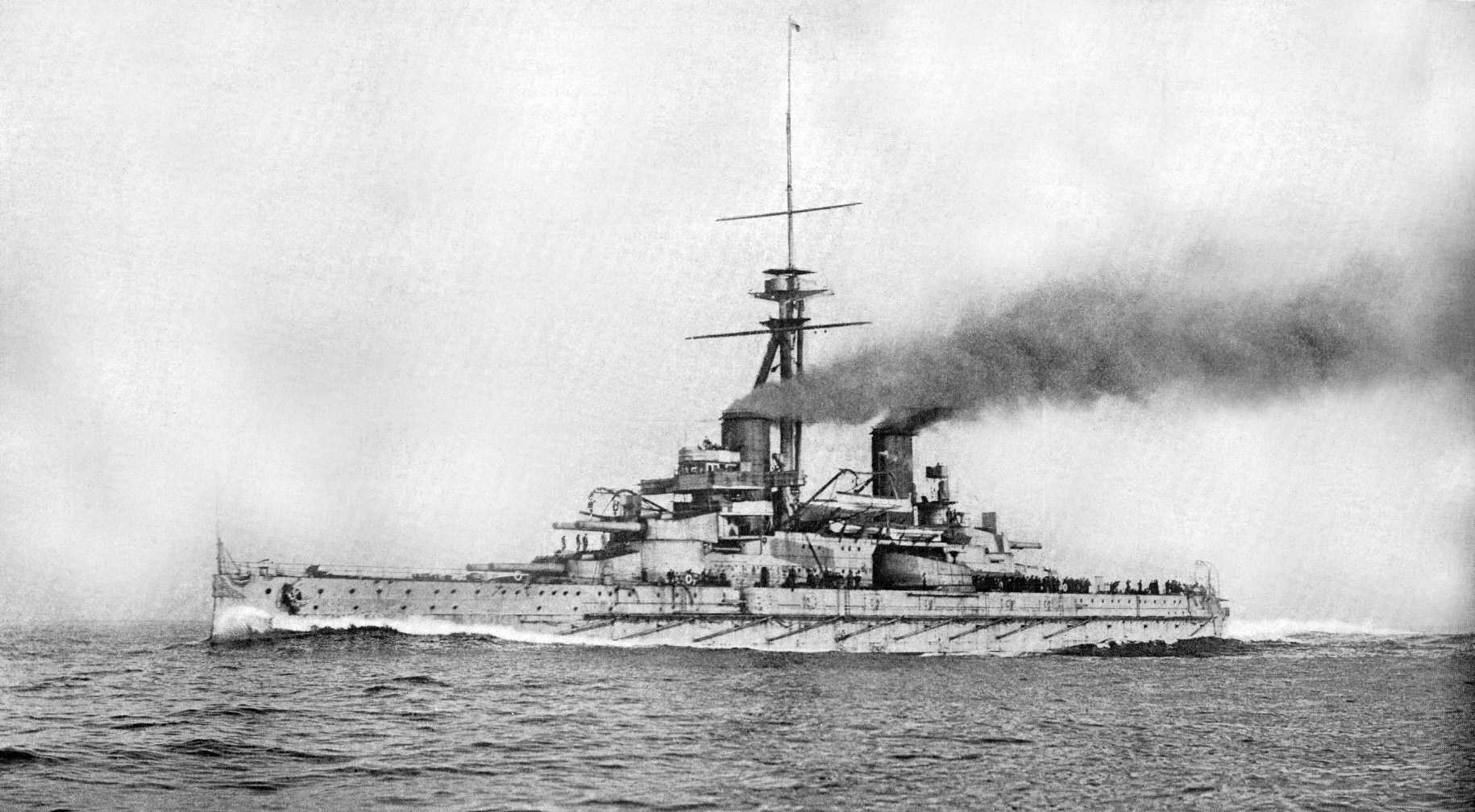
On the night of November 22, 1910, Black and mixed-race sailors seized the most powerful warships in Brazil's navy in Rio de Janeiro's harbor and demanded an end to flogging. Their leader was João Cândido Felisberto, a 30-year-old sailor born to formerly enslaved parents, whom the press soon called the "Black Admiral."
The uprising, known in Portuguese as the Revolta da Chibata, or Revolt of the Lash, began at about 10 p.m. aboard the brand-new dreadnought Minas Geraes. According to Wikipedia's history of the revolt, somewhere between 1,500 and 2,000 of the roughly 4,000 sailors stationed in Rio took part. By midnight they held both dreadnoughts, the new cruiser Bahia and the coastal defense ship Deodoro.
Why the sailors rose
Brazil had abolished slavery in 1888, and corporal punishment was banned for civilians and the army. The navy kept using the whip. Its officers were almost all white, while its crews were mostly Black or mixed-race men, many forced into service on long contracts. The immediate trigger was a sentence of 250 lashes given to sailor Marcelino Rodrigues Menezes.
Cândido had joined the navy as a teenager. His Wikipedia biography records that he was born in 1880 in Rio Grande do Sul and spent months in Newcastle, England, in 1909 and 1910 while Minas Geraes was being built. There, crews saw British sailors who were paid on time and never flogged. Historian Zachary Morgan wrote that those British sailors "were no longer impressed, no longer lashed, [and] were accepted as citizens."
Four days in Guanabara Bay
Before midnight, the rebels telegraphed the president: "We do not want the return of the chibata [lash]." A letter followed calling the navy's treatment of its crews a form of "slavery." The ships fired warning shots over the city and around military targets while Congress debated what to do.
Observers were struck by how well the crews handled the ships without their officers. Cândido had all liquor thrown overboard, and discipline on board was described as exemplary, notes Wikipedia's article on the battleship Minas Geraes. Senator Rui Barbosa argued for amnesty, and the Chamber of Deputies passed an amnesty bill that ended flogging by a vote of 125 to 23. The mutineers stood down on November 26.
What came after
The victory did not last. Within weeks, many sailors were discharged, and after a separate unrest in December, hundreds of the amnestied men were arrested. Cândido was imprisoned, later sent to a psychiatric hospital and, after 18 months, tried and found not guilty. He lived in poverty until his death in 1969, at 89.
His standing grew over the following century. A 2011 study in the Revista Brasileira de História, Silvia Capanema P. de Almeida's paper on João Cândido's memory, traces how the sailor became a national hero by the revolt's centenary. A statue of him now stands in Rio de Janeiro.
Badiyaa has told other stories of people who endured at sea and in the air, including Poon Lim's 133 days on a raft in the Atlantic and Bessie Coleman's path to a pilot's license.
By Badiyaa's count, the revolt lasted four days, and it came 22 years after Brazil's abolition of slavery, the gap the sailors themselves pointed to when they called the lash a holdover from that era.
Sources
- Revolt of the Lash, Wikipedia, 2026
- João Cândido, Wikipedia, 2026
- Brazilian battleship Minas Geraes, Wikipedia, 2026
- “Do marinheiro João Cândido ao Almirante Negro” (Silvia Capanema P. de Almeida), Revista Brasileira de História (SciELO), 2011
Image: Brazilian Navy, Public domain via Wikimedia Commons
This article was produced with AI assistance and reviewed by our Editorial Desk. How we work.