Madam C.J. Walker launched her hair-care line with $1.25. Within about a dozen years the former laundress from Louisiana was running a factory in Indianapolis, training thousands of Black women as sales agents and pledging the largest single gift the NAACP had ever received from one person.
Her start was about as hard as an American life could be. Born Sarah Breedlove on December 23, 1867, near Delta, Louisiana, she was the first child in her family born free, after her parents and older siblings had been enslaved on a Madison Parish plantation. She was an orphan by seven, married at 14 and a widow with a two-year-old daughter by 20, according to Walker's Wikipedia biography.
From washtub to factory owner
In St. Louis she earned barely a dollar a day doing laundry. Hair loss pushed her toward the business that made her name. Around 1904 she began selling for Annie Turnbo Malone, another Black hair-care entrepreneur, and soon set out on her own in Denver.
The National Women's History Museum biography by historian Debra Michals records that she started her own product line, Madam Walker's Wonderful Hair Grower, with $1.25. After marrying newspaper ad salesman Charles Joseph Walker in 1906, she rebranded as "Madam C.J. Walker" and sold door to door, showing customers how to use the products.
Growth came fast. She opened a beauty school in Pittsburgh in 1908, moved her headquarters to Indianapolis in 1910 and built a factory, salon, training school and laboratory there. By 1917 the company said it had trained nearly 20,000 women in the "Walker System."
The speech she gave from the convention floor
In 1912 she rose from the convention floor at the National Negro Business League's annual meeting and told the room: "I am a woman who came from the cotton fields of the South. From there, I was promoted to the washtub. From there, I was promoted to the cook kitchen. And from there, I promoted myself into the business of manufacturing hair goods and preparations. I have built my own factory on my own ground." A year later the league made her a keynote speaker.
She also organized her agents. Their first national convention met in Philadelphia in the summer of 1917 with 200 attendees, one of the earliest national gatherings of women in business. A metal-and-ribbon badge from that 1917 agents' convention, held by the Smithsonian's National Museum of African American History and Culture, survives as a record of it.
Walker's life in numbers
- $1.25: her starting capital, per the National Women's History Museum.
- About 20,000: women the company said it had trained by 1917.
- $250,000: the cost of Villa Lewaro, her mansion in Irvington, New York, designed by Vertner Tandy.
- $5,000: her pledge to the NAACP's anti-lynching fund, about $88,000 in 2023 dollars.
- Two-thirds: the share of her estate's future net profits her will directed to charity.
That run from $1.25 to a $250,000 house took her roughly 12 years, a 200,000-fold jump in the money she was handling.
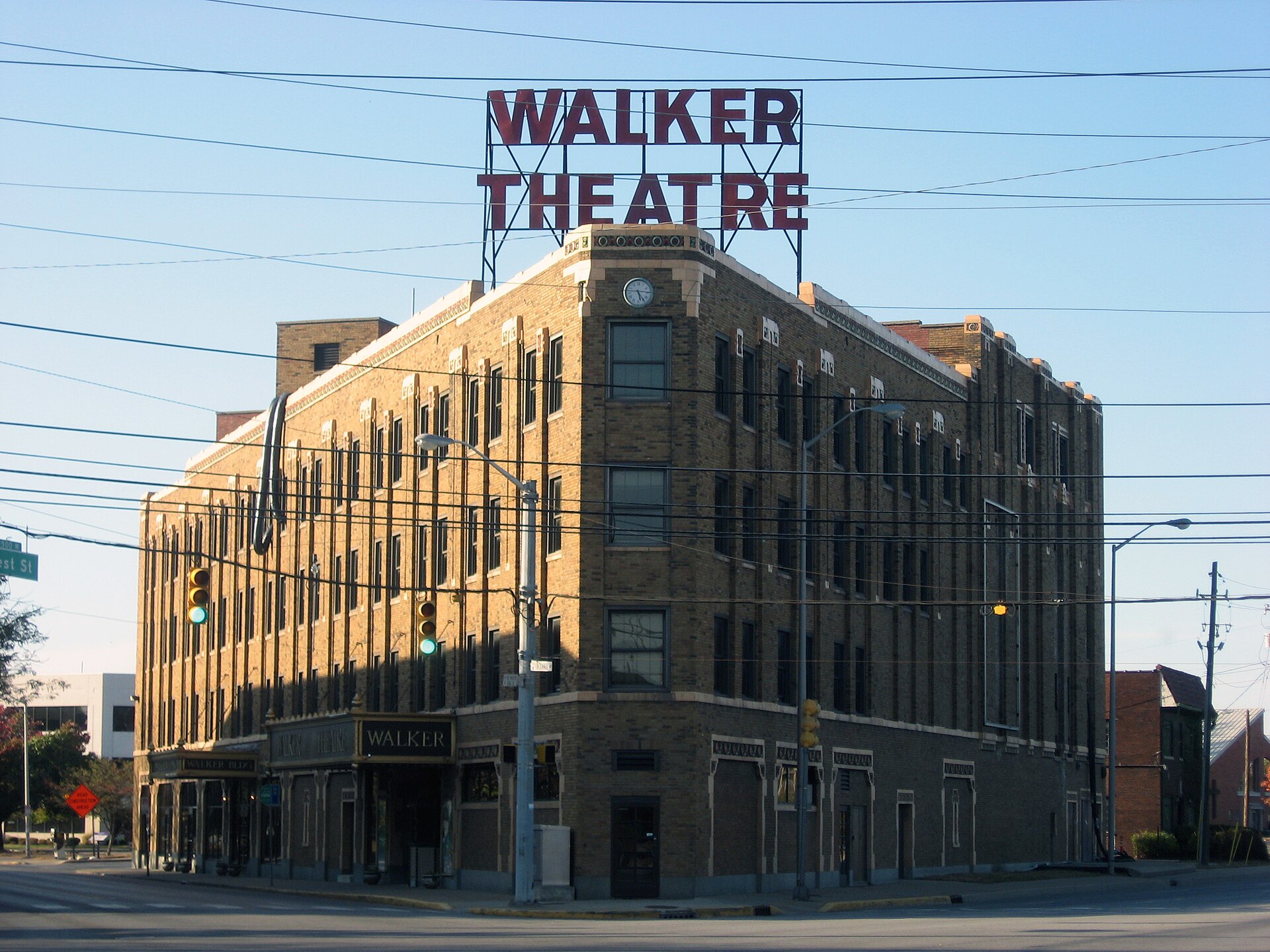
Walker died in Irvington in May 1919, aged 51. Her company's Indianapolis headquarters, the Walker Building on Indiana Avenue, opened on December 26, 1927, with a theater, ballroom, beauty school and drugstore under one roof. The Madam Walker Legacy Center's Wikipedia entry notes it became a National Historic Landmark on July 17, 1991, and that its restored theater seats 935.
Walker belongs to a run of Black pioneers Badiyaa has profiled, including Bessie Coleman, the first Black woman to earn a pilot's license, and Mary Seacole, who built her own hotel behind the Crimean War front.
The next date on her calendar is December 23, one month from today: the 159th anniversary of her birth.
Sources
- Madam C. J. Walker, Wikipedia, 2026
- Madam C.J. Walker, by Debra Michals, National Women's History Museum, 2015
- Badge from the National Convention of Madam C. J. Walker's Agents, Smithsonian National Museum of African American History and Culture, via Wikimedia Commons, 1917
- Madam Walker Legacy Center, Wikipedia, 2026
Image: Nyttend, Public domain via Wikimedia Commons
This article was produced with AI assistance and reviewed by our Editorial Desk. How we work.