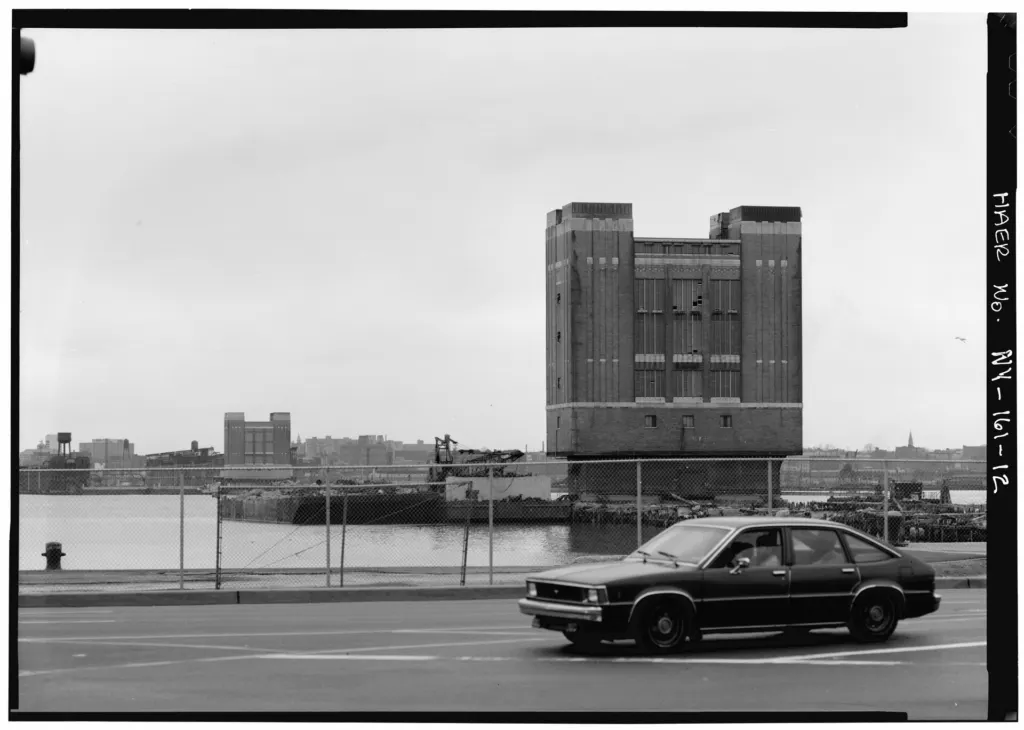
To make an orchestra sound as if it were moving around a movie theater, Walt Disney’s engineers built ten different sound systems, ordered eight test oscillators from a young company called Hewlett-Packard, and hauled racks of RCA equipment into New York’s Broadway Theatre. The payoff came on November 13, 1940, when Fantasia premiered there as the first commercial film released in stereo.
The system was called Fantasound. It played in just 13 cities, never made money on its first run, and was mostly broken up for the war effort. It still changed how films sound, 86 years ago today.
How Fantasound moved the music
Chief audio engineer William E. Garity’s team had two problems. First, simply turning one speaker down and another up did not convince the ear that sound was traveling. They invented the “pan pot,” short for panoramic potentiometer, which slid a sound smoothly between left, center and right speakers. Every modern mixing desk still has one.
Second, film soundtracks had a narrow gap between loud and quiet, about 40 decibels, so a full orchestra drowned in hiss. Their fix, the “Togad,” used a control tone printed on the film to raise the volume automatically in big passages and drop it in soft ones.
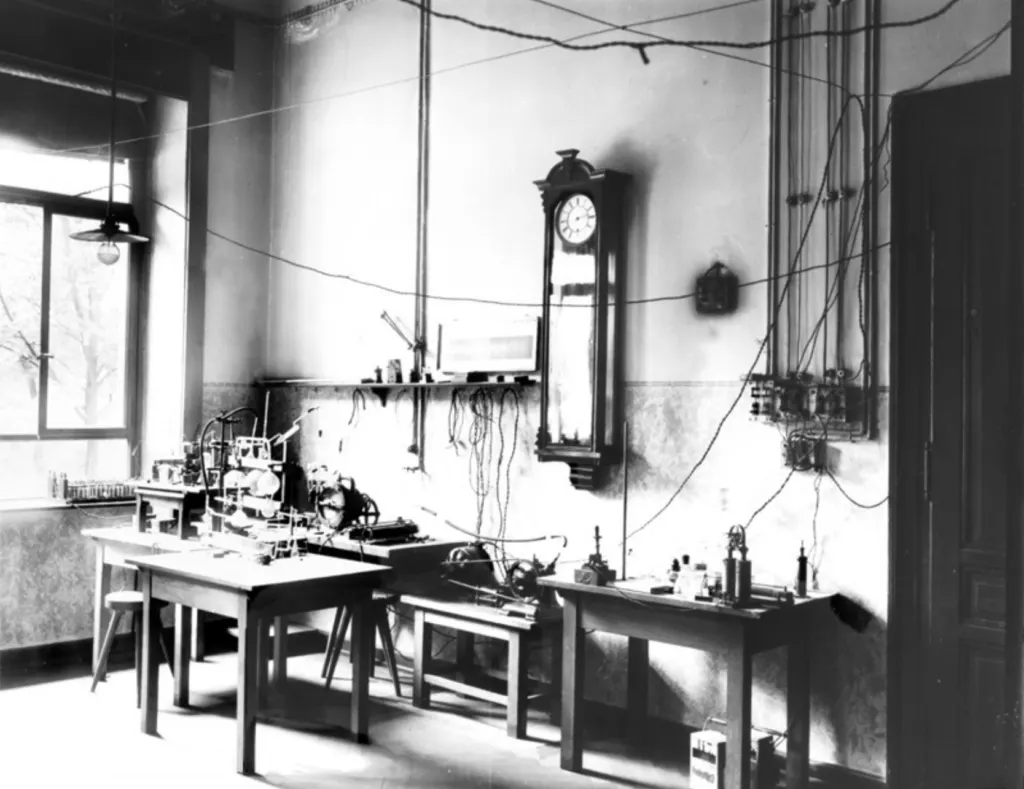
The rigs grew wild. One test version needed nearly 400 vacuum tubes and a floor space about 35 feet long. Another ran for a single day before the crew admitted nobody could remember how to set it up between rehearsals.
Why it vanished
Each installation took days and kept a theater dark, so Disney ended up in converted stage theaters rather than movie palaces. Garity and RCA’s Watson Jones ended the roadshows in 1941, citing equipment bulk, wartime limits and cramped projection rooms. In April 1941 the distributor swapped in a mono track, and the film went wide in 1942 cut to 80 minutes.
Why Disney wanted more than one speaker
Cinemas in 1940 played sound from a single source behind the screen. Disney thought it wrecked symphonic music. “We know…that music emerging from one speaker behind the screen sounds thin, tinkly and strained,” he said, adding that he wanted audiences to feel “as though they were standing at the podium with Stokowski.”
That was Leopold Stokowski, the conductor Disney met in late 1937 at a Hollywood restaurant. Stokowski had already experimented with stereophonic recording in 1931 and 1932, and agreed to conduct The Sorcerer’s Apprentice for free. That Mickey Mouse short grew so expensive, over $125,000, that Disney turned it into a full feature.
Recording in Philadelphia
From April 1939, Stokowski’s Philadelphia Orchestra recorded at the city’s Academy of Music for seven weeks. Engineers set out 33 microphones and fed them to eight optical recorders in the basement:
- Six channels caught close-ups of single sections: cellos and basses, violins, violas, brass, woodwinds and timpani.
- A seventh mixed those six together, and an eighth captured the whole orchestra from a distance.
- A ninth carried a click track so animators could time drawings to the beat.
Over the 42 days of sessions they filled more than ninety miles of soundtrack. That works out to better than two miles of film for every day in the hall. Because the building was made of wood, no more than 18 rolls of flammable nitrate film were allowed inside at once, with a delivery truck parked outside as overflow storage.
In February 1942, Disney, Garity, his 1941 co-author Hawkins and RCA received an honorary Oscar for advancing film sound through Fantasia. Stereo did not return to the film until 1956.
Disney first chased better sound years earlier: read how Walt Disney sold his car to pay for Steamboat Willie’s soundtrack, and how Beauty and the Beast became the first animated Best Picture nominee.
The legacy is in the credits of a 2016 film: Jon Favreau’s The Jungle Book built a “Fantasound mix” in Dolby Atmos and named the Fantasound system in its closing credits.
Further reading
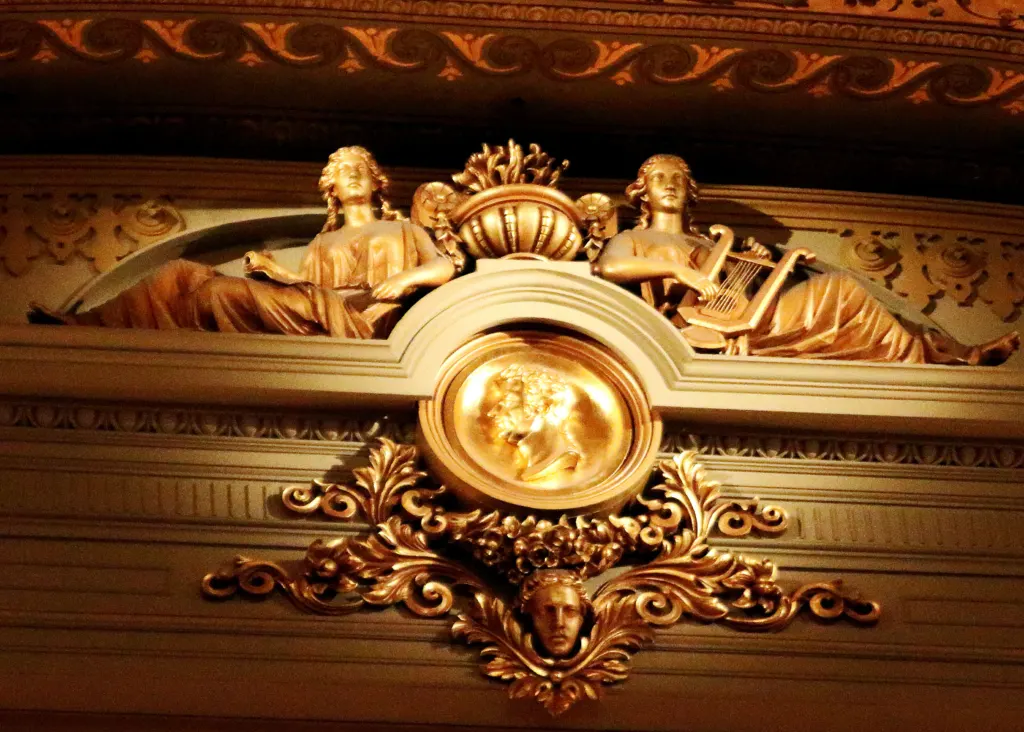
Image: Mwinog2777, CC BY-SA 4.0 via Wikimedia Commons
This article was produced with AI assistance and reviewed by our Editorial Desk. How we work.