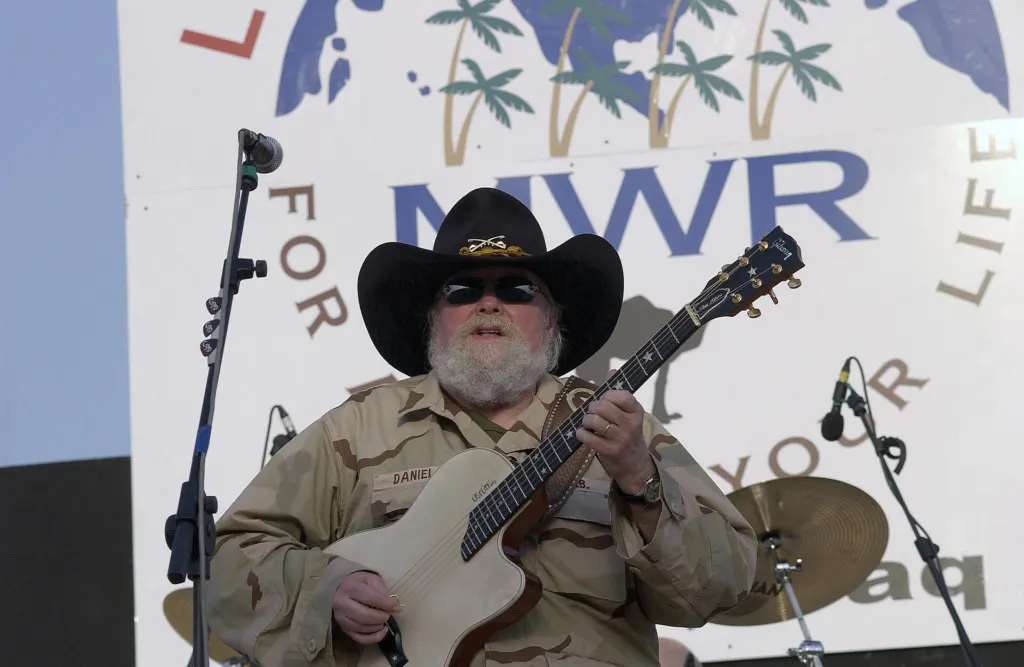
Charlie Daniels came into the world on October 28, 1936, in Wilmington, North Carolina, which puts his 90th birthday on Wednesday this week. Three decades later, the fiddle player best known for “The Devil Went Down to Georgia” was sitting in on Bob Dylan sessions in Nashville, and he ended up on three Dylan albums before he ever led a band of his own.
Even his surname carries a small accident. His parents, William and LaRue, were teenagers named Daniel; the extra “s” crept onto his birth certificate when it was filled out, and it stuck for the rest of his life.
From the Jaguars to Music City
Daniels had a bluegrass band and his first song by 1953. Through the late 1950s and most of the 1960s he worked bar stages with a rock and R&B outfit called the Rockets, renamed the Jaguars after an instrumental single of the same name. In January 1964 Elvis Presley cut “It Hurts Me,” a song Daniels co-wrote.
The move that changed everything came in 1967. Producer Bob Johnston, who had joined CBS Records in Nashville, urged him to try the city. Daniels later said he took the offer because he wanted to get off the road. Session producers told him he played too loud. Johnston, who also brought Dylan and Leonard Cohen to Nashville, heard a blues player who would suit adventurous songwriters.
The Dylan years, album by album
The Country Music Hall of Fame, which inducted him in 2016, lists the three Dylan records Daniels played on:
- Nashville Skyline (1969): electric guitar on tracks including “Country Pie” and “Tonight I’ll Be Staying Here with You.”
- Self Portrait (1970): bass, according to his official chronology.
- New Morning (1970): bass on “Time Passes Slowly,” recorded in New York.
Daniels remembered the Skyline sessions warmly. “It was the first time I felt at home in Nashville,” he said in his official chronology. “You experienced a lot of freedom from Dylan.”
The same stretch put him on Ringo Starr’s 1970 album Beaucoups of Blues and on Leonard Cohen’s Songs from a Room and Songs of Love and Hate. In 1970 he even played London’s Royal Albert Hall with Cohen.
How a sideman became a Southern rock founder
Here is the Badiyaa timeline in short: born 1936, Nashville in 1967, Dylan’s Nashville Skyline in 1969, first solo album in 1970, the Charlie Daniels Band in 1972, a top 10 pop hit in 1973 and a Grammy in 1979. That is twelve years from session newcomer to award winner.
His self-titled 1970 debut is widely credited with sketching how Southern rock would sound. Two years later he formed the Charlie Daniels Band, which joined the first wave of Southern rock groups. “Uneasy Rider,” a talking blues, climbed to No. 9 in August 1973. In 1974 he staged the first Volunteer Jam in Nashville, inviting friends from the Allman Brothers Band and the Marshall Tucker Band.
Then came Million Mile Reflections in 1979. Its single “The Devil Went Down to Georgia” went to No. 1 on the country chart, reached No. 3 on the US singles chart and earned Daniels the Grammy for Best Country Vocal Performance.
What came after
He joined the Grand Ole Opry on January 19, 2008, and entered country music’s Hall of Fame in 2016. Daniels died on July 6, 2020, at 83, in Hermitage, Tennessee. The 1968 Fender Telecaster he used on the Nashville Skyline and Self Portrait sessions now sits with the Hall of Fame’s exhibit on the Nashville musicians who backed Dylan.
Further reading
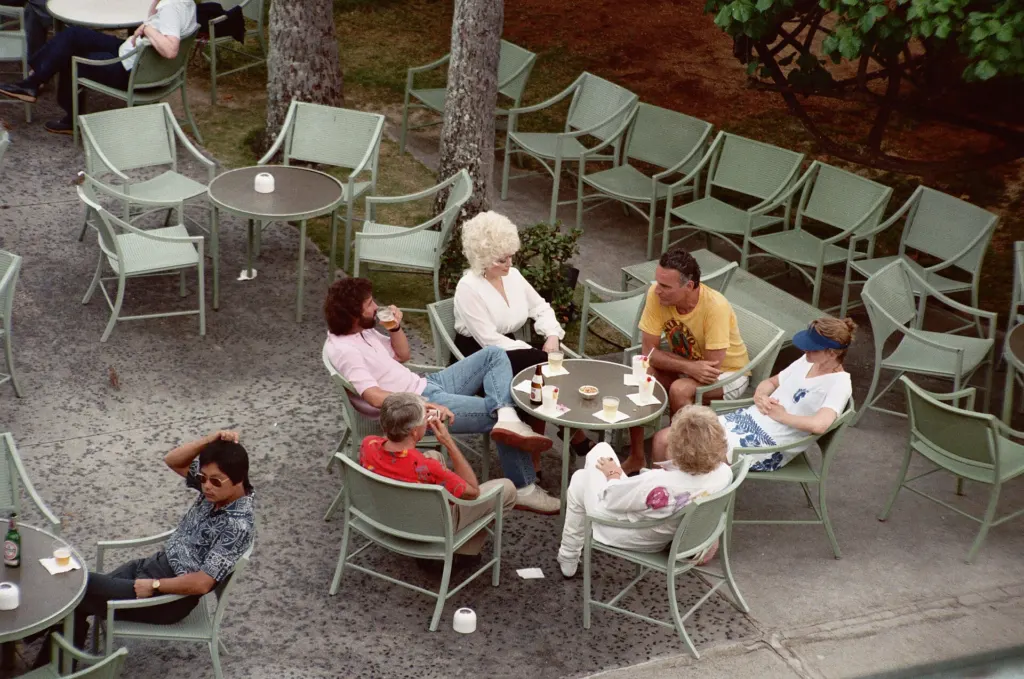
Image: SSGT Neal X. Joiner, USAF, Public domain via Wikimedia Commons
This article was produced with AI assistance and reviewed by our Editorial Desk. How we work.