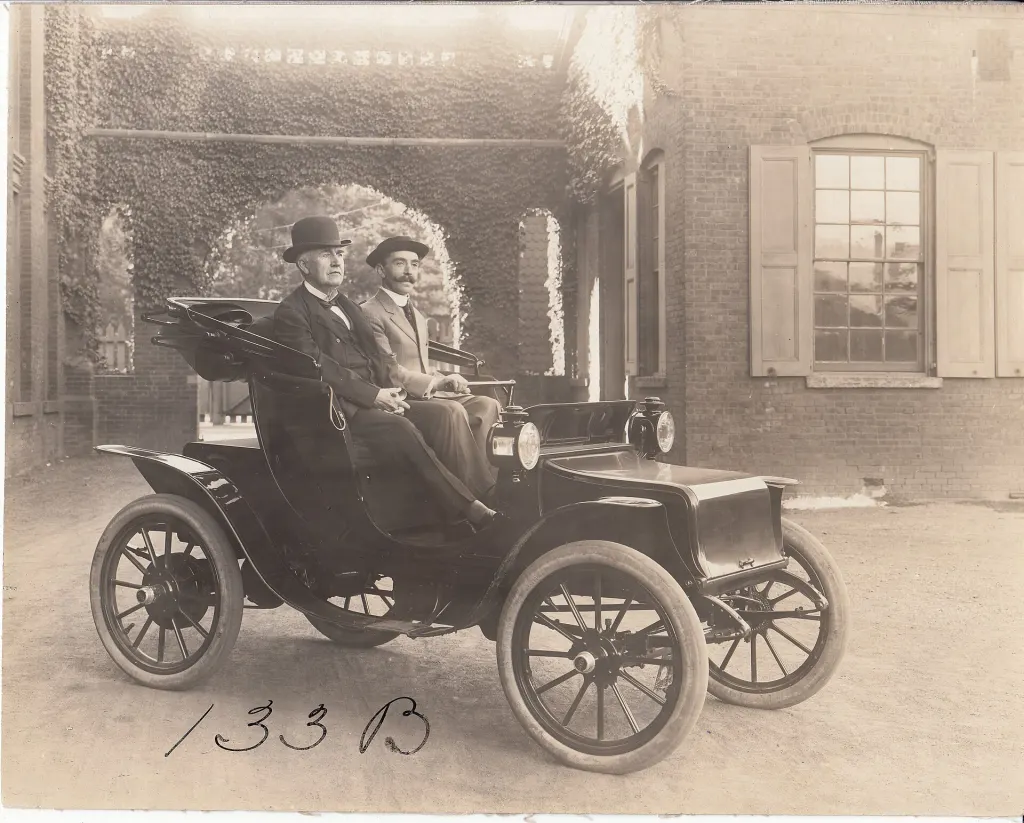
The famous line has a number problem. The words Thomas Edison is actually recorded saying mention “several thousand” failures, not 10,000, and they were about a storage battery, not the light bulb. The record comes from a 1910 biography, Edison: His Life and Inventions, by Frank Lewis Dyer, general counsel to Edison’s laboratory, and Thomas Commerford Martin, a past president of the American Institute of Electrical Engineers.
What the 1910 book records
The story belongs to Walter S. Mallory, one of the Edison collaborators the two authors thank in their introduction. Mallory remembered walking in on the inventor at a long bench crowded with hundreds of small test cells. The new battery had by then eaten up more than nine thousand experiments, and none had produced something usable. Mallory said it seemed a shame that all that work had yielded nothing. Edison’s reply, as Mallory told it:
“Results! Why, man, I have gotten a lot of results! I know several thousand things that won’t work.”
That is the earliest documented wording. Read in context it is half a joke: an inventor turning a heap of dead ends into data. There is no “I have not failed” in it, and no tidy round number.
The project behind the quote
Edison started on an alkaline storage battery in 1899, chasing the electric-car market because the lead-acid cells of the day were inefficient. The National Park Service, which runs his West Orange, New Jersey, laboratory as Thomas Edison National Historical Park, says the battery took roughly a decade to make practical and that he counted it as his hardest job.
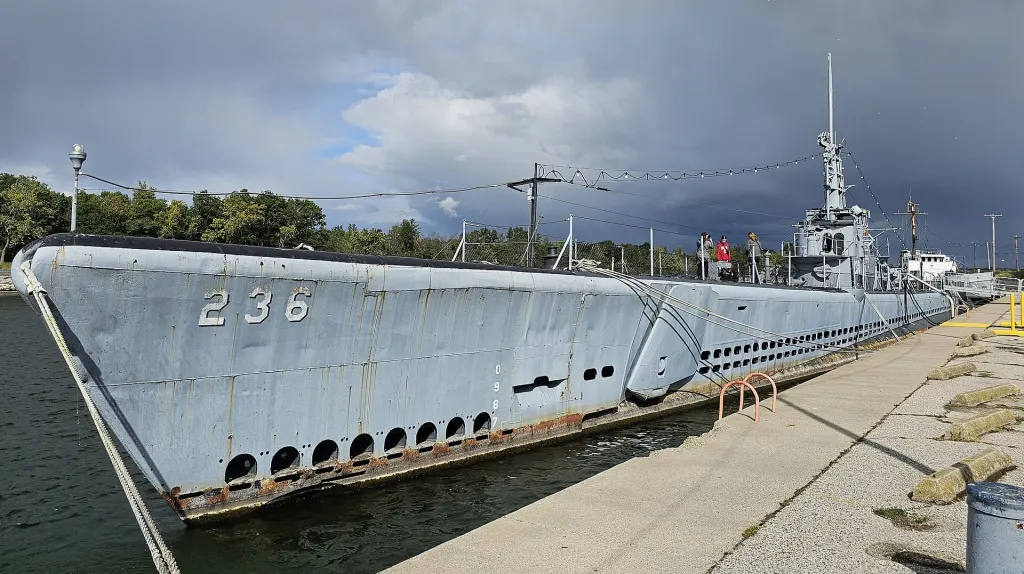
The Edison Storage Battery Company was organized in New Jersey on May 27, 1901, according to the Thomas A. Edison Papers at Rutgers University. Early cells lost power after repeated charging, Edison pulled them from sale in late 1904, and an improved model only arrived in 1909. By then cheap gasoline cars, the Ford Model T above all, were shrinking the market he had aimed at. The battery found other work instead, in miners’ lamps, railway signals and submarines, and the park service says it ended up as his most profitable product.
Where 10,000 may have come from
The big number is not pure invention. Edison is credited with trying about 10,000 combinations of electrodes and solutions before he settled on nickel and iron, and Mallory’s own count was already past nine thousand. Spread across the decade from the 1899 start to the 1909 model, 10,000 trials works out at about 1,000 a year, or close to three a day (10,000 divided by 3,650 days is 2.7).
The sentence around that number is a different matter. Edison told a similar story in a 1921 interview, and a 1946 newspaper item had him speaking of “999 different ways that won’t work.” The polished “I have not failed. I’ve just found 10,000 ways that won’t work.” has no known primary source; it lives in modern quote collections.
The common mistake
Most retellings set the scene in the light-bulb lab. That is wrong twice over. The documented remark concerns the battery, and the park service points out that Edison did not invent the first electric bulb at all: other inventors had worked on electric light for at least fifty years before his practical incandescent lamp of 1879. His achievement was a bulb that lasted, plus the power system to run it.
A quick timeline for anyone quoting him:
- 1879: practical incandescent lamp.
- 1899: alkaline battery research begins.
- 1901: Edison Storage Battery Company organized.
- 1904: first batteries withdrawn.
- 1909: improved battery reaches the market.
- 1910: Dyer and Martin publish Mallory’s account.
If you want the real thing on a slide, use the 1910 wording and credit it to Mallory’s recollection in the Dyer and Martin biography. It is less polished than the poster, but it is closer to how invention works: a long bench, hundreds of test cells, and a battery that succeeded commercially in markets Edison never planned for. Edison died in West Orange on October 18, 1931, at 84; this Sunday marks 95 years.
Further reading
- Wikipedia: Thomas Edison
- Wikipedia: Nickel–iron battery
- National Park Service: Edison biography
- Thomas A. Edison Papers (Rutgers): Edison Storage Battery Company
Image: Unknown photographer, public domain via Wikimedia Commons
This article was produced with AI assistance and reviewed by our Editorial Desk. How we work.