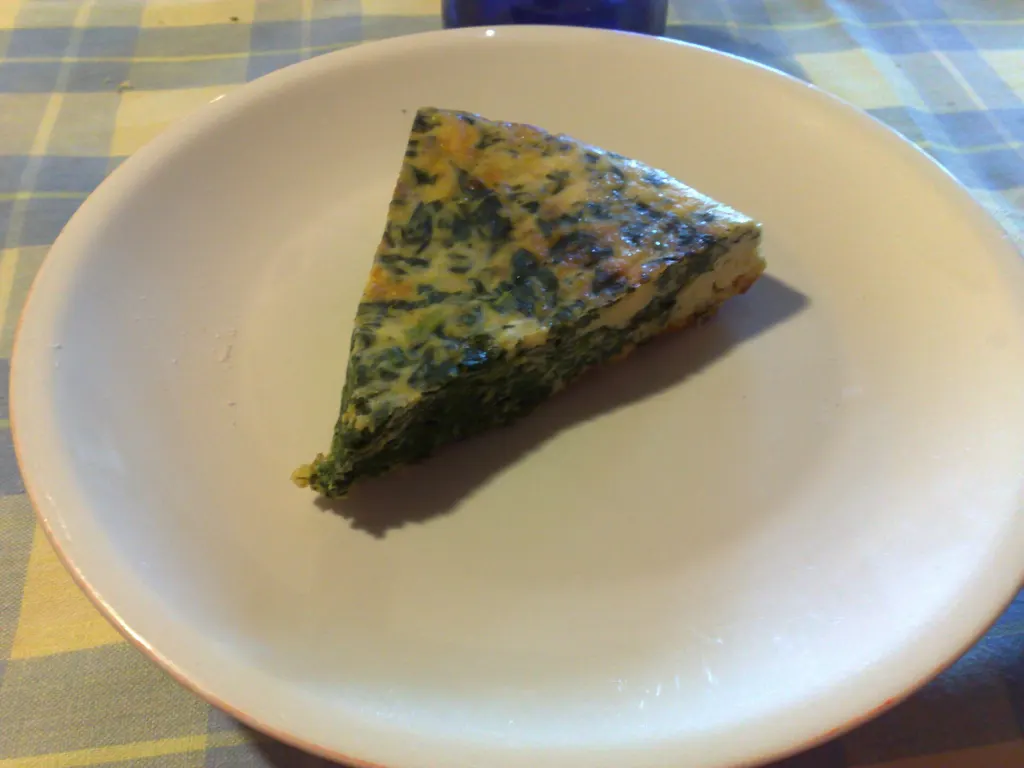
The two-egg spaghetti pan meal pulling in views on YouTube this week is, under the emoji, a small take on frittata di pasta, the pasta omelet that Naples has long claimed as its own. It is done when the center reads 160°F (71°C) on a food thermometer, the federal mark for egg dishes such as frittata and quiche. Reach that, and 70 grams of spaghetti plus two eggs turn into a sliceable meal in roughly the time it takes to set the table.
The clip, titled “Pour 2 Eggs on Spaghetti and Make This Delicious Brunch, Lunch, Dinner or a Quick Family Meal!”, went up on the Hands Touch cooking channel on Sunday, October 25. It runs 4 minutes 13 seconds and had passed 1.84 million views by October 27. Badiyaa checked the same channel’s one-egg tortilla breakfast earlier this month. This one is a different dish, with a longer history and a thicker layer of egg to cook through.
An old Neapolitan idea
Frittata comes from the Italian verb friggere, to fry, and once covered any eggs cooked in a frying pan. In Naples, the spaghetti version is the favorite and a point of civic pride, and cooks there keep it thin. Outside the region it has sometimes been read the other way, as proof of a kitchen so fond of pasta that it ends up inside the eggs too.
Method is what separates it from an omelet. The pasta goes into the beaten egg while the egg is still raw, instead of being scattered over a nearly cooked layer. The pan stays on low heat for longer, often around 15 minutes, until the underside sets. Nothing is folded: you flip the whole round, run it under a hot broiler, or give it about five minutes in the oven.
Scaling it for four, and keeping it safe
The posted list is sized for one or two people. To feed four, multiply each line by four: 70 grams becomes 280 grams of spaghetti (about 10 ounces), 2 eggs become 8, a third of a cup of onion becomes 1 1/3 cups, and 3 tablespoons of each bell pepper becomes 12, which is three-quarters of a cup. A bigger batch makes a deeper cake, and a deeper cake takes longer to heat through, so take the temperature in the middle, not near the edge.
- Cook until the white and yolk are both firm, then confirm 160°F (71°C) at the center with a thermometer.
- Wash the bowl, whisk, board and counter in hot, soapy water once raw egg has touched them.
- Serve it straight from the pan, or move leftovers into shallow containers and refrigerate right away. Eat them within 3 to 4 days.
- Reheat a cold slice to 165°F (74°C) before serving.
- Infants, young children, older adults, pregnant women and anyone with a weakened immune system face the highest risk from undercooked eggs. If you like a softer set, pasteurized eggs are the safer choice.
One wrinkle worth knowing: the two federal charts do not use quite the same number. The consumer chart run by the US government lists egg dishes such as frittata at 160°F but puts casseroles, with or without meat, at 165°F (74°C). The Agriculture Department’s egg guide applies 160°F to casseroles containing eggs. If your pan comes out closer to a bake, or you add meat, aiming for 165°F satisfies both.
What the clip gets right, and what it skips
As a piece of instruction, the video is clear. Each measure flashes up on screen as it goes in, in both metric and US units, and the ingredients are pantry staples: onion, yellow and red bell pepper, cilantro, garlic, salt, black pepper, mozzarella, oregano and chili flakes. The money shot is the one in the title, the eggs poured straight over a nest of spaghetti in the pan, before cheese goes on top to melt.
The written recipe under it is looser. The description promises a taste of spaghetti “with egg and bacon”, but no bacon appears anywhere in the ingredient list. The list calls for 2 tablespoons of oil, while one on-screen caption shows a single tablespoon going in at that step, so anyone cooking from the list alone should expect to split the oil across stages.
The bigger gap is doneness. Neither the captions nor the description say how long to cook the egg layer or how to tell when it is ready, which is the one step that decides whether the dish is safe. The traditional slow, low cook helps here, because it gives the middle time to set before the bottom burns. If the cheese is bubbling and the center still jiggles, cover the pan for a few minutes or finish it under the broiler.
For the record, the channel’s list starts at 70 grams of spaghetti and 2 eggs. The number that matters at the end is 160°F.
Further reading
- Wikipedia: Frittata
- USDA FSIS: Shell Eggs from Farm to Table
- FoodSafety.gov: Safe Minimum Internal Temperatures
Image: Dedda 71, CC BY 3.0 via Wikimedia Commons
This article was produced with AI assistance and reviewed by our Editorial Desk. How we work.