A teal pumpkin by the front door this Halloween, which falls on Saturday, October 31, 2026, tells trick-or-treaters one thing: this house has a bowl of toys and trinkets that contain no food. The signal belongs to the Teal Pumpkin Project, run nationally by the nonprofit Food Allergy Research & Education (FARE) since 2014, and with 10 days to go its online map is open again for households to add their addresses.
The reason is simple arithmetic. FARE says one in 13 American children has a food allergy, which it puts at roughly two kids in every classroom. Many of the candies that fill a typical Halloween bucket contain nuts, milk, egg, soy or wheat, and a child who reacts to even a trace of one of those can end up turning down treats at door after door.
How a Tennessee family started it
FARE traces the idea to Becky Basalone in East Tennessee, whose son has a severe food allergy. She wanted him to go door to door without refusing candy or explaining his condition on every porch, so her family handed out non-food treats and left a pumpkin painted teal outside as a marker. She passed the idea on through a local support group, the Food Allergy Community of East Tennessee, and FARE took it nationwide in 2014. Teal is the color of food allergy awareness, which is why the pumpkin is that shade rather than orange.
A dozen years later the campaign has a retail partner (CVS Pharmacy, since 2022), an online map where families can plan routes, and a new volunteer role FARE calls Community Captain, with a toolkit of ready-made emails and social posts for recruiting neighbors.
Joining in before October 31
Taking part needs no special kit. Based on what FARE and two university extension services publish, the steps for the next week and a half are:
- Buy the treats now. Dollar stores and party shops carry most of them in Halloween colors.
- Keep two bowls. Candy is still fine. FARE asks only that non-food treats sit in a separate bowl so nothing gets mixed.
- Put out the signal. Paint a pumpkin teal, buy a ready-made one, or print FARE’s free door sign if there is no time to paint.
- Get on the map. Adding an address or event to the project map lets families plan a route around houses that are ready for them.
- Tell the street. FARE suggests flyers, a neighborhood email list or a pumpkin-painting party, so a single teal door becomes several.
What to drop in the teal bowl
FARE’s own list runs to 16 items. Glow sticks and glow bracelets top it, followed by pencils, crayons and markers, bubbles, Halloween erasers and pencil toppers, mini Slinkies, kazoos and other noisemakers, bouncy balls, finger puppets, coins, spider rings, vampire fangs, mini notepads, playing cards, bookmarks, stickers and stencils. The University of Florida’s extension office in Pasco County adds slap bracelets, temporary tattoos and ghost-face stress balls.
Two cautions come from the organizers themselves. Some non-food items still contain allergens, and FARE names moldable clay, since some brands contain wheat. It also asks people to choose latex-free items, because some children are allergic to latex. The Florida extension office suggests handing treats out with non-latex gloves or serving tongs to cut down on cross-contact.
Who the bowl is for
Food allergy started the project, but FARE lists a wider group of children for whom candy can be off the table, including kids with food intolerances, celiac disease, eosinophilic esophagitis, the gut condition FPIES, diabetes, feeding tubes or any special diet. Ohio State University’s extension service noted in a write-up about the project in October 2014 that it was already being extended to families managing diabetes and celiac disease.
J. Andrew Bird, director of the Food Allergy Center at Children’s Health, has backed the idea. “It’s a fantastic project for the community, and it’s becoming more and more recognized as a standard part of Halloween,” he said in guidance the hospital published for families.
FARE is clear that nobody is being asked to give up candy. Trick-or-treaters typically come home with pounds of it, the group notes, and the teal bowl simply means one more child can fill a bag on the same street. Families who use the map will be checking it for teal doors from dusk on Saturday, October 31.
Further reading
- Ohio State University Extension: Halloween safety for children with food allergies
- UF/IFAS Extension Pasco County: The Teal Pumpkin
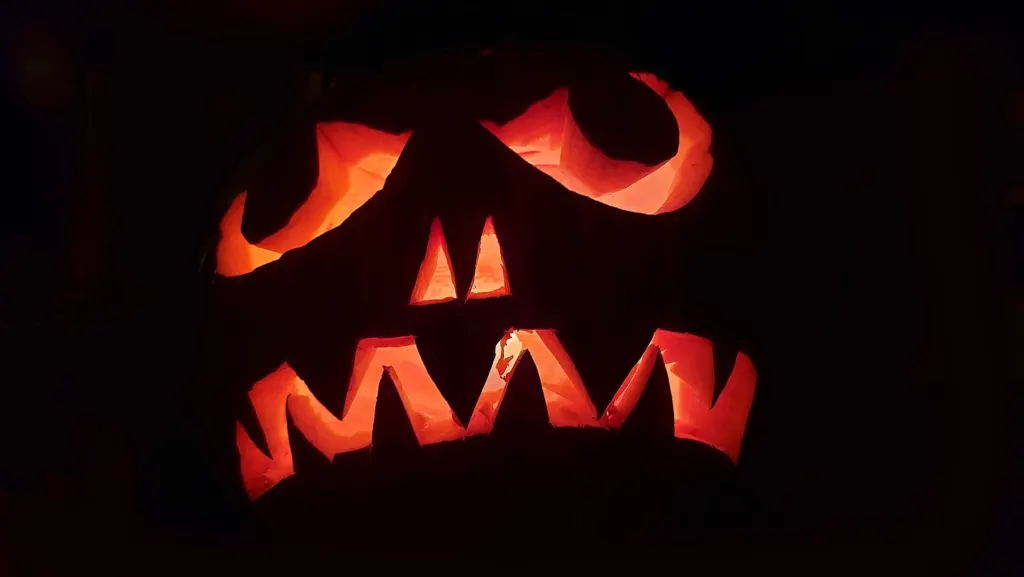
Image: Patrick Henry from Euclid, Ohio, United States, CC BY 2.0 via Wikimedia Commons
This article was produced with AI assistance and reviewed by our Editorial Desk. How we work.