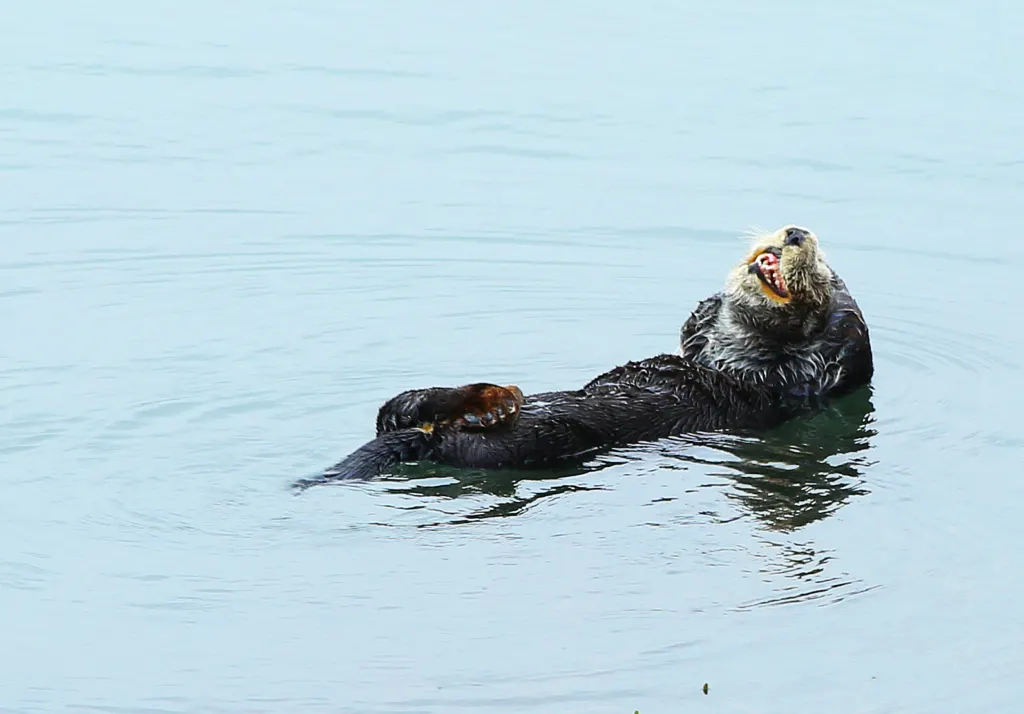
The Oregon Zoo in Portland posted a 64-second clip on Friday, October 23, of its sea otters swimming up to a hoop and stuffing mini pumpkins through it, and by Monday the upload had passed 81,000 views on the zoo’s own YouTube channel. The caption calls the routine positive-reinforcement training, with the pumpkins swapped in for the usual balls as a seasonal novelty.
It looks like a Halloween gag. It is really the latest chapter of a care routine the zoo has run for more than a decade, and it started with an old otter’s sore elbows.
Why a zoo teaches otters to dunk
Keepers first taught a male named Eddie to put a ball through a plastic hoop so he would keep flexing his arthritic elbow joints. Eddie was close to 21 when he died in 2018, which made him one of the oldest sea otters on record, and his slam dunks made him famous well beyond Oregon.
A female called Juno picked up the habit next. In 2019, at about five years old, she was practicing in a pool behind the scenes; by June 2023 the zoo had bolted a custom hoop to the rock wall of the public habitat so visitors could watch. Her keepers framed it as prevention rather than treatment: reaching and dunking keeps her front limbs moving as she ages. Senior marine life keeper Nicole Nicassio-Hiskey said at the time, “Juno loves to play basketball,” adding that Juno gets “so excited whenever we bring the ball out.”
That is the core of enrichment. A sea otter in the wild spends a large share of its day diving, flipping rocks and cracking shells, and it burns through food fast. Wild otters need roughly a quarter to well over a third of their body weight in food daily. For a 25-kilogram (55-pound) female, 25% works out to about 6 kilograms, or nearly 14 pounds, of clams, crab and fish every day. A training session that ends in seafood gives a zoo otter some of that work back: a task to solve, a reach to make, a reward to earn. Swapping a ball for a small pumpkin changes the weight and grip, which is the point.
Who the otters are
All three of the zoo’s sea otters named in its recent posts, Juno, Lincoln and Uni Sushi, are rescues. Each was orphaned as a tiny pup on the California coast and taken into the Monterey Bay Aquarium’s rescue program, then judged unable to return to the wild by the U.S. Fish and Wildlife Service after no surrogate mother could be found. Uni Sushi, for example, was found stranded on a beach near Santa Cruz in December 2018 and joined Juno and Lincoln in Portland the following May; she is named after sea urchin, a favorite otter food. (Badiyaa looked at the aquarium behind that rescue program in a recent piece on its cannery origins.) This week’s caption does not say which of the otters appear in the clip, and Badiyaa could not confirm the lineup.
What the clip shows, and what it leaves out
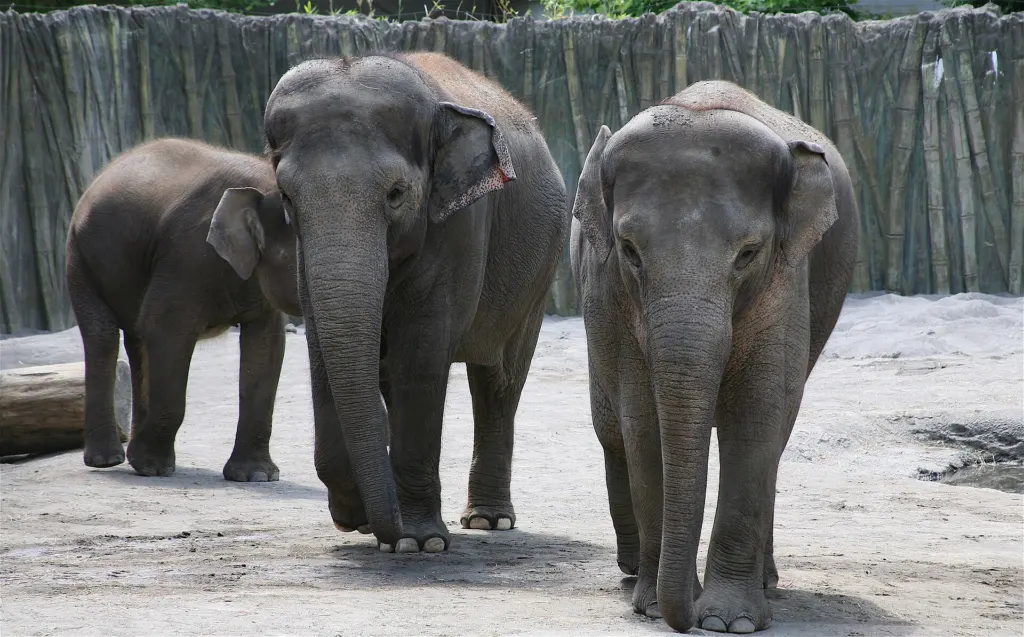
As a piece of zoo video it works. It is short, the animals are doing something they plainly have the dexterity for, and the caption names the method instead of pretending the otters spontaneously took up basketball. It also follows the zoo’s elephant squash-squishing event earlier this month, which Badiyaa covered, so pumpkins are clearly a seasonal theme across the grounds.
The weakness is context. A viewer scrolling past sees a trick, not the backstory, and nothing in the post says these otters are there because they could not survive in the ocean, or that their wild relatives are in trouble. That gap matters:
- The sea otter is listed as Endangered on the IUCN Red List. Fur hunters cut a population of perhaps 150,000 to 300,000 down to an estimated 1,000 to 2,000 animals by the early 1900s.
- The southern sea otter, the California population all three rescues came from, has been listed as threatened under the Endangered Species Act since 1977. Federal recovery goals call for a three-year average above 3,090 animals; the most recent full estimate cited by the Marine Mammal Commission was 2,962 in 2019.
- Southern sea otters now hold only about 13% of their historic range, which once reached Oregon.
Oregon lost its own otters to hunting in the early 20th century; the last native animal was probably shot in 1906, and a 1970s transplant from Alaska failed. In 2022 the Fish and Wildlife Service began studying whether otters could return to Oregon and Northern California, and the zoo says it backs the Elakha Alliance, a tribal-initiated nonprofit pushing for reintroduction.
Visitors who want to see the routine in person can find the otters at the zoo’s Steller Cove habitat, where Juno’s hoop has been mounted on the rock wall since 2023; sessions follow the keepers’ schedule, not the clock.
Further reading
Image: Rennett Stowe from USA, CC BY 2.0 via Wikimedia Commons
This article was produced with AI assistance and reviewed by our Editorial Desk. How we work.