Waves of cerebrospinal fluid that rinse the brain during deep sleep are significantly smaller in adults aged 60 to 84 than in adults aged 18 to 39, MIT researchers report in Nature Aging. The shortfall tracked weaker slow brain waves and changes in blood vessels, not just less sleep.
Some older volunteers bucked the trend. “It’s really intriguing that for some of these older adults, their CSF fell right in the range of the healthy young adults,” said senior author Laura Lewis, an MIT associate professor of electrical engineering and computer science.
Why it matters: the brain’s night shift
Scientists have spent more than a decade mapping what they call the glymphatic system, a route by which cerebrospinal fluid (CSF) slips along blood vessels into brain tissue and carries metabolic waste out. The name joins “glial,” for the support cells involved, with “lymphatic.” Lewis’ lab has been filling in the picture step by step:
- 2019: Lewis reported that the slow waves of deep sleep help push waves of CSF through the brain.
- Recent work: her group raised CSF flow in younger adults by playing brief bursts of “pink noise” as they slept.
- November 13, 2026: the new paper finds those CSF waves are weaker in many older adults, and ties the drop to slow-wave and vascular changes.
Read in order, the steps move from mechanism to a measurable age gap, the kind of marker researchers would need before testing whether CSF flow predicts later brain health.
Inside the scanner
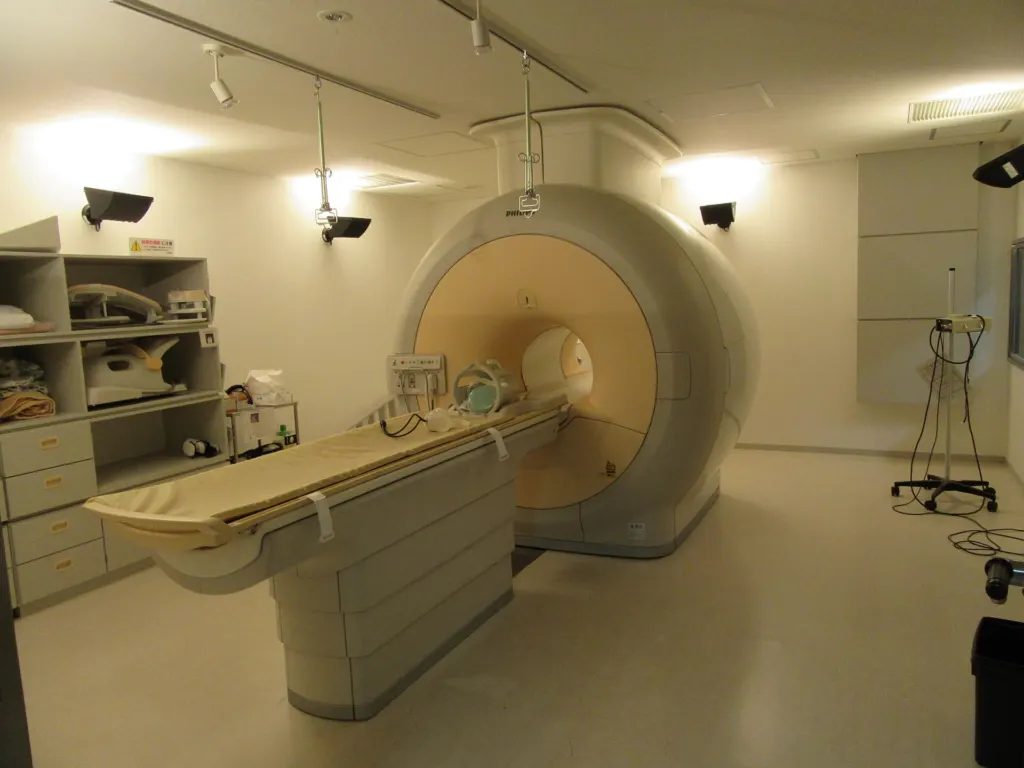
Each session ran about two hours and began late at night, so volunteers would be drowsy. Three measurements ran at once: standard fMRI for blood flow, an MRI technique built in Lewis’ lab for CSF movement, and EEG for brain waves. Plenty of people fell asleep in the tube, which gave the team waking and sleeping data from the same brains.
Younger sleepers behaved as expected, with stronger slow waves and larger CSF pulses once they slipped into non-REM sleep. Older sleepers, on average, produced much smaller CSF pulses.
The blood-vessel clue
To look for a cause, the researchers ran two awake tests. Staring at a flickering checkerboard raised neural activity in many older subjects, yet their blood flow hardly rose with it. Holding the breath, which normally floods the brain with extra blood, produced a weaker surge in the older group. Together those two vascular factors accounted for a large share of the CSF decline in the team’s statistical model, though not the whole of it.
Co-lead author Sydney Bailes, a postdoc who worked with fellow lead author Stephanie Williams, said the remaining gap is hard to pin on any single cause. “Aging is so complex, and so many different things change, that it’s really hard to disentangle the individual factors,” she said.
Badiyaa has covered other sleep science, including the hypnic jerks that jolt most people as they drift off and frigatebirds that sleep 42 minutes a day on ocean flights.
Limits
No volunteer had a diagnosed neurodegenerative disorder, and the paper does not show that weaker CSF waves cause disease. Some older participants had signs of gray matter atrophy that went with a larger fall in CSF flow, but that is an association from a single visit. The team hopes to follow some participants for years to see whether flow changes line up with later risk.
The pink-noise method has never been tried in older adults, and no intervention has been tested in this age group. Next on the list: working out why some people in their 60s, 70s and 80s keep youthful CSF waves.
Further reading
- MIT News: Waves that clear waste from the brain during sleep are impaired in older adults
- Wikipedia: Glymphatic system
Image: Walter Davies, CC BY-SA 4.0 via Wikimedia Commons
This article was produced with AI assistance and reviewed by our Editorial Desk. How we work.