Sierra Space’s Dream Chaser spaceplane now has US government clearance to come home to Vandenberg Space Force Base in California, with a first flight targeted for late 2027. The Federal Aviation Administration issued the vehicle operator license on November 9, according to a report published this week, and the company confirmed it the following day. The license runs five years and allows up to four reentries a year if the vehicle and mission profile stay the same.
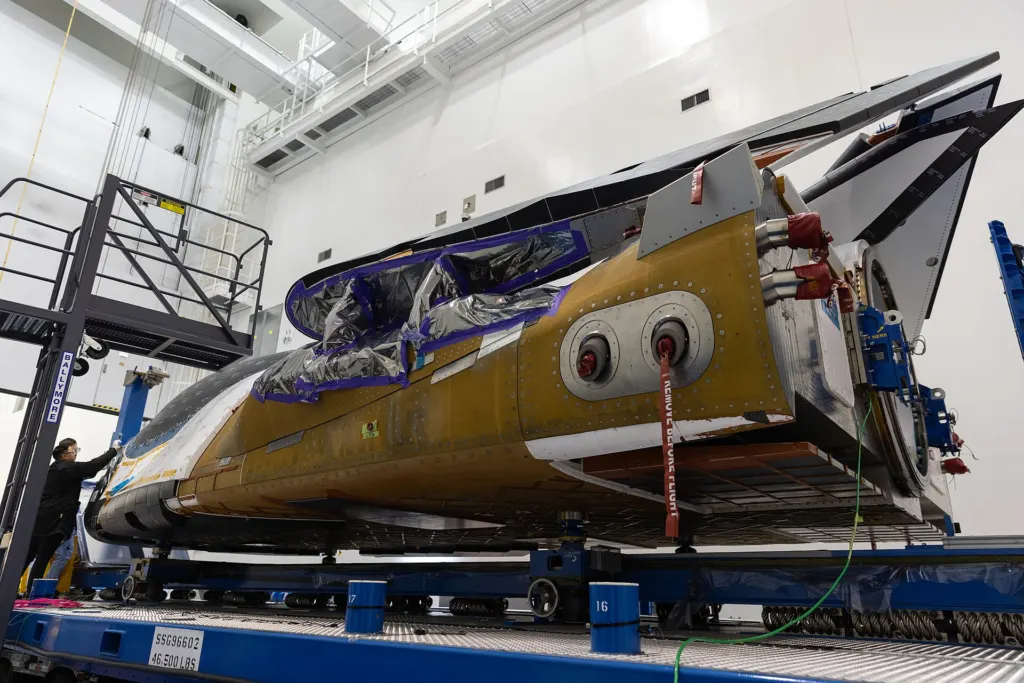
Dream Chaser is a winged, uncrewed cargo craft that launches on a rocket and lands on a runway like a small space shuttle. Its first vehicle, named Tenacity, has never flown in space.
Why Vandenberg, not Florida
The landing site is a change from the original plan. In the FAA’s 2024 environmental assessment, filed with California’s state clearinghouse, the agency reviewed reentry at Kennedy Space Center’s Shuttle Landing Facility in Florida, with Vandenberg in Santa Barbara County listed as the contingency site. The new license names Vandenberg as the landing location.
Launch will still happen in Florida, aboard United Launch Alliance’s Vulcan Centaur rocket, so the craft would cross the country between liftoff and touchdown. The approval sets no launch date.
How Dream Chaser works
The design descends from NASA’s HL-20, a lifting-body concept studied in the 1980s and 1990s. Instead of floating down under parachutes like a capsule, it glides to a runway, keeping returning cargo under about 1.5 g. The cargo version has folding wings so it fits inside a 5-meter rocket fairing. On paper it can carry 5,000 kilograms (11,000 pounds) of pressurized cargo up and bring 1,750 kilograms (3,860 pounds) back.
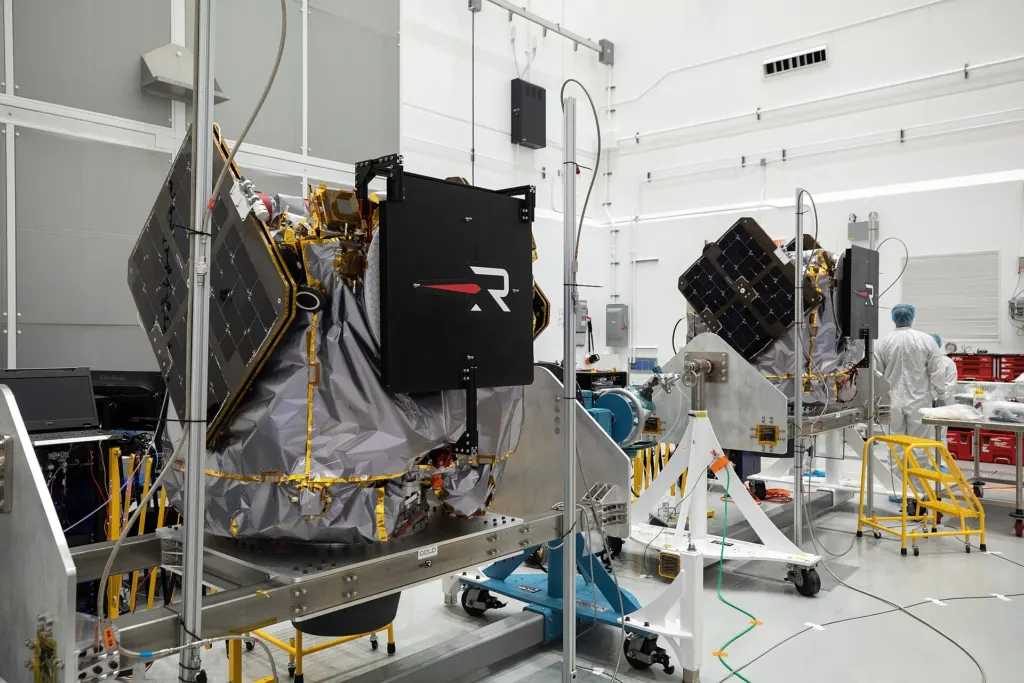
An expendable module called Shooting Star rides behind the spaceplane, adding solar power, thrusters and space for trash that burns up on reentry.
Two decades of delays, in order
- 2004: Dream Chaser is publicly announced by SpaceDev
- 2013: the first free-flight drop test ends with a landing-gear failure and a crash landing
- 2016: NASA picks it for space station cargo runs
- 2017: a second drop test lands successfully
- 2023: Tenacity is completed
- September 2025: NASA drops the station docking; the demo becomes a free flight
- Late 2027: the current target for the Demo-1 launch
Counted from the 2004 announcement, a late-2027 launch would come about 23 years after Dream Chaser was first shown to the public, longer than the 1972-to-1981 gap between approval of the Space Shuttle program and its first orbital flight. Our story on Buran, the Soviet shuttle that flew once with no one aboard covers another winged spacecraft’s long road, and our piece on Endeavour standing in launch position in Los Angeles shows the shuttle Dream Chaser is often compared with.
What is still missing
A license is not a flight. Tenacity still needs a Vulcan launch slot and its remaining mission preparations. As of April 2026, its propulsion system and software had not yet been certified by NASA. NASA is no longer contracted to buy station resupply missions, though it can still book them if the demonstration succeeds. A second vehicle, Reverence, is on hold, with the company estimating 18 months of work left on it as of late 2024.
Further reading
Image: NASA/Kim Shiflett, Public domain via Wikimedia Commons
This article was produced with AI assistance and reviewed by our Editorial Desk. How we work.