Cambridge Dictionary has picked “human” as its Word of the Year for 2026, choosing one of the oldest and plainest words in English to sum up a year spent arguing about machines. The publisher announced the pick on November 18, saying it reflects “a renewed appreciation for human creativity, connection and authenticity in an AI-driven world.”
It is an unusual winner. Most word-of-the-year choices reward something new: slang that broke out of a group chat, a term coined for a fresh habit, a label for a trend. This year the lexicographers went the other way and crowned a word every English learner meets in their first lessons.
Why a basic word won
The dictionary’s own entry defines the adjective as having the “qualities, faults, and feelings that people have, as opposed to gods, animals, or machines.” That last item is the point. Francesca Woodward, a board member at Cambridge University Press, said the word captured “the 2026 Zeitgeist” and that over the past 12 months people had been “really considering what it is to be human,” with worries about AI taking over jobs high on the list.
She also pointed to a shift in how the word is used. The dictionary team noticed “human” turning up more often inside compounds such as human-made and human author, labels people now attach to work to show that no software wrote it. In other words, the word has picked up a job it never needed before: certifying origin.
Tom McClelland, a philosopher of science at the University of Cambridge, called the pick a “really interesting choice.” “We’re trying to understand the difference between a human mind and an artificial mind, between living beings like us and artificial beings that we’re creating,” he said.
The words it beat
The shortlist read like a snapshot of 2026. The runners-up included:
- agent, in its new sense of an AI system that can carry out complicated tasks without a person steering it;
- wholesome, for things that are good for you physically, morally or emotionally;
- dusking, the habit of watching daylight fade into darkness as a way to unwind.
Among the new entries added this year were “aura farming”, for behaving in ways meant to win admiration, and “looksmaxxing”, for making yourself as attractive as possible. For 2027 the editors are watching FOBO, short for “fear of becoming obsolete”, and “weather whiplash”, a sudden swing from one weather extreme to the other.
How Cambridge chooses
Cambridge bases its pick on a range of criteria, one of which is what people look up on the Cambridge Dictionary website. That makes the choice partly a record of curiosity: a word wins when large numbers of readers stop and check what it means, or what it now means.
The 2026 choice sits neatly beside last year’s. In 2025 Cambridge chose “parasocial”, the one-sided bond people form with celebrities, influencers or fictional characters they have never met. Read together, the two picks describe a public thinking hard about which relationships are real and which are simulated, first with strangers on screens and now with software.
Language trivia has a long shelf life on Badiyaa. Readers who like word origins can see how eggcorns such as “for all intensive purposes” got their name in 2003, or how Scrabble inventor Alfred Butts set his tile values by counting letters in newspapers.
A comparison that only a year-end list makes visible: in 2025 the winner described a feeling about people you cannot meet, and in 2026 it describes what separates you from things that only imitate people. Cambridge’s next shortlist arrives in November 2027, and FOBO is already on the watch list.
Further reading
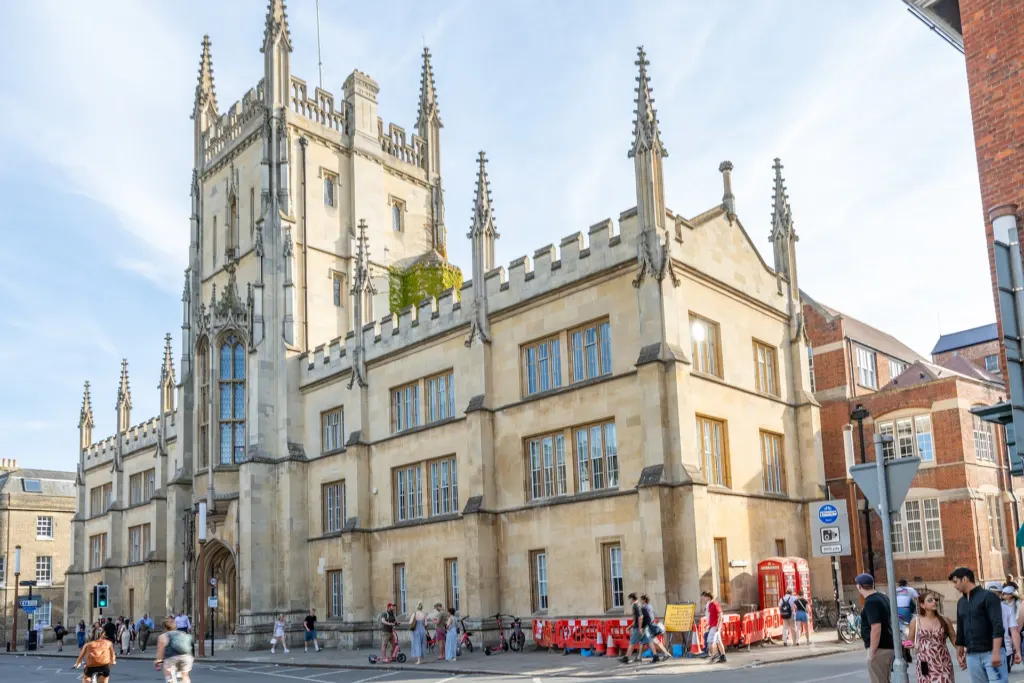
Image: Tilman2007, CC BY-SA 4.0 via Wikimedia Commons
This article was produced with AI assistance and reviewed by our Editorial Desk. How we work.