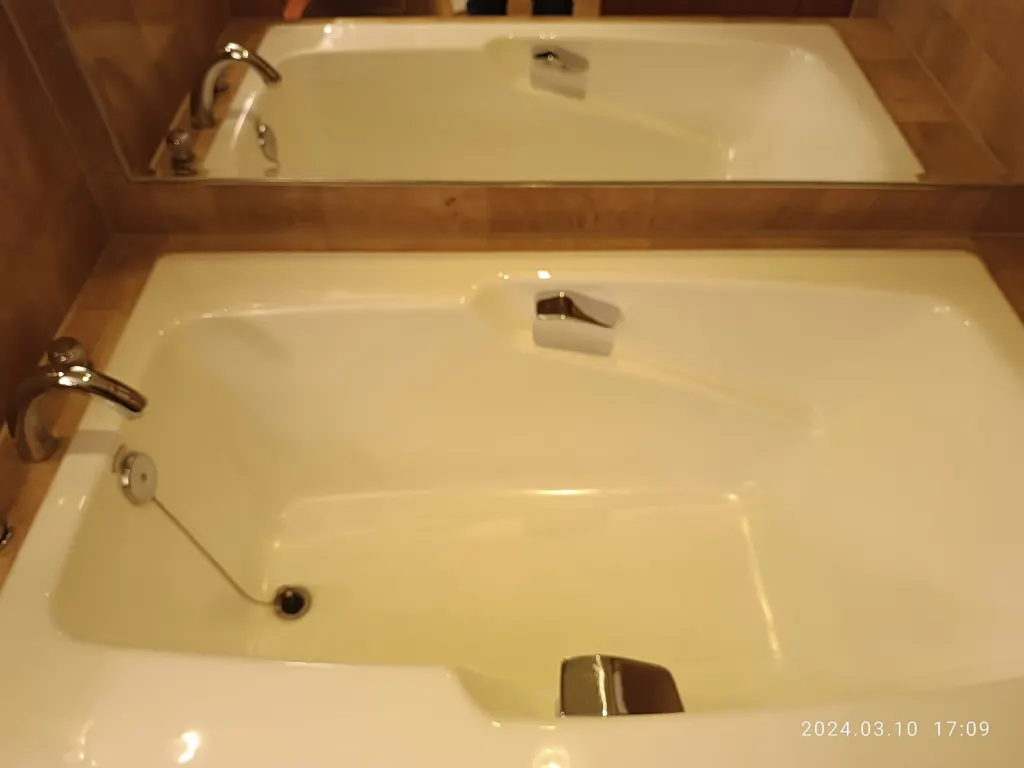
Someone took a saw to a bathtub, looked inside the cut and found paper honeycomb. The photo, posted to Reddit’s r/mildlyinteresting as “Bathtubs have a cardboard core,” reached r/popular this week and set off a long argument over whether the tub in your bathroom is secretly made of packaging.
The short answer: some are, sort of. Many modern tubs are thin shells of fiberglass-reinforced plastic or acrylic, and a hollow shell needs help to stay stiff. A lightweight filler is one way to give it that help.
What the thread said
The top reply came from a commenter who described 20 years as a fiberglass design engineer. Fiberglass “sandwich” builds, they wrote, are often stiffened with balsa wood, cardboard or a technical fabric, and the combination is “surprisingly strong and able to flex a little without shattering or cracking.”
A second commenter, who said they had repaired fiberglass for five years, added the catch. Tubs that sit outside in the rain at supply yards can get their cardboard soaked, it loses its strength, and the tubs then crack.
Not everyone agreed on what the paper was for. One reader argued the tub would have been laid up in a mold first, so the honeycomb was added later, probably to stop the tub sounding hollow when tapped. A self-described former bathtub technician said most tubs they had seen had nothing in the cavity at all, and a plumber said they had never come across one like it. Others noticed the cut itself and guessed the poster was fitting a step-in door to make the tub easier to climb into.
How a sandwich panel works
The engineering idea is old and well understood. A sandwich-structured composite bonds two thin, stiff skins to a thick, light core. The core on its own is weak, but by holding the skins apart it gives the whole panel high bending stiffness at low weight, the same principle that makes an I-beam work.
Common core materials include plastic foams, balsa wood and honeycombs. The skins are often glass-fiber laminates set in polyester or epoxy resins, which is the same family of material many tubs are made from. Paper honeycomb has its own place on the list: recycled kraft honeycomb cores are used in furniture, store displays, wall dividers and exhibition stands.
The weak point is the bond. When load goes through a sandwich panel, the glue line between skin and core carries shear, and failure of that interface, called delamination, is the most common way these panels break. Wet a paper core and that interface is exactly what suffers, which matches the repair commenter’s warning.
From cast iron to plastic shells
Modern tubs come in four main materials: thermoformed acrylic, porcelain-enameled steel, porcelain-enameled cast iron and fiberglass-reinforced polyester. Cast iron clawfoot tubs were the fashion from about the 1880s to the 1930s, and several commenters described needing grinders or sledgehammers to get old iron tubs out of upstairs bathrooms. Even the silent-film bath scene in Buster Keaton’s 1920 short One Week features a tub; Keaton’s riskiest set piece came later, in the two-ton house front he let fall around him in Steamboat Bill, Jr.
The acrylic tub is newer than most people think. In 1979 James R. Wheeler and his brother Richard adapted the acrylic used for outdoor spas into bathtubs, working with Spartech Plastics to develop the co-extruded acrylic tub that is now everywhere.
Paper in surprising places
The trick is far older than plastic tubs. A quick timeline:
- 1914: R. Höfler and S. Renyi patent the first structural use of honeycomb.
- 1915: Hugo Junkers patents honeycomb cores for aircraft.
- 1940: the de Havilland Mosquito warplane flies with a balsa core between plywood skins.
- 1979: the modern acrylic bathtub arrives.
Commenters pointed to hollow-core interior doors and flat-pack side tables as everyday examples of the same honeycomb filler. For more oddities like this, browse our Offbeat section, including the Redditor who found Samyang Buldak noodles had turned square. As for the tub in the photo, its cardboard is only doing its job while it stays dry and stays glued.
Further reading
Image: Ounfs Robmmy 238, CC0 via Wikimedia Commons
This article was produced with AI assistance and reviewed by our Editorial Desk. How we work.