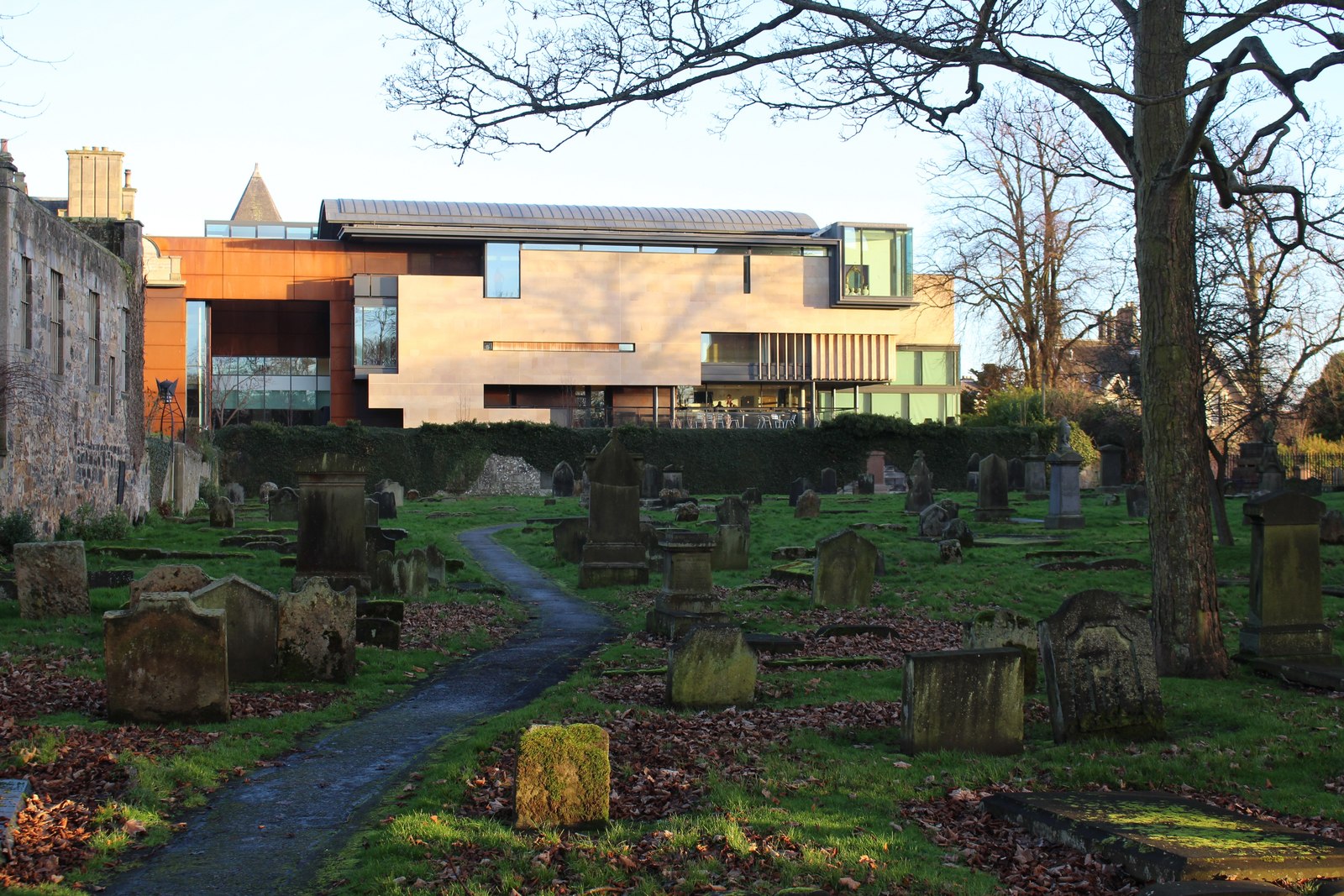
Andrew Carnegie, born in Dunfermline, Scotland, on November 25, 1835, became the richest man in America and then told every other millionaire that dying rich was a disgrace. He put it in seven words that still sting: "The man who dies thus rich dies disgraced."
The line comes from a pair of 1889 articles in the North American Review that later took the name The Gospel of Wealth. Carnegie Corporation of New York's own edition of the essay calls the rich "mere trustees" of their money in Carnegie's view, and notes that the piece caused quite a stir on both sides of the Atlantic.
From a $1.20 job to the top of the money pile
The rags-to-riches arc is almost too neat. His family landed in Allegheny, Pennsylvania, in 1848, and the boy's first job was changing thread spools in a cotton mill, 12 hours a day, six days a week, for $1.20 a week, according to Carnegie's Wikipedia biography. Telegraph work, railroads and bond deals followed, then steel.
In 1901 he sold Carnegie Steel to J. P. Morgan for $303,450,000. That deal made him richer than John D. Rockefeller.
He had been rehearsing his guilt for decades. In an 1868 memo to himself, at 33, he called the amassing of wealth "one of the worse species of idolatry" and wrote: "No idol more debasing than the worship of money." He promised himself he would retire at 35. He did not.
The late, quiet romance
Here is the detail that surprises people. The steel king stayed single until he was 51. He would not marry while his mother was alive, nursing her through her final illness; after she died in 1886, he wed Louise Whitfield, 21 years his junior, in 1887. Their only child, Margaret, born in 1897, was named after his mother. The couple split their time between New York and Skibo Castle in the Scottish Highlands, which he bought in 1898 for about $85,000.
Putting the money where the essay was
Carnegie then gave on an industrial scale. In his last 18 years he handed out about $350 million, close to nine-tenths of all he had. The headline act was libraries: Wikipedia's history of the Carnegie library program counts 2,509 built between 1883 and 1929, including 1,689 in the United States, 660 in the UK and Ireland and 125 in Canada. Towns got the building only if they promised taxes to run it.
He also paid for the concert hall that bears his name; Carnegie Hall's Wikipedia entry dates its official opening to May 5, 1891.
The critics never went away
The essay had a harder edge than its fans remember. The Gospel of Wealth's Wikipedia article notes that Carnegie praised heavy British taxes on dead millionaires' estates, and that his friend William Gladstone pushed back. Critics also set the generosity against the 1892 Homestead strike at his own steelworks, which he blamed on others while he was in Scotland.
Carnegie was not the only Gilded Age figure to turn hustle into legend; Badiyaa has told how Madam C.J. Walker built a hair-care empire from $1.25, and how a modern star echoed his library habit when Taylor Swift gave 6,000 books to her hometown library. For a fellow Pittsburgh story, read about the Pittsburgh plumber who built an aluminum observatory dome.
Carnegie died in Lenox, Massachusetts, in 1919. The money he left behind still funds Carnegie Corporation of New York, the foundation he set up to keep giving after he was gone.
Sources
- The Gospel of Wealth (annotated edition), Carnegie Corporation of New York, 2017
- Andrew Carnegie, Wikipedia, 2026
- Carnegie library, Wikipedia, 2026
- Carnegie Hall, Wikipedia, 2026
- The Gospel of Wealth, Wikipedia, 2026
Image: Graeme Yuill, CC BY-SA 2.0 via Wikimedia Commons
This article was produced with AI assistance and reviewed by our Editorial Desk. How we work.