Alexandre Dumas, the grandson of an enslaved woman from Saint-Domingue, was carried into the Panthéon in Paris on November 30, 2002, with four mounted Republican Guards costumed as the four Musketeers riding beside his coffin. The writer had been dead for 132 years.
The date comes from the French-language Wikipedia biography of Dumas, which records the transfer as part of the bicentenary of his birth. President Jacques Chirac spoke at the ceremony.
A coffin in blue velvet, and a village that said no
The pageantry was pure Dumas. His English Wikipedia biography describes the new coffin draped in blue velvet and drawn on a caisson through Paris, with the whole procession televised. Villagers in Villers-Cotterêts, where he was born in 1802 and first buried, at first objected, pointing out that his memoirs said he wanted to stay there. The government won.
Chirac's speech leaned into the romance of the novels: "With you, we were D'Artagnan, Monte Cristo, or Balsamo, riding along the roads of France, touring battlefields, visiting palaces and castles – with you, we dream." He also acknowledged the racism Dumas had faced, and said the move was a way of putting that wrong right, placing him beside Victor Hugo and Émile Zola.
The general behind the Count of Monte Cristo
Dumas's father was the real-life swashbuckler. Thomas-Alexandre Dumas was born in Saint-Domingue, now Haiti, to a French marquis and Marie-Cessette Dumas, an enslaved woman. The general's Wikipedia biography says he enlisted as a private in 1786 and by 31 commanded 53,000 troops as head of the French Army of the Alps, the first Black man in the French military to reach that post. Austrian soldiers called him the Black Devil. His son's most famous heroes were inspired by him.
The novelist met prejudice all his life. To a man who mocked his ancestry, he famously replied: "My father was a mulatto, my grandfather was a Negro, and my great-grandfather a monkey. You see, Sir, my family starts where yours ends."
Forty mistresses and a scandalous photograph
Dumas earned huge sums and spent them faster, on a Paris country house he named the Château de Monte-Cristo and, by his biographers' count, on women. The scholar Claude Schopp lists nearly 40 mistresses; Dumas married only once, to the actress Ida Ferrier in 1840.
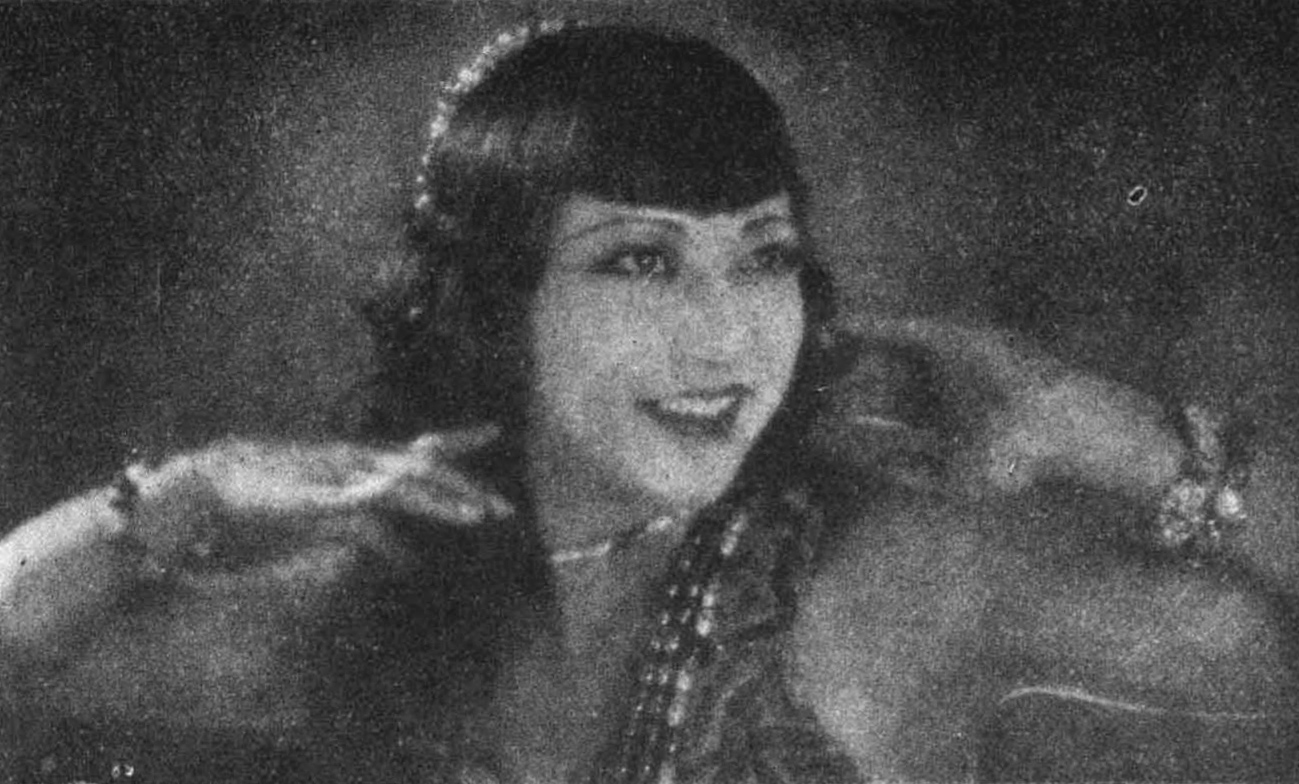
His most talked-about affair came late. Around 1866 he took up with Adah Isaacs Menken, the American stage star who was then the toast of Paris. Menken's Wikipedia biography notes the romance was considered somewhat scandalous because he was more than twice her age, and a photograph of the two of them together still survives.
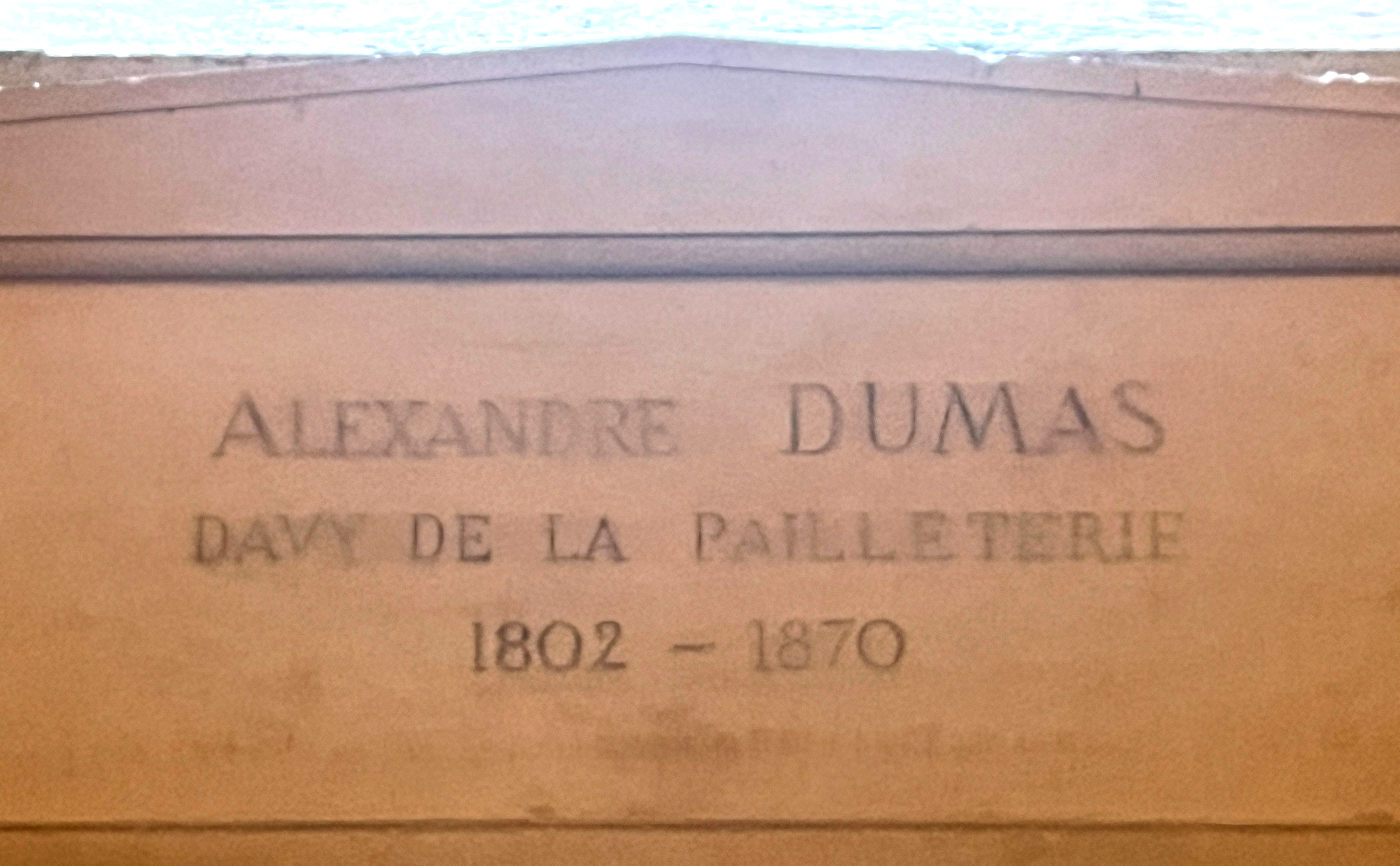
Dumas died in 1870. Today his name sits on a tomb in the Panthéon crypt; you can see it in a 2023 photograph on Wikimedia Commons.
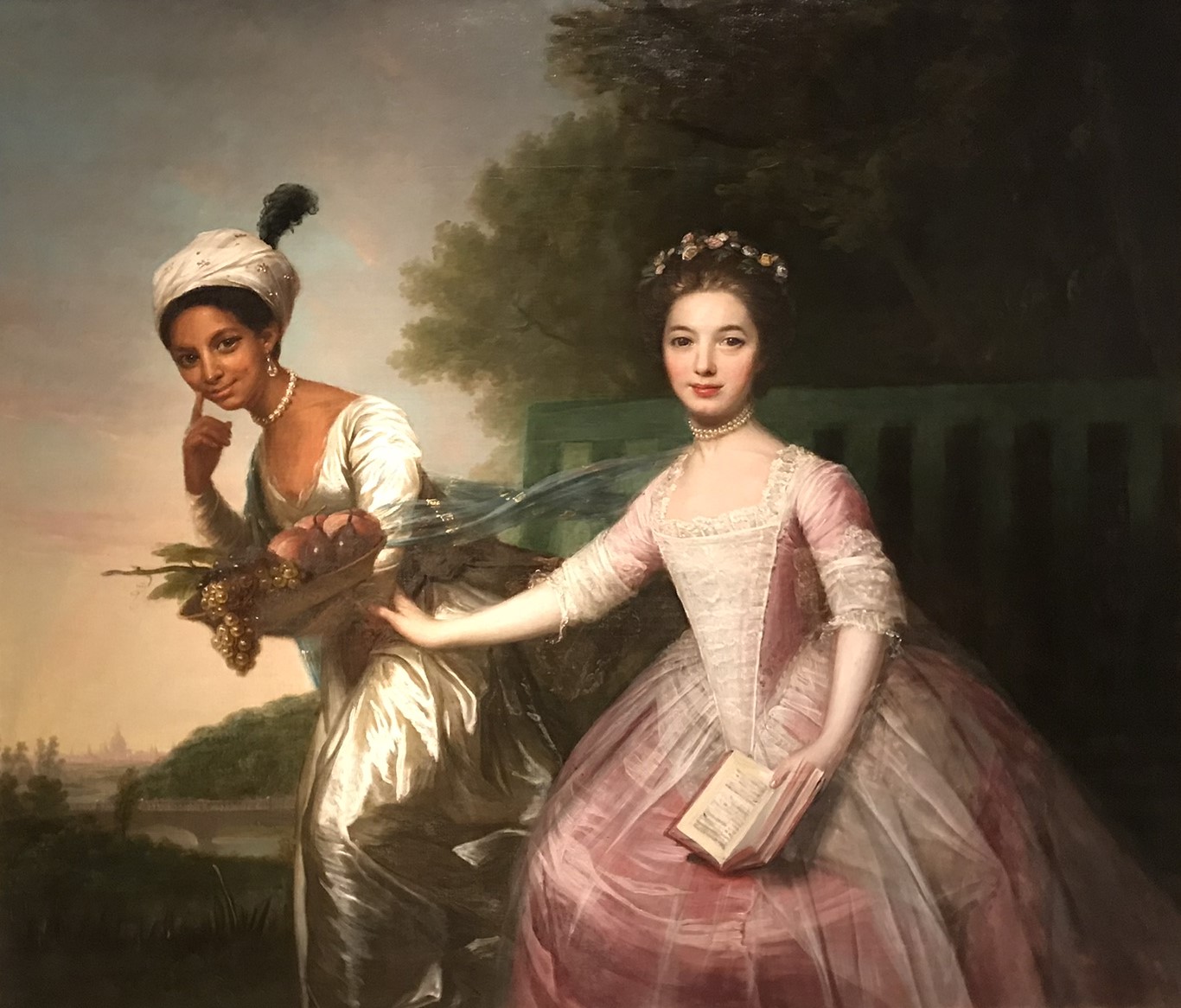
He is not the only figure of color the Panthéon has claimed: Badiyaa has told how Josephine Baker spied for the French Resistance with invisible ink. And the fencing master of Dumas's father has his own story: the Chevalier de Saint-Georges played for Marie Antoinette.
Sources
- Alexandre Dumas, Wikipedia (French), 2026
- Alexandre Dumas, Wikipedia, 2026
- Thomas-Alexandre Dumas, Wikipedia, 2026
- Adah Isaacs Menken, Wikipedia, 2026
- Tomb of Alexandre Dumas in Panthéon, August 2023, Wikimedia Commons, 2023
Image: Benoît Prieur, CC0 via Wikimedia Commons
This article was produced with AI assistance and reviewed by our Editorial Desk. How we work.