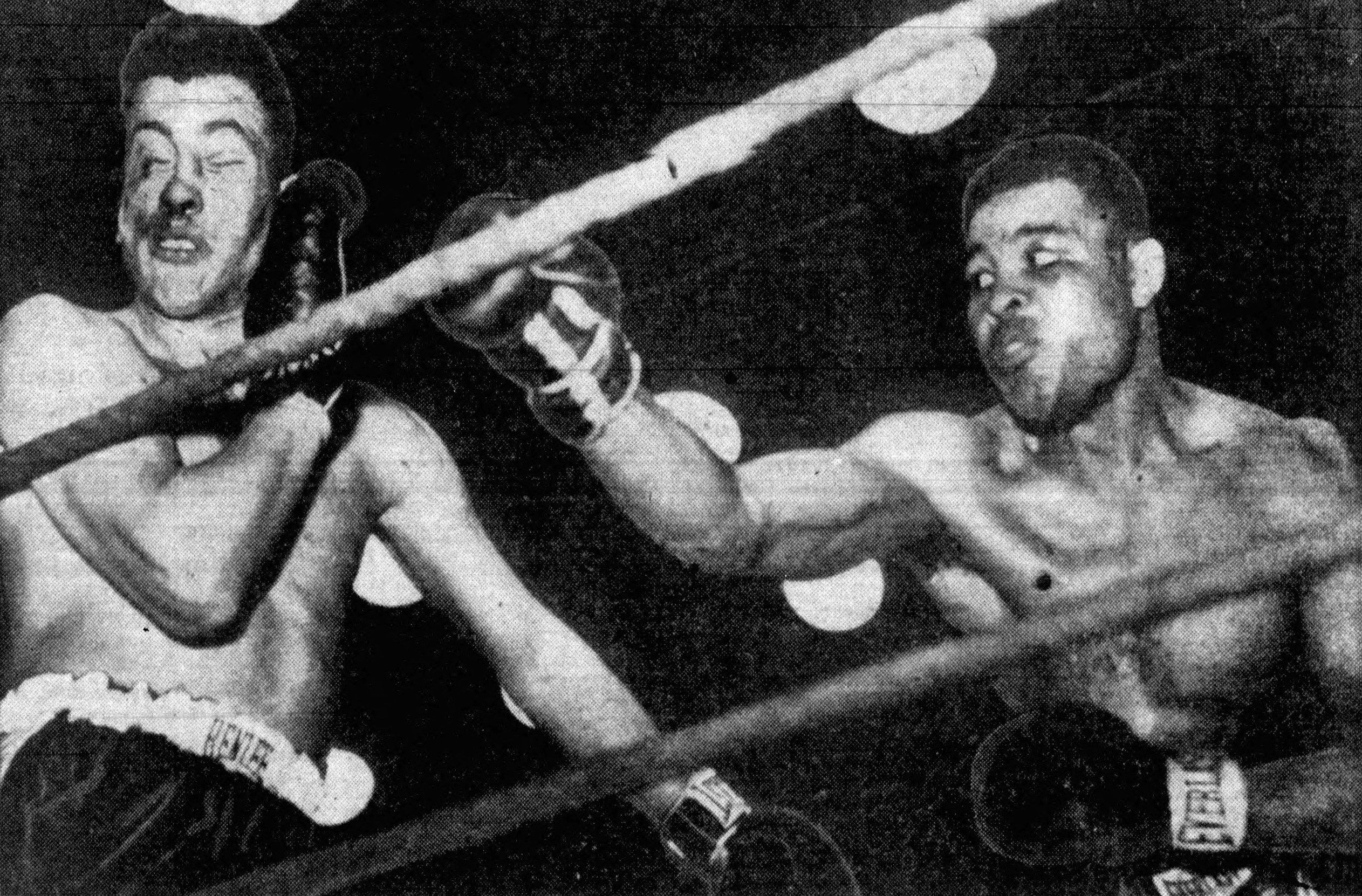
It took Joe Louis 2 minutes and 4 seconds. On June 22, 1938, in front of more than 70,000 people at Yankee Stadium, the Brown Bomber put Germany's Max Schmeling down three times in the first round and took the most politically charged fight of the decade, Wikipedia's account of the rematch records. Louis threw 41 punches and landed 31. Schmeling managed two.
The twist came later. The two men who had been cast as symbols of rival nations became close friends, and Schmeling helped pay for Louis's funeral.
A grudge two years in the making
Louis wanted revenge. In June 1936, Schmeling had studied films of the young Detroit fighter, spotted that he dropped his left hand after a jab, and knocked him out in the 12th round, the first loss of Louis's professional career. A year later Louis beat James J. Braddock for the world heavyweight title, then said publicly that he would not call himself champion until he had fought Schmeling again.
By 1938 the bout was about far more than boxing. Nazi Germany had just absorbed Austria, and Joseph Goebbels's propaganda machine held Schmeling up as proof of German superiority. A Nazi Party publicist traveled with his camp and claimed a Black man could not beat him.
Schmeling himself wanted no part of it. He was not a party member, kept his Jewish manager, Joe Jacobs, despite heavy pressure, and refused an award offered by Adolf Hitler. "I am a fighter, not a politician. I am no superman in any way," he said.
The night America tuned in
Weeks before the fight, Louis visited Franklin D. Roosevelt at the White House, where the president was quoted telling him, "Joe, we need muscles like yours to beat Germany." Louis trained like a man possessed, giving up golf and women until fight night. While Schmeling waited nervously in his locker room, Louis took a two-hour nap.
The fight drew gate receipts of $1,015,012, worth about $23.2 million now. Around 70 million Americans listened on the radio and more than 100 million worldwide. Hollywood turned out too: Clark Gable, Gary Cooper and Gregory Peck were among the crowd.
Harlem exploded afterwards. Riding to hospital, Schmeling later wrote, "As we drove through Harlem, there were noisy, dancing crowds." Louis became, in the words of his Wikipedia biography, the first Black American widely seen as a national hero.
From rivals to friends
Back home, the Nazi regime dropped Schmeling as a hero. During Kristallnacht in November 1938 he hid two Jewish boys in his Berlin hotel room, a story Schmeling's Wikipedia biography says came out only long after the war. In 1975 he reflected: "Looking back, I'm almost happy I lost that fight."
Louis went on to make 25 consecutive title defenses through 1949, still a record across all weight classes. In later life, when Louis worked as a greeter at Caesars Palace in Las Vegas, Schmeling flew in to see him every year and sent him money. When Louis died in 1981, Schmeling covered part of the funeral costs and served as a pallbearer, the fight's legacy section notes. Schmeling lived to 99, and their rematch later inspired the climactic bout in Rocky IV, according to his biography.
Badiyaa's look at the true origin of Muhammad Ali's 'Float like a butterfly' rhyme tells another heavyweight story from boxing's golden age, and Satchel Paige's 'Don't look back' line traces a Black sporting legend of the same era.
Sources
- Joe Louis vs. Max Schmeling II, Wikipedia, 2026
- Max Schmeling, Wikipedia, 2026
- Joe Louis, Wikipedia, 2026
Image: Unknown photographer, Public domain via Wikimedia Commons
This article was produced with AI assistance and reviewed by our Editorial Desk. How we work.