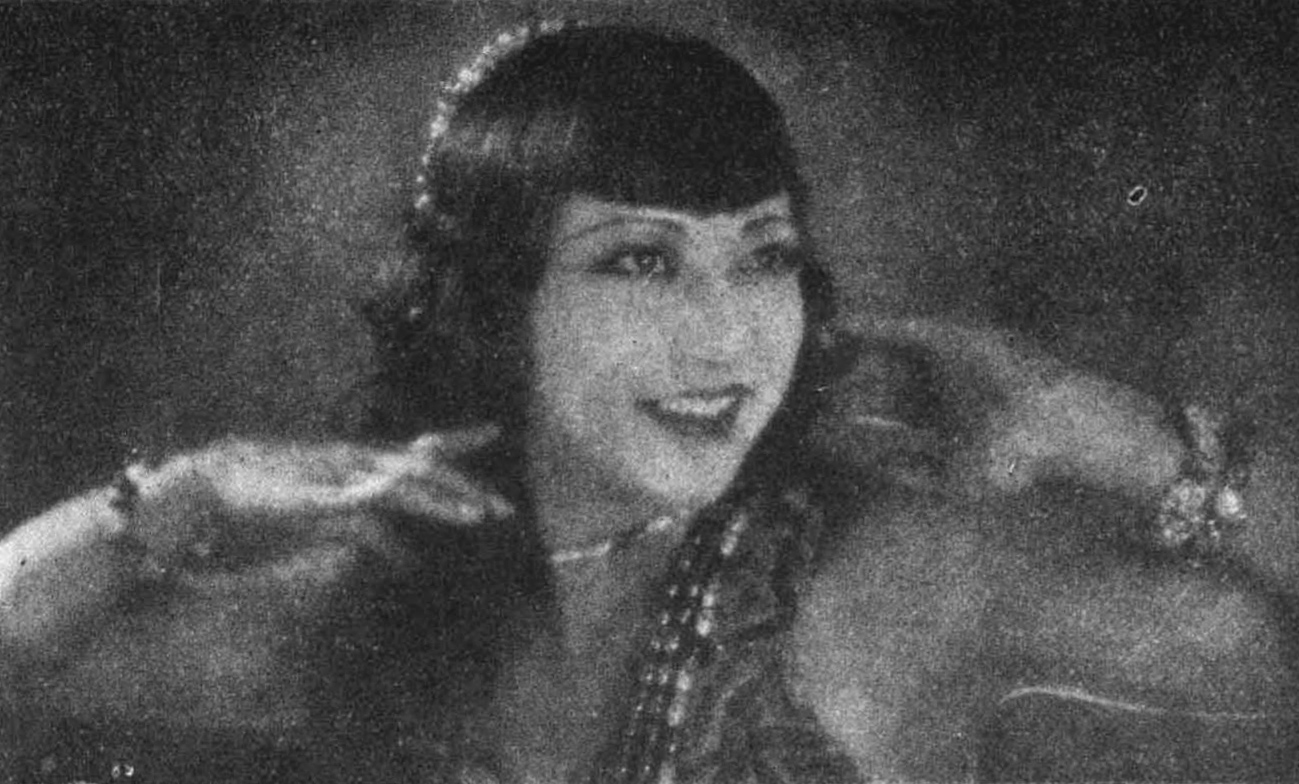
The Oscar for the best story of 1953 went to a man who did not write it. Roman Holiday, the romantic comedy that made Audrey Hepburn a star, was the work of Dalton Trumbo, and Trumbo was not allowed to put his name on it. Six years earlier, on November 25, 1947, Hollywood's studio bosses had met at New York's Waldorf-Astoria hotel and locked him out of the business.
That meeting produced the Waldorf Statement, the announcement that launched the first systematic Hollywood blacklist, as Wikipedia's history of the ban dates it. The statement is 79 years old today.
What happened at the Waldorf-Astoria
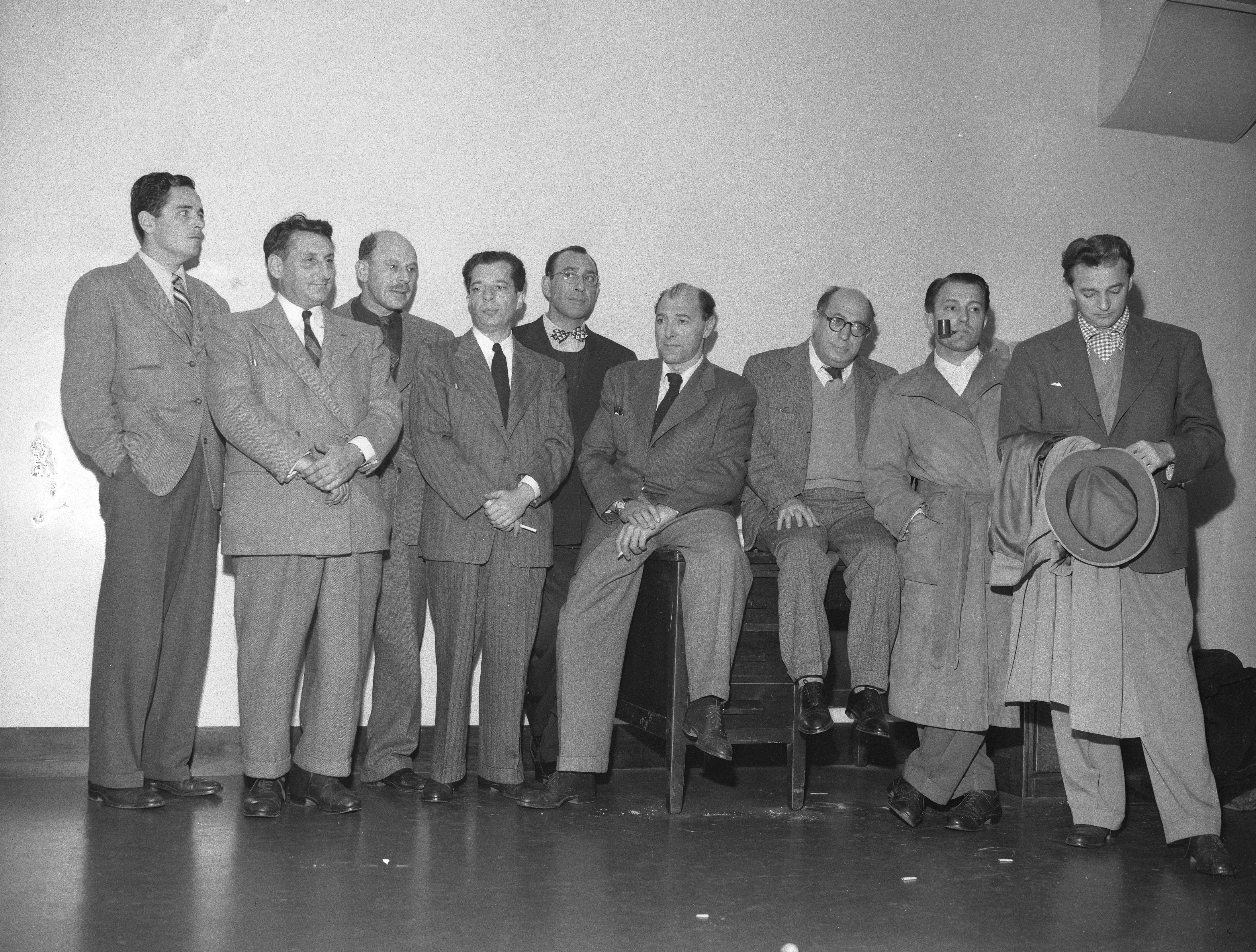
The trigger came one day earlier. On November 24, 1947, the House of Representatives voted 346 to 17 to cite ten screenwriters and directors for contempt of Congress, after they refused to answer the House Un-American Activities Committee's questions about Communist ties. The group soon had a nickname, the Hollywood Ten. Trumbo was the best paid of them; the others included Ring Lardner Jr., Edward Dmytryk, John Howard Lawson and Albert Maltz.
The next day, close to 50 film executives gathered at the Manhattan hotel. Eric Johnston, president of the Motion Picture Association of America, then put out the statement. Its terms were blunt: all ten were out, either fired or suspended with no pay, and none could come back until the contempt charges were cleared and he had sworn under oath that he was no Communist. The studios added a pledge that "thereafter no Communists or other subversives would 'knowingly' be employed in Hollywood."
Johnston had already told the committee he would never "employ any proven or admitted Communist because they are just a disruptive force, and I don't want them around."
From ten names to hundreds
Ten names soon became hundreds. Every one of the Ten was found guilty in early 1948, and when the Supreme Court declined to hear their appeals they began prison terms in 1950. That June a booklet titled Red Channels branded 151 radio and TV professionals as sympathizers, and the bans spread. The contempt charge alone carried up to a year in jail and a $1,000 fine, roughly $13,400 today by Wikipedia's estimate.
Trumbo spent eleven months in a federal prison in Ashland, Kentucky, and never pretended to be sorry. "As far as I was concerned, it was a completely just verdict. I had contempt for that Congress and have had contempt for it ever since," he said in the 1976 documentary Hollywood on Trial, as Trumbo's Wikipedia biography records.
The secret Oscars
Here is the twist. Shut out, Trumbo kept writing in secret, under invented names or behind friends who lent him theirs. He moved his family to Mexico City and churned out scripts for low-budget studios, recalling an average fee of about $1,750 a picture.
His Roman Holiday story was credited to the writer Ian McLellan Hunter, who served as his front, so the Oscar went to Hunter. Then Trumbo pulled it off a second time: The Brave One took the best story Oscar for 1956 under the name Robert Rich, borrowed from a nephew of the producers. Roman Holiday's awards record on Wikipedia now lists the win under Trumbo's name.
The wall cracked in 1960, when Otto Preminger openly credited Trumbo on Exodus and Kirk Douglas revealed he had written Spartacus. The Academy handed Trumbo a statuette for The Brave One in 1975. The Roman Holiday Oscar reached his family only in 1993, 17 years after his death, and a new statue had to be made because Hunter's son refused to give up his father's, according to the same biography. The Writers Guild restored Trumbo's full screen credit on December 19, 2011, a correction the blacklist history puts at almost sixty years after the fact.
Badiyaa has dug into other Hollywood rule-bending from the era, including how Hitchcock beat the Hays Code's kissing limit in Notorious, and the chemistry behind Audrey Hepburn and Cary Grant's Charade, the Hepburn romance that came ten years after Roman Holiday.
Sources
- Hollywood blacklist, Wikipedia, 2026
- Dalton Trumbo, Wikipedia, 2026
- Roman Holiday, Wikipedia, 2026
Image: UCLA Library Digital Collections, CC BY 4.0 via Wikimedia Commons
This article was produced with AI assistance and reviewed by our Editorial Desk. How we work.