Four hydrogen atoms were the test case. Researchers at the University of Osaka have wired the campus supercomputer OCTOPUS to the university’s own superconducting quantum computers, and in a first trial the pair solved the energy of a four-hydrogen system together, getting the same ground-state answer as a standard classical calculation.
The university announced the platform, called SEAFOOD, on November 10, 2026, and describes it as the first time in Japan that a domestically developed quantum computer has been joined to a supercomputer installed at the same university. It is scheduled to start operating in December.
How the two machines split the work
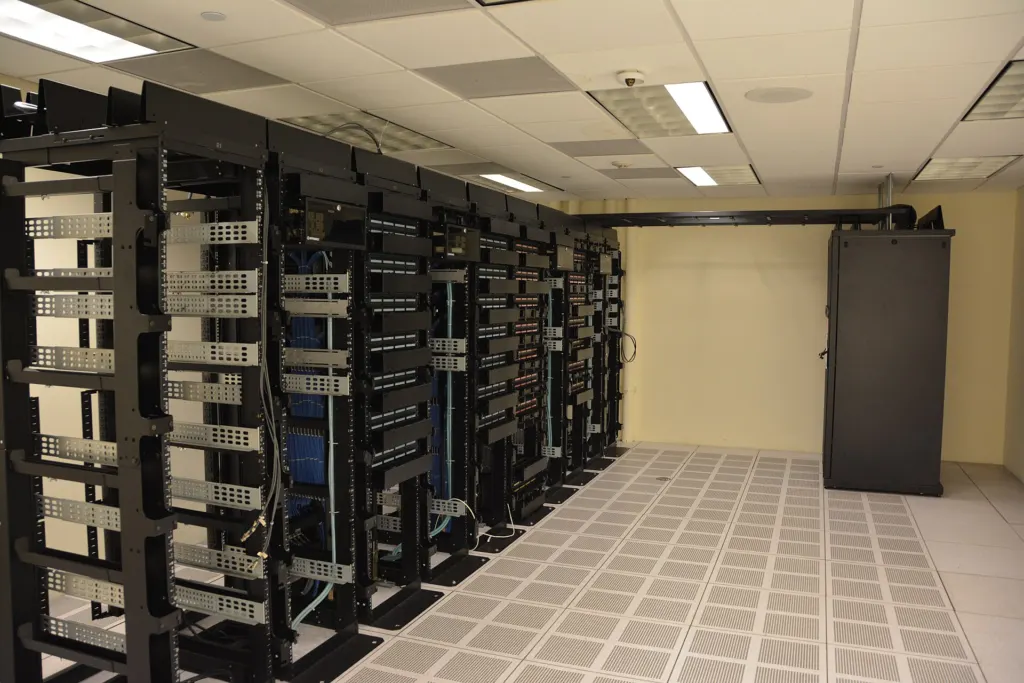
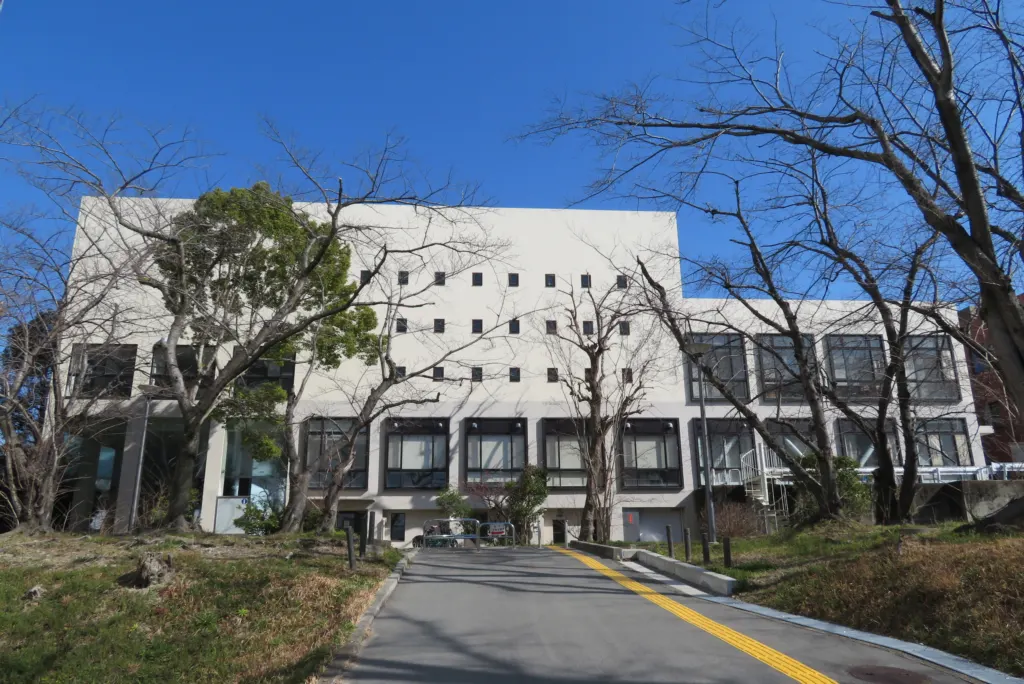
The link runs between two groups on separate campuses: the D3 Center, which operates OCTOPUS, and the Center for Quantum Information and Quantum Biology (QIQB), which builds and runs the quantum machines. A researcher logs in to OCTOPUS as usual and submits a job. When that job reaches a step meant for quantum hardware, it sends a quantum circuit through OQTOPUS, an open-source control system the university released with partners in March 2025, and the measurement results flow back to the supercomputer.
The demonstration used a method called quantum-selected configuration interaction, or QSCI. In plain terms, chemists describe a molecule’s electrons as a mix of many possible arrangements, called configurations. Tracking every one of them takes so much processor time and memory that the classical version of the method only works for small molecules. In QSCI, the quantum computer, here QIQB’s machine named Urchin, is used to pick out the arrangements that matter most. The supercomputer then does the heavy matrix arithmetic on that shortlist to get the energy.
Neither machine does everything. Today’s quantum chips have few qubits and make errors, so they handle only the narrow sampling step, while the classical computer does the bulk of the number crunching it is already good at.
Why chemistry is the target
How electrons interact decides whether a candidate battery material holds charge or a drug molecule binds to its target, and those calculations strain even large supercomputers. The university’s release names materials design and drug discovery as the fields that could benefit. A four-atom hydrogen test is a long way from a real drug molecule, and the release does not claim any speedup over classical methods, only that the combined workflow ran end to end and matched the reference result.
“SEAFOOD is not simply a connection between a quantum computer and a supercomputer,” said Professor Susumu Date of the D3 Center, who leads the work with Associate Professor Hiroshi Ueda of QIQB. He called it “a new kind of research computing infrastructure.”
The timeline from here
The project sits on a short runway of dates:
- March 2025: OQTOPUS released as open-source software on GitHub by the university, Fujitsu, SEC and TIS.
- November 10, 2026: SEAFOOD announced with the hydrogen demonstration.
- December 2026: the platform begins operating.
- Fiscal 2027 (April 2027 to March 2028 in Japan): selected University of Osaka research teams get trial access through the D3 Center’s proposal-based program.
Because the software and interfaces are open, the team says other institutions could copy the setup. Big physics hardware keeps turning up in our coverage, from the niobium-tin magnets for CERN’s next proton accelerator upgrade to Huawei’s all-Chinese Qingyun desktop; more is on our Tech page.
The work was funded in part by Japan’s Moonshot Goal 6 program, which targets a fault-tolerant universal quantum computer by 2050.
Further reading
Illustrative image. Image: KishujiRapid, CC BY-SA 4.0 via Wikimedia Commons
This article was produced with AI assistance and reviewed by our Editorial Desk. How we work.