Huawei says it has built a desktop computer in which every component comes from China. The product page for its new Qingyun HM650 calls the tower the industry’s first desktop with a 100% domestic component rate, and lists the chip, memory, storage drive, power supply and Wi-Fi among the parts covered by that claim.
The machine went on sale on October 15, 2026, according to a Huawei support notice. It is a business product rather than a shop-shelf PC: Huawei tells interested buyers in China to contact its local government and enterprise sales agents.
What is inside the Qingyun HM650
At its core sits the Kirin X90, a processor from Huawei’s in-house chip designer HiSilicon. Huawei’s list of selling points says the chip holds a steady 40 watts and is cooled from both faces to keep fan noise low. The tower runs an enterprise edition of HarmonyOS, Huawei’s own operating system, so there is no Windows and no Intel or AMD processor anywhere in the box.
The published specifications are modest and plainly aimed at offices:
- Size: 293 mm tall, 93 mm wide and 315.5 mm deep, at about 3.6 kg (roughly 7.9 pounds)
- Memory: LPDDR5
- Storage: one solid-state drive, with a hard disk on some versions and an optional DVD burner
- Power: a 180-watt supply
- Ports: one USB-C and three USB-A up front; four more USB-A, gigabit Ethernet, HDMI and DisplayPort at the back
Huawei adds that it designed the Wi-Fi chip itself, pairing it with antennas it brands MetaLine 2.0 on the configurations that ship with wireless. Its lab figures also claim a memory-compression feature called HyperSpace Memory lets 40% more large files stay open at once than on its older HM740 model, and that the Xiaoyi assistant can call on more than 2,300 skills for office chores such as drafting weekly reports.
What “100% Chinese” means on paper
The headline claim carries a footnote. Huawei defines domestic as components produced in China, and says an inspection firm in Zhejiang province tested the machine and certified a 100% localization rate for its parts. The page does not name the factories that supplied its memory or storage.
That detail matters. For decades, “made in China” has mostly described where gadgets are screwed together, while memory, storage and processors were often sourced from Taiwan, South Korea, Japan or the US. Those are exactly the categories Huawei now lists on its certificate, which is why the claim is drawing attention well beyond China.
Memory has become a pressure point across the whole industry, too; we looked at why memory chips are making iPhones more expensive last month.
How Huawei got here
2020: New US rules required licenses for suppliers using American technology to sell to HiSilicon, and Huawei said it would stop producing Kirin chips from September 15 that year.
2023: Huawei announced the Kirin 9000S, its first chip fabricated entirely in mainland China, inside the Mate 60 phones.
2025: The Kirin X90 family arrived in Huawei’s MateBook and MatePad computers, after US bans on Intel and Qualcomm chip sales to the company in May 2024.
October 2026: The HM650 takes the X90 from laptops and tablets into a full office desktop, with Huawei calling it the first HarmonyOS desktop.
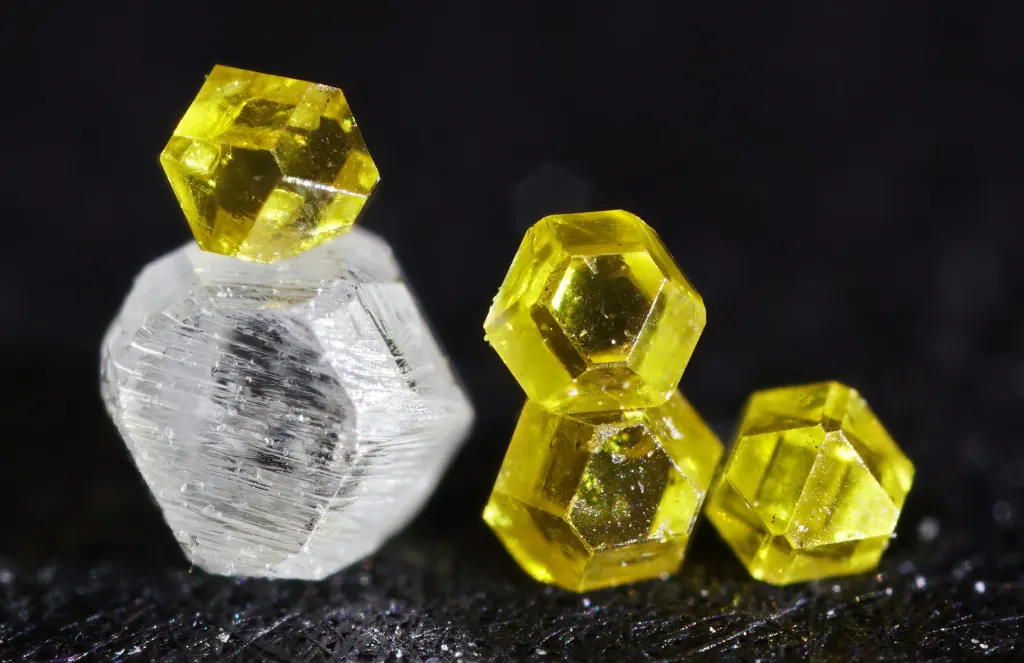
The race to control every layer of a chip is not limited to China. Materials makers are chasing it as well, as with Diamond Foundry’s 200 mm single-crystal diamond, grown as wide as a standard wafer.
Buyers of the HM650 get a three-year, 24-hour support line and nationwide warranty cover through more than 3,200 Huawei-authorized service centers in over 300 Chinese cities, excluding Hong Kong, Macau and Taiwan.
Further reading
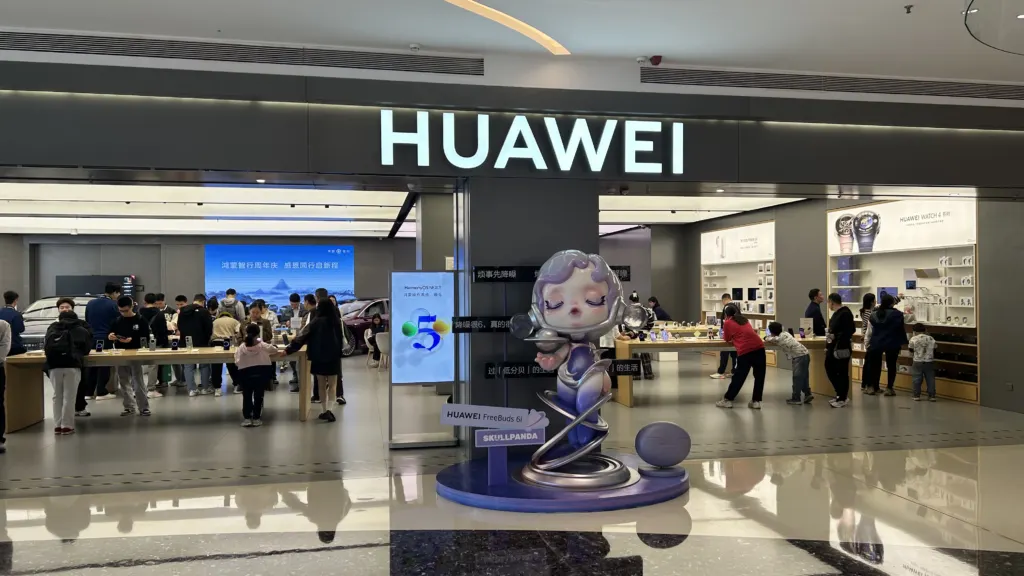
Illustrative image. Image: 茅野ふたば, CC BY 4.0 via Wikimedia Commons
This article was produced with AI assistance and reviewed by our Editorial Desk. How we work.