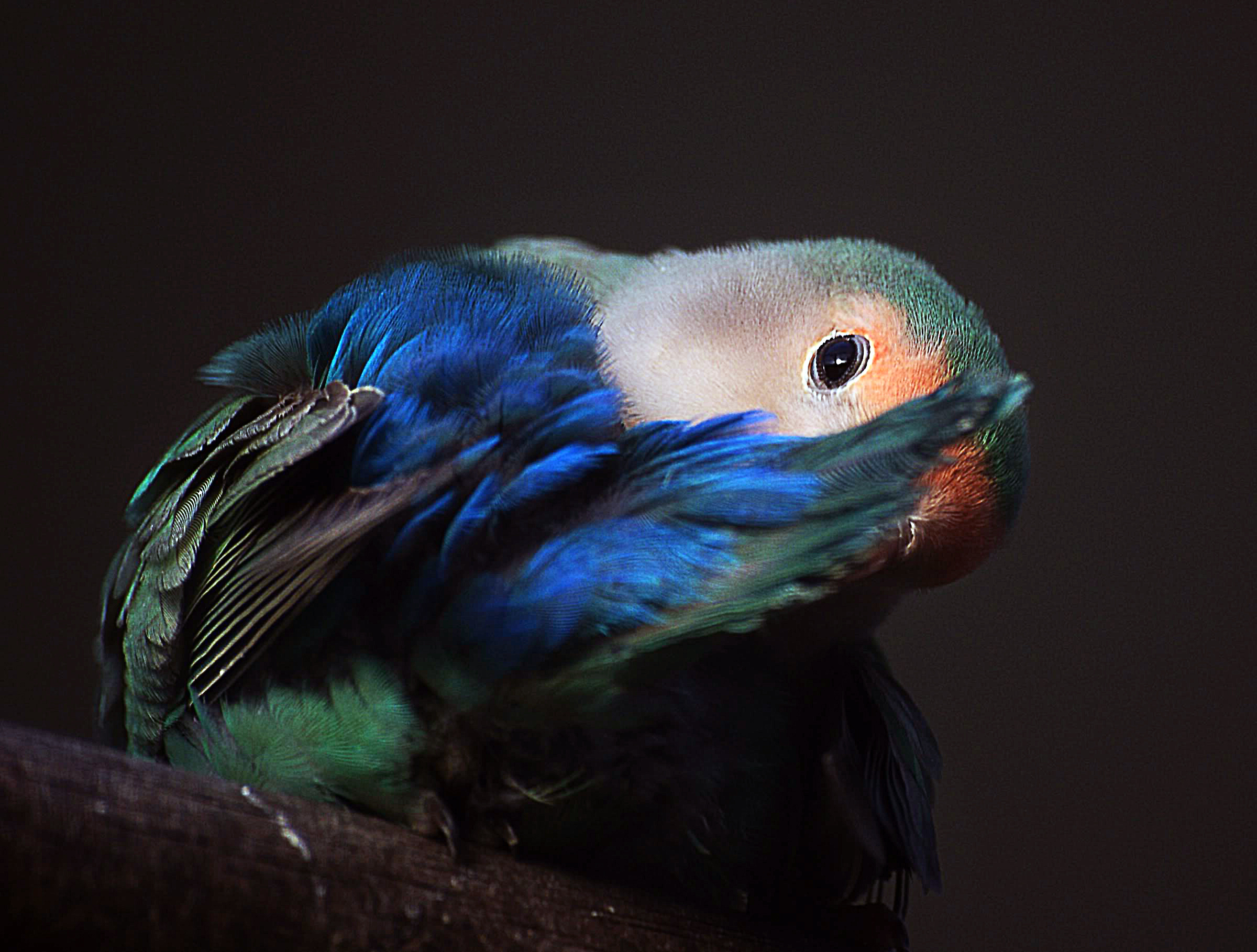
Some of the most romantic birds in America are runaways. Rosy-faced lovebirds, a small African parrot sold in pet shops for decades, now live wild across metropolitan Phoenix, where escaped birds have formed flocks that nest in cacti, raid backyard feeders and, on the hottest days, crowd onto air conditioner vents to keep cool.
Arizona summers regularly push past 40°C (104°F), and the feral lovebirds have been seen perching in large numbers on those vents, according to Wikipedia's rosy-faced lovebird entry. The species is native to dry country in Namibia, Angola and northwest South Africa, so a desert city suits it better than you might think.
How a pet-shop parrot went wild in the desert
The Arizona colony traces back to birds that escaped the pet trade. They were first spotted in the state in the 1980s, and the first breeding pair was found in 1998, notes the Wikipedia article on the lovebird genus. Today the birds use a mix of urban and rural habitats around Phoenix. Feral colonies have also taken hold on Maui and the Big Island of Hawaii, while sightings in Puerto Rico are probably escaped pets, with no breeding recorded.
The pair bond behind the name
Lovebirds earned their name honestly. The genus name, Agapornis, joins the Ancient Greek words for "love" and "bird," and the common name comes from the strong, monogamous bonds pairs form and the long stretches they spend sitting together.
Rosy-faced lovebirds are famous for one especially cozy habit: pairs sleep side by side with their faces turned in toward each other. Partners also look alike, since males and females share identical plumage, so you cannot tell a pair apart at a glance.
Here is the rest of their quick profile:
- Size: about 17 to 18 centimeters (roughly 7 inches) long, among the smallest parrots.
- Look: mostly green with a blue rump and a pink face and throat.
- Family life: 4 to 6 eggs, incubated for about 23 days; chicks fledge after about 43 days.
- Lifespan: 10 to 12 years on average across the genus.
Nest-building with a twist
Females are the builders, and they have a strange way of moving supplies. A rosy-faced hen tears material into long strips, tucks them into the feathers on her back and rump, and flies them back to the nest, sometimes over substantial distances. In the wild, nests go into rock crevices, the giant communal nests of sociable weavers or even the roofs of houses.
They are clever, too. As the species profile records, rosy-faced lovebirds were the first species in the parrot family Psittacidae to pass the mirror mark test, a sign they can recognize their own reflection.
Why owners are told to keep them in pairs
That social wiring is why rosy-faced lovebirds are among the most common parrots kept as pets, and why they do best in pairs. The same source warns they can turn aggressive, bond tightly to a single person or bird and clash with other pets, so a lovebird's devotion can come with a jealous streak.
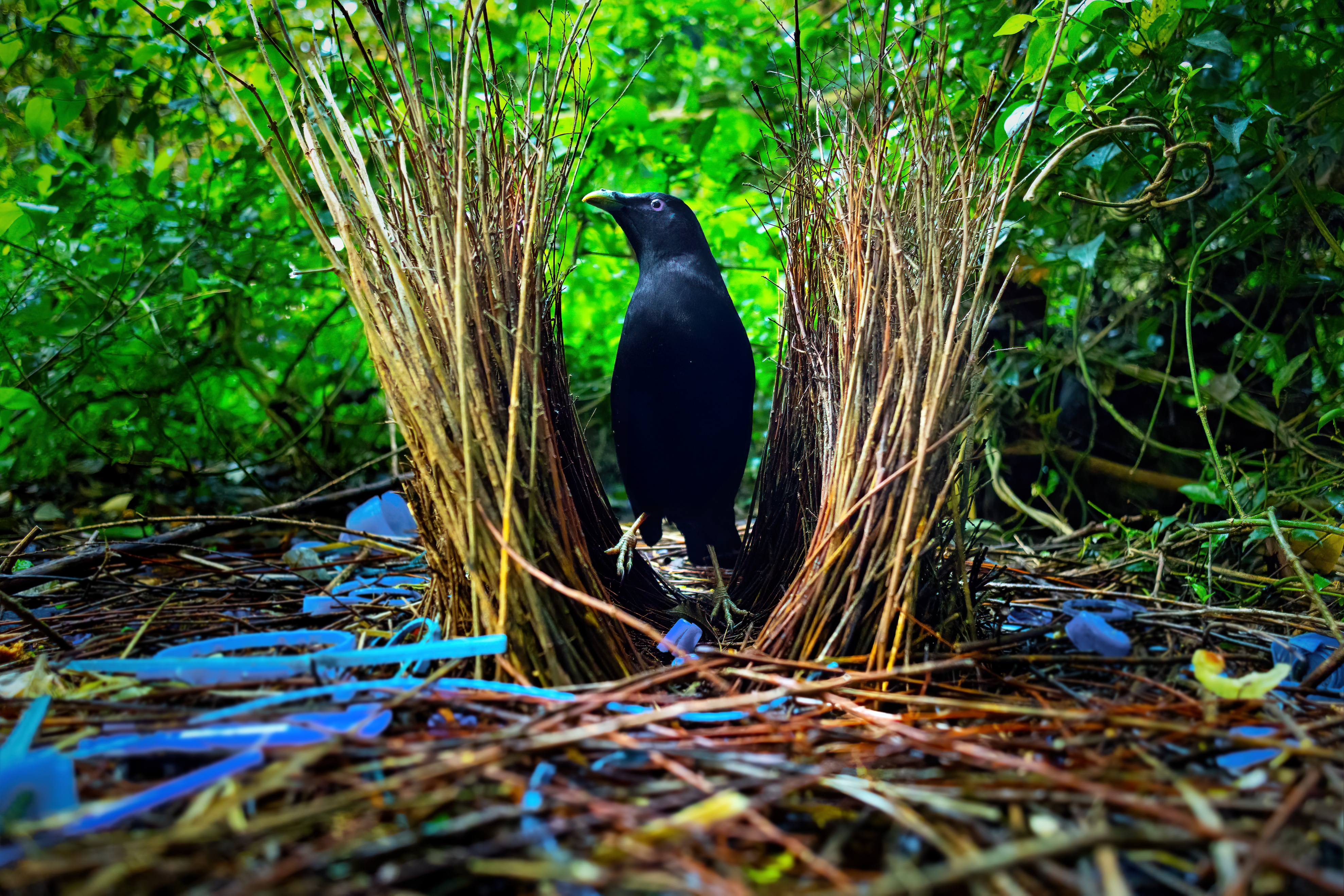
Their colors are part of the appeal. The genus now comes in about 30 known plumage color variations, produced by pigments called psittacofulvins, the same red and yellow parrot pigments Badiyaa covered in a study of how psittacofulvin feathers resist bacteria. For more bird romance, see how bowerbirds woo mates with decorated love nests, or meet Apollo, the African grey parrot who names objects.
Sources
- Rosy-faced lovebird, Wikipedia, 2026
- Lovebird, Wikipedia, 2026
Image: Bernard Spragg. NZ from Christchurch, New Zealand, CC0 via Wikimedia Commons
This article was produced with AI assistance and reviewed by our Editorial Desk. How we work.