The treasure Josh Gates digs up in the clip now spreading on YouTube is small enough to fit in a pocket: one Mexican silver coin dated 1861, plus the padlock from a period strongbox, pulled from the ground in rural Georgia. The legend it belongs to is a lot bigger, and the paper trail behind that legend is stranger than the TV version.
The nine-and-a-half-minute segment, posted by Discovery UK on Saturday, October 31, had passed 70,000 views within two days. It comes from the Expedition Unknown episode “Chasing Civil War Gold”, which aired in the United States on August 12, 2026 and follows Gates and a crew of metal detectorists hunting for coins from the Confederate treasury that Jefferson Davis carried south in the spring of 1865.
What actually left Richmond
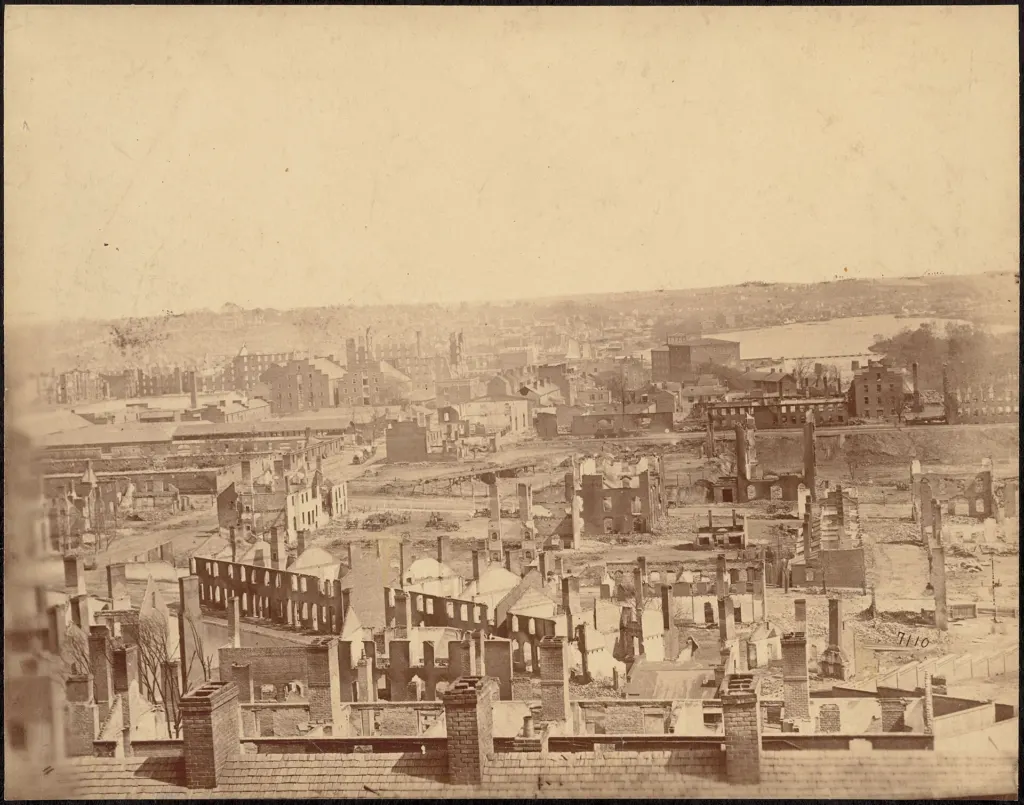
Here is the documented part. On April 3, 1865, with Ulysses S. Grant’s army about to take Richmond, Davis and his cabinet fled the Confederate capital by train. They took the treasury with them. The historical record puts its hard-money value at about $528,000 in gold and silver bullion, some of it in Mexican silver coin, which is why an 1861 Mexican piece turning up in a Georgia field is the kind of find that makes a treasure hunter’s heart race.
Union commanders believed the haul was far larger. On April 26, 1865, General Henry Halleck, chief of staff of the Union armies, wrote that Richmond bankers estimated the specie moving south in wagons at “from six to thirteen millions”, and he ordered Generals Wilson and Canby to intercept the fleeing Confederate leaders and whatever wealth they carried.
The trouble with a treasury on the run is that it has to be spent. Davis handed money to General Joseph E. Johnston to pay his troops at Greensboro, North Carolina, deposited some with banks for safekeeping, and paid out the rest to the cavalrymen of Joseph Wheeler’s escort before dismissing them. When Union troops captured Davis at Irwinville, Georgia, on May 10, 1865, he had nothing on him.
The Georgia connection
Davis held his final cabinet meeting on May 5, 1865, in Washington, Georgia, a small Wilkes County town that still calls the lost Confederate gold its most lingering mystery. As the last recorded stop of what remained of the treasury, the Washington area is where treasure hunters have long assumed any buried remainder would be. The sum unaccounted for there was roughly $100,000 in 1865 money, around $3.6 million at 2016 prices.
That is the first thing to notice about the television hunt: the “lost treasure” is not a vault of millions but, at most, a cash balance of about $100,000 that may never have been buried at all. Every dollar paid to a soldier, a banker or an escort rider was a dollar that left the legend.
The timeline Badiyaa assembled from the record runs like this: April 3, the treasury leaves Richmond by train; April 26, Halleck’s dispatch sets Union cavalry after it; May 5, the last cabinet meeting in Washington, Georgia; May 10, Davis captured with empty pockets. Five weeks, from capital to capture, is the entire life of the lost Confederate gold.
The story has older roots, too. In 1862, with New Orleans about to fall, Confederate authorities shipped millions of dollars of gold to the Iron Bank in Columbus, Georgia. That October, General P. G. T. Beauregard was ordered to seize it, and the banker who held it, William H. Young, gave it up only under force. Beauregard’s own biographer later wrote that what became of that coin was a mystery.
What the clip shows, and what it does not
Judged on its own terms, the segment is honest about its scale. Gates and his partners find an authentic 1861 Mexican silver coin and a padlock of the kind used on a strongbox. Both are consistent with a treasury that included Mexican silver and traveled in locked chests. Neither proves that a hoard was buried where they are digging, and the clip does not claim otherwise.
The weaker part is the framing. A single coin in Georgia soil could have arrived in a soldier’s pay, a merchant’s till or a traveler’s pocket at any point in the 1860s; Mexican silver circulated widely in the South before and during the war. A strongbox padlock says a box was once there, not what was in it. The entertainment value comes from the edit, which stacks the finds against the “160-year-old mystery” music cue.
There is also a quirk worth knowing if you go looking for the full episode. Discovery UK’s description files the clip under a different season and episode number from the US listing, because the show’s seasons are packaged differently for British television. Search by the title “Chasing Civil War Gold” rather than the number.
For anyone tempted to grab a detector and head for Wilkes County, one more documented figure sets expectations: the Confederate treasury’s hard money was $528,000 when it left Richmond on April 3, 1865, and the man carrying it was penniless 37 days later.
Further reading
Image: Alexander Gardner, Public domain via Wikimedia Commons
This article was produced with AI assistance and reviewed by our Editorial Desk. How we work.