Old mice bred without a single immune protein, granzyme K, showed markedly less age-related damage in their kidneys and livers than ordinary old mice, even though their immune systems aged just as much. The finding, from researchers at Monash University in Melbourne, Australia, suggests organ aging and immune aging can be pulled apart.
The study, led by immunologist Nicole La Gruta of the Monash Biomedicine Discovery Institute with 23 co-authors, appeared online on November 12, 2026, in the journal Immunity under the title “Granzyme K is a driver of age-related tissue remodeling and functional decline independently of age-associated immune dysfunction.”
What granzyme K normally does
Granzymes are protein-cutting enzymes stored inside killer T cells and natural killer cells, the immune cells that destroy infected or cancerous cells. They were first described in 1986. Granzyme K is one of five human versions, and it rises sharply in a type of aged memory T cell called CD8+, the cells that remember past infections.
That rise had made granzyme K a suspect in “inflammaging,” the low-grade, long-running inflammation that builds with age and is linked to tissue decline. Until now its actual role in organ damage was unclear.
How the Monash team tested young and old mice
The researchers compared young and aged normal mice with young and aged mice engineered to lack the gene for granzyme K from birth, known as knockout mice.
The results split cleanly in two. On the immune side, nothing much changed: the knockout mice still showed the major hallmarks of an aging immune system, including worn-out T cells. On the organ side, the difference was large. The abstract says lacking the protein “markedly attenuated organ aging, effectively uncoupling immune and tissue aging.”
The mechanism differed by organ. In the kidney, the knockout mice had less buildup of complement, a set of blood proteins that tag tissue for immune attack, and their filtering units did not swell as much with age. In the liver, function was better and scarring, or fibrosis, was lower, but this happened without any change in complement. Instead, the liver showed more of a protective protein called decorin and less of a signal, TGF-beta, that drives scarring. Monash’s announcement also reports better heart function and less heart scarring in the knockout animals.
The team also checked human data and found raised granzyme K levels in people with some inflammatory and scarring conditions, including lupus nephritis, a kidney complication of lupus, and heart failure. That is a correlation, not proof the protein causes those conditions.
In plain terms: the old knockout mice carried an old immune system inside organs that looked younger, which is the opposite of what a single shared inflammaging switch would predict.
Why this is still early mouse work
This is one study, in mice, and the evidence should be weighed that way. The animals lacked granzyme K for their whole lives, which is very different from blocking it in middle or old age. The authors also conclude that the protein drives tissue aging “but not immune aging or systemic inflammaging,” so it is not a master switch for aging as a whole. Nothing here is a treatment, and no drug that targets granzyme K has been tested for this purpose.
Badiyaa’s Science section follows research like this as it moves from mice toward people, and our history desk has profiled Charles Richet, who won the 1913 Nobel Prize for discovering anaphylaxis, an early milestone in immunology.
According to Monash, the team’s next step is finding ways to block granzyme K selectively in living animals, to test whether switching it off later in life gives the same organ protection.
Further reading
- Wikipedia: Granzyme
- Immunity (2026): Granzyme K is a driver of age-related tissue remodeling (PubMed)
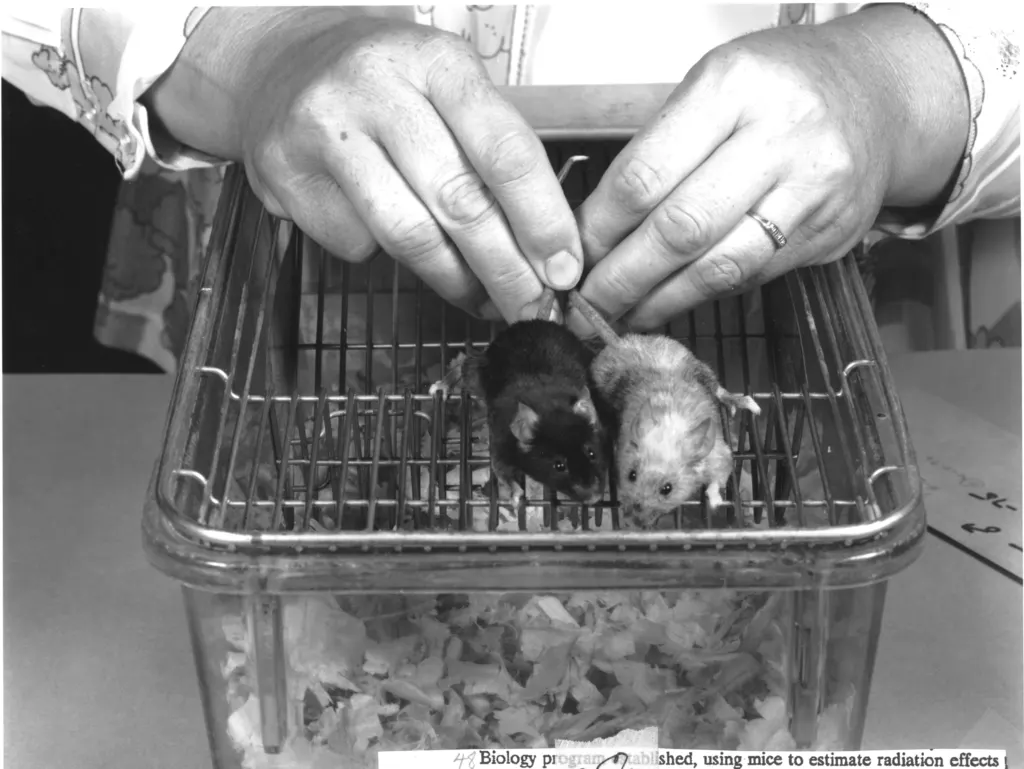
Image: Oak Ridge National Laboratory, CC BY 2.0 via Wikimedia Commons
This article was produced with AI assistance and reviewed by our Editorial Desk. How we work.