Friendsgiving, the potluck Thanksgiving with friends instead of family, is a young word: its first known use dates to 2007, and it took until 2020 to earn a place in a major American dictionary. The Wikipedia article on Friendsgiving traces that first use to an informal meal mentioned online in 2007.
The word is a blend, or portmanteau, of “friends” and “Thanksgiving.” Wiktionary’s entry for Friendsgiving defines it as a Thanksgiving feast held by and for someone’s friends and files it with other English blends, noting it was popularized in the 2010s.
An old habit with a new name
People were sharing Thanksgiving with friends long before anyone had a word for it. In the mid-1960s Alice Brock and her husband Ray hosted Thanksgiving dinners for friends, many of them estranged from their own families. Arlo Guthrie attended one in 1965, and those dinners partly inspired his song “Alice’s Restaurant,” which has become a holiday tradition of its own.
Television got there too. A Charlie Brown Thanksgiving, first aired in 1973, centers on a holiday meal among friends that looks a lot like what would later be called Friendsgiving.
How the word spread
The timeline below pulls together the dated milestones from the dictionary and encyclopedia records.
- 2007: first recorded use of “Friendsgiving,” for an informal meal.
- 2011: the term takes off; a November 2011 magazine piece quoted on Wiktionary pitches “the joy of a ‘Friendsgiving'” for people far from home.
- 2012: Google searches for the word, rare before this point, start to climb.
- 2013: the Emily Post Institute begins fielding etiquette questions about it, and searches become regular each November.
- 2020: the word enters the Merriam-Webster dictionary.
That is 13 years from first sighting to dictionary entry, a fast climb for a holiday word. Its spread tracks with a shift in what the meal means. Early Friendsgivings replaced a family dinner for people who could not or would not go home; later they became an extra party, usually held in the days before Thanksgiving, with the family meal still to come.
Who celebrates it
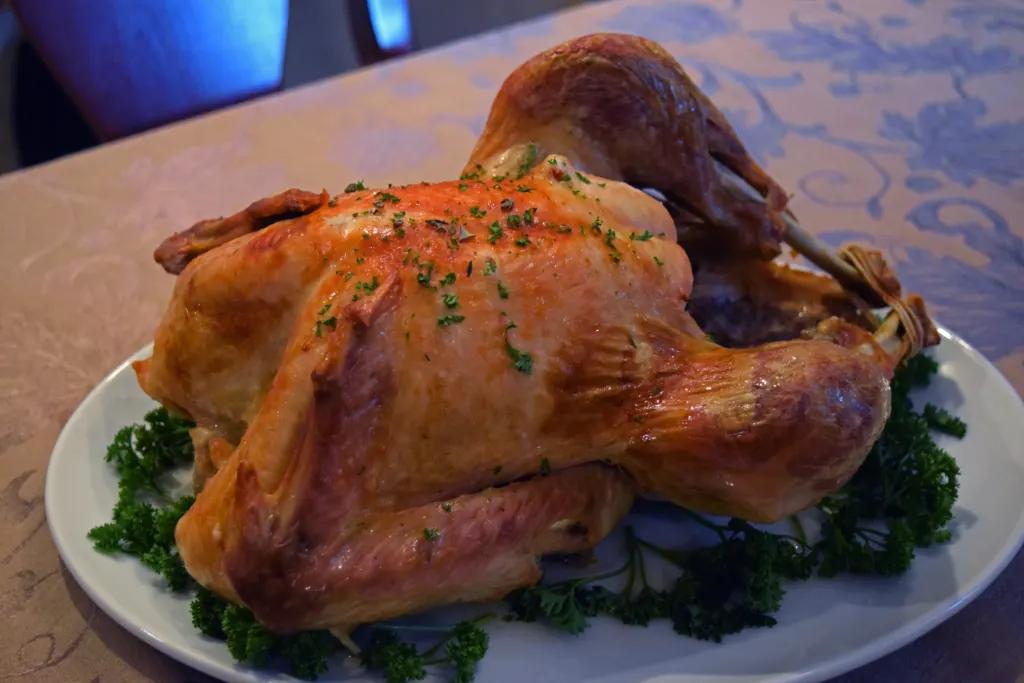
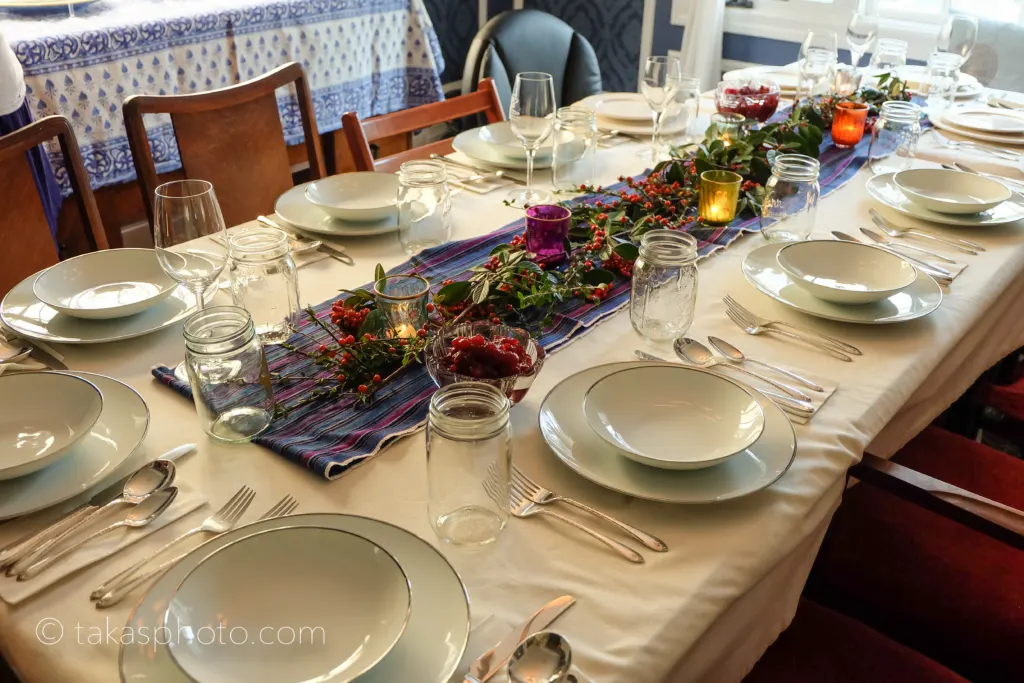
The meal is typically potluck, with each guest bringing a dish, and some hosts use it to test recipes before the main event. It is most common among young adults and in cities full of people who have moved away from home, and it has particular meaning in the LGBTQ+ community, where many people have strained ties with their families. Coworkers often hold their own version as an office potluck.
The idea has traveled, too. It reached the United Kingdom in the 2020s, where Thanksgiving is not a public holiday, and one survey cited by Wikipedia found 42 percent of British millennials and Gen Z adults had taken part in a Thanksgiving or Friendsgiving meal.
Planning a menu? Our stories on the 1955 invention of green bean casserole and the first Macy’s parade balloons in 1927 fill in the rest of the holiday. Most Friendsgivings this year will land on the weekend of November 21 and 22, before US Thanksgiving on Thursday, November 26.
Sources
- Friendsgiving, Wikipedia, 2026
- Friendsgiving, Wiktionary, 2026
Image: takasphoto.com, CC BY-SA 2.0 via Wikimedia Commons
This article was produced with AI assistance and reviewed by our Editorial Desk. How we work.