One glove, three fabrics, zero seams. That is the pitch behind Kneadix, a prototype loom built at Cornell University that can weave, braid and make knit-like stitches in a single run, swapping techniques halfway through a piece of cloth.
The machine comes from a team led by François Guimbretère, a professor of information science in Cornell's Bowers College of Computing and Information Science. Doctoral student Shuhong Wang, the project's lead researcher, presented it on November 4, 2026, at the ACM Symposium on User Interface Software and Technology (UIST) in Detroit, where Cornell's announcement of the Kneadix loom says the paper won a Best Paper Award.
“Weaving is stable, knits stretch and braids contour easily,” Wang said in the university's release. “And sometimes people want a product with more than one textile technique.”
Why ordinary looms cannot do this
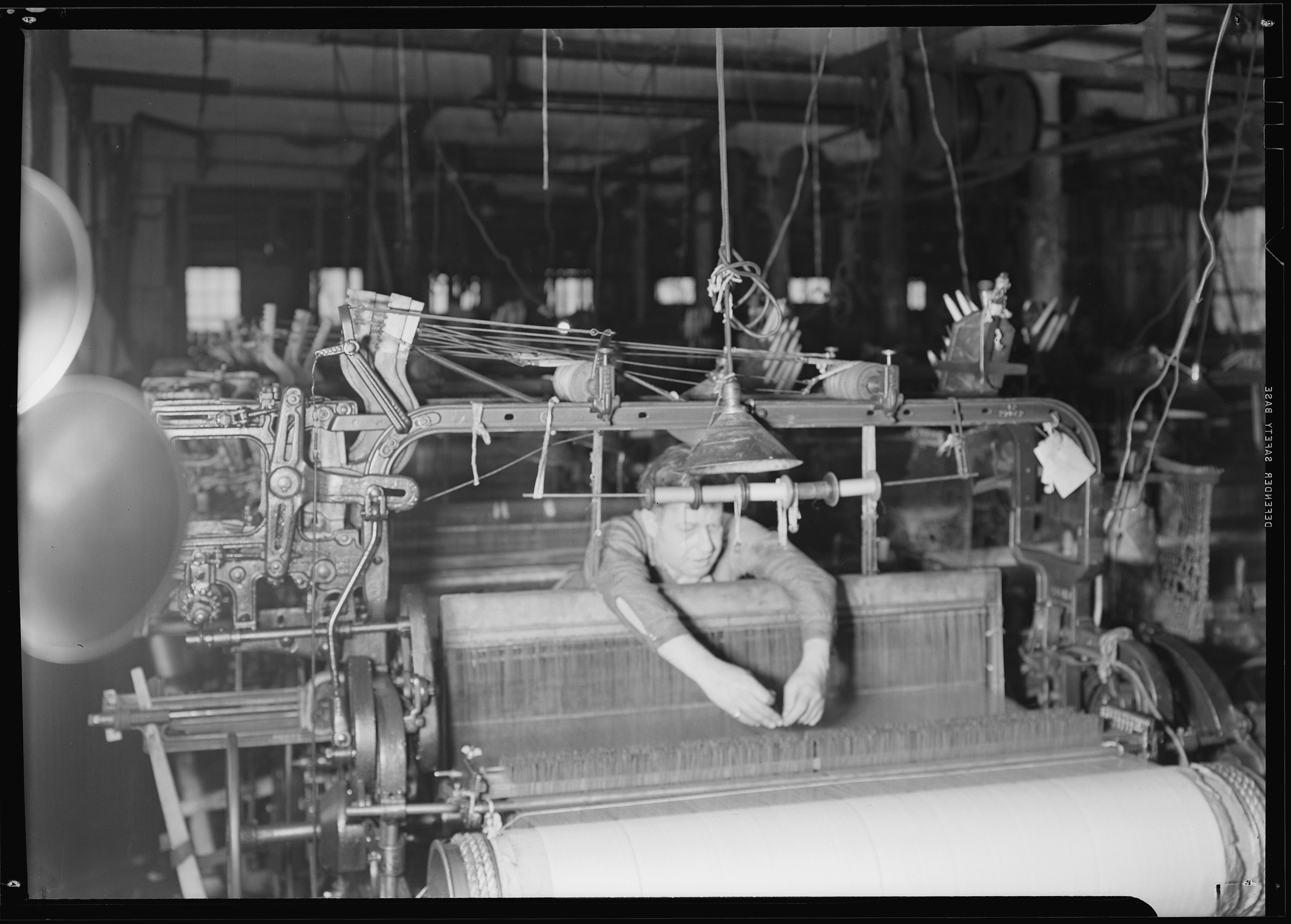
Every loom has the same basic job. As the reference entry on the loom explains, it holds the warp threads under tension so the weft can be passed over and under them, then battened tight. On a standard loom a part called the heddle keeps those two families of thread strictly separate. A warp thread stays a warp thread forever.
Braiding works differently. A braid, in the textile sense, is three or more strands zigzagging through one another, with every strand doing the same job, rather than two perpendicular sets of threads.
The Cornell group treated all three crafts as variations on one thing: twisting yarns around each other in a set order. Once you see them that way, a single machine can in principle do the lot.
How Kneadix swaps techniques mid-fabric
The trick is a bed of rotating hexagonal horn gears, the same parts that shuttle bobbins around inside industrial braiding machines. The gears hand yarn carriers to one another, so any yarn can switch between acting as warp and acting as weft partway through. That freedom lets the loom change technique on the fly and even shape curved edges.
Two other add-ons make it work:
- A retractable comb. It beats each weft pass into place, then gets out of the way, and the spacing of its teeth can be adjusted.
- Smart tensioners. Each yarn carrier has a sensor and a small motor that winds or unwinds the bobbin, keeping the thread from going slack and snagging or pulling so tight it distorts the pattern.
Guimbretère stressed that getting the tension right is everything: together with the friction between yarns, it is what holds the shape of the fabric as it grows.
From smart gloves to home studios
The researchers picture a glove with stretchy knit knuckles, a tough woven palm and a braided cuff that hugs the wrist, all made in one go. For smart clothing, wires could be laid along set paths while the fabric is being made, instead of being stitched in later.
It is not plug-and-play yet. Users write patterns with a library of Python modules and must track every yarn by hand. The team plans to automate that tracking, add a friendlier interface and, eventually, release the design as a kit with 3D-printing instructions so makers can build their own.
“This is something really revolutionary, not only for mass manufacturing, but also for artists in their personal studios,” said co-author Shengyuehui (Lily) Li. That is a big claim from someone who helped build it, and the first real test will be what crafters make once the kit is out.
An old machine with a computing past
Looms and computers have crossed paths before. Joseph Marie Jacquard's 1801 loom read its patterns from punched cards, the ancestor of the card readers early computers used, which is how a weaving machine ended up in the story of Ada Lovelace, the computing pioneer who also ran a doomed betting syndicate. For more engineering ideas from university labs, browse Badiyaa's Science section.
Sources
- “Kneadix loom combines weaving, knitting and braiding (news release)”, Cornell Chronicle, Cornell University, 2026
- “Loom”, Wikipedia, 2026
- “Braid”, Wikipedia, 2026
Image: Lewis Hine, Public domain via Wikimedia Commons
This article was produced with AI assistance and reviewed by our Editorial Desk. How we work.