She tried to beat the bookies with math. In 1851, Ada Lovelace, the woman often called the first computer programmer, formed a betting syndicate with male friends and built a mathematical model for winning big on horse races. It went disastrously wrong. She ended up thousands of pounds in debt and had to confess everything to her husband.
Lovelace died 174 years ago this week, on November 27, 1852, at just 36. Her life was far wilder than the tidy legend.
Lord Byron's only legitimate child
Born Augusta Ada Byron in London on December 10, 1815, she was the only legitimate child of the poet Lord Byron, who had hoped for a "glorious boy" and split from her mother when she was a month old. Her Wikipedia biography records that Byron left England for good when she was a baby and died when she was eight; she was not even shown his portrait until her 20th birthday.
Her mother, Lady Byron, drilled her in mathematics partly to stamp out any trace of her father's supposed madness, and had friends watch the teenager for signs of moral slipping. Ada called them "the Furies." It did not entirely work. In early 1833 she had an affair with a tutor and tried to elope with him, before the family hushed it up.
At 12 she had already decided she wanted to fly, studying bird anatomy and planning a book called Flyology.
The Enchantress of Number
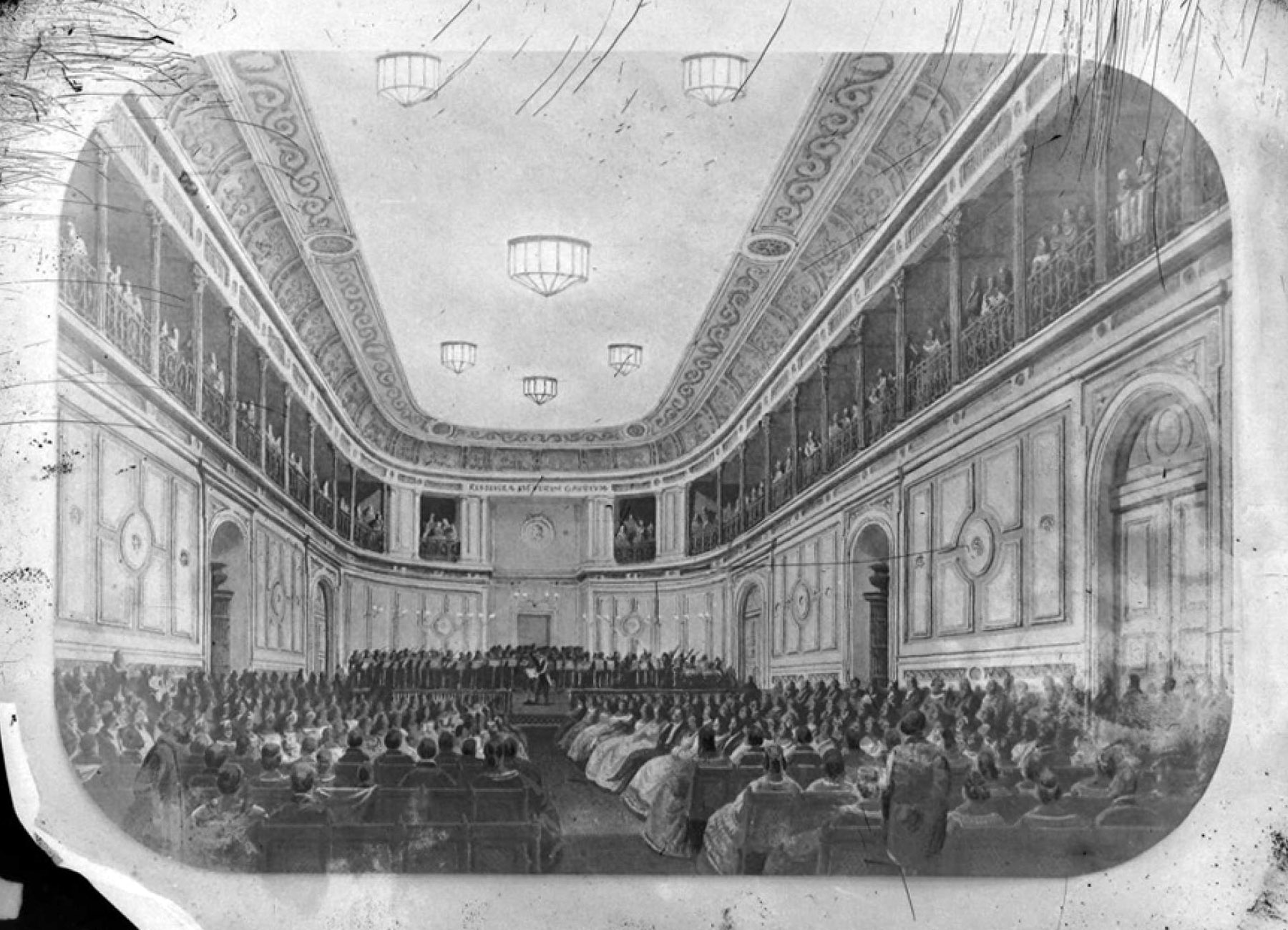
On June 5, 1833, aged 17, she met the inventor Charles Babbage at one of his famous Saturday evening soirées. Babbage's own biography credits him with bringing the scientific soirée to London from France. He was soon calling her "the Enchantress of Number."
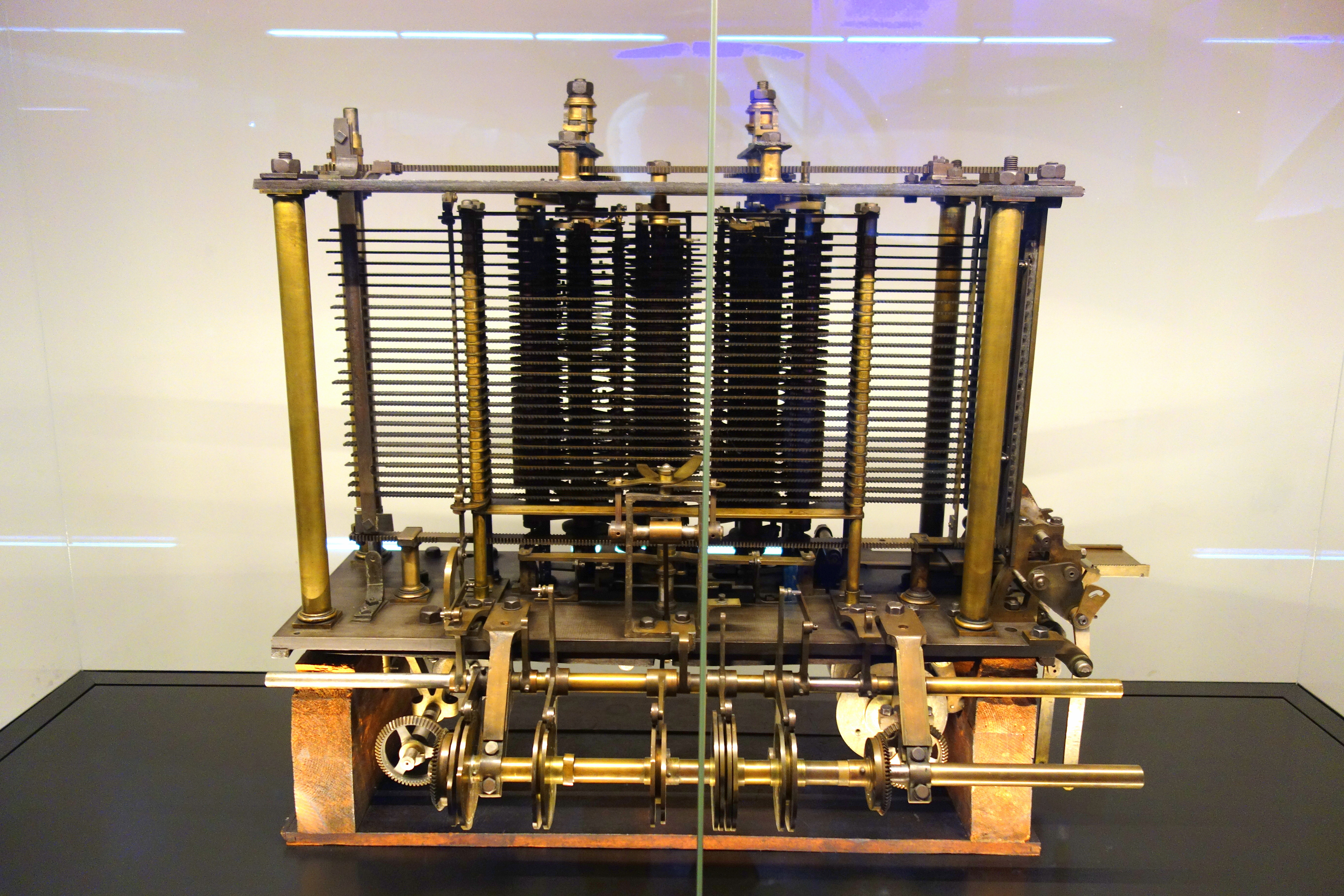
Babbage was designing the Analytical Engine, a steam-age machine with a memory for 1,000 numbers of 40 digits, fed by punched cards like a Jacquard silk loom. It was never built. In 1842 and 1843 Lovelace spent nine months translating an Italian engineer's French article about it, then added seven notes, A to G, roughly three times longer than the article itself. They appeared in September 1843 signed only "A.A.L."
Note G laid out step by step how the machine could calculate Bernoulli numbers, often called the first published computer program. Historians still argue over how much was Babbage's work. What nobody disputes is her leap of imagination. In her original notes, preserved on Wikisource, she wrote that the engine "weaves algebraical patterns just as the Jacquard-loom weaves flowers and leaves," and suggested it "might compose elaborate and scientific pieces of music of any degree of complexity or extent."
Countess, gambler, legend
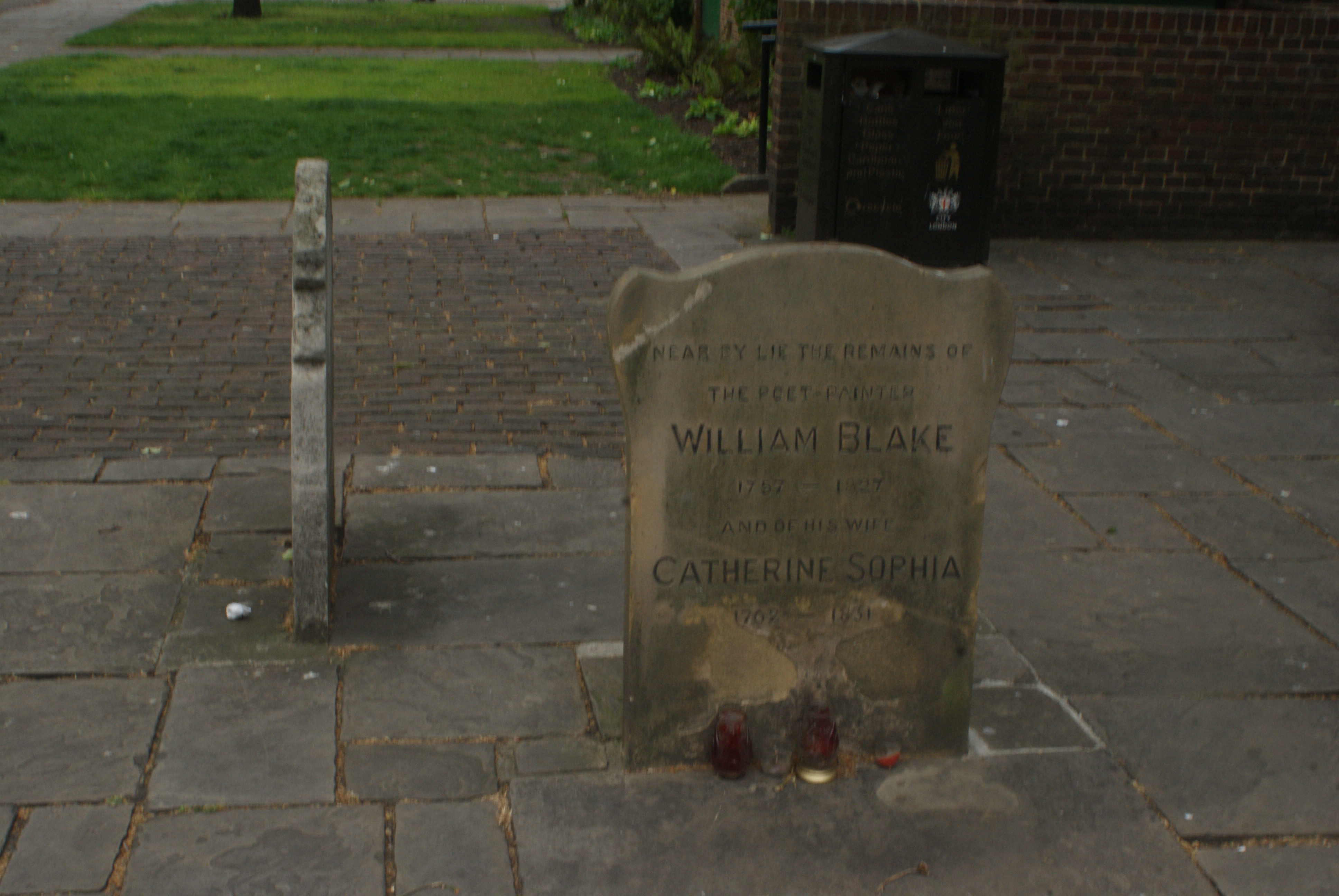
She married William King in 1835 and became Countess of Lovelace in 1838. In the 1840s she lost more than £3,000 on the horses, before the doomed 1851 syndicate. She asked to be buried beside the father she never knew, at Hucknall in Nottinghamshire.
The US Department of Defense later named its Ada programming language after her, giving the standard the number MIL-STD-1815, her birth year. Badiyaa has also told the story of another arithmetic prodigy, Shakuntala Devi, who beat a computer at a 201-digit root. More in Badiyaa's history section.
Sources
- Ada Lovelace, Wikipedia, 2026
- Charles Babbage, Wikipedia, 2026
- Notes by the Translator, Scientific Memoirs vol. 3 (A.A.L.), Wikisource, 1843
- Analytical engine, Wikipedia, 2026
- Lord Byron, Wikipedia, 2026
Image: Daderot, CC0 via Wikimedia Commons
This article was produced with AI assistance and reviewed by our Editorial Desk. How we work.