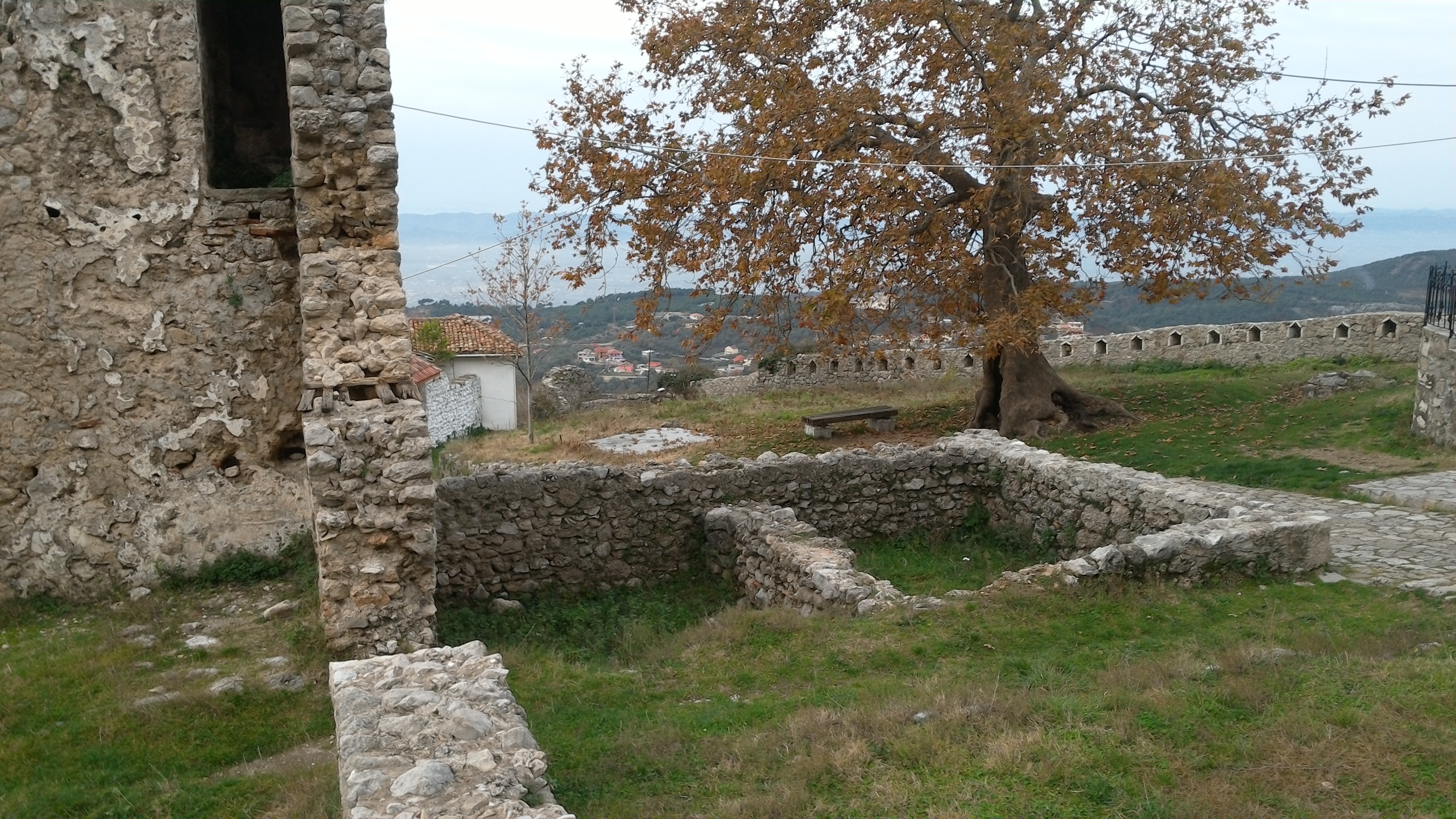
He walked in with a forged letter. On November 28, 1443, an Ottoman commander named Gjergj Kastrioti rode up to the hilltop fortress of Krujë in Albania, handed the governor a document that claimed to come from Sultan Murad II, and became lord of the city that same day. The sultan had written no such letter. Europe would soon know the man as Skanderbeg.
The heist capped a stunning double life. Kastrioti, born around 1405 into a noble Albanian family, had been sent to the Ottoman court as a hostage, trained at the palace's Enderun School and spent some twenty years fighting for the sultan, according to his Wikipedia biography. The Ottomans even gave him his famous name: İskender bey, "Lord Alexander", a nod to Alexander the Great.
The defection
By 1440 he was governor of the Sanjak of Dibra, one of the sultan's most trusted men. Then, in early November 1443, the Hungarian commander John Hunyadi crushed the Ottomans near Niš, in what is now Serbia. In the chaos, the record of the Battle of Nish notes, Kastrioti slipped away with his nephew Hamza and 300 Albanian horsemen.
They rode straight for Krujë, his family's old stronghold. The forged order did the rest. Once inside, he dropped Islam, returned to Christianity and, by one historian's account, raised a red banner bearing a black double-headed eagle.
That flag never really came down. The history of Albania's national flag traces the modern design, a black two-headed eagle on red, straight back to the Kastrioti coat of arms. In a neat twist of the calendar, Albania also declared independence on November 28, in 1912, when that eagle flew again in Vlorë.
Twenty-five years of saying no
On March 2, 1444, he gathered the feuding Albanian nobles in the Venetian-held town of Lezhë. The League of Lezhë, as historians later named it, made him "Chief of the League of the Albanian People" and united much of Albania under one leader for the first time.
The sultans kept coming. In 1450 Murad II himself marched on Krujë with an army put at roughly 100,000, while a garrison of 1,500 held the walls. Its commander, Vrana Konti, was offered 300,000 silver aspra and a high Ottoman rank to open the gates. He said no. By October the sultan had packed up and gone home.
Skanderbeg's own allies were not always so loyal. Venice, irritated by its ambitious neighbor, offered a pension of 100 gold ducats a year to anyone who would kill him. Nobody collected. Pope Calixtus III went the other way and hailed him as Athleta Christi, the Champion of Christ.
He died in Lezhë on January 17, 1468, still unbeaten at Krujë. The fortress's own history records that Mehmed II, the conqueror of Constantinople, could not break those small defenses until 1478, a full decade later. Not bad for a man who got the keys with a fake note.
Where to see him now
Krujë's castle, 557 meters up, now holds the National History Museum named for Skanderbeg, opened on November 1, 1982. Its star exhibit is a replica of his goat-headed helmet; the original sits in Vienna's Kunsthistorisches Museum.
November 28 marks 583 years since the forged letter. For more stories like this, browse Badiyaa's history section.
Sources
- Skanderbeg, Wikipedia, 2026
- Battle of Nish (1443), Wikipedia, 2026
- Fortress of Krujë, Wikipedia, 2026
- League of Lezhë, Wikipedia, 2026
- Flag of Albania, Wikipedia, 2026
- Skanderbeg Museum, Wikipedia, 2026
Image: BBB2021, CC BY-SA 4.0 via Wikimedia Commons
This article was produced with AI assistance and reviewed by our Editorial Desk. How we work.