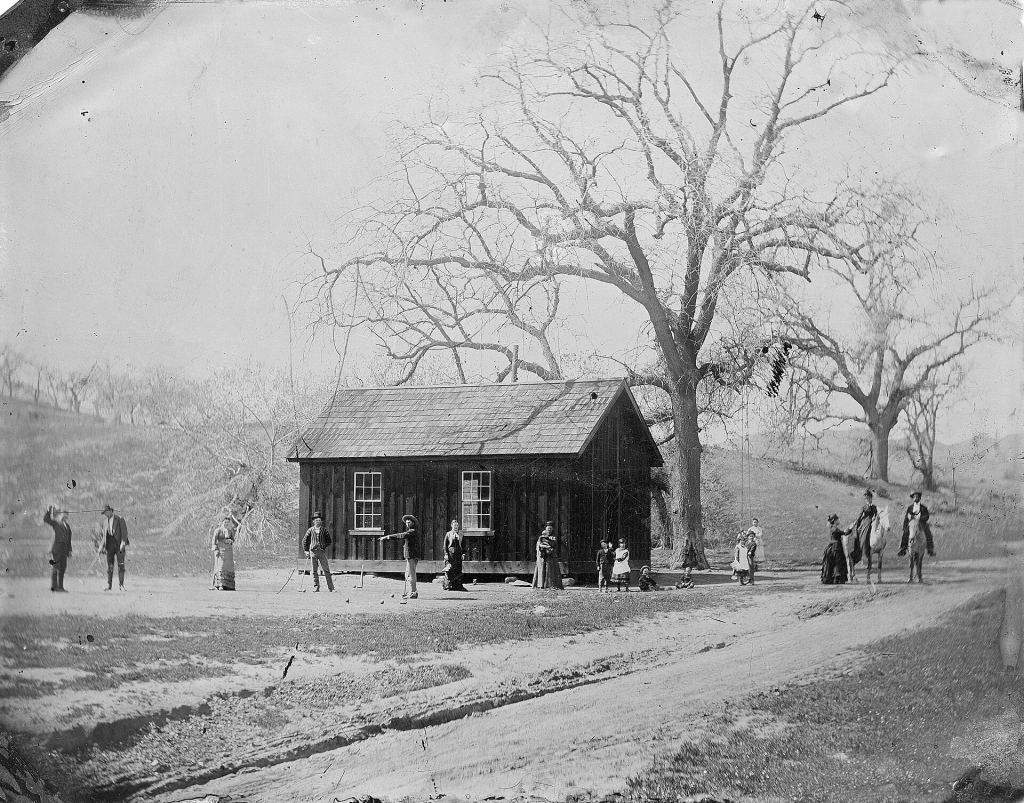
A $2 purchase from a Fresno-area memorabilia shop in 2010 became, five years later, a photograph insured for $5 million. California collector Randy Guijarro paid that sum for three old photographs. One, a small tintype of about 15 people around a croquet game, was declared in October 2015 to show Billy the Kid with members of his gang, the Regulators. It is a remarkable story, and a contested one: several respected historians of the Old West still say the man with the mallet is not the Kid.
What the authenticators claimed
Kagin’s, a San Francisco firm known for rare coins and Western Americana, spent about a year on the plate before backing it. Its team examined who was in the frame, where it was taken and whether croquet sets of that era matched, and even traced building foundations in Chaves County, New Mexico. The firm said there was “overwhelming evidence of the image’s authenticity” and had the plate appraised and insured for $5 million. Kagin’s David McCarthy framed the stakes: “An original Billy the Kid photo is the holy grail of Western Americana.”
The case was laid out in a two-hour film, Billy the Kid: New Evidence, first broadcast on 18 October 2015 and narrated by Kevin Costner. Its producers argued the picture dates from summer 1878, when friends gathered to mark the marriage of Charlie and Manuela Bowdre, close to John Tunstall’s ranch on the Rio Feliz. Forensic analyst Kent Gibson used facial comparison to match several figures, including Bowdre and Tom Folliard. Supporters also found a June 1878 advertisement for croquet sets on sale in Las Vegas, New Mexico, showing the game had reached the territory.
Why historians push back
The doubts are specific:
- The trees in the picture are bare and people wear heavy coats, which sits oddly with a New Mexico summer.
- An 1883 government survey shows no buildings at the Tunstall site, and the schoolhouse the producers matched appears to have been built decades later.
- No record confirms the Bowdre wedding party, and the Regulators were on the run in that period.
- Gibson himself said he would not claim a definitive match in court because the image lacks detail.
- Historian Daniel Buck argued that the ownership trail behind the plate is weak.
Collectors and authors Robert G. McCubbin and John Boessenecker concluded the plate does not show the outlaw. Officials at the Lincoln State Monument could not confirm it, and Daniel Kosharek, a curator at the Palace of the Governors, called it “problematic on a lot of fronts.”
The one picture everyone accepts
For context, there is exactly one image of the Kid that scholars agree on: a 2-by-3-inch ferrotype taken at Fort Sumner in late 1879 or early 1880 and attributed to photographer Ben Wittick. It survived because his friend Dan Dedrick kept it. Because the tintype process produces a mirror image, that portrait spent decades feeding the myth of a left-handed gunfighter. In June 2011 it sold at auction for $2.3 million to businessman William Koch, against a top pre-sale estimate of $400,000.
Those figures explain why the croquet plate drew so much attention. Badiyaa’s arithmetic: the 2011 hammer price came in at almost six times the high estimate ($2.3 million divided by $400,000 is 5.75). The croquet tintype’s $5 million insured value is about 2.2 times what Koch paid, and 2.5 million times what Guijarro handed over at the shop counter. An insurance valuation is not a sale price, though, and it rests entirely on the identification holding up.
For now, standard references still list a single authenticated photograph of Billy the Kid: the small Fort Sumner plate that changed hands for $2.3 million in June 2011.
Further reading
Image: Unknown photographer, public domain via Wikimedia Commons
This article was produced with AI assistance and reviewed by our Editorial Desk. How we work.